What are the advantages of using alumina containers for WPCB pyrolysis? Ensure High-Purity Metal Recovery
Updated 3 months ago
The primary advantage of using alumina (corundum) containers in WPCB pyrolysis is their exceptional chemical and thermal stability, which ensures the recovery of high-purity metals without contamination. Alumina acts as a neutral vessel that withstands temperatures up to 1000°C and intense microwave environments while remaining non-reactive to acidic or reducing pyrolysis byproducts. This combination of mechanical strength and chemical inertness makes it the superior choice for high-precision laboratory and industrial recovery processes.
Alumina containers provide an inert, high-temperature environment that prevents chemical cross-contamination between the sample and the vessel. This stability is critical for ensuring the purity of recovered metals and maintaining reaction equilibrium during the complex decomposition of printed circuit boards.
Maintaining Sample Integrity through Chemical Inertness
Prevention of Elemental Contamination
Alumina's high-purity characteristics ensure that no external impurities are introduced into the reaction during the carbonization process. This is vital when the goal is to study or recover high-purity metal products from waste printed circuit boards (WPCBs).
Resistance to Corrosive Byproducts
The pyrolysis of WPCBs often generates acidic products and strongly reducing decomposition gases. Alumina (corundum) is uniquely resistant to these aggressive chemicals, preventing the container from degrading or reacting with the sample.
Stability in Microwave Environments
In microwave-assisted pyrolysis, containers must withstand intense electromagnetic fields without losing structural integrity. Alumina remains mechanically strong and non-reactive under these specific conditions, protecting both the sample and the equipment.
Superior Thermal Performance and Structural Rigidity
High Refractoriness and Heat Resistance
Alumina ceramic boats possess extreme refractoriness, allowing them to operate effectively at temperatures reaching or exceeding 1000°C. This ensures the container does not soften or deform while holding heavy metal fillers and WPCB samples.
Thermal Shock Resistance
Pyrolysis processes often involve rapid temperature fluctuations which can cause inferior materials to crack. Alumina is selected for its ability to withstand thermal shock, making it a durable choice for repeated heating cycles.
Non-Reactivity with Active Powders
During the recovery of materials from electronics, containers may come into contact with active cathode powders or metal fillers. Alumina stays inert even when in direct contact with these reactive substances at high temperatures.
Optimizing Pyrolysis Dynamics
Facilitating Efficient Gas Removal
The open structure of alumina ceramic boats allows small gas molecules generated during pyrolysis to be efficiently removed by carrier gases. This prevents the buildup of byproducts that could interfere with the desired chemical reactions.
Supporting Reaction Equilibrium
By allowing for the continuous removal of volatiles, these containers help maintain the reaction equilibrium. This leads to a more controlled carbonization process and more predictable outcomes for the recovered materials.
Understanding the Trade-offs and Potential Pitfalls
Material Brittleness and Handling
While alumina is exceptionally strong and heat-resistant, it is also a brittle material. It can fail if subjected to sudden physical impacts or if it is dropped, requiring careful handling compared to metal containers.
Cost Considerations
High-purity alumina is generally more expensive than standard ceramic or quartz alternatives. For large-scale industrial operations, the cost of the consumables must be weighed against the value of the high-purity metal recovery.
Precise Sizing Requirements
Because alumina does not expand or contract significantly, users must ensure that metal fillers do not expand at a rate that exerts internal pressure on the container walls. Improperly sized fillers could potentially cause the ceramic boat to crack during heating.
Selecting the Right Container for Your Pyrolysis Goals
How to Apply This to Your Project
- If your primary focus is high-purity metal recovery: Use high-purity alumina (corundum) to ensure no container elements leach into your final product.
- If your primary focus is microwave-assisted pyrolysis: Choose alumina for its proven ability to remain stable and non-reactive under intense microwave radiation.
- If your primary focus is high-temperature gas analysis: Utilize the open boat structure of alumina to facilitate the clear removal and capture of volatile gas molecules.
By leveraging the chemical inertness and thermal resilience of alumina, you ensure that your pyrolysis results are a true reflection of the sample material rather than a byproduct of container interaction.
Summary Table:
| Key Feature | Advantage for WPCB Pyrolysis |
|---|---|
| Chemical Inertness | Prevents elemental contamination and resists corrosive acidic byproducts. |
| Thermal Stability | Maintains structural integrity at temperatures exceeding 1000°C. |
| Microwave Compatibility | Remains stable and non-reactive under intense electromagnetic fields. |
| Thermal Shock Resistance | Withstands rapid heating and cooling cycles without cracking. |
| Open Boat Structure | Facilitates efficient gas removal and maintains reaction equilibrium. |
Maximize Your Material Recovery Precision with THERMUNITS
At THERMUNITS, we understand that high-precision research requires high-performance equipment. As a leading manufacturer of high-temperature laboratory equipment for material science and industrial R&D, we offer a comprehensive range of thermal processing solutions tailored to your needs.
Our product lineup includes:
- Furnaces: Muffle, Vacuum, Atmosphere, Tube, Rotary, and Hot Press furnaces.
- Advanced Systems: CVD/PECVD systems, Vacuum Induction Melting (VIM) furnaces, and Electric Rotary Kilns.
- Specialized Equipment: Dental Furnaces and high-quality Thermal Elements.
Whether you are performing WPCB pyrolysis or complex heat treatments, our solutions provide the stability and control necessary for superior results. Contact us today to discover how THERMUNITS can empower your laboratory's efficiency and innovation.
References
- Diyi Jin, Wenzhi He. Intrinsic Metal Component-Assisted Microwave Pyrolysis and Kinetic Study of Waste Printed Circuit Boards. DOI: 10.3390/electronicmat5040015
Mentioned Products
- 1700C Compact Hybrid Furnace with Dual Layer Box Sintering and Controlled Atmosphere Alumina Tubes
- Hybrid High Temperature Tube and Box Furnace 1700C with 2 Inch Alumina Tube for Material Research
- 1250 C Compact Vertical Box Furnace for Glovebox Material Research Air Sensitive Samples
- High Temperature Vertical Hybrid Furnace with Alumina Tube and SiC Heating for SOFC Coin Cell Testing and Atmosphere Processing
- High Temperature Compact Vacuum Tube Furnace 1750C Max 60mm OD Alumina Tube
People Also Ask
- Why use a tube furnace for carbon nanofibers? Achieve high purity and electrical conductivity through inert processing.
- What are the advantages of using an atmosphere-controlled high-temperature sintering furnace? Precise Oxygen Control
- What is the function of a controlled atmosphere tube furnace in LiGa alloying? Achieving High-Purity Thermal Synthesis
- Why is the sintering process for MS-SOECs typically conducted in a vacuum or atmosphere furnace? Protect Your Materials.
- How does a high-temperature sintering furnace environment enhance NdFeB magnets? Achieve 98%+ density with precision.

Tech Team · ThermUnits
Last updated on Jun 03, 2026
Related Products
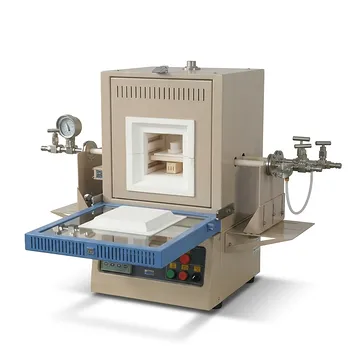
1700C Compact Hybrid Furnace with Dual Layer Box Sintering and Controlled Atmosphere Alumina Tubes
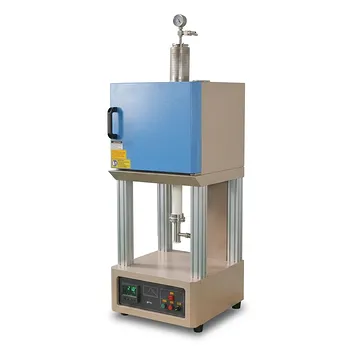
Hybrid High Temperature Tube and Box Furnace 1700C with 2 Inch Alumina Tube for Material Research
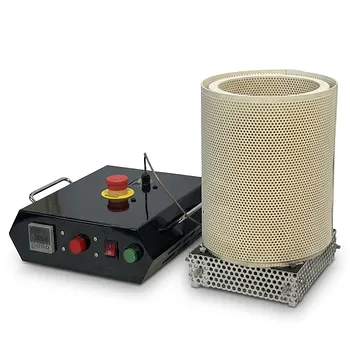
1250 C Compact Vertical Box Furnace for Glovebox Material Research Air Sensitive Samples
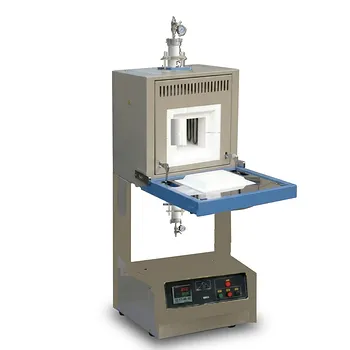
High Temperature Vertical Hybrid Furnace with Alumina Tube and SiC Heating for SOFC Coin Cell Testing and Atmosphere Processing
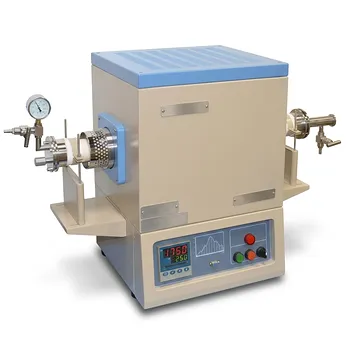
High Temperature Compact Vacuum Tube Furnace 1750C Max 60mm OD Alumina Tube

1800C High Temperature Compact Vacuum Tube Furnace with 60mm OD Alumina Tube and Kanthal MoSi2 Heating Elements
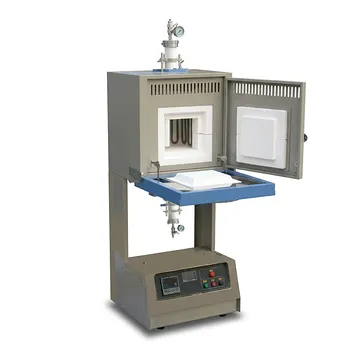
Vertical Hybrid High Temperature Furnace 1500C Alumina Tube SOFC Fuel Cell Testing Laboratory Heat Treatment Research Equipment
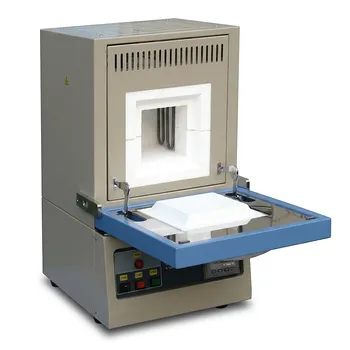
High Temperature 1800C Compact Muffle Furnace with Kanthal Super 1900 Heating Elements and 1.7L Alumina Chamber
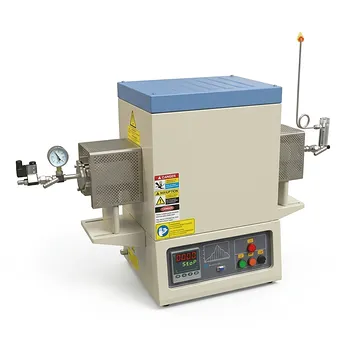
1700C Hydrogen Gas Tube Furnace with 60mm Alumina Process Tube and Integrated Hydrogen Safety Detector
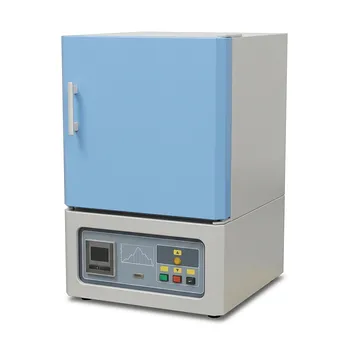
1800C Bench Top Muffle Furnace with Kanthal Super 1900 Heating Elements and 3.6L Alumina Fiber Chamber

Compact High Temperature 1600C Tube Furnace with 50mm Alumina Tube and Vacuum Flanges for Material Sintering
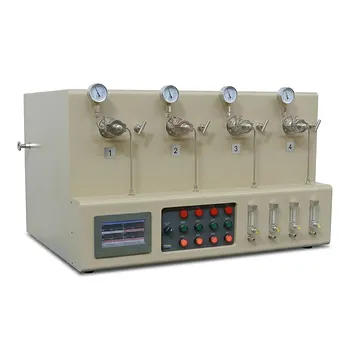
High Temperature 1700C 4 Channel Tube Furnace 1 Inch Alumina Tube for Hi-Throughput Annealing
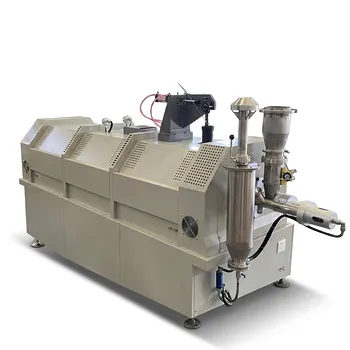
Electric Rotary Kiln Continuous Working Small Rotary Furnace Heating Pyrolysis Plant
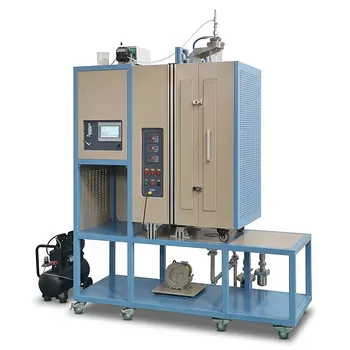
1500C Three Zone Vertical Pyrolysis Furnace for Nanoparticle Synthesis and Advanced Oxide Coating