Why use a tube furnace for carbon nanofibers? Achieve high purity and electrical conductivity through inert processing.
Updated 3 months ago
Carbonization requires a delicate balance of extreme heat and a strictly non-reactive environment to prevent the material from burning away. A controlled atmosphere high-temperature tube furnace is essential because it isolates the polymer fibers from oxygen, preventing oxidative loss while allowing the thermal energy to strip away non-carbon elements. This precise process transforms an insulating polymer into a high-strength, electrically conductive carbon nanofiber network.
The furnace serves two critical roles: it provides the thermal energy necessary for chemical rearrangement and creates an oxygen-free "protective envelope." Without this controlled environment, the carbon matrix would combust into carbon dioxide rather than forming a stable solid structure.
The Critical Role of Atmospheric Control
Prevention of Oxidative Destruction
At temperatures ranging from 600°C to 1000°C, carbon reacts violently with even trace amounts of oxygen. The tube furnace provides a strict inert protective atmosphere, typically using high-purity nitrogen (N2) or argon (Ar). This isolation ensures that the carbon skeleton is preserved rather than being lost to oxidation during the heating process.
Chemical Stability and Sealing
Superior sealing performance is a non-negotiable requirement for these furnaces to maintain an oxygen-free zone. By excluding oxygen, the furnace facilitates the pyrolysis of the polymer framework, allowing it to transform into a chemically stable and lightweight substrate.
Integration of Functional Dopants
The controlled atmosphere also allows for the introduction of specific gases to modify the fiber's chemistry. For example, it can support the creation of nitrogen-doped carbon substrates, which are vital for enhancing the performance of composite electrodes and catalysts.
Driving Structural and Molecular Transformation
Removal of Non-Carbon Elements
High-temperature treatment facilitates the thermal degradation of organic components, specifically removing hydrogen, oxygen, and nitrogen. This process leaves behind a concentrated amorphous carbon skeleton or a more ordered graphitic structure, depending on the peak temperature and soaking time.
Development of Porous Architectures
Within the furnace, sacrificial templates inside the precursor fibers undergo thermal decomposition to create valuable nanopores. This resulting ultramicropore structure significantly increases the specific surface area, which is critical for applications like energy storage and electromagnetic wave absorption.
Enhancement of Electrical Conductivity
The heat treatment promotes the rearrangement of carbon atoms, significantly improving the electrical conductivity of the nanofibers. This transformation turns a non-conductive polymer like PAN (polyacrylonitrile) into a highly efficient conductive network capable of rapid electron transport.
Precision Thermal Management
Controlled Heating and Soaking
Tube furnaces offer a precisely controlled thermal environment, allowing for specific heating rates (such as 10°C per minute) and prolonged "soaking" times. This level of control is necessary to ensure that the chemical reactions occur uniformly throughout the material without causing structural defects.
Uniform Thermal Field Distribution
The design of the tube furnace ensures a uniform thermal field, which is essential for consistent quality across the entire fiber batch. This uniformity induces the formation of evenly distributed active sites, such as metal heterojunctions, when metal precursors are present in the fiber.
Strengthening Composite Interfaces
Beyond simple carbonization, the high-temperature environment improves the interface contact between different materials within a composite. This strengthens the overall structural stability of the final electrode or material, ensuring it can withstand physical stress during use.
Understanding the Trade-offs
System Sealing and Gas Purity
The primary risk in using a tube furnace is a compromise in vacuum integrity or gas purity. Even a minor leak or low-grade nitrogen can lead to the partial oxidation of the fibers, resulting in poor mechanical strength and reduced conductivity.
Energy and Cooling Requirements
Maintaining temperatures up to 1000°C requires significant energy and specialized heating elements. Furthermore, the cooling phase must be managed carefully in an inert atmosphere to prevent the "cold" fibers from oxidizing the moment they are exposed to air.
Throughput Limitations
Tube furnaces are often limited by the physical dimensions of the tube, which can restrict the volume of material processed in a single batch. While excellent for precision and research, scaling this to industrial levels requires specialized continuous-feed atmospheric furnaces.
How to Apply This to Your Project
When selecting a furnace or defining your process for carbon nanofiber production, your choice should be dictated by your specific material requirements and final application.
- If your primary focus is High Electrical Conductivity: Prioritize a furnace capable of reaching at least 1000°C with ultra-high-purity nitrogen to maximize graphitization.
- If your primary focus is High Specific Surface Area: Focus on precise ramp rates and soaking times between 600°C and 800°C to optimize the decomposition of sacrificial templates.
- If your primary focus is Composite Stability: Ensure the furnace provides a highly uniform thermal field to guarantee consistent interface bonding between the carbon and active materials.
By mastering the balance of temperature and atmosphere, you transform a simple polymer into a foundational material for next-generation technology.
Summary Table:
| Key Feature | Role in Carbonization | Benefit to Nanofibers |
|---|---|---|
| Inert Atmosphere | Prevents oxidative combustion | Preserves carbon skeleton structure |
| Precise Pyrolysis | Removes non-carbon elements | Increases carbon purity and strength |
| Thermal Uniformity | Consistent heat distribution | Ensures uniform pore and active site formation |
| High-Temp Control | Promotes atomic rearrangement | Significantly enhances electrical conductivity |
Elevate Your Material Research with THERMUNITS
As a leading manufacturer of high-temperature laboratory equipment, THERMUNITS empowers material science and industrial R&D with precision thermal processing solutions. Whether you are producing high-strength carbon nanofibers or developing advanced composites, our Tube Furnaces, CVD/PECVD systems, and Atmosphere Furnaces provide the strict atmospheric control and thermal uniformity your project demands.
Our comprehensive range includes:
- Muffle, Vacuum, and Atmosphere Furnaces
- Tube, Rotary, and Hot Press Furnaces
- CVD/PECVD Systems & Vacuum Induction Melting (VIM)
- Electric Rotary Kilns, Dental Furnaces, and Thermal Elements
Ready to optimize your carbonization process? Contact us today to discuss how our customized heat treatment solutions can enhance your laboratory's efficiency and material performance!
References
- Debora Maria Conti, Doretta Capsoni. Design of Na3MnZr(PO4)3/Carbon Nanofiber Free-Standing Cathodes for Sodium-Ion Batteries with Enhanced Electrochemical Performances through Different Electrospinning Approaches. DOI: 10.3390/molecules29081885
Mentioned Products
- High Temperature Vertical Atmosphere Controlled Furnace with Automatic Bottom Loading and 1700°C Capacity for Advanced Material Research
- 1700C High Temperature Alumina Tube Furnace with 18 Inch Heated Zone and Vacuum Sealing Flanges
- 1700C Compact Hybrid Furnace with Dual Layer Box Sintering and Controlled Atmosphere Alumina Tubes
- 1500°C Split Tube Furnace with Alumina Tube and Vacuum Sealing Flanges for Material Research
- Atmosphere Controlled Muffle Furnace 1700C Maximum Temperature 80L High Capacity Vacuum Inert Gas Box Furnace
People Also Ask
- What role does atmosphere control play in technical ceramics and glass? Master Material Purity and Precision
- What is the function of a vertical tube furnace in MnOx-SiO2 research? Precision Control & Quenching
- What's the Role of Tube Furnaces in FeCuS-N-C Synthesis? Precision Pyrolysis & Atmosphere Control
- What role does a high-temperature atmosphere furnace play in the direct electrochemical reduction of CO2? - Key Insights
- What is the function of a high-temperature tube furnace with atmosphere control? Optimize Carbonization of Composites

Tech Team · ThermUnits
Last updated on Jun 02, 2026
Related Products
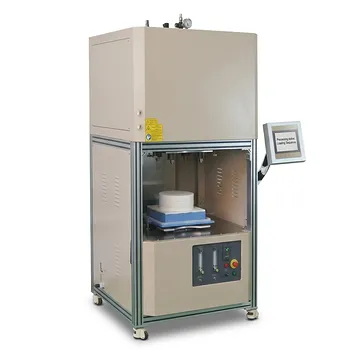
High Temperature Vertical Atmosphere Controlled Furnace with Automatic Bottom Loading and 1700°C Capacity for Advanced Material Research
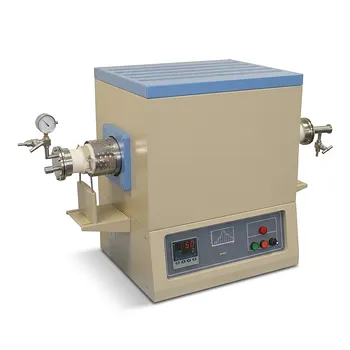
1700C High Temperature Alumina Tube Furnace with 18 Inch Heated Zone and Vacuum Sealing Flanges
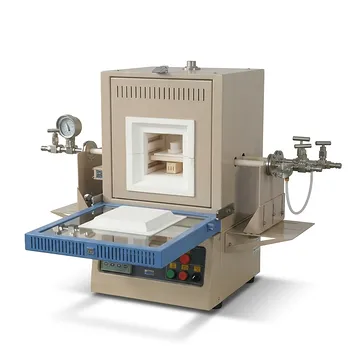
1700C Compact Hybrid Furnace with Dual Layer Box Sintering and Controlled Atmosphere Alumina Tubes
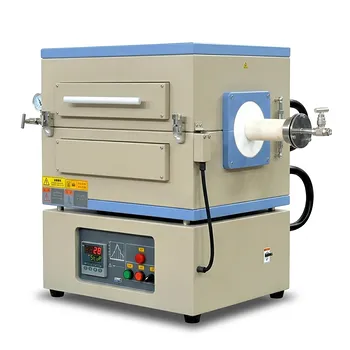
1500°C Split Tube Furnace with Alumina Tube and Vacuum Sealing Flanges for Material Research
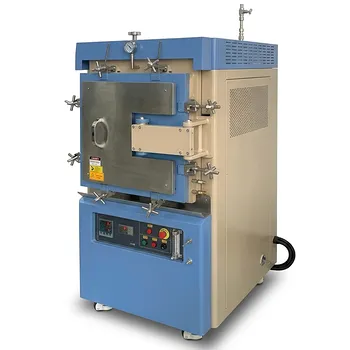
Atmosphere Controlled Muffle Furnace 1700C Maximum Temperature 80L High Capacity Vacuum Inert Gas Box Furnace
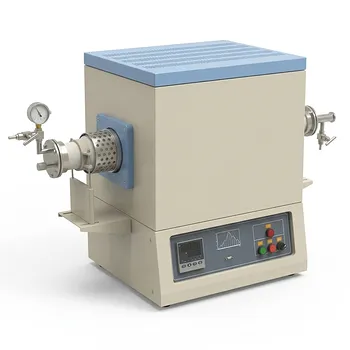
1750°C High Temperature Benchtop Vacuum Atmosphere Tube Furnace with Kanthal Super 1800 Heating Elements and 60mm Alumina Processing Tube
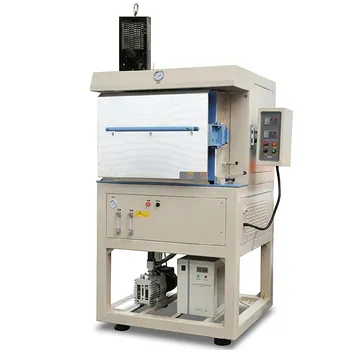
1200C Hydrogen Atmosphere Box Furnace with 5 Heated Sides and 64L Chamber
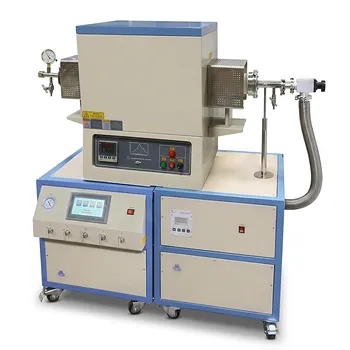
High Temperature 1700C Tube Furnace with High Vacuum Turbomolecular Pump System and Multi Channel Mass Flow Controller Gas Mixer
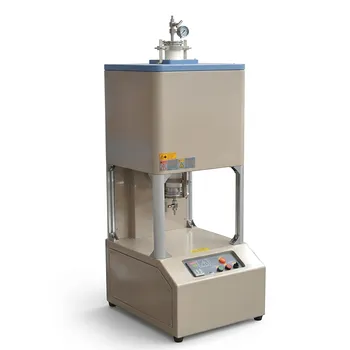
Vertical 1700C Vacuum and Atmosphere Tube Furnace with 80mm Alumina Tube
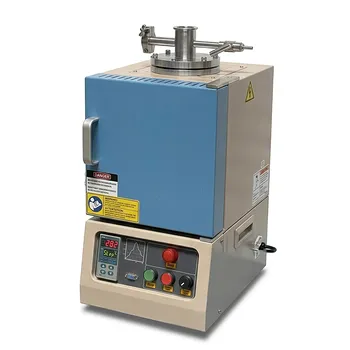
High Temperature Hybrid Muffle and Tube Furnace with Vacuum Capability and PID Control
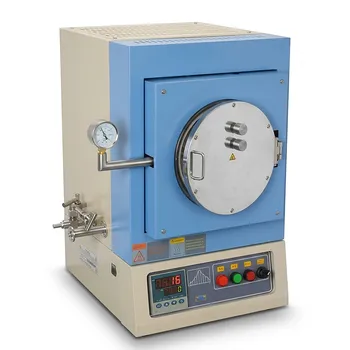
1100°C High Temperature Quartz Chamber Furnace 8 Inch OD with 7.6 Liter Capacity and Vacuum Atmosphere Capability
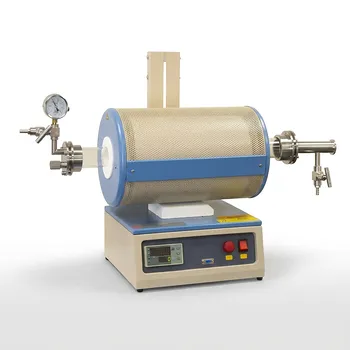
1100C Tube Furnace with Vacuum Flange and Programmable Temperature Controller for Material Science and Industrial Heat Treatment
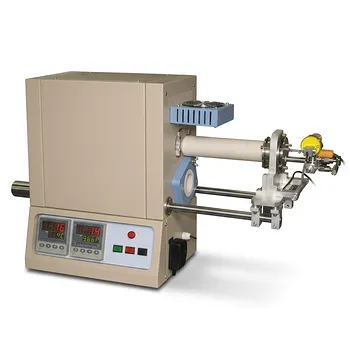
High Temperature Tube Furnace 1500C with Sliding Flanges and 50mm OD for Rapid Thermal Processing Fast Heating and Cooling
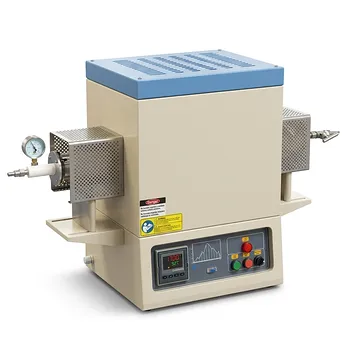
High Temperature Three Zone Tube Furnace 1700C with Alumina Tube and Water Cooled Flanges

High Temperature 1700C Vertical Tube Furnace for Powder Spherification and Material Sintering

High Temperature 1700C Benchtop Tube Furnace with 5 Inch Heating Zone High Purity Alumina Tube and Vacuum Sealing Flanges

High Temperature Automated 5 Inch Tube Furnace for Autonomous Material Research and Advanced Laboratory R&D
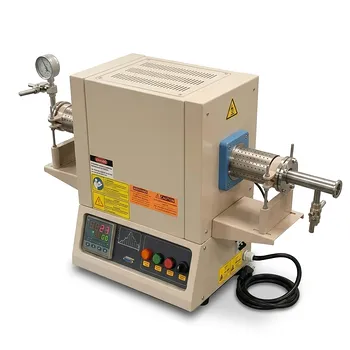
Compact High Temperature 1600C Tube Furnace with 50mm Alumina Tube and Vacuum Flanges for Material Sintering
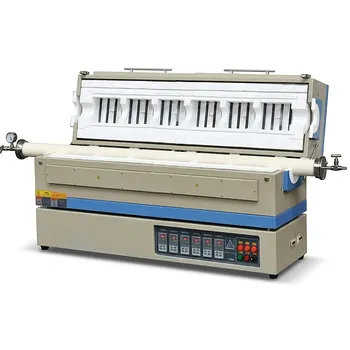
High Temperature 1700C Six Zone Split Tube Furnace with Alumina Tube and Water Cooled Flanges
