Why is the sintering process for MS-SOECs typically conducted in a vacuum or atmosphere furnace? Protect Your Materials.
Updated 3 months ago
The sintering of Metal-Supported Solid Oxide Electrolysis Cells (MS-SOECs) requires a high-vacuum or controlled atmosphere tube furnace to manage the conflicting thermal needs of ceramic and metallic components. This specialized environment provides the high temperatures (typically 1350°C) necessary for electrolyte densification while utilizing a reducing atmosphere—such as a hydrogen-argon mixture—to protect the stainless steel support from catastrophic oxidative corrosion.
Core Takeaway: Sintering MS-SOECs in a controlled environment is essential to facilitate ceramic densification and strong metal-ceramic bonding while simultaneously preventing the oxidation of the metallic support, which would otherwise compromise the cell's structural and electrochemical integrity.
Preventing Oxidative Corrosion of the Metal Support
Protecting the Stainless Steel Matrix
The primary challenge in MS-SOEC fabrication is that the stainless steel support is highly susceptible to oxidation at the high temperatures required for sintering. Without a vacuum or a reducing atmosphere, the metal would form thick oxide layers, leading to structural failure and loss of electrical conductivity.
Managing the Reducing Atmosphere
A controlled atmosphere tube furnace allows for the introduction of hydrogen-argon (H2-Ar) mixtures. This specific chemical environment actively strips oxygen away from the metal surface, ensuring the stainless steel remains metallic and functional throughout the 1350°C heating cycle.
Facilitating Electrolyte Densification and Bonding
Achieving High-Quality Ceramic Densification
The ceramic electrolyte layer must be fully dense to prevent gas leakage during electrolysis. The high-temperature capabilities of these furnaces provide the thermal energy necessary for atomic diffusion, allowing ceramic particles to fuse and eliminate residual pores.
Promoting Metal-Ceramic Interface Integrity
High-vacuum environments promote neck growth between particles and facilitate high-quality metallurgical bonding. This ensures that the ceramic layer and the metal support are physically and chemically integrated, which is vital for long-term mechanical stability.
Maintaining Chemical Purity and Performance
Effective Binder and Lubricant Removal
During the initial phases of sintering, organic binders and lubricants added during mixing must be removed. A controlled atmosphere ensures these volatiles are swept away smoothly, preventing carbon contamination that could weaken the internal structure.
Preserving Electronic Valence States
The presence of even trace amounts of oxygen can alter the electronic valence states of active sites within the cell. By maintaining a high vacuum or high-purity inert gas protection, the furnace prevents oxygen impurities from degrading the final electrocatalytic performance of the SOEC.
Understanding the Trade-offs
Operational Complexity and Safety
Utilizing a reducing atmosphere involving hydrogen requires sophisticated safety protocols and gas handling systems to prevent explosions. This adds significant operational overhead compared to air-sintering traditional all-ceramic cells.
Equipment and Maintenance Costs
High-vacuum systems capable of reaching levels like 10^-5 torr are expensive to acquire and maintain. The seals and vacuum pumps require regular servicing to ensure the environment remains oxygen-free, as even a minor leak can result in the embrittlement of the metal support.
How to Apply This to Your Project
Selecting the Right Environment for Your Goal
The choice of atmosphere and furnace type depends heavily on your specific material composition and desired cell longevity.
- If your primary focus is Maximum Support Longevity: Use a high-purity reducing atmosphere (H2/Ar) to ensure the stainless steel support maintains its mechanical properties and conductivity without oxidation.
- If your primary focus is Electrolyte Gas-Tightness: Prioritize high-vacuum sintering at the upper temperature limit (1350°C+) to maximize atomic diffusion and eliminate all remaining porosity in the ceramic layer.
- If your primary focus is Electrocatalytic Activity: Ensure the furnace system has precise atmosphere control to prevent oxygen impurities from altering the valence states of the active catalyst sites.
The success of MS-SOEC fabrication rests entirely on the ability to balance ceramic processing temperatures with the chemical preservation of the metallic architecture.
Summary Table:
| Key Requirement | Technical Detail | Primary Benefit |
|---|---|---|
| Temperature | Typically 1350°C | Facilitates electrolyte densification and atomic diffusion |
| Atmosphere | Reducing (H2-Ar Mixture) | Prevents stainless steel support from oxidative corrosion |
| Environment | High-Vacuum (up to 10⁻⁵ torr) | Promotes neck growth and high-quality metal-ceramic bonding |
| Purity Control | Controlled Gas Flow | Ensures effective binder removal and preserves valence states |
Elevate Your MS-SOEC Research with Precision Thermal Solutions
Successful MS-SOEC fabrication demands the perfect balance of temperature and atmospheric control. THERMUNITS is a leading manufacturer of high-temperature laboratory equipment, providing the precise thermal environments necessary for material science and industrial R&D.
Our advanced thermal processing solutions are designed to protect your metallic architectures while ensuring superior ceramic densification. Our comprehensive range includes:
- Tube and Vacuum Furnaces (Ideal for MS-SOEC sintering)
- Atmosphere & Muffle Furnaces
- Rotary, Hot Press, and Dental Furnaces
- CVD/PECVD Systems
- Vacuum Induction Melting Furnaces (VIM)
- Electric Rotary Kilns and Thermal Elements
Ready to optimize your heat treatment process? Contact us today to discuss your specific project requirements and discover how THERMUNITS can bring unparalleled reliability to your laboratory.
References
- Zhikuan Zhu, Michael C. Tucker. Dynamic operation of metal-supported solid oxide electrolysis cells. DOI: 10.1016/j.ijhydene.2024.01.345
Mentioned Products
- 1200°C Atmosphere Controlled Automatic Bottom Loading Furnace with 6 Inch Quartz Tube
- Compact Hybrid Muffle and Tube Furnace for 1000C Controlled Atmosphere Laboratory Material Sintering
- Compact Vertical Split Quartz Tube Furnace with Stainless Steel Vacuum Flanges for Rapid Thermal Quenching and Controlled Atmosphere Material Processing
- High Temperature Vertical Atmosphere Controlled Furnace with Automatic Bottom Loading and 1700°C Capacity for Advanced Material Research
- 1700C Compact Hybrid Furnace with Dual Layer Box Sintering and Controlled Atmosphere Alumina Tubes
People Also Ask
- Why is a tube furnace required for FGM-PhG structural color ceramics? Key to Carbon Preservation & Vibrant Color
- Why is an atmosphere-controlled tube furnace required for the pre-sulfidation of NiMo/gamma-Al2O3 catalysts?
- Why is an atmosphere-controlled tube furnace required for 800 °C CNF annealing? Essential for Oxidative Protection.
- Why is an atmosphere-controlled tube furnace required for [email protected]/C preparation? Key for Purity & Structure
- Why is an atmosphere-controlled tube furnace required for single-atom sensor calcination? Ensure Atomic Dispersion.

Tech Team · ThermUnits
Last updated on Jun 02, 2026
Related Products
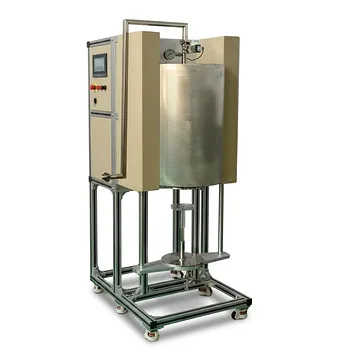
1200°C Atmosphere Controlled Automatic Bottom Loading Furnace with 6 Inch Quartz Tube
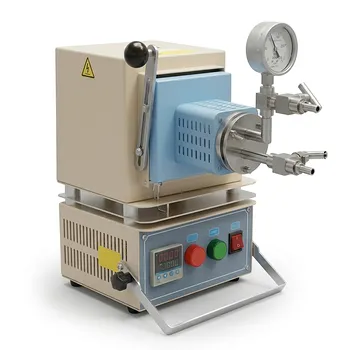
Compact Hybrid Muffle and Tube Furnace for 1000C Controlled Atmosphere Laboratory Material Sintering

Compact Vertical Split Quartz Tube Furnace with Stainless Steel Vacuum Flanges for Rapid Thermal Quenching and Controlled Atmosphere Material Processing
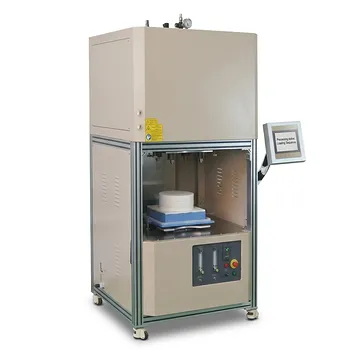
High Temperature Vertical Atmosphere Controlled Furnace with Automatic Bottom Loading and 1700°C Capacity for Advanced Material Research
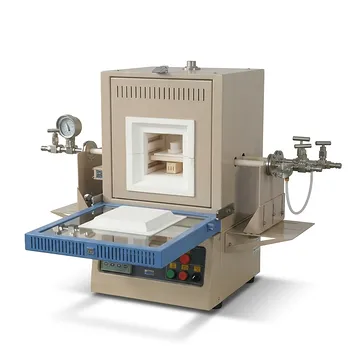
1700C Compact Hybrid Furnace with Dual Layer Box Sintering and Controlled Atmosphere Alumina Tubes
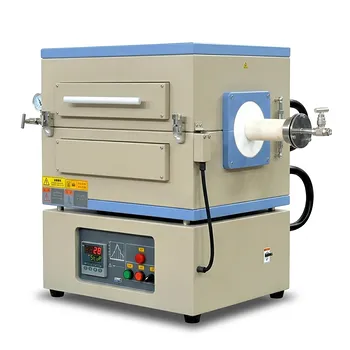
1500°C Split Tube Furnace with Alumina Tube and Vacuum Sealing Flanges for Material Research
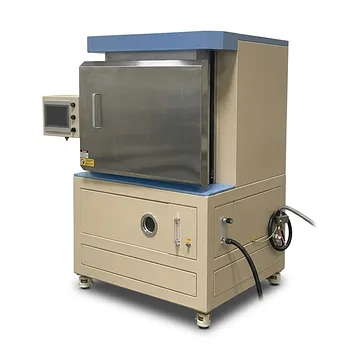
1650C High Temperature Atmosphere Controlled Box Furnace with 65L Chamber for Advanced Material Sintering and Industrial Heat Treatment
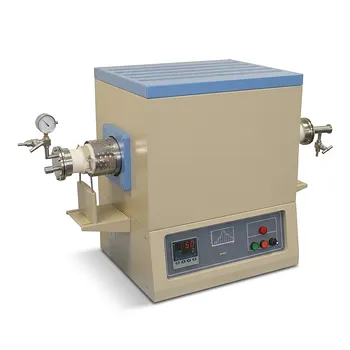
1700C High Temperature Alumina Tube Furnace with 18 Inch Heated Zone and Vacuum Sealing Flanges
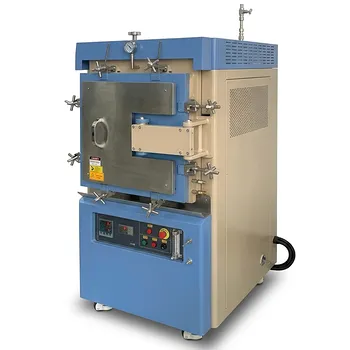
Atmosphere Controlled Muffle Furnace 1700C Maximum Temperature 80L High Capacity Vacuum Inert Gas Box Furnace
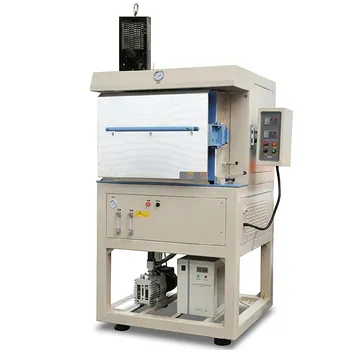
1200C Hydrogen Atmosphere Box Furnace with 5 Heated Sides and 64L Chamber

Vertical 1700C Vacuum and Atmosphere Tube Furnace with 80mm Alumina Tube

1750°C High Temperature Benchtop Vacuum Atmosphere Tube Furnace with Kanthal Super 1800 Heating Elements and 60mm Alumina Processing Tube
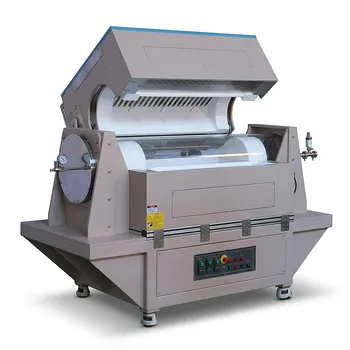
Three Zone Tube Furnace with 11 Inch or 15 Inch Quartz Tube and Hinged Flanges for Vacuum Atmosphere Heat Treatment
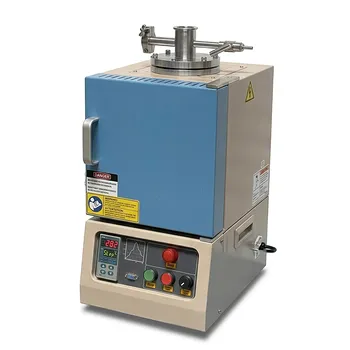
High Temperature Hybrid Muffle and Tube Furnace with Vacuum Capability and PID Control

High Temperature 1700C Tube Furnace with High Vacuum Turbomolecular Pump System and Multi Channel Mass Flow Controller Gas Mixer
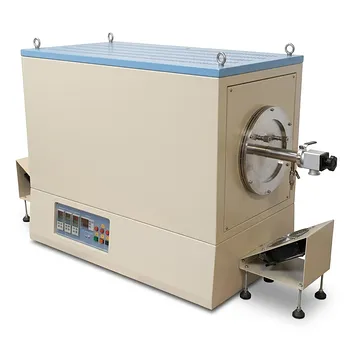
Four Zone Tube Furnace 1100C with 600mm Large Diameter Quartz Tube and Vacuum Flanges
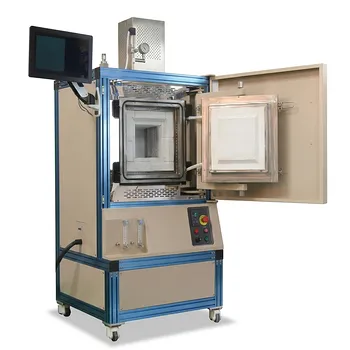
High Temperature Hydrogen Atmosphere Box Furnace 1650C Max Reducing Environment Material Synthesis System 8x8x8 Chamber
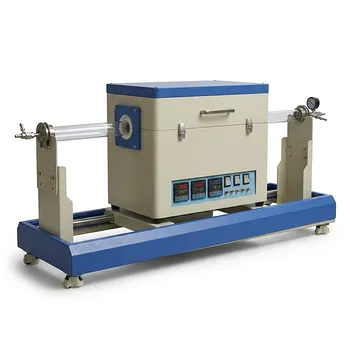
Double Temperature Zone Double Cover Tube Furnace for High Temperature CVD and Vacuum Annealing
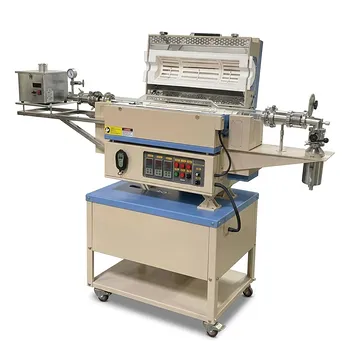
5 Inch Rotary Tube Furnace with Automatic Feeding and Receiving System 1200C Three Zone CVD Powder Processing