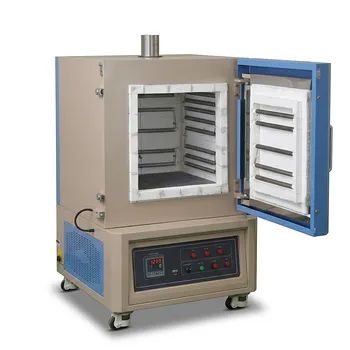
What are the advantages of using an atmosphere-controlled high-temperature sintering furnace? Precise Oxygen Control
Updated 3 months ago
The primary advantage of atmosphere-controlled high-temperature sintering furnaces lies in their ability to dynamically regulate oxygen potential. These systems enable the precise fabrication of sub-stoichiometric actinide solid solutions, such as $U_{1-y}Am_yO_{2-x}$, by switching between specific gas paths like pure Ar, Ar/$H_2$, or Ar/$O_2$ mixtures. This level of control ensures a uniform distribution of americium and uranium cations within the microsphere microstructure, a feat nearly impossible in conventional furnaces with fixed or uncontrolled environments.
Core Takeaway: Atmosphere-controlled furnaces move beyond simple heating to act as a chemical regulator. By precisely managing gas ratios and oxygen partial pressure, they allow for the creation of stable, uniform transmutation targets while preventing the phase decomposition or oxidation common in conventional sintering equipment.
Precision Control of Chemical Stoichiometry
Dynamic Gas Path Switching
Unlike conventional furnaces that rely on a single, static atmosphere, atmosphere-controlled systems allow for the dynamic switching of gas paths during a single sintering cycle. This enables the operator to introduce pure Argon, or mixtures of Ar/$H_2$ and Ar/$O_2$, to manipulate the chemical environment at specific temperature thresholds.
Achieving Specific Sub-Stoichiometric Ratios
The preparation of transmutation targets often requires the creation of sub-stoichiometric solid solutions (e.g., $U_{1-y}Am_yO_{2-x}$). Precise regulation of the oxygen potential is the only way to achieve these specific chemical ratios, which are vital for the target's performance and stability under irradiation.
Preventing Phase Decomposition
By using buffering components—such as specific $CO/CO_2$ ratios or $Ni-NiO$ buffer pairs—these furnaces can "lock" the chemical state of a sample. This prevents unwanted non-stoichiometric changes or phase decomposition that usually occurs when oxygen partial pressures fluctuate during high-temperature treatment.
Enhancing Microstructural Integrity
Uniform Cation Distribution
In the production of nuclear targets, the homogeneity of americium and uranium is paramount. Atmosphere-controlled sintering ensures that these cations are distributed uniformly throughout the microsphere, preventing localized "hot spots" or chemical instabilities within the material.
Driving Evolution via Mechanical Stress
In advanced research, it is critical that the evolution of the material's internal structure is driven by intended factors like mechanical stress rather than chemical impurities. Controlled atmospheres ensure that the observed changes in the material are a result of the process design, not uncontrolled oxidation or contamination from the furnace environment.
Comparison with Vacuum and Pressure Sintering
While vacuum furnaces are excellent for preventing general oxidation, they lack the ability to actively tune the oxygen potential required for actinide chemistry. Similarly, hot press furnaces focus on densification through pressure but may not provide the precise gas-phase chemical control necessary for complex oxide solid solutions.
Understanding the Trade-offs and Challenges
Increased Operational Complexity
The primary downside to atmosphere-controlled systems is their high degree of complexity. Managing flammable gases like Hydrogen ($H_2$) or reactive Oxygen ($O_2$) at high temperatures requires sophisticated gas delivery systems and rigorous safety protocols that are not necessary for conventional air or vacuum furnaces.
Higher Capital and Maintenance Costs
These furnaces require precision mass flow controllers, oxygen sensors, and specialized plumbing to ensure gas purity and accurate mixing. This results in significantly higher initial investment and ongoing maintenance costs compared to standard industrial sintering equipment.
Sensitivity to Gas Purity
The success of the process is entirely dependent on the purity of the input gases. Even trace amounts of moisture or oxygen in an argon line can disrupt the oxygen potential, potentially ruining a batch of sensitive transmutation targets.
Implementing the Right Sintering Strategy
How to Apply This to Your Project
- If your primary focus is precise chemical stoichiometry: Utilize an atmosphere-controlled furnace with dynamic gas switching to ensure the correct $O/M$ (oxygen-to-metal) ratio is achieved and maintained.
- If your primary focus is maximizing material density: Consider a hot press furnace, which uses vertical mechanical pressure to eliminate internal pores more effectively than atmosphere control alone.
- If your primary focus is cost-effective production of stable oxides: A conventional air or inert-atmosphere furnace may be sufficient if the material does not require sub-stoichiometric precision.
- If your primary focus is preventing oxidation of metallic phases: A high-vacuum furnace (reaching $10^{-5}$ MPa) is the superior choice for removing residual gases and protecting the matrix from degradation.
By aligning your furnace selection with the specific chemical and structural requirements of your target material, you ensure both the integrity of the transmutation process and the safety of the final product.
Summary Table:
| Feature | Atmosphere-Controlled Furnace | Conventional Sintering Furnace |
|---|---|---|
| Oxygen Regulation | Dynamic control of oxygen potential via gas switching | Static or uncontrolled environment |
| Gas Flexibility | Supports Ar, Ar/H₂, Ar/O₂, CO/CO₂ mixtures | Usually limited to air or single inert gas |
| Stoichiometry | Precise sub-stoichiometric actinide solutions | Difficult to maintain specific O/M ratios |
| Microstructure | Uniform cation distribution; no phase decomposition | Risk of localized oxidation or instability |
| Complexity | High (requires mass flow controllers & sensors) | Low to Moderate |
Elevate Your Material Research with THERMUNITS
Precise thermal processing is the backbone of advanced material science. THERMUNITS is a leading manufacturer of high-temperature laboratory equipment, providing the specialized tools needed for demanding industrial R&D and nuclear material preparation.
From Atmosphere and Vacuum furnaces designed for perfect stoichiometry to Hot Press, Tube, Rotary, and CVD/PECVD systems, our equipment ensures your research is driven by design, not impurities. We also offer Vacuum Induction Melting (VIM) furnaces, electric rotary kilns, and premium thermal elements to support every stage of your heat treatment workflow.
Ready to achieve superior microstructural integrity? Contact our engineering team today to find the perfect furnace solution for your laboratory's unique requirements.
References
- Gamze Colak, Jef Vleugels. Fabrication of americium containing transmutation targets. DOI: 10.1016/j.jnucmat.2024.155107
Mentioned Products
- 1650C High Temperature Atmosphere Controlled Box Furnace with 65L Chamber for Advanced Material Sintering and Industrial Heat Treatment
- High Temperature Oxygen and Inert Atmosphere Controlled Furnace 8 Liter 1700C Sintering System for Advanced Materials RD
- High Temperature Vertical Atmosphere Controlled Furnace with Automatic Bottom Loading and 1700°C Capacity for Advanced Material Research
- 1700C Compact Hybrid Furnace with Dual Layer Box Sintering and Controlled Atmosphere Alumina Tubes
- Roller Table Atmosphere Furnace 1500C High Temperature Battery Material Sintering System 112L Capacity
People Also Ask
- What role does atmosphere control play in technical ceramics and glass? Master Material Purity and Precision
- What role does a high-temperature atmosphere furnace play in the direct electrochemical reduction of CO2? - Key Insights
- What is the role of a high-temperature box furnace in the solid-state synthesis of Europium-doped M3MgSi2O8 phosphors?
- What is the role of a high-temperature box furnace in Na3MnZr(PO4)3 synthesis? Engineering High-Performance NASICON.
- What physical conditions does a high-temperature atmosphere furnace provide for MXene exfoliation? Process Guide

Tech Team · ThermUnits
Last updated on Jun 02, 2026
Related Products
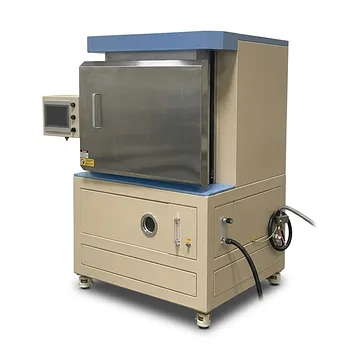
1650C High Temperature Atmosphere Controlled Box Furnace with 65L Chamber for Advanced Material Sintering and Industrial Heat Treatment
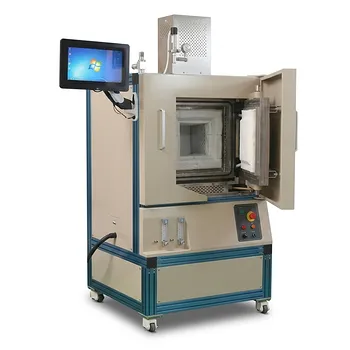
High Temperature Oxygen and Inert Atmosphere Controlled Furnace 8 Liter 1700C Sintering System for Advanced Materials RD
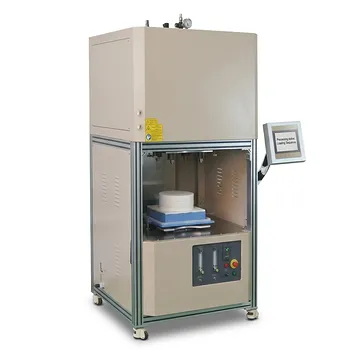
High Temperature Vertical Atmosphere Controlled Furnace with Automatic Bottom Loading and 1700°C Capacity for Advanced Material Research
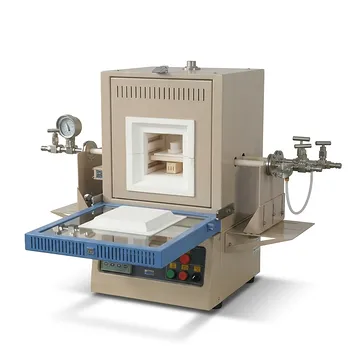
1700C Compact Hybrid Furnace with Dual Layer Box Sintering and Controlled Atmosphere Alumina Tubes
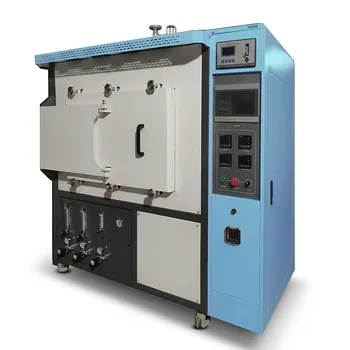
Roller Table Atmosphere Furnace 1500C High Temperature Battery Material Sintering System 112L Capacity
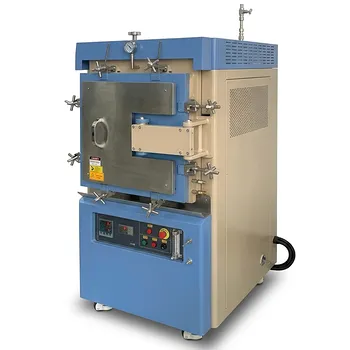
Atmosphere Controlled Muffle Furnace 1700C Maximum Temperature 80L High Capacity Vacuum Inert Gas Box Furnace
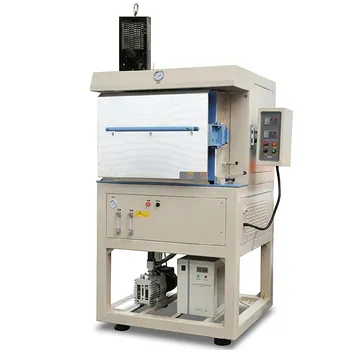
1200C Hydrogen Atmosphere Box Furnace with 5 Heated Sides and 64L Chamber
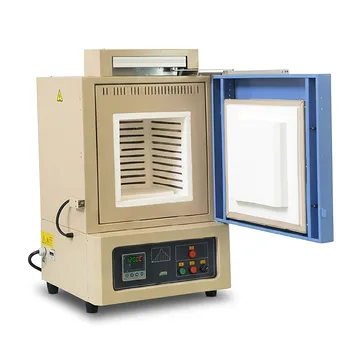
1200C High Temperature Muffle Furnace with Motorized Door and Automated PC Control for Industrial Sintering and Material Processing 27 Liter
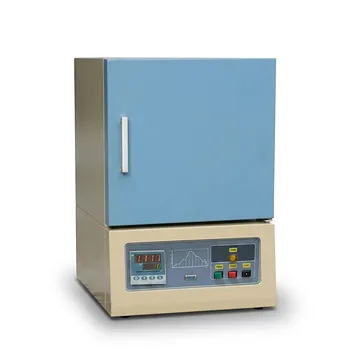
Ultra High Temperature Bench Top Muffle Furnace 1750C Sintering System with Kanthal Super Heating Elements and Precision Digital Control
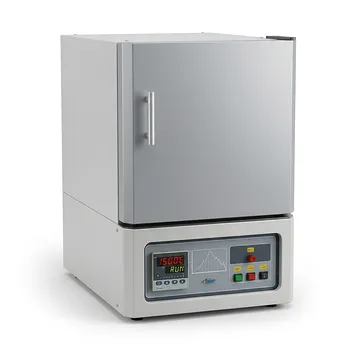
High Temperature 1500C Benchtop Muffle Furnace 3.6L Alumina Fiber Chamber Programmable Controller Sintering Annealing Carbonization Thermal Processing System
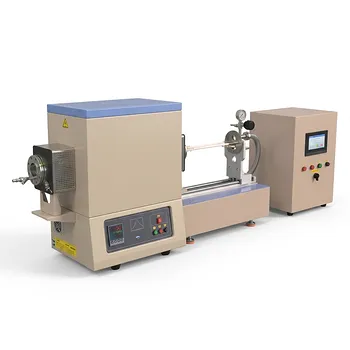
High Temperature Horizontal Electrical Assisted Sintering Furnace with 3KW Programmable Power Source for Advanced Ceramic Materials

High Temperature 1700C Vertical Tube Furnace for Powder Spherification and Material Sintering
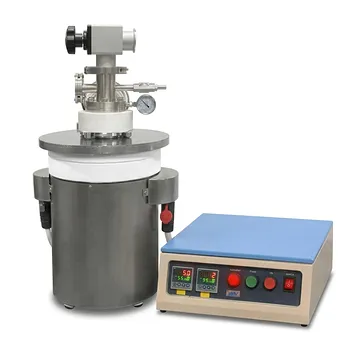
1100C High Temperature Vacuum Crucible Furnace with Quartz Chamber for Thermal Processing and Sintering
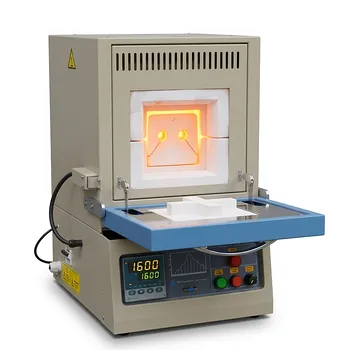
High Temperature Compact Muffle Furnace 1700 C with 30 Segment Programmable Controller and 1.7L Cubic Chamber
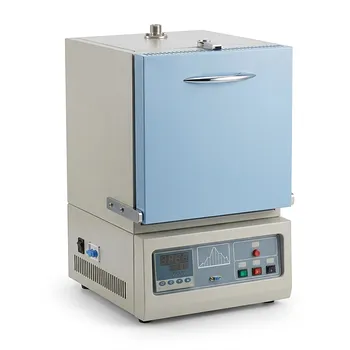
1750C Compact Muffle Furnace 1.7L Ultra High Temperature Laboratory Sintering System for Advanced Ceramics and Material Science Research
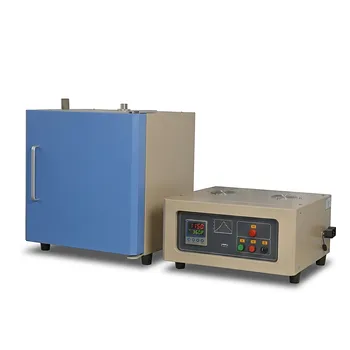
High Temperature Muffle Furnace with Alloy Chamber for Debinding and Sintering Applications
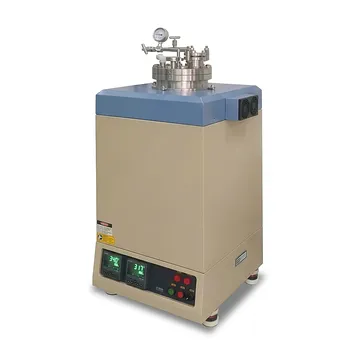
High Temperature 1000C Vacuum Furnace with 8 Inch ID Chamber for Material Sintering and Research Annealing
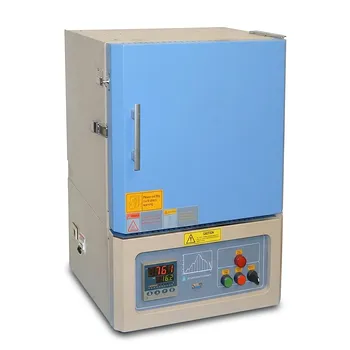
High Temperature 1700C Bench Top Muffle Furnace with Alumina Fiber Insulation and 3.6L Chamber Capacity for Precision Sintering and Heat Treatment
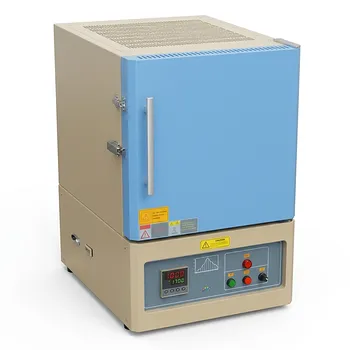
Large Bench Top 1700C High Temperature Muffle Furnace with 19L Chamber for Advanced Material Sintering and Annealing