What are the advantages of using an alumina crucible for graphene oxide reduction? Ensure High Purity and Stability
Updated 3 months ago
The primary advantages of using an alumina crucible for the thermal reduction of graphene oxide include its exceptional chemical inertness and structural stability at elevated temperatures. These properties prevent the crucible from reacting with carbon materials or introducing metallic impurities into the graphene product. Furthermore, its resistance to thermal shock ensures the container remains intact during the rapid heating and cooling cycles required for efficient reduction.
Alumina crucibles provide a high-purity, chemically stable environment that preserves the integrity of graphene oxide during thermal processing. By resisting reaction with carbon and providing mechanical strength at high temperatures, they ensure a contaminant-free end product and accurate experimental data.
Ensuring Product Purity and Chemical Inertness
Prevention of Carbon Interaction
At temperatures typically used for graphene oxide reduction—often reaching 900°C or higher—many materials become reactive. Alumina is specifically noted for its inability to react with carbon materials at these temperatures, ensuring that the graphene does not bond with the container or undergo unwanted chemical changes.
Elimination of Metallic Contamination
The high purity of alumina is a critical factor in maintaining the quality of the resulting reduced graphene oxide (rGO). Because the crucible does not shed ions or react with transition metal catalysts, it prevents the introduction of impurities that could alter the electrical or structural properties of the graphene.
Stability with Doping Agents
In processes where graphene oxide is being functionalized or doped, such as with boron, alumina remains chemically indifferent. It does not interfere with boron-containing reactants at temperatures around 500°C, ensuring that the final doped product (rGO-B) reaches the intended chemical stoichiometry without interference.
Structural and Mechanical Reliability
High-Temperature Mechanical Strength
Thermal reduction often requires temperatures exceeding 1000°C, which can cause inferior materials to deform or crack. High-purity alumina maintains its structural integrity and mechanical strength even above 1300°C, providing a reliable vessel that can be reused across multiple cycles.
Resistance to Thermal Shock
The reduction of graphene oxide often involves rapid heating rates to trigger the exfoliation or reduction of oxygen functional groups. Alumina’s superior thermal shock resistance allows it to withstand these aggressive temperature ramps and subsequent cooling phases without fracturing.
Environmental Protection and Containment
Using lidded alumina crucibles can create a micro-enclosed environment that inhibits the volatilization of critical components. Additionally, the crucible acts as a shield, protecting the furnace's heating elements from corrosive vapors or gases released during the reduction of the graphene oxide, thereby extending the service life of the laboratory equipment.
Precision in Experimental Analysis
Accuracy in Thermogravimetric Data
For researchers monitoring the reduction process via mass changes, alumina’s stability is indispensable. It does not produce significant background weight changes in complex reactive gas environments, ensuring that all measured mass data accurately reflects the chemical behavior of the graphene sample rather than the container.
Reliability of Kinetic Testing
The resistance to thermal deformation ensures that the crucible's geometry remains constant during testing. This is vital for collecting accurate kinetic data and ensures that any spalled particles or residues can be reliably recovered and analyzed without contamination from the crucible material itself.
Understanding the Trade-offs
Temperature Limits and Material Grades
While alumina is highly resistant, its performance is heavily dependent on its purity grade. Lower-purity alumina may contain "glassy phases" or binders that can soften or become reactive at lower temperatures than high-purity (99%+) versions.
Chemical Sensitivities
Although alumina is inert to carbon and many acids, it can be vulnerable to certain aggressive chemicals. It may react with strong alkaline melts or specific fluorinated compounds at high temperatures, which could lead to crucible erosion and sample contamination if the reduction process involves these specific reagents.
How to Apply This to Your Project
Recommendations for Material Selection
- If your primary focus is maximum product purity: Select the highest purity alumina (99.7% or higher) to eliminate the risk of trace metal contamination during the reduction cycle.
- If your primary focus is experimental precision (TGA): Use a pre-fired alumina crucible to ensure no residual moisture or volatile binders interfere with your mass-change readings.
- If your primary focus is equipment longevity: Utilize lidded alumina crucibles to contain outgassed vapors, preventing them from depositing on and damaging your furnace’s heating elements.
By leveraging the chemical and thermal stability of alumina, you ensure that the thermal reduction of graphene oxide results in a high-quality, predictable, and contaminant-free material.
Summary Table:
| Feature | Benefit for Graphene Oxide (GO) Reduction |
|---|---|
| Chemical Inertness | Prevents reactions with carbon; ensures no metallic contamination. |
| High Thermal Stability | Maintains structural integrity at temperatures exceeding 1300°C. |
| Thermal Shock Resistance | Withstands rapid heating/cooling cycles required for exfoliation. |
| Doping Compatibility | Remains indifferent to doping agents like boron at high heat. |
| Equipment Protection | Lidded designs protect furnace heating elements from corrosive vapors. |
Elevate Your Material Research with THERMUNITS
Achieving high-purity results in graphene oxide reduction requires more than just high-quality crucibles—it requires a precise thermal environment. THERMUNITS is a leading manufacturer of high-temperature laboratory equipment specifically designed for material science and industrial R&D.
Whether you need Atmosphere Furnaces, Vacuum Furnaces, CVD/PECVD systems, or specialized Tube and Rotary furnaces, our solutions provide the stability and control necessary for advanced thermal processing. We empower researchers to eliminate contamination and ensure experimental accuracy with our comprehensive range of laboratory heat treatment equipment.
Ready to optimize your thermal reduction process? Contact our technical experts today to find the perfect furnace and crucible combination for your project!
References
- Lanhao Wang, Chuanxiang Zhang. Coal-based graphene derived from different coal ranks: exceptional sodium storage performance in sodium-ion batteries. DOI: 10.1039/d4ra05104a
Mentioned Products
- 600°C Vertical Crucible Furnace with SS316 Alloy Reactor and 6 Port Vacuum Flange
- Vertical Crucible Furnace 1000C High Temperature Laboratory Equipment 4.7 Inch Diameter Chamber SS316 Anti Corrosive Enclosure
- High Temperature Vertical Crucible Furnace with 22L Heating Chamber and 1200C Maximum Temperature
- Compact Crucible Melting Furnace 1100C Programmable Temperature Controller Metal Sintering Equipment
- 1100C Crucible Melting Furnace with Stirring Function for Glovebox and Air Sensitive Alloy Research
People Also Ask
- How does a high vacuum sintering furnace at 600 Celsius affect the microstructure of Al-TiC composites? Expert Analysis
- How should the choice between a Quartz crucible and an Alumina crucible be made for La2O2S? Optimize Material Purity
- Why use ceramic crucibles for coal nano-hybrid heat treatment? Ensure Purity and Thermal Stability.
- What role does a vacuum tube furnace play in palladium membrane treatment? Achieve 600°C Stability & Prevent Brittle Phases
- Why is a high-temperature furnace with precise temperature control necessary for Ag8SiS6 alloy synthesis? Ensure Safety.

Tech Team · ThermUnits
Last updated on Jun 02, 2026
Related Products
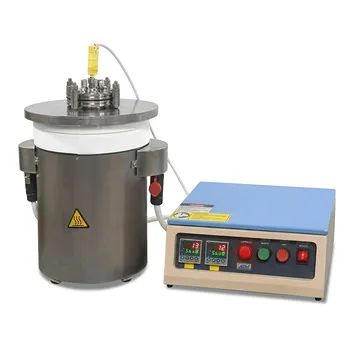
600°C Vertical Crucible Furnace with SS316 Alloy Reactor and 6 Port Vacuum Flange
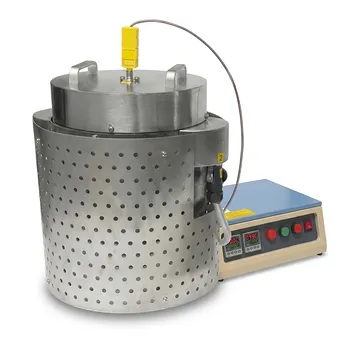
Vertical Crucible Furnace 1000C High Temperature Laboratory Equipment 4.7 Inch Diameter Chamber SS316 Anti Corrosive Enclosure
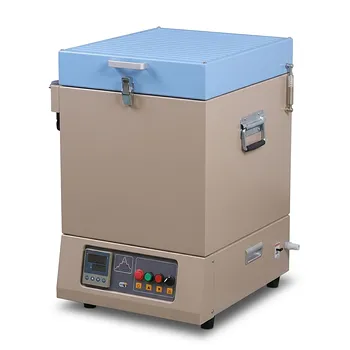
High Temperature Vertical Crucible Furnace with 22L Heating Chamber and 1200C Maximum Temperature
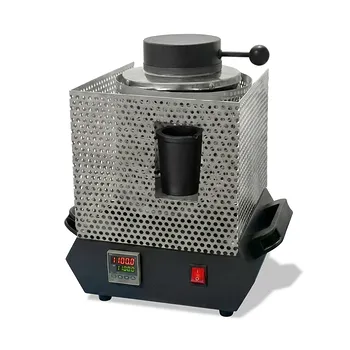
Compact Crucible Melting Furnace 1100C Programmable Temperature Controller Metal Sintering Equipment
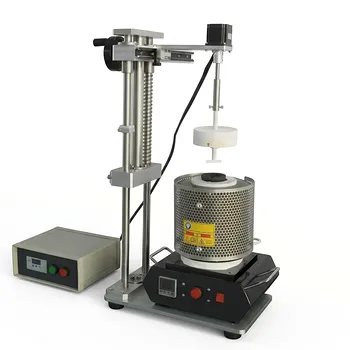
1100C Crucible Melting Furnace with Stirring Function for Glovebox and Air Sensitive Alloy Research
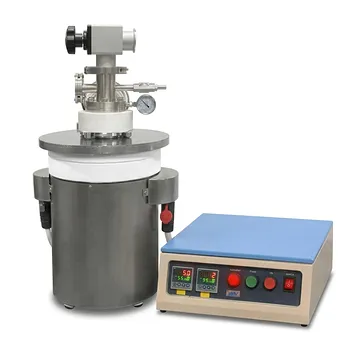
1100C High Temperature Vacuum Crucible Furnace with Quartz Chamber for Thermal Processing and Sintering
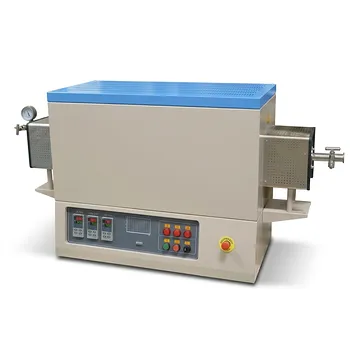
Three Zone Alumina Tube Furnace with Vacuum Flanges High Temperature 1700C Thermal Gradient CVD System
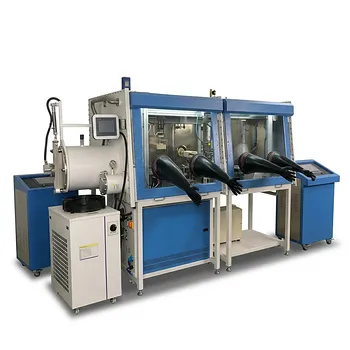
Automatic 10 Crucible Induction Melting and Casting System with Stirring Function and Glovebox Integration 2000C
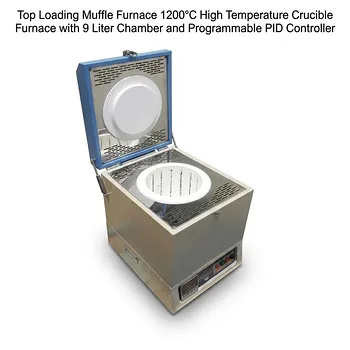
Top Loading Muffle Furnace 1200°C High Temperature Crucible Furnace with 9 Liter Chamber and Programmable PID Controller
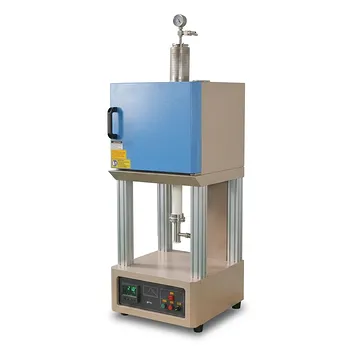
Hybrid High Temperature Tube and Box Furnace 1700C with 2 Inch Alumina Tube for Material Research
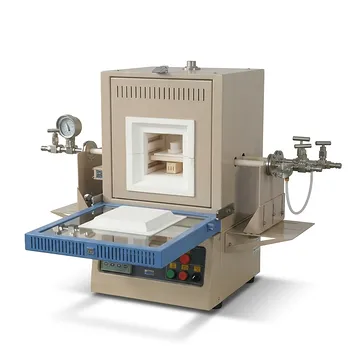
1700C Compact Hybrid Furnace with Dual Layer Box Sintering and Controlled Atmosphere Alumina Tubes
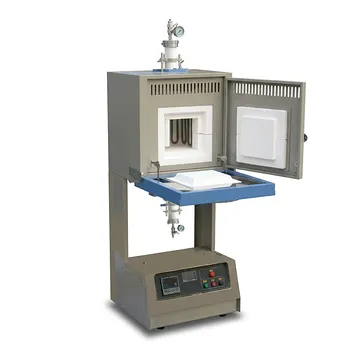
Vertical Hybrid High Temperature Furnace 1500C Alumina Tube SOFC Fuel Cell Testing Laboratory Heat Treatment Research Equipment
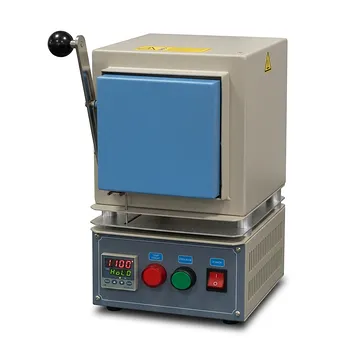
Compact 1100C Muffle Furnace with Programmable Temperature Control and High Purity Alumina Insulation for Material Research
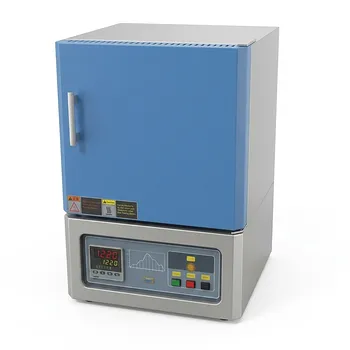
High Temperature Benchtop Muffle Furnace 1700C 10L Chamber Alumina Fiber Insulation MoSi2 Heating Elements

1800C High Temperature Compact Vacuum Tube Furnace with 60mm OD Alumina Tube and Kanthal MoSi2 Heating Elements
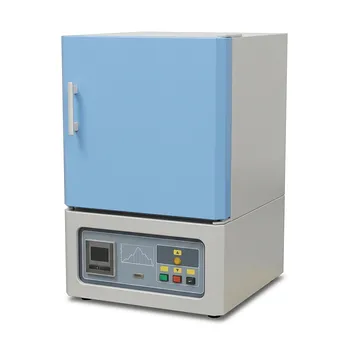
1800C Bench Top Muffle Furnace with Kanthal Super 1900 Heating Elements and 3.6L Alumina Fiber Chamber
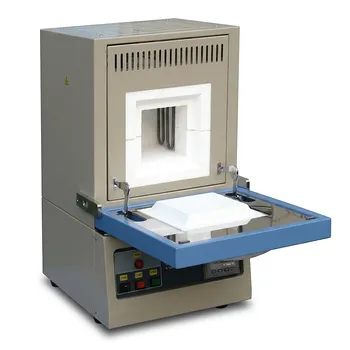
High Temperature 1800C Compact Muffle Furnace with Kanthal Super 1900 Heating Elements and 1.7L Alumina Chamber

Compact High Temperature 1600C Tube Furnace with 50mm Alumina Tube and Vacuum Flanges for Material Sintering
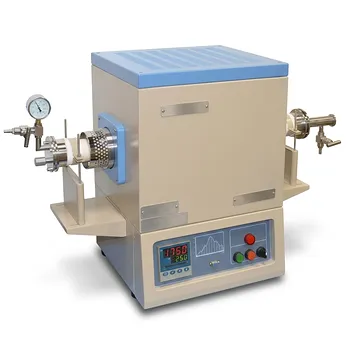
High Temperature Compact Vacuum Tube Furnace 1750C Max 60mm OD Alumina Tube