What are the material requirements for reaction tubes? A Guide to Choosing Quartz, Alumina, or Alloy for Extreme Heat
Updated 3 months ago
Material requirements for furnace reaction tubes prioritize a combination of high thermal strength, exceptional chemical stability, and the ability to maintain a protective surface layer. These components must withstand intense radiation and oxidizing flue gases while preventing structural deformation or catastrophic burnout.
Core Takeaway: Selecting the right reaction tube requires balancing the maximum operating temperature against the chemical reactivity of the process environment. A successful choice ensures the material maintains both its structural integrity and its ability to efficiently absorb and transfer heat.
Essential Physical and Thermal Properties
High Thermal Strength and Creep Resistance
Reaction tubes must be constructed from heat-resistant alloy steels or specialized ceramics that maintain structural integrity under long-term exposure to extreme heat. These materials must resist "creep," which is the tendency of a solid material to move slowly or deform permanently under the influence of persistent mechanical stresses.
High Emissivity via Stable Oxide Layers
A critical requirement for metallic tubes is the ability to form and maintain a stable oxide layer on the surface. This layer is vital because it ensures high emissivity, allowing the tube to efficiently absorb heat from furnace radiation and transfer it to the internal reaction.
Resistance to Thermal Shock
In environments where temperatures fluctuate, the material must possess high thermal shock resistance. This prevents cracking or "spalling," which can occur when rapid temperature changes cause different parts of the tube to expand or contract at different rates.
Chemical Stability in Corrosive Environments
Inertness to Oxidizing Flue Gases
In many tubular furnaces, the exterior of the tube is constantly lashed by oxidizing flue gases. The material must be chemically inert enough to prevent these gases from thinning the tube walls or causing deep-seated corrosion that leads to premature failure.
Compatibility with Refractory Metals
For highly specialized and aggressively corrosive applications, standard alloys may fail. In these instances, refractory metals such as molybdenum or tungsten are required because they offer superior durability and chemical resistance that exceeds the limits of common stainless steels.
Preventing Material Contamination
The process tube serves as the reaction chamber, meaning it must not react with the substances inside. Materials like fused quartz or high-purity alumina are often chosen for their chemical inertness, ensuring the purity of the reaction products remains untainted.
Understanding the Trade-offs and Limitations
The Devitrification of Quartz
While fused quartz is an excellent choice for transparency and chemical purity, it is limited by its temperature threshold. If used significantly above 1000 °C to 1200 °C for extended periods, it undergoes devitrification, where the glass transitions into a crystalline state and loses its structural integrity.
Temperature vs. Opacity in Ceramics
Alumina (corundum) offers much higher temperature resistance, functioning effectively up to 1700–1800 °C, but it is opaque. Users must choose between the visual monitoring capabilities of quartz and the extreme heat tolerance of alumina based on their specific process needs.
Oxidative Sensitivity of Heating Elements
Certain materials used in conjunction with reaction tubes, such as MoSi2 (Molybdenum Disilicide) heating elements, require specific handling. They can be prone to oxidation during specific cooling phases in certain atmospheres, necessitating precise control over the furnace environment to protect the system.
Making the Right Choice for Your Goal
When selecting a reaction tube, your decision should be dictated by the peak temperature and the chemical nature of your reagents.
- If your primary focus is extreme high-temperature stability (up to 1800°C): Use high-purity alumina or corundum tubes, as they offer the highest thermal ceiling.
- If your primary focus is visual monitoring at moderate heat (under 1100°C): Select fused quartz for its transparency and excellent thermal shock resistance.
- If your primary focus is durability in highly corrosive atmospheres: Opt for refractory metals like molybdenum or tungsten to ensure long-term chemical resistance.
- If your primary focus is heat transfer efficiency in industrial furnaces: Utilize heat-resistant alloy steels capable of maintaining a high-emissivity oxide layer.
By matching the material's inherent thermal and chemical limits to your process demands, you ensure both operational safety and experimental precision.
Summary Table:
| Material Type | Max Operating Temp | Key Advantages | Primary Use Case |
|---|---|---|---|
| Fused Quartz | ~1100°C | Transparency & Thermal Shock Resistance | Visual monitoring of reactions |
| Alumina (Corundum) | 1700°C – 1800°C | Exceptional Heat & Chemical Stability | Extreme high-temperature stability |
| Refractory Metals | Very High | Superior Durability in Corrosive Media | Aggressive chemical environments |
| Heat-Resistant Alloys | Variable | High Emissivity & Structural Strength | Industrial heat transfer efficiency |
Elevate Your Research with THERMUNITS Thermal Solutions
Choosing the right reaction tube is critical for the success of your high-temperature experiments. As a leading manufacturer of high-temperature laboratory equipment, THERMUNITS provides expert-engineered solutions for material science and industrial R&D.
We offer a comprehensive range of equipment, including:
- Furnaces: Muffle, Vacuum, Atmosphere, Tube, Rotary, and Hot Press.
- Advanced Systems: CVD/PECVD systems and Vacuum Induction Melting (VIM) furnaces.
- Specialized Tools: Dental Furnaces, Electric Rotary Kilns, and high-quality Thermal Elements.
Our team is ready to help you select the perfect thermal processing equipment to withstand corrosive environments and maximize your lab's precision.
Contact us today to find your ideal solution!
References
- A. L. Abdullin. Numerical Study of Complex Heat Transfer and Aerodynamics in a Tube Furnace with a Flat Fuel Combustion Mode. DOI: 10.33619/2414-2948/108/15
Mentioned Products
- Compact High Temperature 1600C Tube Furnace with 50mm Alumina Tube and Vacuum Flanges for Material Sintering
- Automated 1200 C Tube Furnace for AI Material Research with 6 Inch OD and Sliding Flange
- High Temperature Rotary Tilt Tubular Furnaces for Advanced Powder Sintering and Material Processing
- 1200C Hybrid Muffle and Tube Furnace for Material Research with Dual Atmosphere Control Quartz Tubes
- High Temperature 1700C Vertical Tube Furnace for Powder Spherification and Material Sintering
People Also Ask
- What is the role of a high-temperature tube furnace in the calcination process of ZnO/In2O3 nanocomposites?
- Why is a high-temperature tube furnace required for CuAlO2 heat treatment? Master Phase Transformation Today
- Function of tube furnaces in cellulose aerogel carbonization? Achieve High-Performance Materials
- What role does a high-temperature tube furnace play in the carbonization? Mastering Precision Carbon Synthesis
- What role does a high-temperature tube furnace play in executing nitrogen absorption kinetic experiments? Expert Insights

Tech Team · ThermUnits
Last updated on Jun 03, 2026
Related Products

Compact High Temperature 1600C Tube Furnace with 50mm Alumina Tube and Vacuum Flanges for Material Sintering
Automated 1200 C Tube Furnace for AI Material Research with 6 Inch OD and Sliding Flange
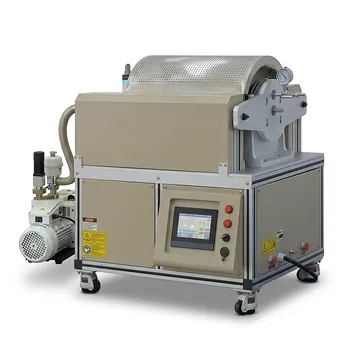
High Temperature Rotary Tilt Tubular Furnaces for Advanced Powder Sintering and Material Processing
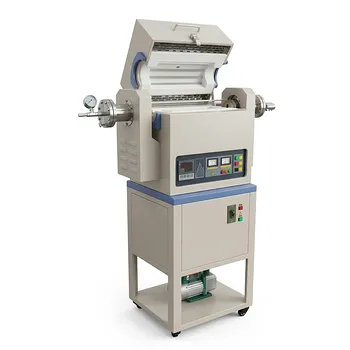
1200C Hybrid Muffle and Tube Furnace for Material Research with Dual Atmosphere Control Quartz Tubes

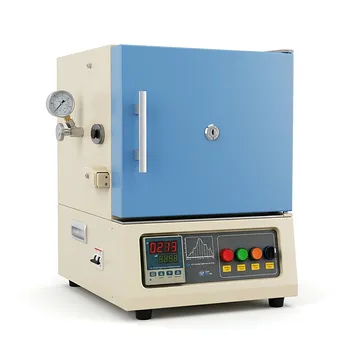
High Temperature 1700C Vertical Tube Furnace for Powder Spherification and Material Sintering
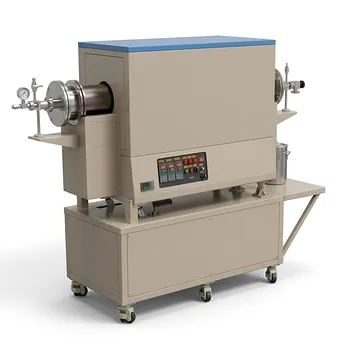
900°C Max Rotary Tube Furnace with 8 Inch 310S Alloy Tube and Optional Multi Zone Heating for Industrial Material Calcination
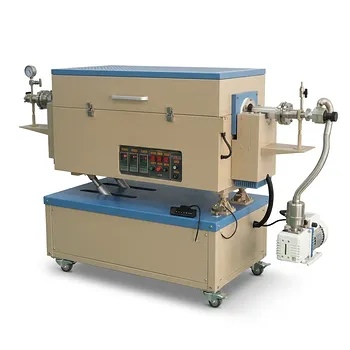
Three Zone Rotary Tube Furnace for High Temperature Powder Processing and Material Research

1700C Hydrogen Gas Tube Furnace with 60mm Alumina Process Tube and Integrated Hydrogen Safety Detector
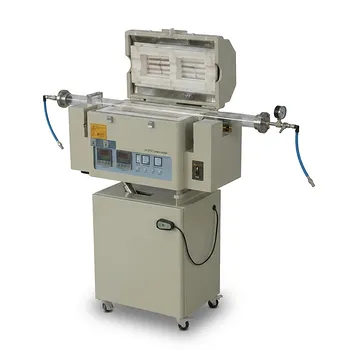
Double Temperature Revolving Tube Furnace with Precision Rotation and Adjustable Inclination for Advanced Material Research

High Temperature Automated 5 Inch Tube Furnace for Autonomous Material Research and Advanced Laboratory R&D

1800C High Temperature Compact Vacuum Tube Furnace with 60mm OD Alumina Tube and Kanthal MoSi2 Heating Elements
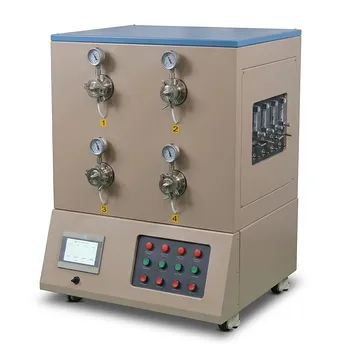
High Throughput 1200C Four Channel Tube Furnace with 3 Inch Quartz Tubes for Multi Zone Annealing and Material Research

1200C High Throughput Multi Channel Tube Furnace with 50mm Quartz Tubes for Annealing and Material Phase Diagram Research
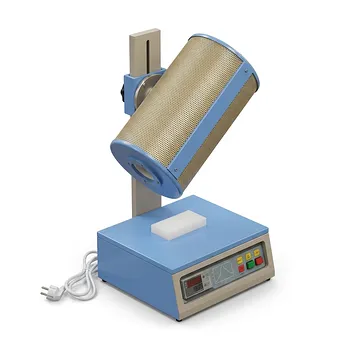
1100°C Vertical Laboratory Furnace for DIY Tubular Reactors with PID Temperature Controller
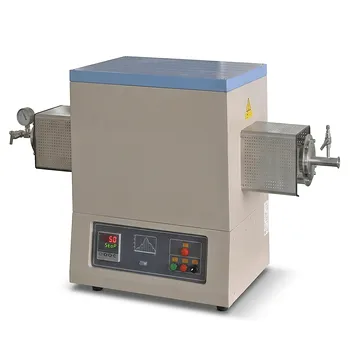
High Temperature 1700C Tube Furnace with 4 Inch OD Alumina Tube and Vacuum Sealing Flanges
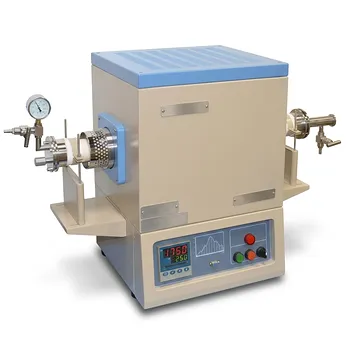
High Temperature Compact Vacuum Tube Furnace 1750C Max 60mm OD Alumina Tube
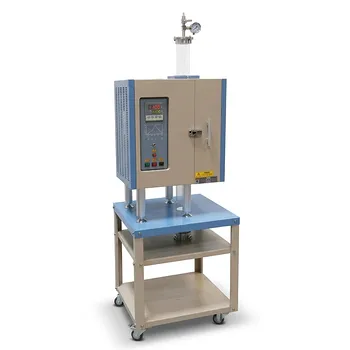
1100°C Split Vertical Tube Furnace with 80mm Quartz Tube and Stainless Steel Vacuum Flanges
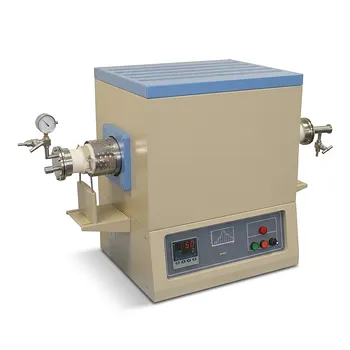
1700C High Temperature Alumina Tube Furnace with 18 Inch Heated Zone and Vacuum Sealing Flanges

High Temperature 1700C Benchtop Tube Furnace with 5 Inch Heating Zone High Purity Alumina Tube and Vacuum Sealing Flanges
