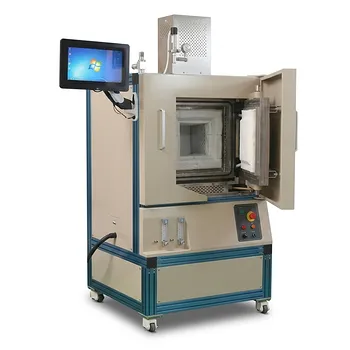
What are the advantages of FeCrAl heating coils in UHS? Simplify sintering and ensure high material purity.
Updated 3 months ago
Iron-chromium-aluminum (FeCrAl) alloy heating coils provide a critical leap in UHS performance by enabling high-temperature stability in open-air environments. By utilizing these alloys, manufacturers can eliminate the complex vacuum or inert gas systems required by carbon-based elements. This shift not only protects the chemical integrity of the sintered material but also significantly streamlines the production workflow.
FeCrAl alloy coils transform ultra-fast high-temperature sintering (UHS) into a scalable industrial process by removing the need for controlled atmospheres and preventing the chemical contamination inherent to carbon-based heating elements.
Elimination of Atmospheric Constraints
Transitioning to Ambient Air Sintering
The most immediate advantage of FeCrAl alloy coils is their exceptional high-temperature oxidation resistance. Unlike carbonaceous materials, which oxidize and degrade rapidly in the presence of oxygen, FeCrAl remains stable at the extreme temperatures required for UHS.
This stability allows the sintering process to be performed directly in ambient air. It removes the logistical and financial burden of maintaining argon, nitrogen, or vacuum environments, which are mandatory when using carbon-based heaters.
Simplification of Device Architecture
Because FeCrAl does not require an airtight chamber, the physical design of the UHS device becomes significantly less complex. This reduction in hardware complexity leads to lower maintenance requirements and a smaller equipment footprint.
The ability to operate without specialized seals and gas delivery systems facilitates an easier transition from laboratory-scale experiments to industrial-scale production lines.
Preservation of Material Purity
Preventing Electrolyte Contamination
Carbon-based heating elements are inherently reactive, often leading to unwanted chemical interactions with the sample, particularly in solid-state electrolyte sintering. FeCrAl coils are chemically inert relative to most electrolytes, preventing surface contamination during the rapid heating cycle.
By eliminating carbon vapors and particulates, the alloy coils ensure that the sintered product maintains its intended stoichiometric balance. This is vital for maintaining high ionic conductivity in battery components.
Mitigation of Oxygen Vacancies
In many ceramic and electrolyte materials, exposure to carbon at high temperatures can trigger the formation of oxygen vacancies. These defects can degrade the mechanical and electrochemical properties of the final product.
FeCrAl heating elements maintain a stable environment that prevents this reduction process. This results in a higher-quality micro-structure and more predictable performance in the finished material.
Understanding the Trade-offs
Temperature Limits and Longevity
While FeCrAl alloys excel in air, they have specific thermal limits compared to some carbon-based composites. Operating near the absolute melting point of the alloy for extended periods can lead to coil sagging or reduced service life if not properly supported.
Material Compatibility
Although FeCrAl prevents carbon-related contamination, users must still ensure that the specific alloy chemistry does not react with unique volatile components of their sample at ultra-high temperatures. Routine inspection of the protective oxide layer on the coils is necessary to ensure continued performance.
How to Apply This to Your Project
When integrating FeCrAl alloy coils into your UHS workflow, consider your primary objective to determine the best configuration.
- If your primary focus is reducing operational costs: Transitioning to FeCrAl allows you to decommission expensive inert gas infrastructures and simplify your maintenance schedule.
- If your primary focus is material performance: Use FeCrAl to eliminate oxygen vacancies and surface impurities in solid-state electrolytes, ensuring higher ionic conductivity.
- If your primary focus is high-throughput scaling: Leverage the air-stable nature of FeCrAl to design continuous-feed UHS systems that are not restricted by batch-processing vacuum chambers.
By choosing FeCrAl alloy coils, you effectively decouple high-temperature sintering from atmospheric limitations, paving the way for faster, cleaner, and more efficient material manufacturing.
Summary Table:
Comparison: FeCrAl Alloy vs. Carbon-Based Heating Elements in UHS
| Feature | FeCrAl Alloy Coils | Carbon-Based Materials | Impact on UHS Process |
|---|---|---|---|
| Atmospheric Requirement | Ambient Air (Oxidation Resistant) | Vacuum or Inert Gas Required | Reduces hardware complexity and operating costs. |
| Chemical Stability | Highly Inert (prevents vacancies) | Reactive (causes contamination) | Ensures stoichiometric balance and material purity. |
| Device Architecture | Simple, open-frame design | Complex, airtight chamber | Facilitates scaling from lab to industrial production. |
| Sintering Quality | Prevents oxygen vacancies | Risk of reduction/defects | Improves ionic conductivity and mechanical properties. |
Unlock the Future of Material Science with THERMUNITS
Ready to scale your ultra-fast high-temperature sintering (UHS) capabilities? THERMUNITS is a leading manufacturer of high-performance laboratory heat treatment equipment. We specialize in providing the precision and reliability required for advanced industrial R&D and material synthesis.
Whether you need customized Tube, Muffle, Vacuum, or Atmosphere furnaces, or specialized systems like CVD/PECVD, Vacuum Induction Melting (VIM), and Hot Press furnaces, our technical experts are here to help you optimize your thermal processing workflow.
Enhance your lab’s efficiency and material quality today.
References
- Lin Lin, Kelsey B. Hatzell. Polymorphism control of fast-sintered NASICON-type LiZr<sub>2</sub>(PO<sub>4</sub>)<sub>3</sub>. DOI: 10.1039/d4ta04507f
Mentioned Products
- Five Side Heating Muffle Furnace High Purity Alumina Fiber 27L Chamber 1200C High Temperature Thermal Processing System for Sintering Annealing and Materials Research
- High Temperature 1800C Compact Muffle Furnace with Kanthal Super 1900 Heating Elements and 1.7L Alumina Chamber
- Induction Heating System with Temperature Control for High Temperature Vacuum Sintering and Melting
- Compact High Temperature 1600C Tube Furnace with 50mm Alumina Tube and Vacuum Flanges for Material Sintering
- High Temperature Muffle Furnace with Alloy Chamber for Debinding and Sintering Applications
People Also Ask
- What are the typical operating temperature ranges for standard and advanced muffle furnaces? Expert Temperature Guide.
- In what ways do muffle furnaces support aerospace and advanced materials testing? Essential High-Temp Validation Tools
- How does the heating mechanism of a muffle furnace differ from that of an open-flame furnace? Indirect vs Direct Heat
- What is the role of the muffle furnace in h-BN precursor preparation? Optimize Morphology and Chemical Purity.
- Why is the muffle design advantageous for the production of ceramics and glass? Ensure Purity and Structural Integrity

Tech Team · ThermUnits
Last updated on Jun 02, 2026
Related Products
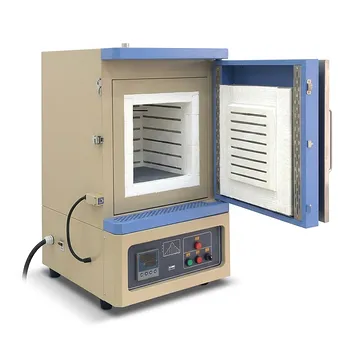
Five Side Heating Muffle Furnace High Purity Alumina Fiber 27L Chamber 1200C High Temperature Thermal Processing System for Sintering Annealing and Materials Research
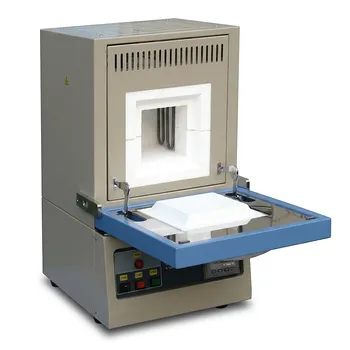
High Temperature 1800C Compact Muffle Furnace with Kanthal Super 1900 Heating Elements and 1.7L Alumina Chamber
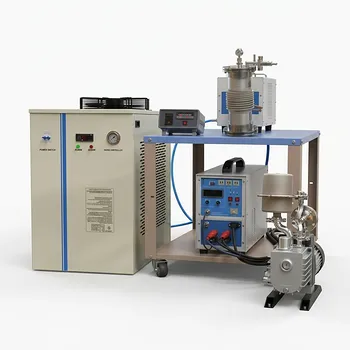
Induction Heating System with Temperature Control for High Temperature Vacuum Sintering and Melting

Compact High Temperature 1600C Tube Furnace with 50mm Alumina Tube and Vacuum Flanges for Material Sintering
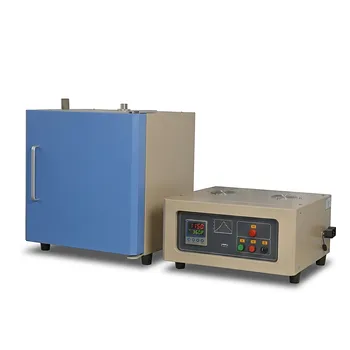
High Temperature Muffle Furnace with Alloy Chamber for Debinding and Sintering Applications
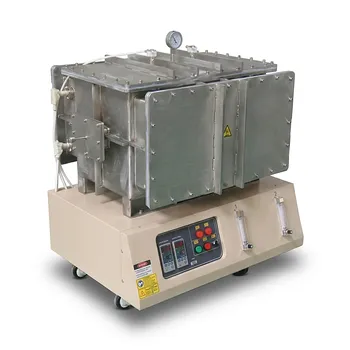
1500°C Atmosphere Controlled Rapid Heating Furnace for Material Science and Battery Powder Sintering
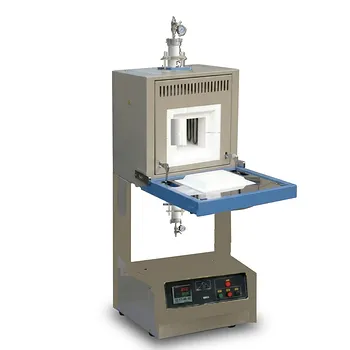
High Temperature Vertical Hybrid Furnace with Alumina Tube and SiC Heating for SOFC Coin Cell Testing and Atmosphere Processing
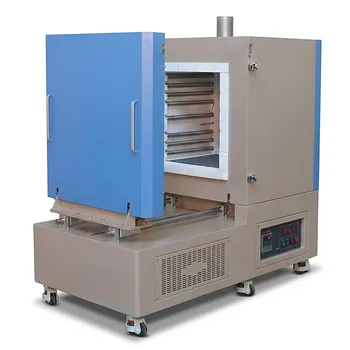
1200C Five Side Heating Muffle Furnace with Sliding Door 125L Volume High Temperature Heat Treatment System for Large Scale Sintering and Annealing
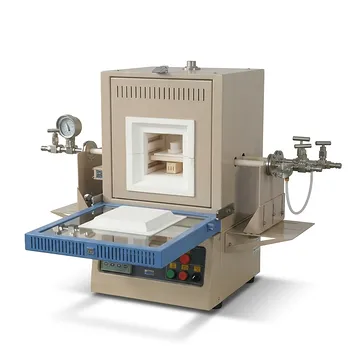
1700C Compact Hybrid Furnace with Dual Layer Box Sintering and Controlled Atmosphere Alumina Tubes
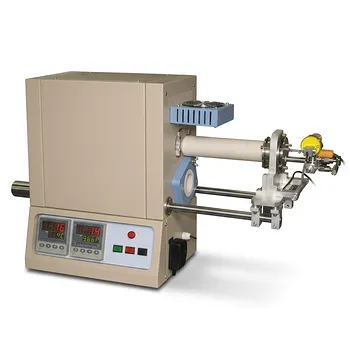
High Temperature Tube Furnace 1500C with Sliding Flanges and 50mm OD for Rapid Thermal Processing Fast Heating and Cooling
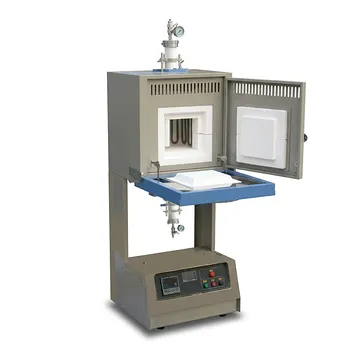
Vertical Hybrid High Temperature Furnace 1500C Alumina Tube SOFC Fuel Cell Testing Laboratory Heat Treatment Research Equipment
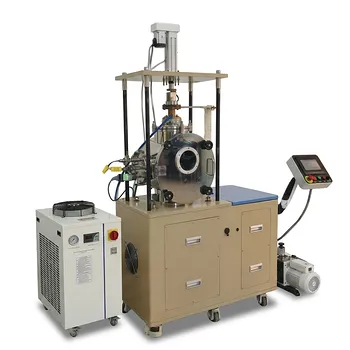
Compact Spark Plasma Sintering SPS Furnace 1200 C Max 100 MPa Pressure High Speed Sintering System for Material Research

High Temperature 1700C Benchtop Tube Furnace with 5 Inch Heating Zone High Purity Alumina Tube and Vacuum Sealing Flanges
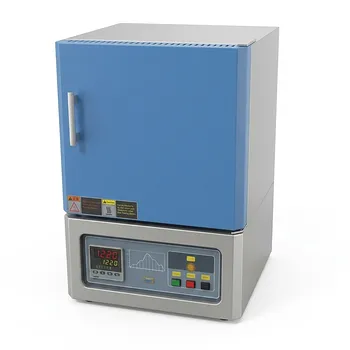
High Temperature Benchtop Muffle Furnace 1700C 10L Chamber Alumina Fiber Insulation MoSi2 Heating Elements
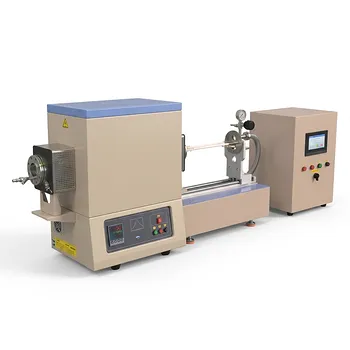
High Temperature Horizontal Electrical Assisted Sintering Furnace with 3KW Programmable Power Source for Advanced Ceramic Materials
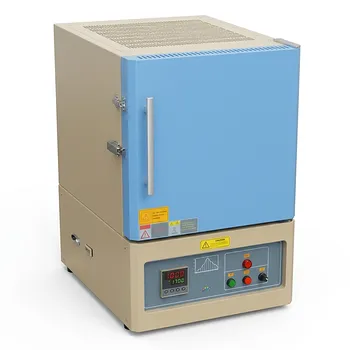
Large Bench Top 1700C High Temperature Muffle Furnace with 19L Chamber for Advanced Material Sintering and Annealing

1800C High Temperature Compact Vacuum Tube Furnace with 60mm OD Alumina Tube and Kanthal MoSi2 Heating Elements
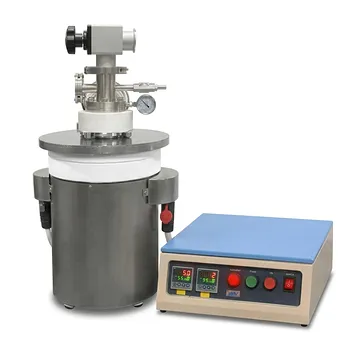
1100C High Temperature Vacuum Crucible Furnace with Quartz Chamber for Thermal Processing and Sintering
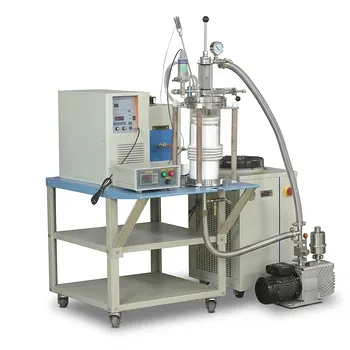
15KW 1700C Max Induction Heater 6 Inch Tube with Dose Feeding and Melt Stirring Function