What are the technical advantages of using a High-temperature Horizontal Tube Furnace for graphitization between 1300°C and 1500°C? Enhance Crystallinity
Updated 3 months ago
The technical foundation of high-performance graphitization lies in precise thermal and atmospheric control. A high-temperature horizontal tube furnace provides the stable environment required for catalytic graphitization by ensuring precise temperature control and superior thermal field uniformity. This setup facilitates the efficient transformation of amorphous carbon into ordered graphite structures while directly influencing the development of the material's pore architecture.
The horizontal tube furnace is the optimal tool for graphitization because it creates a controlled, inert micro-environment that balances ultra-high temperatures with precise gas dynamics. This combination ensures uniform crystalline growth and consistent material properties that are impossible to achieve in less specialized heating systems.
Precision Thermal Control for Structural Evolution
Maintaining Thermal Field Uniformity
The horizontal configuration is specifically engineered to provide a highly uniform thermal field across the processing zone. This ensures that every portion of the carbon and catalyst mixture (such as Ni-Zn-B) experiences identical heat energy.
Uniform heating prevents localized structural inconsistencies. This is vital for achieving a high degree of graphite crystallinity across the entire batch.
Accurate Temperature Ramp and Retention
Controlling the heating rate—often between 5°C/min and 20°C/min—is critical for managing the kinetics of graphitization. The tube furnace allows for exact terminal temperatures and specific retention times.
These parameters drive the rearrangement of carbon atoms into long-range ordered structures. Without this precision, the material may fail to reach the desired level of graphitization within the 1300°C to 1500°C window.
Atmospheric Management and Material Integrity
Creation of an Inert Protective Environment
By injecting high-purity nitrogen (N2) or other inert gases, the furnace maintains a strictly oxygen-free zone. This prevents the carbon precursors from reacting with oxygen at high temperatures.
An inert atmosphere is essential to prevent material loss through combustion. It ensures that the carbon precursor is successfully converted rather than consumed by oxidation.
Removal of Volatiles and Byproducts
The continuous flow design of a tube furnace facilitates the rapid removal of water vapor and volatile chemical components. This is achieved by maintaining a consistent gas sweep over the material.
By keeping the partial pressure of gaseous byproducts low, the furnace drives the chemical equilibrium toward the desired state. This promotes the production of high-purity carbon with stable, predictable structures.
Enhancing Catalytic Efficiency and Porosity
Facilitating Catalytic Graphitization
The stable high-heat environment is essential for the activation of catalysts like Ni-Zn-B. These catalysts lower the energy barrier required for the amorphous-to-crystalline transition.
Within the 1300°C to 1500°C range, the furnace ensures the catalyst and phenolic resin carbon interact evenly. This synergy is what allows for the formation of high-quality graphite at lower temperatures than traditional non-catalytic methods.
Fine-Tuning Pore Structure
The thermal conditions within the furnace directly dictate the evolution of the pore structure. High-temperature treatment effectively removes volatiles and facilitates intense pore formation.
This capability is critical for optimizing the specific surface area of the resulting graphitized carbon. It allows researchers to tailor the material for specific applications, such as high-performance energy storage.
Understanding the Trade-offs
Limitations in Throughput and Scaling
Horizontal tube furnaces are primarily designed for batch processing, which can limit total volume compared to continuous industrial kilns. Achieving high throughput requires careful consideration of tube diameter and material bed thickness.
Component Degradation and Maintenance
Operating at sustained temperatures up to 1500°C places significant stress on the furnace tube and vacuum seals. Over time, high-heat cycles can lead to thermal fatigue or seal failure.
Regular monitoring and the use of graphite linings are often necessary to protect the furnace from corrosive vapors. Maintenance of the heating elements is essential to ensure the thermal field remains uniform over the long term.
How to Apply This to Your Graphitization Project
- If your primary focus is maximum crystallinity: Prioritize a furnace with high-purity nitrogen flow and a stable heating rate to ensure the long-range ordering of carbon atoms.
- If your primary focus is specific surface area: Focus on precise control of the terminal temperature and retention time to manage the evolution of the material's pore structure.
- If your primary focus is material purity: Select a furnace with a graphite lining to prevent tube corrosion and maintain a high-purity reducing atmosphere during synthesis.
Utilizing a horizontal tube furnace ensures that your graphitization process is defined by technical precision and material consistency rather than environmental variables.
Summary Table:
| Technical Advantage | Functional Impact | Material Benefit |
|---|---|---|
| Uniform Thermal Field | Consistent heat energy distribution | High graphite crystallinity & uniformity |
| Inert Atmosphere Control | Prevents oxidation & material loss | High-purity carbon with stable structure |
| Precise Ramp Rates | Managed atom rearrangement kinetics | Optimized ordered crystalline growth |
| Volatile Removal | Rapid sweep of gaseous byproducts | Precise pore architecture & surface area |
| Catalytic Synergy | Stable activation of Ni-Zn-B etc. | Efficient graphitization at lower temperatures |
Elevate Your Material Research with THERMUNITS
Precision in graphitization requires more than just heat—it requires a partner who understands thermal dynamics. THERMUNITS is a leading manufacturer specializing in high-performance laboratory equipment for material science and industrial R&D.
Whether you are fine-tuning pore structures or maximizing crystallinity, our comprehensive range of thermal solutions—including Tube Furnaces, Vacuum/Atmosphere Furnaces, CVD/PECVD systems, and Rotary Kilns—provides the reliability and control your research demands.
Ready to optimize your heat treatment process? Contact our technical experts today to discuss how THERMUNITS can provide the customized furnace solution for your specific graphitization or high-temperature project.
References
- Qiangqiang Ren, Hongmin Yang. Analysis and Joint Correlation Models on Pore Structures of Graphitized Phenolic Resin Char Under Ni-Zn-B Catalytic Effect. DOI: 10.3390/pr13010014
Mentioned Products
- High Temperature Tube Furnace 1500C with Sliding Flanges and 50mm OD for Rapid Thermal Processing Fast Heating and Cooling
- High Temperature 1700C Vertical Tube Furnace for Powder Spherification and Material Sintering
- Ultra High Temperature 2300C Induction Heated Graphite Tube Furnace with Infrared Control
- High Temperature Vacuum Graphitization Chamber Furnace 2800C Graphite Heating Elements Bottom Loading
- High Temperature 1700C Vertical Split Tube Furnace for Material Quenching and Single Crystal Growth
People Also Ask
- How are high-temperature tube furnaces utilized to repair etching damage? Precision Lattice Restoration Solutions
- What role does a high-temperature tube furnace play in CVD synthesis of silicon nanowires? Master VLS Growth Precision.
- What core conditions does a high-temperature tube furnace provide for rGO aerogels? Mastering Precision Synthesis.
- What role does a high-temperature tube furnace play in the sulfidation heat treatment of CoS@C/MXene nanocomposites? Guide
- How does precision tube furnace control influence CoFe nanoparticle formation? Master Your Bimetallic Synthesis.

Tech Team · ThermUnits
Last updated on Jun 03, 2026
Related Products

High Temperature Tube Furnace 1500C with Sliding Flanges and 50mm OD for Rapid Thermal Processing Fast Heating and Cooling

High Temperature 1700C Vertical Tube Furnace for Powder Spherification and Material Sintering
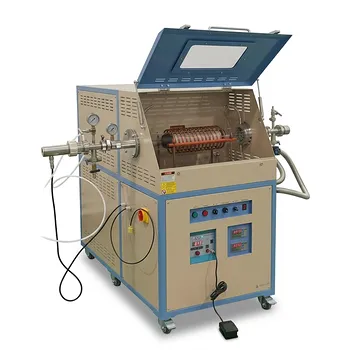
Ultra High Temperature 2300C Induction Heated Graphite Tube Furnace with Infrared Control
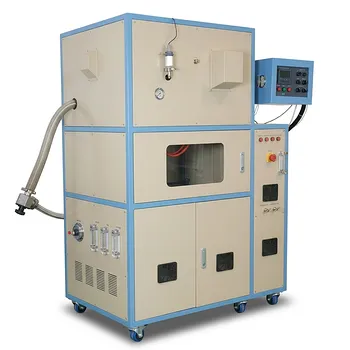
High Temperature Vacuum Graphitization Chamber Furnace 2800C Graphite Heating Elements Bottom Loading
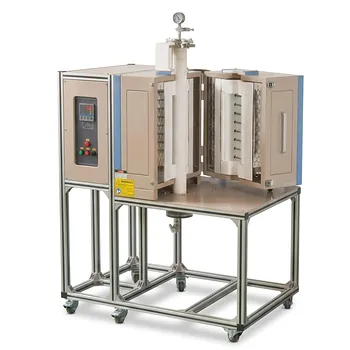
High Temperature 1700C Vertical Split Tube Furnace for Material Quenching and Single Crystal Growth
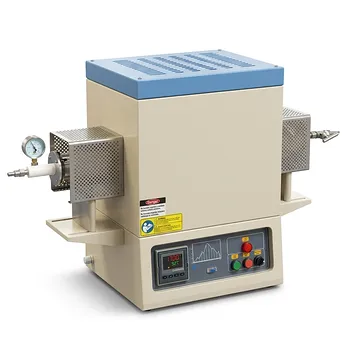
High Temperature Three Zone Tube Furnace 1700C with Alumina Tube and Water Cooled Flanges
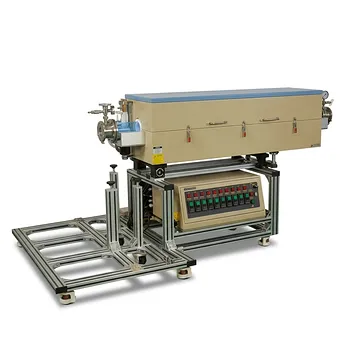
Ten Zone Multi Orientation Laboratory Tube Furnace for 1200C High Temperature Gradient Thermal Processing
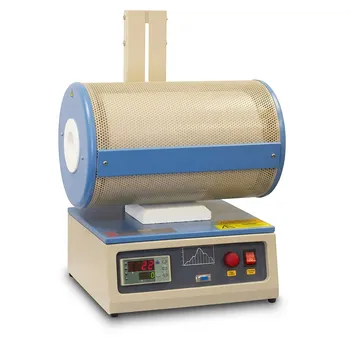
Multi Position Tube Furnace 1100C for Laboratory Material Research and Advanced Industrial Thermal Processing

High Temperature 1700C Benchtop Tube Furnace with 5 Inch Heating Zone High Purity Alumina Tube and Vacuum Sealing Flanges
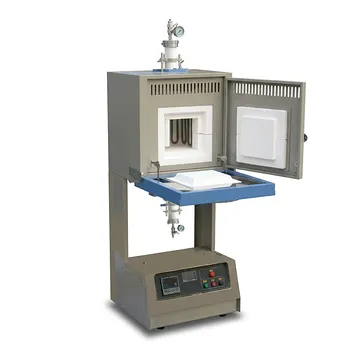
Vertical Hybrid High Temperature Furnace 1500C Alumina Tube SOFC Fuel Cell Testing Laboratory Heat Treatment Research Equipment
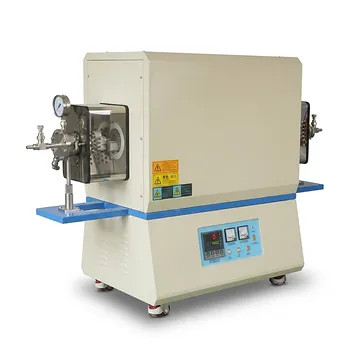
High Temperature 1800C Atmosphere Tube Furnace for CVD Research and Vacuum Sintering Precision Heat Treatment
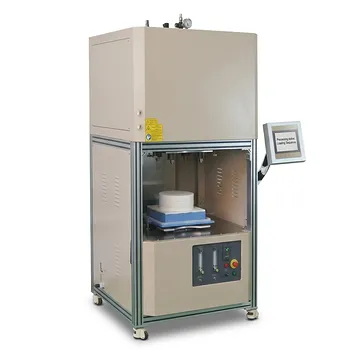
High Temperature Vertical Atmosphere Controlled Furnace with Automatic Bottom Loading and 1700°C Capacity for Advanced Material Research

High Temperature 1700C Tube Furnace with High Vacuum Turbomolecular Pump System and Multi Channel Mass Flow Controller Gas Mixer
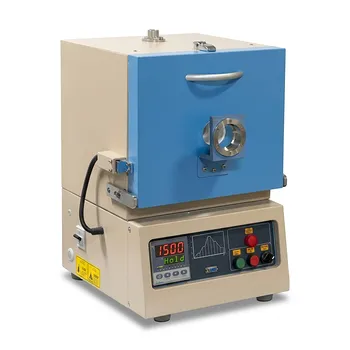
1500C Hybrid Muffle Tube Furnace 1.7L Box with 2 Inch Mullite Tube and Programmable PID Controller

Vertical 1700C Vacuum and Atmosphere Tube Furnace with 80mm Alumina Tube
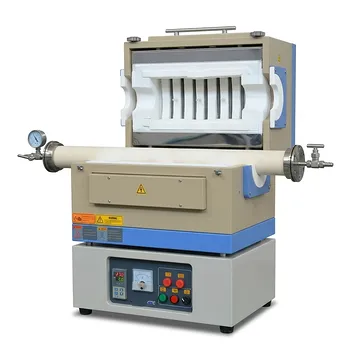
High Temperature 1600C Split Tube Furnace Vacuum Flanges Valves Optional 60mm 80mm Alumina Tube
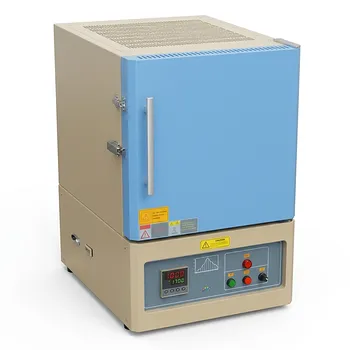
Large Bench Top 1700C High Temperature Muffle Furnace with 19L Chamber for Advanced Material Sintering and Annealing
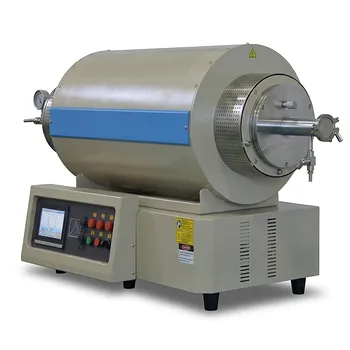
1200C Max Three Zone Tube Furnace 6 Inch OD Max with Tube and Flange
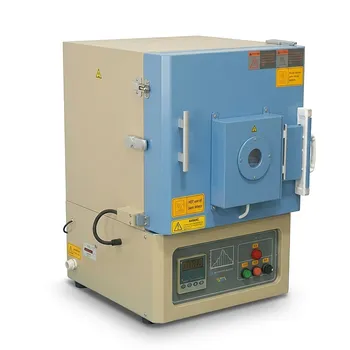
High Temperature Benchtop Muffle Furnace 1500C with 3.6L Chamber and Quartz Observation Window
