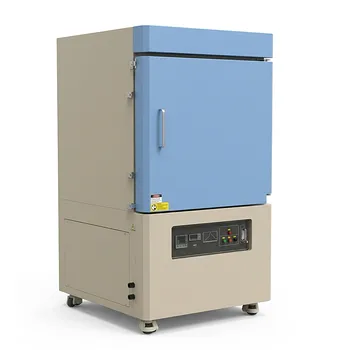
What critical conditions does a high-temperature electric heating furnace provide for rice husk ash melting research?
Updated 3 months ago
High-temperature electric heating furnaces are essential for identifying the precise thermal limits and phase transitions of rice husk ash.
These furnaces provide a stable, uniformly distributed thermal field capable of reaching extreme temperatures, often up to 1,450°C. This controlled environment allows researchers to simulate the conditions under which rice husk ash (RHA) transitions from a solid to a molten phase, enabling the identification of critical thresholds where particle agglomeration and decreased collection efficiency occur.
The primary value of a high-temperature furnace in this context is its ability to provide a uniform thermal environment for analyzing silica-metal oxide interactions. This control is vital for determining the specific temperatures where ash transitions from a reactive, amorphous state to a fused or molten state.
Precision Control of the Thermal Environment
Uniform Thermal Field Distribution
A high-temperature electric furnace ensures that heat is distributed evenly throughout the heating chamber. This uniformity is critical because "hot spots" can cause localized melting or premature crystallization, which would lead to inaccurate data regarding the ash's actual softening point.
Extreme Temperature Capabilities
To study melting behavior effectively, the furnace must exceed standard combustion temperatures, often reaching 1,450°C. This range allows researchers to observe the full spectrum of ash transformation, from initial softening to complete liquid phase formation.
Dynamic Interaction Observation
The furnace provides a platform to study the complex chemical interactions between silica (SiO2) and various metal oxides. These interactions are the primary drivers of ash melting and the formation of needle-like mullite crystals or glass phases at high temperatures.
Managing Phase Transitions and Microstructure
Managing the Amorphous to Crystalline Shift
While melting research focuses on high temperatures, the furnace's ability to regulate the transition from an amorphous state to crystalline phases (like cristobalite or quartz) is vital. Precise temperature regulation determines whether the silica remains reactive or becomes an inert, fused mass.
Controlling Heating Rates and Thermal Stress
By setting specific heating rates, such as 300–400°C/h, researchers can manage the escape velocity of organic volatiles. This control prevents excessive fragmentation and allows for the study of how the honeycomb structure of the ash survives or collapses as it approaches melting temperatures.
Quantification of Thermal Stability
High-power furnaces allow for Loss on Ignition (LOI) testing, typically at 950°C. This process thoroughly oxidizes residual carbon, providing a "clean" sample of ash so that melting behavior observations are not skewed by unburnt organic matter.
Understanding the Trade-offs
Reactivity vs. Fusion
There is a fundamental trade-off between studying the melting behavior and preserving the pozzolanic reactivity of the ash. Temperatures required to study melting (above 800-1,000°C) inevitably destroy the amorphous structure and high surface area required for use in green cement or alkaline activators.
Static vs. Dynamic Environments
Most high-temperature electric furnaces provide a static environment. While this is excellent for precision and repeatability, it may not perfectly simulate the dynamic, turbulent conditions inside an industrial boiler where ash particles are in constant motion.
Crystallization Risks
Exceeding the 700°C threshold initiates silica crystallization. While necessary for studying melting, this transition significantly alters the chemical profile of the ash, making the findings less applicable to low-temperature industrial processes.
Applying Research Findings to Your Objectives
How to Apply This to Your Project
To get the most out of high-temperature furnace research, you must align the furnace settings with your specific endgame for the rice husk ash.
- If your primary focus is industrial boiler efficiency: Utilize temperatures up to 1,450°C to map the "slagging" zones where ash becomes sticky and reduces collection efficiency.
- If your primary focus is producing reactive cementitious materials: Strictly limit the furnace temperature to the 600–700°C range to prevent crystallization and maintain an amorphous silica state.
- If your primary focus is material synthesis (like porcelain): Target temperatures around 1,200°C to facilitate the liquid phase reactions and densification required for stable chemical structures.
By masterfully controlling the thermal field, you transform rice husk ash from a simple agricultural byproduct into a highly engineered technical material.
Summary Table:
| Feature | Research Benefit | Key Application |
|---|---|---|
| Uniform Thermal Field | Prevents localized melting & inaccurate data | Softening point identification |
| High Temp (up to 1,450°C) | Simulates extreme solid-to-liquid transitions | Industrial boiler slagging mapping |
| Precise Heating Rates | Manages volatile escape & thermal stress | Honeycomb structure preservation |
| Phase Regulation | Controls amorphous to crystalline shift | Optimizing pozzolanic reactivity |
| LOI Testing (950°C) | Ensures complete carbon oxidation | Pure silica chemical profiling |
Elevate Your Material Science Research with THERMUNITS
Are you conducting advanced research on rice husk ash, phase transitions, or industrial slagging? THERMUNITS is a leading manufacturer dedicated to providing high-performance thermal processing solutions for material science and industrial R&D. We understand that precision is the foundation of innovation.
Whether your project requires precise temperature uniformity for melting point analysis or specific atmospheric control for complex chemical synthesis, we offer a comprehensive range of equipment designed for accuracy and durability, including:
- Laboratory Furnaces: Muffle, Tube, Vacuum, Atmosphere, and Dental Furnaces.
- Advanced Systems: CVD/PECVD systems, Hot Press Furnaces, and Rotary Furnaces.
- Industrial R&D: Electric Rotary Kilns and Vacuum Induction Melting (VIM) Furnaces.
- Components: High-quality Thermal Elements for consistent performance.
Partner with THERMUNITS to achieve unparalleled precision in your heat treatment processes. Our expert team is ready to help you select or customize the ideal furnace tailored to your specific research objectives.
Contact THERMUNITS Today to Expert Consultation
References
- Samarthkumar Pachchigar, Marcus Öhman. Ash Formation during Combustion of Rice Husks in Entrained Flow Conversion Conditions. DOI: 10.1021/acs.energyfuels.4c01413
Mentioned Products
- High Temperature Tube Furnace 1500C with Sliding Flanges and 50mm OD for Rapid Thermal Processing Fast Heating and Cooling
- Ultra High Temperature Induction Heated Vacuum Furnace with Molten Salt Electrolysis Capability and 3000 Degree Precision Control
- High Temperature Horizontal Electrical Assisted Sintering Furnace with 3KW Programmable Power Source for Advanced Ceramic Materials
- High Temperature Vertical Crucible Furnace with 22L Heating Chamber and 1200C Maximum Temperature
- 1200C Five Side Heating Muffle Furnace with Sliding Door 125L Volume High Temperature Heat Treatment System for Large Scale Sintering and Annealing
People Also Ask
- How are high-temperature tube furnaces utilized to repair etching damage? Precision Lattice Restoration Solutions
- What role does a high-temperature tube furnace play in CVD synthesis of silicon nanowires? Master VLS Growth Precision.
- What core conditions does a high-temperature tube furnace provide for rGO aerogels? Mastering Precision Synthesis.
- What role does a high-temperature tube furnace play in the sulfidation heat treatment of CoS@C/MXene nanocomposites? Guide
- How does precision tube furnace control influence CoFe nanoparticle formation? Master Your Bimetallic Synthesis.

Tech Team · ThermUnits
Last updated on Jun 03, 2026
Related Products
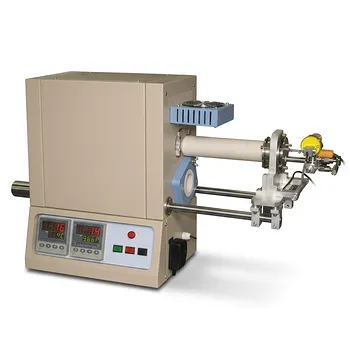
High Temperature Tube Furnace 1500C with Sliding Flanges and 50mm OD for Rapid Thermal Processing Fast Heating and Cooling
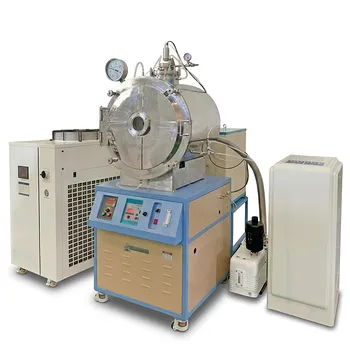
Ultra High Temperature Induction Heated Vacuum Furnace with Molten Salt Electrolysis Capability and 3000 Degree Precision Control
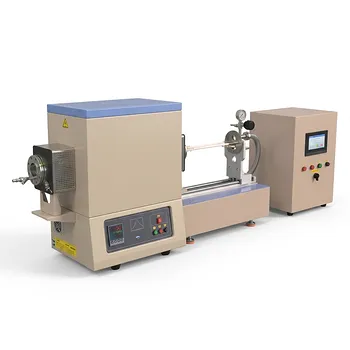
High Temperature Horizontal Electrical Assisted Sintering Furnace with 3KW Programmable Power Source for Advanced Ceramic Materials
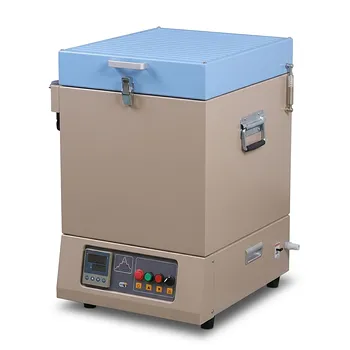
High Temperature Vertical Crucible Furnace with 22L Heating Chamber and 1200C Maximum Temperature
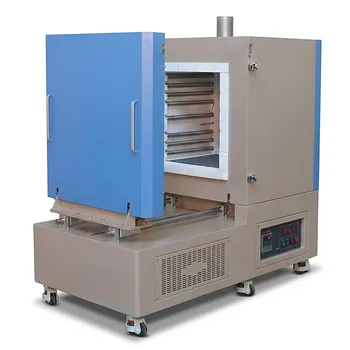
1200C Five Side Heating Muffle Furnace with Sliding Door 125L Volume High Temperature Heat Treatment System for Large Scale Sintering and Annealing
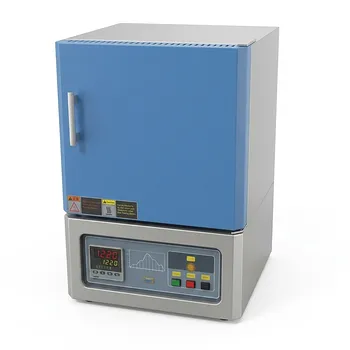
High Temperature Benchtop Muffle Furnace 1700C 10L Chamber Alumina Fiber Insulation MoSi2 Heating Elements
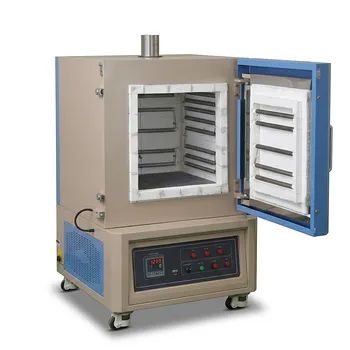
1200C High Temperature 125L Muffle Furnace 5 Side Heating for Large Batch Sintering with Optional Alloy Debinding Chamber
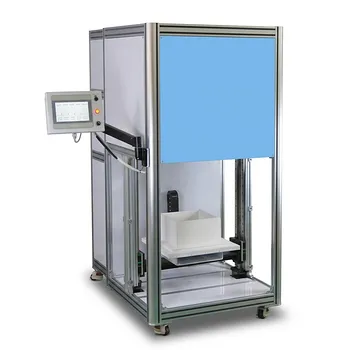
High Temperature 1600°C Three Zone Heated Bottom Loading Box Furnace with Rapid Thermal Processing Chamber 72L Volume

High Temperature 1700C Tube Furnace with High Vacuum Turbomolecular Pump System and Multi Channel Mass Flow Controller Gas Mixer
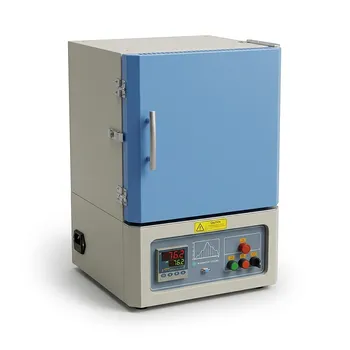
1750C Bench Top Muffle Furnace 3.6L High Grade Molybdenum Disilicide Heating Elements Laboratory Heat Treatment Equipment
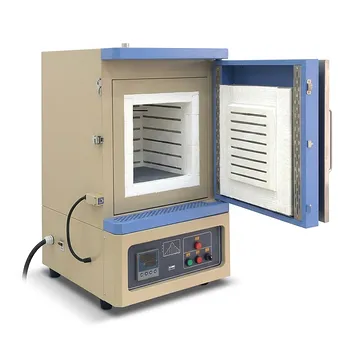
Five Side Heating Muffle Furnace High Purity Alumina Fiber 27L Chamber 1200C High Temperature Thermal Processing System for Sintering Annealing and Materials Research
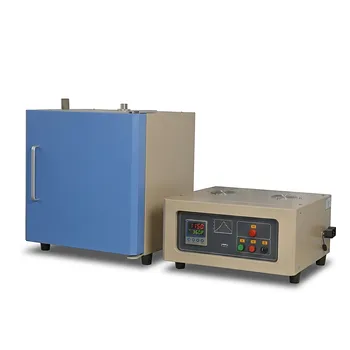
High Temperature Muffle Furnace with Alloy Chamber for Debinding and Sintering Applications
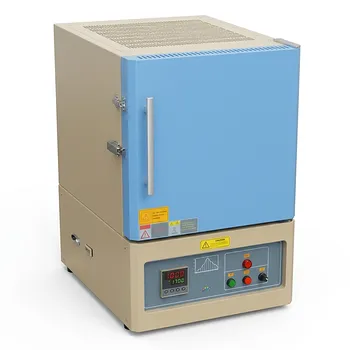
Large Bench Top 1700C High Temperature Muffle Furnace with 19L Chamber for Advanced Material Sintering and Annealing
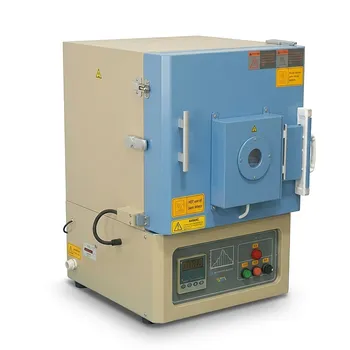
High Temperature Benchtop Muffle Furnace 1500C with 3.6L Chamber and Quartz Observation Window
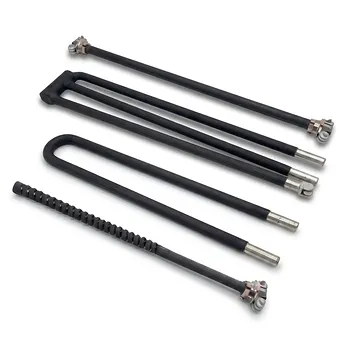
Silicon Carbide SiC Thermal Heating Elements for Industrial Electric Furnaces
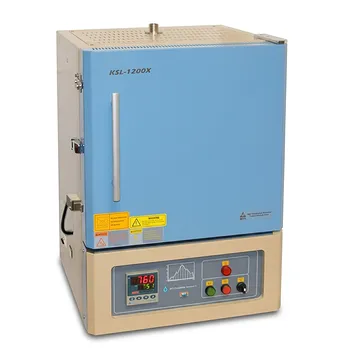
High Temperature 1200C Muffle Furnace 27L Volume 12x12x12 Chamber with Programmable PID Controller for Laboratory Material Science
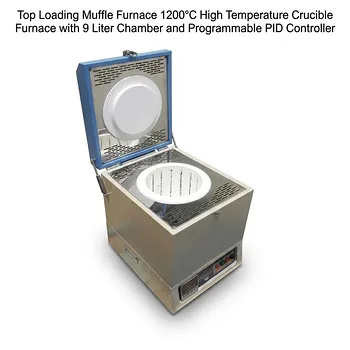
Top Loading Muffle Furnace 1200°C High Temperature Crucible Furnace with 9 Liter Chamber and Programmable PID Controller
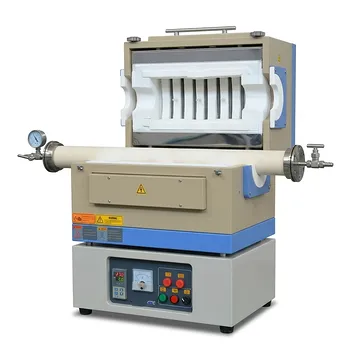
High Temperature 1600C Split Tube Furnace Vacuum Flanges Valves Optional 60mm 80mm Alumina Tube
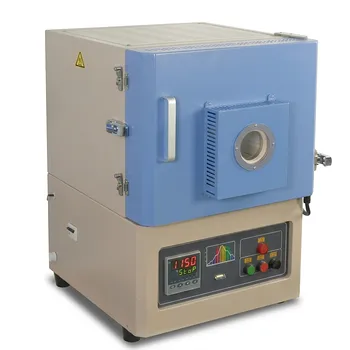
High Temperature Benchtop Muffle Furnace with Quartz Observation Window for Thermal Imaging and Material Analysis