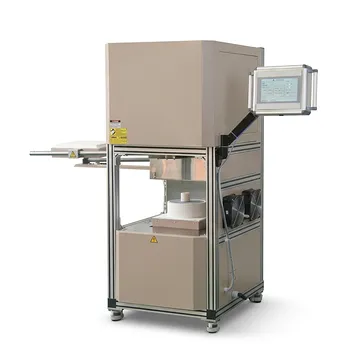
What experimental conditions does a high-temperature laboratory furnace provide for soil LOI? Master Precision 550°C Tests
Updated 3 months ago
The experimental conditions for the Loss on Ignition (LOI) analysis of soil require a high-temperature laboratory furnace to maintain a constant temperature of 550°C for exactly 12 hours. This specific environment ensures the full combustion of organic components, which is critical for isolating organic carbon from the mineral matrix. By achieving this separation, researchers can accurately evaluate how natural organic matter influences plastic detection signals, particularly when calculating the Polyethylene (PE) overestimation factor.
Core Takeaway: A high-temperature furnace provides the controlled thermal environment (550°C for 12 hours) necessary to oxidize all organic matter in soil. This process is the foundation for distinguishing natural carbon from synthetic pollutants, ensuring the integrity of environmental plastic assessments.
The Role of Thermal Stability in Soil Analysis
Maintaining Temperature Precision
The furnace serves as a precision-controlled combustion chamber that must prevent temperature fluctuations during the 12-hour cycle. A steady 550°C is the industry standard for soil because it is high enough to combust organic carbon but low enough to avoid the significant breakdown of certain inorganic minerals.
The Importance of Extended Duration
The 12-hour duration is essential for ensuring that combustion is "full" rather than partial. This extended timeframe allows heat to penetrate the entirety of the soil sample, ensuring that residual unburnt carbon does not remain trapped within the sample’s internal structure.
Quantifying Organic Matter and Plastic Detection
Separating Organic Carbon Components
The primary goal of this furnace environment is to facilitate the separation of organic carbon components. By removing these components through combustion, the furnace allows for a clear comparison between the original sample and the post-ignition residue.
Calculating the PE Overestimation Factor
When combined with total carbon analysis, the data from the LOI process allows for a quantitative evaluation of natural organic matter. This is a vital step in environmental science to ensure that natural soil components are not mistakenly identified as Polyethylene (PE) during plastic detection assays.
Understanding the Trade-offs and Variable Conditions
Temperature vs. Material Type
While 550°C is standard for soil organic matter, other materials require significantly higher temperatures. For instance, Rice Husk Ash (RHA) and coal fly ash often require temperatures between 950°C and 1000°C to fully oxidize volatile pollutants or decompose stable minerals like carbonates.
Risk of Mineral Decomposition
A common pitfall in LOI analysis is setting the temperature too high for the specific target. While higher temperatures (950°C+) ensure total oxidation of carbon, they can also cause the decomposition of mineral carbonates, which may lead to an inaccurate "loss" measurement if the goal is strictly to measure organic content.
Equipment Accuracy and Digital Control
The use of digital temperature controllers is a critical factor in modern muffle furnaces. Without precise digital monitoring, measurement errors can occur, leading to inconsistent ignition delays or incomplete combustion of the mixed samples.
How to Apply These Conditions to Your Research
The appropriate furnace settings depend entirely on the material being tested and the specific data point you need to extract.
- If your primary focus is isolating organic matter in soil: Maintain a continuous temperature of 550°C for 12 hours to ensure full combustion without excessive mineral loss.
- If your primary focus is evaluating the purity of cementitious materials: Utilize a higher temperature range of 950°C to 1000°C to ensure all unburnt carbon and volatile pollutants are removed.
- If your primary focus is simulating industrial boiler conditions for fuel: Set the furnace to approximately 700°C to accurately test ignition delay and combustion duration for mixed fuels.
By strictly adhering to these thermal parameters, you ensure that the mass loss recorded is a true reflection of the sample's chemical composition rather than an experimental artifact.
Summary Table:
| Material Type | Target Temperature | Duration | Primary Analytical Goal |
|---|---|---|---|
| Soil (Organic Matter) | 550°C | 12 Hours | Complete combustion of organic carbon |
| Cement/Ash (RHA) | 950°C – 1000°C | Variable | Oxidation of volatile pollutants |
| Mixed Industrial Fuel | ~700°C | Variable | Simulation of industrial boiler conditions |
| Material Purity | >950°C | Variable | Decomposition of stable mineral carbonates |
Optimize Your Analytical Precision with THERMUNITS
Ensure the integrity of your material science research with high-performance thermal solutions. THERMUNITS is a leading manufacturer specializing in high-temperature laboratory equipment for industrial R&D and environmental analysis. Whether you require precise Muffle furnaces for soil LOI, Vacuum and Tube furnaces for advanced materials, or CVD/PECVD systems, our equipment delivers the thermal stability and digital control your lab demands.
Ready to upgrade your heat treatment capabilities? Contact THERMUNITS today for a custom solution
References
- Ryan Bartnick, Eva Lehndorff. Plastic Quantification and Polyethylene Overestimation in Agricultural Soil Using Large-Volume Pyrolysis and TD-GC-MS/MS. DOI: 10.1021/acs.est.3c10101
Mentioned Products
- 1750C Compact Muffle Furnace 1.7L Ultra High Temperature Laboratory Sintering System for Advanced Ceramics and Material Science Research
- High Temperature 1200C Muffle Furnace 27L Volume 12x12x12 Chamber with Programmable PID Controller for Laboratory Material Science
- Vertical Hybrid High Temperature Furnace 1500C Alumina Tube SOFC Fuel Cell Testing Laboratory Heat Treatment Research Equipment
- 1750C Bench Top Muffle Furnace 3.6L High Grade Molybdenum Disilicide Heating Elements Laboratory Heat Treatment Equipment
- High Temperature Benchtop Muffle Furnace with Quartz Observation Window for Thermal Imaging and Material Analysis
People Also Ask
- What role does a laboratory high-temperature muffle furnace play in the ash analysis phase of biomass co-firing research? [Guide]
- What is the function of a high-temp muffle furnace in Ni-V oxide synthesis? Optimize your material's performance.
- What role does a high-temperature muffle furnace play in the synthesis of Melem precursors? Precision Polymerization.
- What is the function of a high-temperature muffle furnace in phosphorus-modified zeolite catalyst preparation?
- What is the function of a muffle furnace in aluminoborosilicate glass prep? Stabilize Raw Materials for Superior Purity

Tech Team · ThermUnits
Last updated on Jun 02, 2026
Related Products
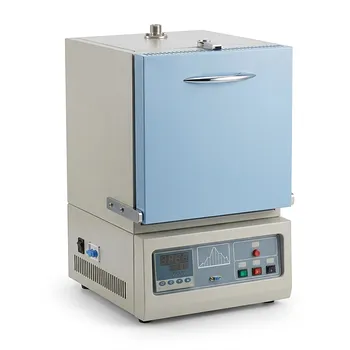
1750C Compact Muffle Furnace 1.7L Ultra High Temperature Laboratory Sintering System for Advanced Ceramics and Material Science Research
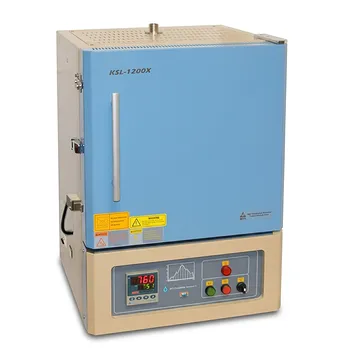
High Temperature 1200C Muffle Furnace 27L Volume 12x12x12 Chamber with Programmable PID Controller for Laboratory Material Science
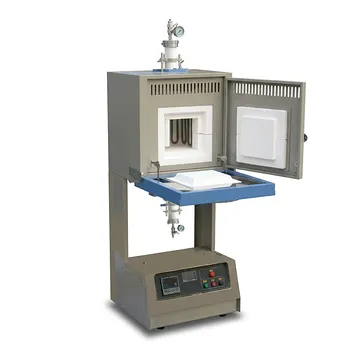
Vertical Hybrid High Temperature Furnace 1500C Alumina Tube SOFC Fuel Cell Testing Laboratory Heat Treatment Research Equipment
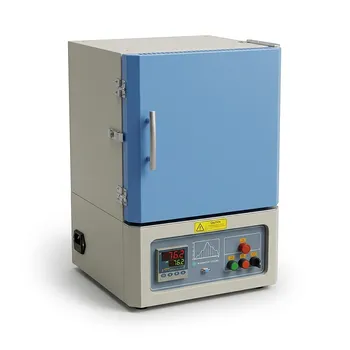
1750C Bench Top Muffle Furnace 3.6L High Grade Molybdenum Disilicide Heating Elements Laboratory Heat Treatment Equipment
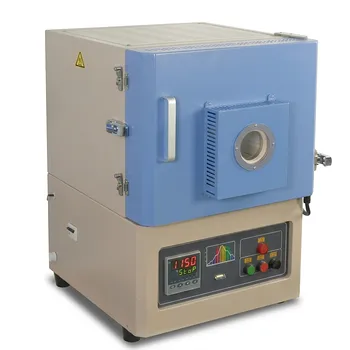
High Temperature Benchtop Muffle Furnace with Quartz Observation Window for Thermal Imaging and Material Analysis
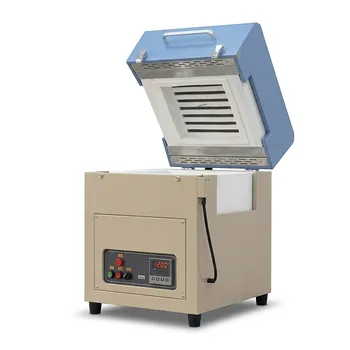
1200 C Maximum Three Sided Heating Top Loading Furnace with 12 x 12 x 8 Inch Chamber for Solid Oxide Fuel Cell Testing and High Temperature RD
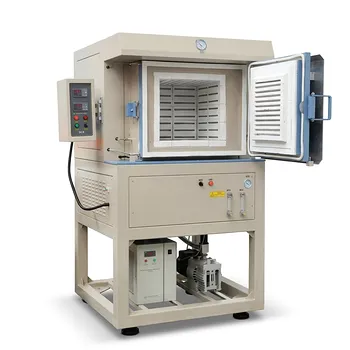
1200°C Five Side Heating Atmosphere Controlled Muffle Furnace 64 Liter High Uniformity Box Furnace for Material Synthesis
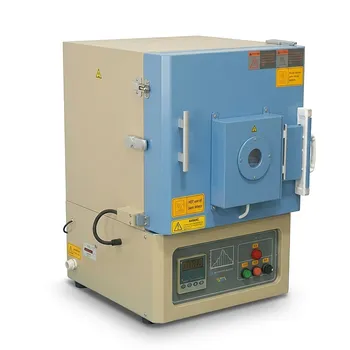
High Temperature Benchtop Muffle Furnace 1500C with 3.6L Chamber and Quartz Observation Window
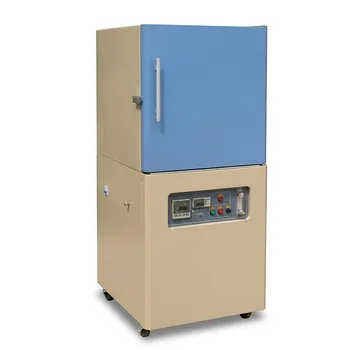
High Temperature Muffle Furnace with Dual Controllers and 36L Large Chamber 1700C Max
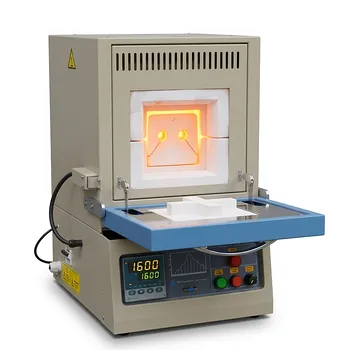
High Temperature Compact Muffle Furnace 1700 C with 30 Segment Programmable Controller and 1.7L Cubic Chamber
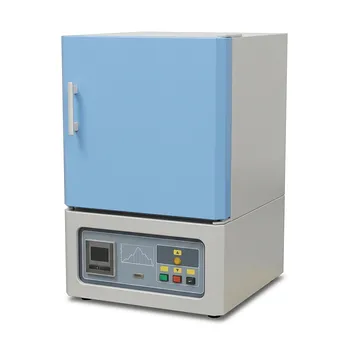
1800C Bench Top Muffle Furnace with Kanthal Super 1900 Heating Elements and 3.6L Alumina Fiber Chamber
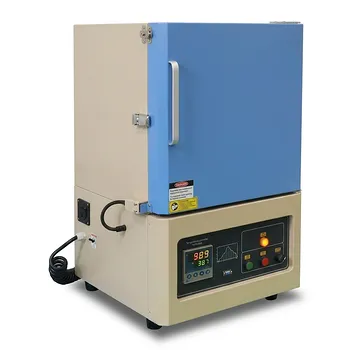
1200°C High Temperature Muffle Furnace 19L Chamber with 50 Segment Programmable Controller
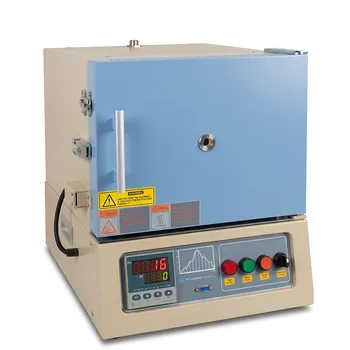
1200C Muffle Furnace 12x8x5 7.2L Heating Chamber with Quartz Observation Window and Vent Port
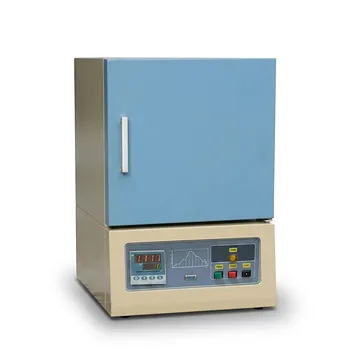
Ultra High Temperature Bench Top Muffle Furnace 1750C Sintering System with Kanthal Super Heating Elements and Precision Digital Control
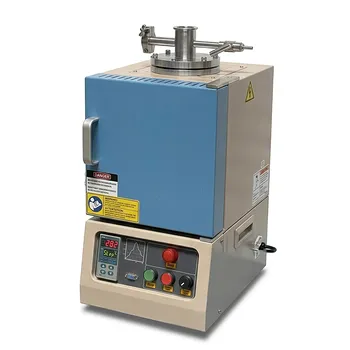
High Temperature Hybrid Muffle and Tube Furnace with Vacuum Capability and PID Control
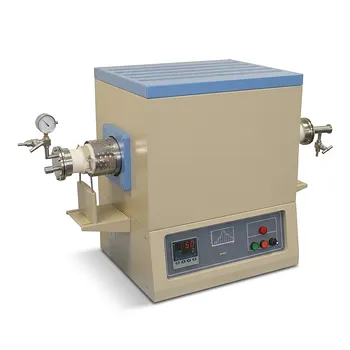
1700C High Temperature Alumina Tube Furnace with 18 Inch Heated Zone and Vacuum Sealing Flanges
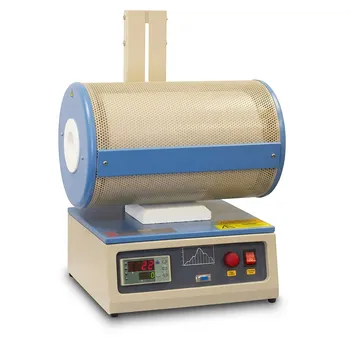
Multi Position Tube Furnace 1100C for Laboratory Material Research and Advanced Industrial Thermal Processing
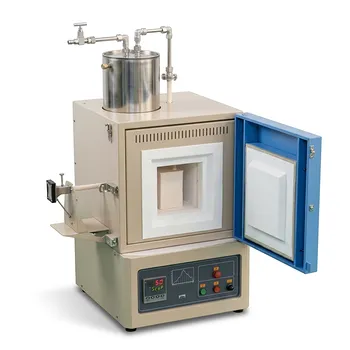
High Temperature Bench Top Muffle Furnace 1700C with Integrated Evaporating Particle Collection and 8x8x8 Alumina Fiber Chamber
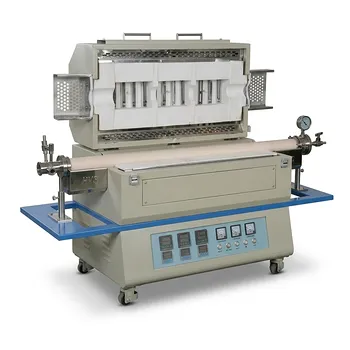
Three Temperature Zone Fast Heating Furnace 1500C Laboratory High Precision Thermal Processing System