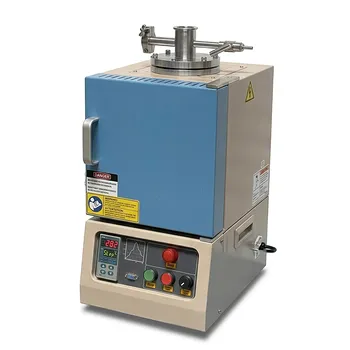
What is the function of a muffle furnace in nickel-telluride catalyst post-treatment? Achieving High Phase Purity
Updated 3 months ago
The primary function of a laboratory muffle furnace in the post-treatment of nickel-telluride catalysts is to provide a stable thermal field for isothermal annealing. This process allows sealed reaction tubes to be maintained at a constant temperature (typically around 400 °C) for an extended duration. By doing so, the furnace facilitates the internal diffusion and rearrangement of components, which is essential for eliminating structural inhomogeneities and ensuring the final catalyst achieves maximum phase purity and thermodynamic stability.
Isothermal post-treatment acts as a critical refinement stage that transforms as-synthesized nickel-telluride into a chemically uniform and stable catalyst. The muffle furnace provides the precise, sustained heat required to reorganize the material's internal structure at the molecular level.
Achieving Structural Homogeneity and Phase Purity
Eliminating Phase Inhomogeneities
During the initial synthesis of nickel-telluride catalysts, the distribution of nickel and tellurium atoms may not be perfectly uniform. The muffle furnace provides a steady thermal environment that allows these atoms to migrate through the lattice of the catalyst particles. This migration corrects local defects and ensures that the chemical composition is consistent throughout the entire sample.
Promoting Component Rearrangement
The high-temperature environment of the furnace provides the kinetic energy necessary for atomic rearrangement. As components shift into their most stable configurations, the catalyst moves from a meta-stable state to a state of thermodynamic equilibrium. This internal reorganization is vital for producing a catalyst that can withstand the rigors of chemical reactions without degrading.
Thermodynamic Consolidation and Stabilization
Ensuring Product Stability
Thermal aging in a muffle furnace is used to "set" the structure of the nickel-telluride catalyst. By maintaining a constant temperature for an extended period, the furnace ensures that any volatile or unstable phases are either transformed or stabilized. This results in a final product that is thermodynamically robust, preventing unwanted structural changes during subsequent catalytic applications.
Improving Overall Phase Purity
Phase purity is a measure of how much of the catalyst consists of the desired crystalline structure versus unwanted impurities or side-phases. The stable thermal field of the muffle furnace encourages the growth of the primary nickel-telluride phase while suppressing amorphous or secondary phases. This leads to a higher concentration of active sites and more predictable catalytic behavior.
Understanding the Trade-offs
Temperature Precision vs. Grain Growth
While high temperatures are necessary for phase purity, excessive heat or prolonged exposure can lead to grain growth and sintering. As particles grow larger, the total specific surface area of the catalyst decreases, which can inadvertently reduce the number of available active sites. Precise control of the furnace's heating rate and holding time is required to balance crystallinity with surface activity.
Environmental Control Requirements
The use of sealed reaction tubes within the furnace is a critical procedural detail for nickel-telluride. Because tellurium and its compounds can be sensitive to oxidation or volatilization, the muffle furnace must act as an external heat source for a closed system. Failure to properly seal the reaction environment can lead to the loss of active components or the formation of unwanted oxides rather than pure tellurides.
Guidelines for Effective Thermal Treatment
How to Apply This to Your Project
To optimize the post-treatment of nickel-telluride catalysts, the treatment parameters must be aligned with your specific performance requirements.
- If your primary focus is Phase Purity: Maintain the isothermal treatment at the target temperature (e.g., 400 °C) for a longer duration to ensure complete atomic rearrangement and the elimination of secondary phases.
- If your primary focus is High Surface Area: Use a programmed temperature control to apply a strictly monitored heating rate, and limit the isothermal duration to prevent excessive grain growth.
- If your primary focus is Catalyst Durability: Prioritize the thermodynamic stabilization phase to ensure the catalyst remains structurally sound under high-stress reaction conditions.
The laboratory muffle furnace is the indispensable tool that bridges the gap between raw chemical synthesis and the production of a high-performance, stable catalytic material.
Summary Table:
| Key Process Phase | Furnace Function | Catalyst Impact |
|---|---|---|
| Isothermal Annealing | Precise thermal field maintenance | Eliminates structural inhomogeneities |
| Atomic Rearrangement | Provides kinetic energy for migration | Achieves thermodynamic equilibrium |
| Thermal Aging | Long-term temperature stability | Enhances phase purity and robustness |
| Environmental Control | External heat for sealed reaction | Prevents oxidation and volatilization |
Optimize Your Catalyst Synthesis with THERMUNITS
Precise thermal control is the difference between a meta-stable sample and a high-performance catalyst. THERMUNITS is a leading manufacturer of high-temperature laboratory equipment, providing the stability and precision required for advanced material science and industrial R&D.
Our comprehensive range of thermal solutions includes:
- Muffle, Vacuum, and Atmosphere Furnaces
- Tube, Rotary, and Hot Press Furnaces
- CVD/PECVD Systems and Dental Furnaces
- Electric Rotary Kilns and Vacuum Induction Melting (VIM) Furnaces
Enhance your lab's efficiency and achieve superior material stability with our professional-grade heat treatment equipment.
Ready to elevate your research?
Contact us today to find your solution!
References
- Daniel Garstenauer, Klaus W. Richter. Active site engineering of intermetallic nanoparticles by the vapour–solid synthesis: carbon black supported nickel tellurides for hydrogen evolution. DOI: 10.1039/d4nr03397c
Mentioned Products
- High Temperature Muffle Furnace with Dual Controllers and 36L Large Chamber 1700C Max
- 1750C Bench Top Muffle Furnace 3.6L High Grade Molybdenum Disilicide Heating Elements Laboratory Heat Treatment Equipment
- High Temperature 1700C Bench Top Muffle Furnace with Alumina Fiber Insulation and 3.6L Chamber Capacity for Precision Sintering and Heat Treatment
- 1750C Compact Muffle Furnace 1.7L Ultra High Temperature Laboratory Sintering System for Advanced Ceramics and Material Science Research
- Ultra High Temperature Bench Top Muffle Furnace 1750C Sintering System with Kanthal Super Heating Elements and Precision Digital Control
People Also Ask
- What role does a high-temperature muffle furnace play in evaluating the mineral composition of rock samples? LOI & XRF Guide
- What is the function of a high-temp muffle furnace in Ni-V oxide synthesis? Optimize your material's performance.
- What is the function of a muffle furnace in aluminoborosilicate glass prep? Stabilize Raw Materials for Superior Purity
- What is the purpose of using muffle or tube furnaces in glass synthesis? Achieve Precise Melt-Quenching & Homogeneity
- What is the function of a high-temperature muffle furnace in phosphorus-modified zeolite catalyst preparation?

Tech Team · ThermUnits
Last updated on Jun 02, 2026
Related Products
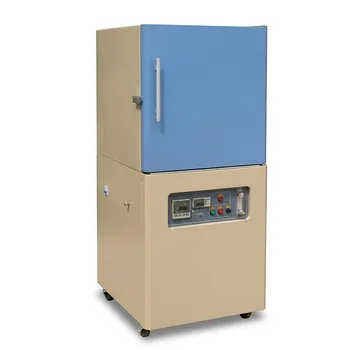
High Temperature Muffle Furnace with Dual Controllers and 36L Large Chamber 1700C Max
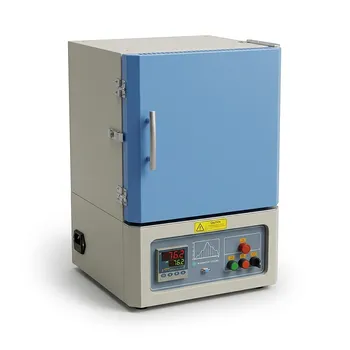
1750C Bench Top Muffle Furnace 3.6L High Grade Molybdenum Disilicide Heating Elements Laboratory Heat Treatment Equipment
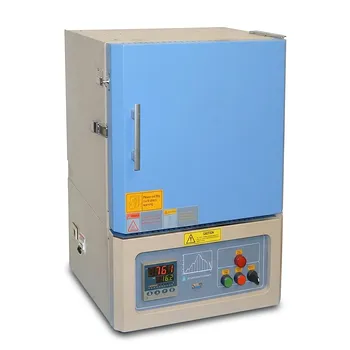
High Temperature 1700C Bench Top Muffle Furnace with Alumina Fiber Insulation and 3.6L Chamber Capacity for Precision Sintering and Heat Treatment
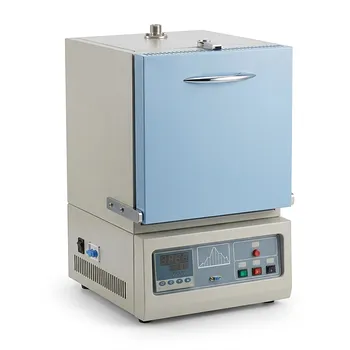
1750C Compact Muffle Furnace 1.7L Ultra High Temperature Laboratory Sintering System for Advanced Ceramics and Material Science Research
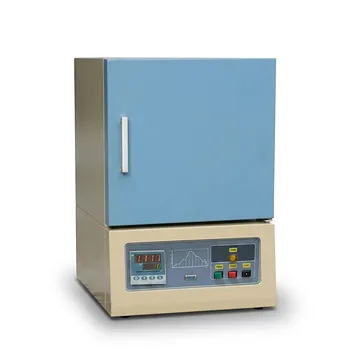
Ultra High Temperature Bench Top Muffle Furnace 1750C Sintering System with Kanthal Super Heating Elements and Precision Digital Control
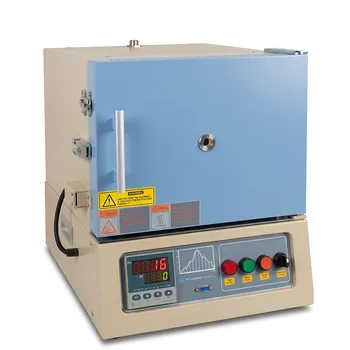
1200C Muffle Furnace 12x8x5 7.2L Heating Chamber with Quartz Observation Window and Vent Port
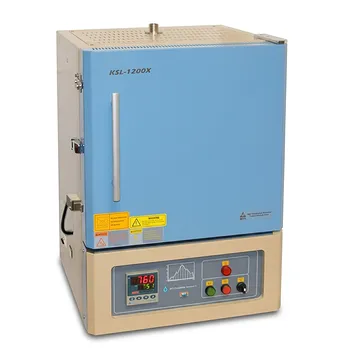
High Temperature 1200C Muffle Furnace 27L Volume 12x12x12 Chamber with Programmable PID Controller for Laboratory Material Science
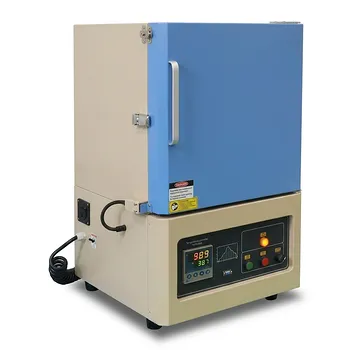
1200°C High Temperature Muffle Furnace 19L Chamber with 50 Segment Programmable Controller
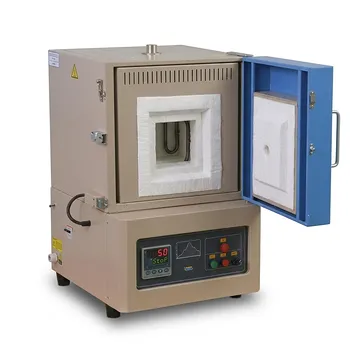
1800°C Bench Top Ultra High Temperature Muffle Furnace with Sapphire Observation Window and Top Feeding Port for Materials Research and Thermal Processing
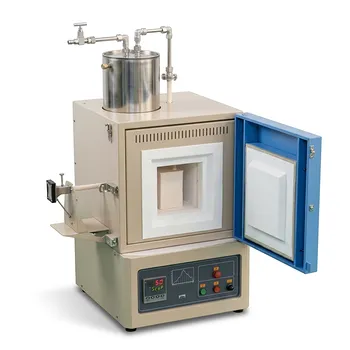
High Temperature Bench Top Muffle Furnace 1700C with Integrated Evaporating Particle Collection and 8x8x8 Alumina Fiber Chamber
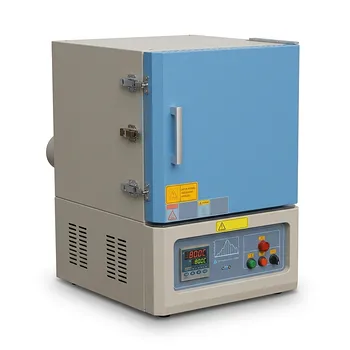
1800C Bench Top Muffle Furnace 18 Liters with Kanthal Super 1900 Heating Elements for High Purity Ceramic Sintering and Material Research
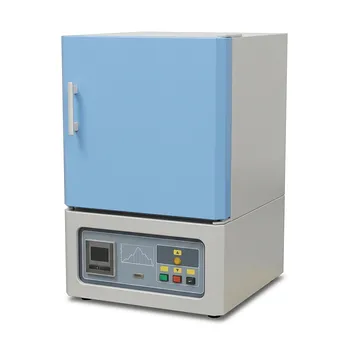
1800C Bench Top Muffle Furnace with Kanthal Super 1900 Heating Elements and 3.6L Alumina Fiber Chamber
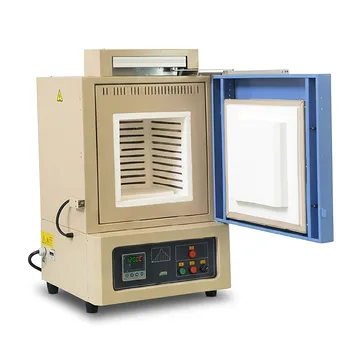
1200C High Temperature Muffle Furnace with Motorized Door and Automated PC Control for Industrial Sintering and Material Processing 27 Liter
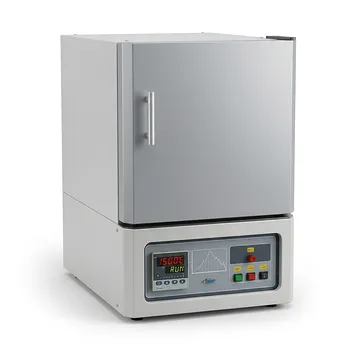
High Temperature 1500C Benchtop Muffle Furnace 3.6L Alumina Fiber Chamber Programmable Controller Sintering Annealing Carbonization Thermal Processing System
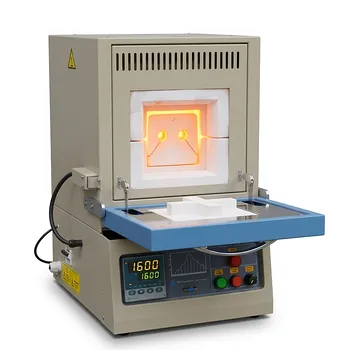
High Temperature Compact Muffle Furnace 1700 C with 30 Segment Programmable Controller and 1.7L Cubic Chamber
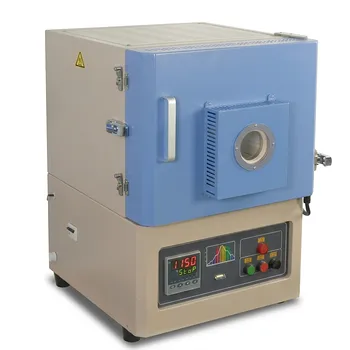
High Temperature Benchtop Muffle Furnace with Quartz Observation Window for Thermal Imaging and Material Analysis
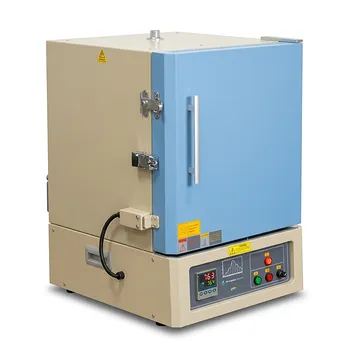
Large Capacity 1200C Muffle Furnace 64 Liter Chamber with Digital PID Controller and Built In Venting Port
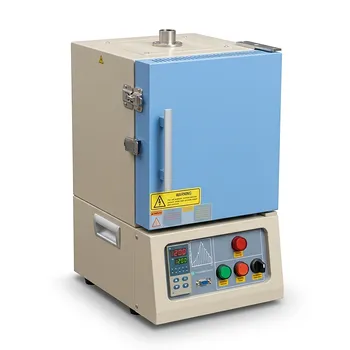
1200°C Small Box Furnace 4.2 Liter Programmable Muffle Furnace with High Purity Alumina Insulation and PID Control
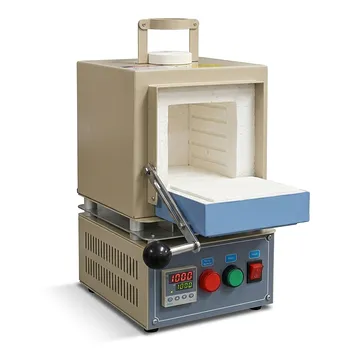
Compact 1000C Muffle Furnace with Programmable Controller and 2 Inch Top Port for Vacuum and Atmosphere Material Research