What is the function of high-purity helium as a sweep gas in a pyrolysis reactor? Optimize Vapor Transport & Quality.
Updated 3 months ago
High-purity helium serves as a vital inert transport mechanism in pyrolysis systems. Its primary function is to rapidly sweep volatile oil and gas vapors out of the high-temperature reactor zone to prevent them from breaking down further. By minimizing the time these vapors spend in extreme heat, helium ensures that the final collected products accurately represent the primary thermal decomposition of the feedstock.
High-purity helium acts as a kinetic control agent that reduces vapor residence time, thereby suppressing secondary reactions like cracking and coking to preserve the integrity of primary pyrolysis products.
Rapid Vapor Transport and Residence Time Control
The Role of a Constant Flow Rate
Helium functions as an inert carrier gas that maintains a steady stream through the material bed. This constant flow creates a physical "sweep" effect, pushing newly formed vapors out of the reactor core as soon as they are generated.
Minimizing Thermal Exposure
By increasing the velocity of the vapors, helium significantly reduces residence time. This ensures that volatile compounds spend the absolute minimum amount of time in the high-temperature environment, which is critical for maintaining their original chemical structure.
Maintaining an Inert Environment
Because helium is chemically non-reactive, it does not interfere with the thermal decomposition process. This allows researchers to study the purely thermal effects on a sample without the confounding factor of gas-phase chemical interference.
Inhibiting Degradation and Secondary Reactions
Preventing Secondary Cracking
When vapors linger in a high-temperature zone, they often undergo secondary cracking, where larger molecules break down into smaller, less desirable gases. Helium’s rapid transport prevents these molecules from absorbing enough energy to trigger these additional breaks.
Reducing Coking and Polymerization
Helium also inhibits coking and polymerization, processes where vapors react with each other or reactor surfaces to form solid carbon deposits. By sweeping the volatiles away, helium prevents these heavy residues from fouling the equipment or altering the product yield.
Ensuring Representative Data
The use of a sweep gas allows for the collection of primary pyrolysis products. This is essential for analytical accuracy, as it provides a clear picture of the initial breakdown products before they are modified by the reactor’s environment.
Understanding the Trade-offs
The Challenge of Product Dilution
While a high flow of helium is excellent for quenching reactions, it results in a highly diluted product stream. This can make the downstream recovery or concentration of oil and gas vapors more technically challenging.
Cost and Resource Management
High-purity helium is an expensive resource compared to other inert gases like nitrogen. In large-scale operations, the economic cost of using helium must be weighed against the scientific necessity of its specific thermal and inert properties.
How to Apply This to Your Project
Optimizing Your Reactor Setup
To achieve the best results with a helium sweep gas, you must balance flow velocity with your specific feedstock characteristics.
- If your primary focus is analytical precision: Use higher flow rates to ensure the fastest possible transport and the most accurate representation of primary volatiles.
- If your primary focus is liquid yield maximization: Carefully calibrate the sweep rate to prevent the over-dilution of vapors, which can complicate the condensation and collection process.
- If your primary focus is minimizing reactor fouling: Maintain a consistent, high-purity flow to ensure that heavy vapors do not settle and form coke deposits on internal surfaces.
By precisely controlling the helium sweep gas, you transform the pyrolysis reactor from a simple heating chamber into a precision instrument for chemical analysis and material processing.
Summary Table:
| Function | Key Benefit | Mechanism |
|---|---|---|
| Vapor Transport | Reduces Residence Time | Constant flow pushes volatiles out of the high-heat reactor core instantly. |
| Reaction Control | Prevents Secondary Cracking | Rapid removal stops larger molecules from breaking into smaller, less desirable gases. |
| Surface Protection | Inhibits Coking/Polymerization | Sweeps vapors away before they can form solid carbon deposits on reactor surfaces. |
| Inert Atmosphere | Maintains Chemical Integrity | Non-reactive helium ensures results reflect purely thermal decomposition effects. |
| Analytical Accuracy | Representative Product Yield | Captures primary pyrolysis products before they are modified by the environment. |
Elevate Your Research with Precision Thermal Solutions
At THERMUNITS, we specialize in empowering material science and industrial R&D with high-performance heat treatment equipment. Whether you are optimizing pyrolysis in our Tube furnaces, CVD/PECVD systems, or Vacuum furnaces, we provide the precision control necessary for accurate results.
Our extensive range includes Muffle, Atmosphere, Rotary, and Hot Press furnaces, as well as Dental Furnaces and Vacuum Induction Melting (VIM) systems. Discover how our thermal processing expertise can enhance your laboratory's efficiency and product quality.
Contact THERMUNITS today to find the perfect solution for your project!
References
- Zeyue Wang, Fangqin Dai. Influence of packing height on the pyrolysis products of Jimsar (China) oil shale. DOI: 10.1002/ese3.1859
Mentioned Products
- Electric Rotary Kiln Small Rotary Furnace Biomass Pyrolysis Plant
- Gas Pre-Heating Tube Furnace for High Temperature Pyrolysis Reactors and Material Science Research
- 1500C Three Zone Vertical Pyrolysis Furnace for Nanoparticle Synthesis and Advanced Oxide Coating
- Electric Rotary Kiln Continuous Working Small Rotary Furnace Heating Pyrolysis Plant
- Versatile Chemical Vapor Deposition Tube Furnace System for Advanced Material Research and Industrial Coating Processes
People Also Ask
- How does the electric rotary kiln support environmental compliance and sustainability? Achieve Zero-Emission Production
- What are the maintenance and service life advantages of an electric rotary kiln? 25+ Year Longevity & Low Maintenance
- What thermal efficiency can be expected from an electric rotary kiln compared to fuel-fired alternatives? Gain 95% efficiency.
- How does the use of an electric rotary kiln facilitate CO2 capture in cement and lime production? Achieve High-Purity CCUS
- Which minerals and specialty chemicals are commonly processed using electric rotary kilns? Precision Thermal Processing Guide

Tech Team · ThermUnits
Last updated on Jun 03, 2026
Related Products
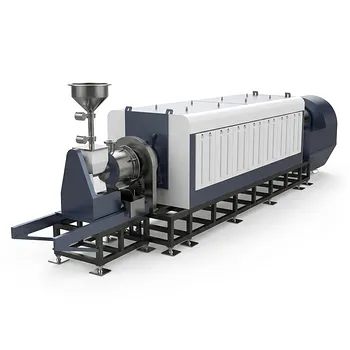
Electric Rotary Kiln Small Rotary Furnace Biomass Pyrolysis Plant
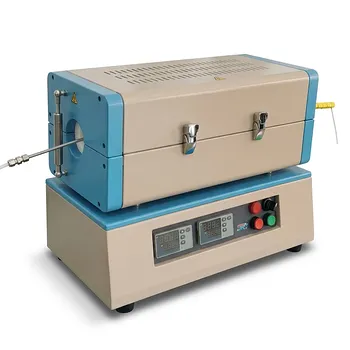
Gas Pre-Heating Tube Furnace for High Temperature Pyrolysis Reactors and Material Science Research
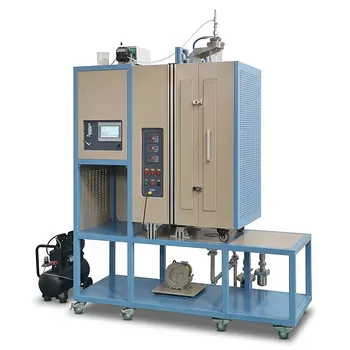
1500C Three Zone Vertical Pyrolysis Furnace for Nanoparticle Synthesis and Advanced Oxide Coating
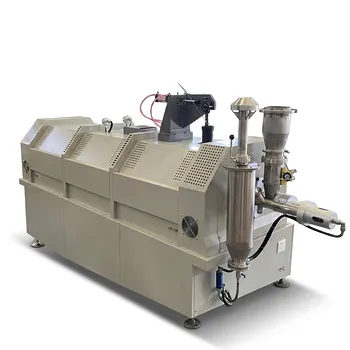
Electric Rotary Kiln Continuous Working Small Rotary Furnace Heating Pyrolysis Plant
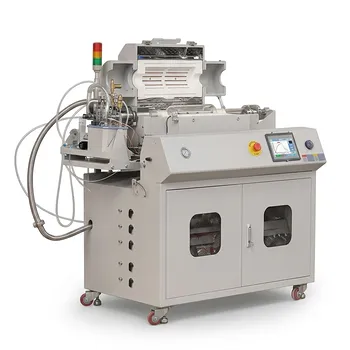
Versatile Chemical Vapor Deposition Tube Furnace System for Advanced Material Research and Industrial Coating Processes
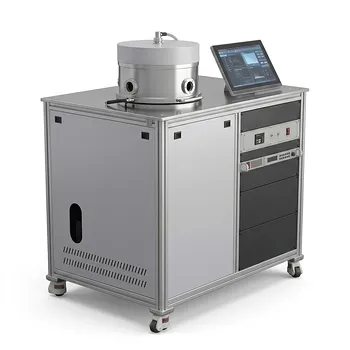
Inclined Rotary Plasma Enhanced Chemical Vapor Deposition PECVD System for Thin Film Deposition and Nanomaterial Synthesis
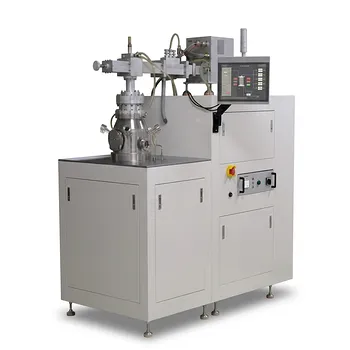
Cylindrical Resonator MPCVD Machine System for Microwave Plasma Chemical Vapor Deposition and Lab Diamond Growth
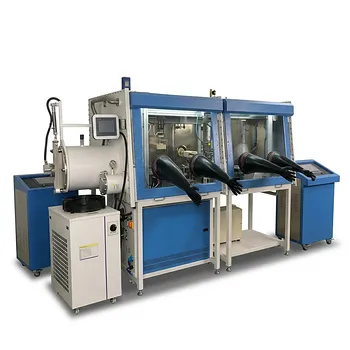
Automatic 10 Crucible Induction Melting and Casting System with Stirring Function and Glovebox Integration 2000C
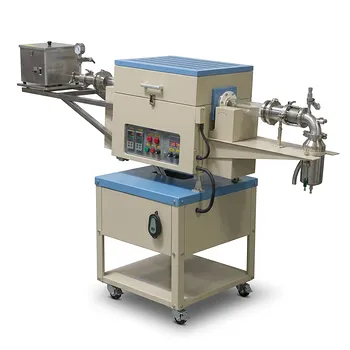
Two Zone Rotary CVD Furnace with Automatic Feeding and Receiving System for Powder Processing
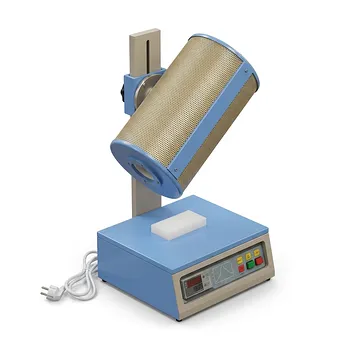
1100°C Vertical Laboratory Furnace for DIY Tubular Reactors with PID Temperature Controller
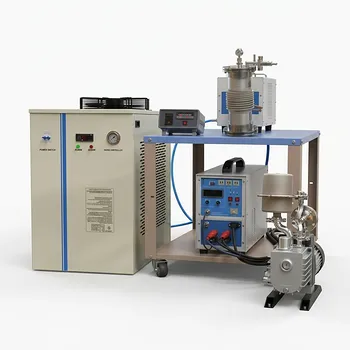
Induction Heating System with Temperature Control for High Temperature Vacuum Sintering and Melting
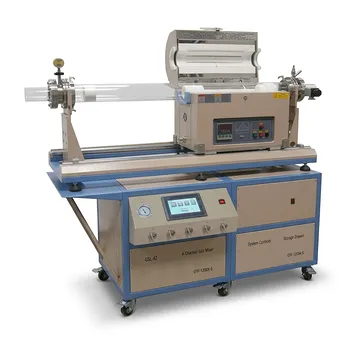
Dual Tube 100mm 80mm CVD Sliding Furnace with 4 Channel Gas Mixing and Vacuum System
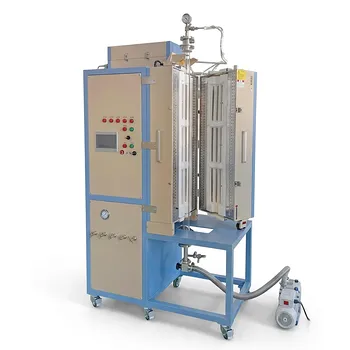
1200C Three Zone Vertical Fixed Fluidized Bed Furnace for Methane Reforming and Fischer Tropsch Reactions