What is the function of High-Purity Nitrogen in PET pyrolysis? Ensure Carbon Purity & Prevent Oxidation
Updated 3 months ago
The use of a High-Purity Nitrogen atmosphere is the foundational requirement for successful PET conversion. It serves primarily to exclude oxygen, preventing the PET raw materials and the resulting graphene flakes from undergoing oxidative combustion at high temperatures. By maintaining this inert environment, the process ensures that carbon atoms reorganize into high-purity structures rather than being lost as carbon dioxide.
Core Takeaway: Nitrogen acts as both a chemical shield and a transport medium, ensuring that thermal energy drives molecular reorganization (graphitization) rather than destructive combustion. This inert environment is the only way to achieve high-purity carbon yields from plastic precursors.
Prevention of Oxidative Degradation
Eliminating Atmospheric Oxygen
The primary function of high-purity nitrogen (HPN) is to purge the tube furnace of oxygen and moisture. At the high temperatures required for graphitization, any residual oxygen would cause the PET or newly formed carbon to ignite and burn, destroying the sample. A continuous flow, such as 10 ml per minute, creates a positive pressure environment that prevents air from leaking back into the system.
Protecting Intermediate Structures
As PET undergoes pyrolysis, it passes through various fragile intermediate phases before becoming stable graphene. HPN protects these nascent carbon structures and the final graphene flakes from oxidation, which would otherwise compromise the material's purity and electrical conductivity. This protection ensures the final product is derived solely from pure thermochemical cracking rather than a combustion reaction.
Facilitating Molecular Reorganization
Enabling Directional Reorganization
In an oxygen-free setting, the thermal energy in the furnace allows for the directional reorganization of waste plastic molecular chains. Instead of breaking down into simple waste gases, the carbon atoms are forced to rearrange into layered graphene structures. This anaerobic environment is essential for the chemical stability of the resulting catalyst or carbon product.
Removal of Volatile Organic Compounds (VOCs)
The nitrogen flow acts as a carrier gas that continuously sweeps away volatile organic compounds generated during pyrolysis. By removing these byproducts as they form, the nitrogen ensures the clean development of the carbon’s pore structure. If these gases remained trapped, they could interfere with the graphitization process or create unwanted secondary deposits.
System Integrity and Pressure Management
Managing Internal Pore Pressure
When combined with precise temperature control, the nitrogen atmosphere helps manage the escape velocity of pyrolysis gases. This is critical for preventing internal pore pressure accumulation, which can lead to the cracking or structural failure of larger samples. The nitrogen flow stabilizes the environment, allowing for extremely low heating rates, such as 1°C per minute, without atmospheric interference.
Protecting Furnace Components
High temperatures can cause the metal components and heating elements of the tube furnace to oxidize and degrade. The inert nitrogen atmosphere extends the lifespan of the equipment by providing a non-reactive environment for the internal hardware. This also prevents metallic contaminants from the furnace itself from leaching into the high-purity carbon sample.
Understanding the Trade-offs
Flow Rate Sensitivity
Maintaining the correct nitrogen flow rate is a delicate balance; too low a flow may fail to displace oxygen completely. Conversely, an excessively high flow rate can lead to thermal gradients or "cold spots" within the tube, potentially disrupting the uniform graphitization of the PET.
Purity Requirements
Using lower-grade nitrogen can introduce trace amounts of oxygen or water vapor into the system. At graphitization temperatures, even parts-per-million levels of impurities can cause surface oxidation, reducing the electrical conductivity and quality of the graphene flakes.
How to Apply This to Your Project
Recommendations for Process Optimization
- If your primary focus is Maximum Graphene Yield: Maintain a steady, uninterrupted flow of high-purity nitrogen from the pre-heating stage through the final cooling phase to prevent any post-process oxidation.
- If your primary focus is Structural Integrity of Large Samples: Pair the nitrogen purge with an extremely slow heating ramp (1°C/min) to allow pyrolysis gases to escape without building internal pressure.
- If your primary focus is Material Purity for Electronics: Use only ultra-high-purity (UHP) nitrogen and perform a vacuum-purge cycle before heating to ensure the furnace environment is strictly anaerobic.
The nitrogen atmosphere is the invisible architecture that allows waste plastic to be systematically rebuilt into high-value carbon materials.
Summary Table:
| Function | Key Mechanism | Impact on Material Quality |
|---|---|---|
| Oxidation Prevention | Purges O2 and moisture | Prevents combustion of PET and graphene |
| Structural Guidance | Facilitates directional reorganization | Ensures formation of layered graphene structures |
| VOC Removal | Acts as a carrier gas | Sweeps away volatile byproducts for clean pores |
| System Integrity | Manages internal pore pressure | Prevents structural cracking and furnace degradation |
As a leading manufacturer of high-temperature laboratory equipment for material science and industrial R&D, THERMUNITS provides the precise thermal processing solutions required for successful PET-to-graphene conversion. Our advanced Tube Furnaces, Vacuum Systems, and CVD/PECVD units are engineered to maintain the ultra-high-purity atmospheres necessary for flawless graphitization. Whether you need Muffle, Atmosphere, or Rotary Furnaces, our equipment ensures uniform heating and optimal gas flow to maximize your research yields. Contact our experts today to optimize your lab setup and discover how our high-performance thermal elements can elevate your material science projects.
References
- Duy Khiem Nguyen, Nguyen Thi Hong Phuong Phuong. Preparation of graphene from polyethylene terephthalate (PET) bottle wastes and its use for the removal of Methylene blue from aqueous solution. DOI: 10.62239/jca.2024.030
Mentioned Products
- Gas Pre-Heating Tube Furnace for High Temperature Pyrolysis Reactors and Material Science Research
- 1500C Three Zone Vertical Pyrolysis Furnace for Nanoparticle Synthesis and Advanced Oxide Coating
- Compact Vertical Split Quartz Tube Furnace with Stainless Steel Vacuum Flanges for Rapid Thermal Quenching and Controlled Atmosphere Material Processing
- Electric Rotary Kiln Continuous Working Small Rotary Furnace Heating Pyrolysis Plant
- High Temperature 1700C Vertical Tube Furnace for Powder Spherification and Material Sintering
People Also Ask
- What is the function of a preheated high-temperature tube furnace in the rapid pyrolysis synthesis of carbon nitride films?
- What is the role of a high-temperature tube furnace in coal powder pyrolysis benchmarking? Achieve Precise Baselines.
- Why is high-precision temperature control essential in a pyrolysis furnace? Master Pd NPs/NO-C Catalyst Synthesis
- How does a high-temperature tube furnace facilitate the pyrolysis of PR-ZS hybrid aerogels into carbon aerogels?
- How is a laboratory tube heating furnace applied during the evaluation of denitration catalysts? Essential Guide

Tech Team · ThermUnits
Last updated on Jun 03, 2026
Related Products
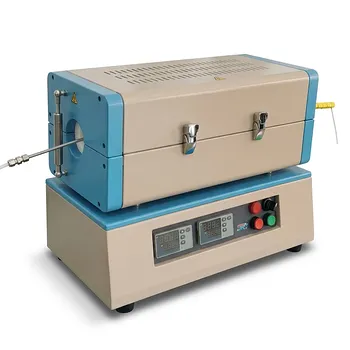
Gas Pre-Heating Tube Furnace for High Temperature Pyrolysis Reactors and Material Science Research
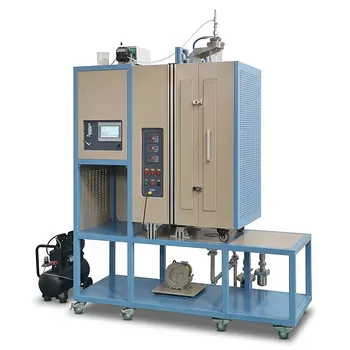
1500C Three Zone Vertical Pyrolysis Furnace for Nanoparticle Synthesis and Advanced Oxide Coating

Compact Vertical Split Quartz Tube Furnace with Stainless Steel Vacuum Flanges for Rapid Thermal Quenching and Controlled Atmosphere Material Processing
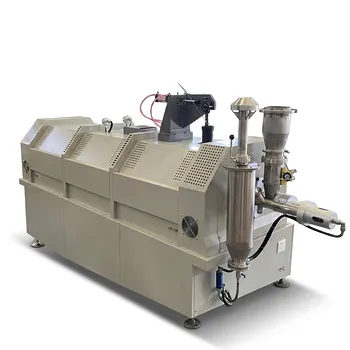
Electric Rotary Kiln Continuous Working Small Rotary Furnace Heating Pyrolysis Plant

High Temperature 1700C Vertical Tube Furnace for Powder Spherification and Material Sintering

Compact High Temperature 1600C Tube Furnace with 50mm Alumina Tube and Vacuum Flanges for Material Sintering

High Temperature Automated 5 Inch Tube Furnace for Autonomous Material Research and Advanced Laboratory R&D
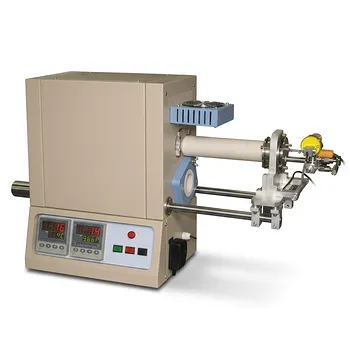
High Temperature Tube Furnace 1500C with Sliding Flanges and 50mm OD for Rapid Thermal Processing Fast Heating and Cooling
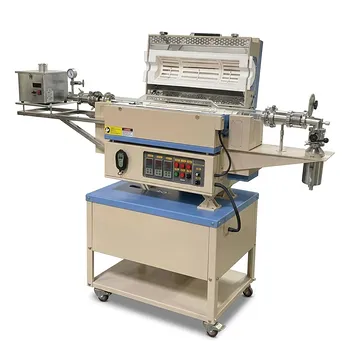
5 Inch Rotary Tube Furnace with Automatic Feeding and Receiving System 1200C Three Zone CVD Powder Processing

1800C High Temperature Compact Vacuum Tube Furnace with 60mm OD Alumina Tube and Kanthal MoSi2 Heating Elements
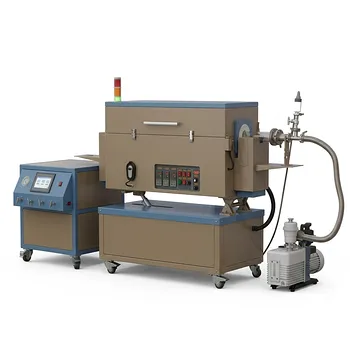
5 Inch Three Zone Rotary Tube Furnace with Integrated Gas Delivery System and 1200C Capability for Advanced Material CVD Processing
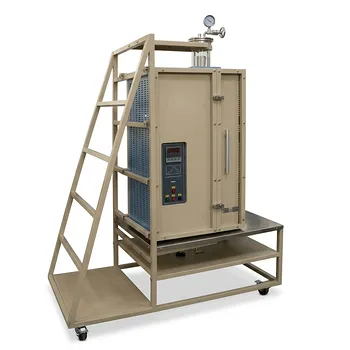
Split Vertical Tube Furnace with 1200C Quartz Tube and Stainless Steel Vacuum Flanges for Rapid Thermal Processing
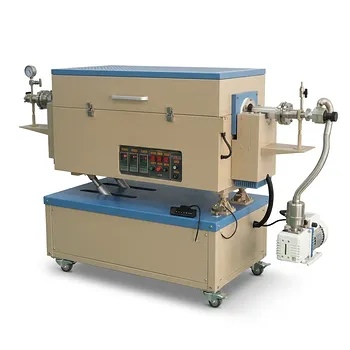
Three Zone Rotary Tube Furnace for High Temperature Powder Processing and Material Research
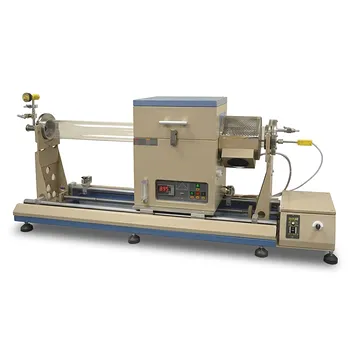
900 ºC Max Sliding RTP Tube Furnace with Rapid IR Heating and 4 Inch OD Quartz Tube
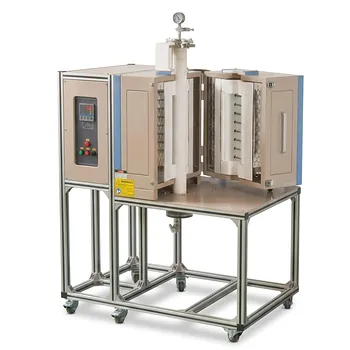
High Temperature 1700C Vertical Split Tube Furnace for Material Quenching and Single Crystal Growth
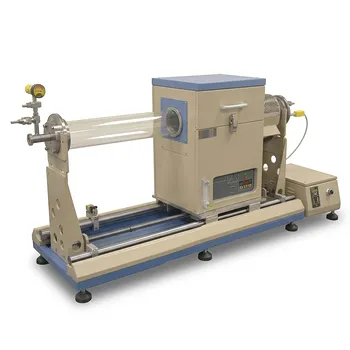
Rapid Thermal Processing Sliding Tube Furnace with 4 Inch OD Quartz Tube and 900C IR Heating

Vertical 1700C Vacuum and Atmosphere Tube Furnace with 80mm Alumina Tube
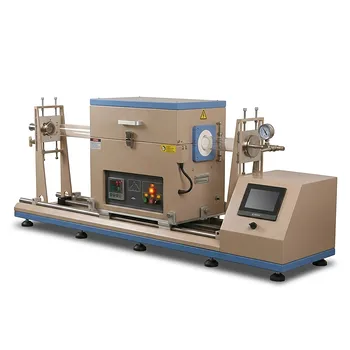
1200C Sliding Tube Furnace for Rapid Thermal Processing and CVD Graphene Growth with 100mm OD Capacity
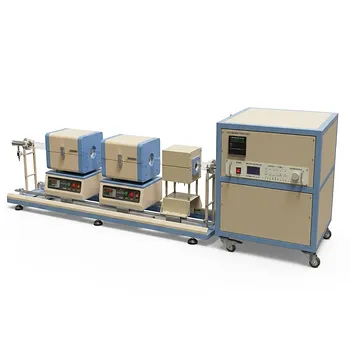
1200C Dual Sliding Tube Furnace with Dual Tubes and Flanges for PECVD Processes