What is the necessity of placing multi-point thermocouples along the outer wall of a furnace tube? Optimize Heat Control
Updated 6 months ago
The installation of multi-point thermocouples along the outer wall of a furnace tube is critical for managing axial temperature gradients in non-equilibrium heating environments. By monitoring the thermal field distribution in real-time, operators can adjust heating power to maintain precise heating rates and ensure that samples or reactants undergo the exact thermal cycle intended, which is fundamental for experimental repeatability and process stability.
Multi-point thermocouples convert a furnace from a "black box" into a transparent thermal environment by providing a comprehensive map of temperature variations. This data is essential for maintaining uniform heating zones, protecting equipment from thermal stress, and validating the accuracy of theoretical thermal models.
Mapping the Thermal Landscape
Identifying the Isothermal Zone
Distributed sensors allow researchers to comprehensively characterize temperature patterns to identify the isothermal zone. This is the specific region where the thermal field is most uniform, ensuring that the material being processed experiences consistent conditions regardless of its exact placement.
Tracking Axial Temperature Gradients
In furnace operations, temperatures are rarely uniform across the entire length of the tube. Multi-point thermocouples provide the data necessary to determine the axial temperature profile, which is vital for processes like zone melting where the crystallization front velocity depends entirely on the temperature gradient.
Validating Mathematical Models
Real-time data from the furnace wall serves as a benchmark for comparing experimental results with numerical thermal simulations. This validation ensures that theoretical models of heat transfer and chemical kinetics are grounded in physical reality.
Precision Process Control
Enabling Closed-Loop Heating Rates
By utilizing feedback from thermocouples at strategic locations, control systems can execute closed-loop power adjustments. This allows the furnace to adhere to strict heating schedules, such as a constant 5 K/min or 20 °C/min, which is necessary for consistent biochar quality or catalyst performance.
Managing Exothermic Fluctuations
For processes involving exothermic reactions, such as CO2 methane production, internal temperatures can spike rapidly. Monitoring the gradient across the catalyst bed allows operators to redistribute heating power to keep temperature fluctuations within a minimal range, preserving the integrity of kinetic data.
Quantifying Heat Transfer Efficiency
Digital thermocouples allow for the simultaneous capture of data from both the interior chamber and exterior walls. This comparison is used to calculate conductive heat transfer and heat loss ratios, providing a direct metric for the effectiveness of insulation materials like ceramic fiber.
Equipment Integrity and Safety
Preventing Localized Overheating
High-temperature thermocouples at nodes like the coil inlet and radiation chamber outlet act as a safety net. They allow operators to monitor for hot spots that could lead to thermal damage or "coking" in pyrolysis coils, extending the operational lifespan of the furnace hardware.
Optimizing Burner Load Distribution
In industrial or large-scale furnaces, the data from wall-mounted sensors informs the optimization of burner loads. By balancing the heat output across different zones, the system maximizes fuel utilization efficiency while minimizing mechanical stress on the furnace structure.
Understanding the Trade-offs
The Gap Between Wall and Core Temperatures
A primary limitation of outer-wall monitoring is the thermal inertia of the material inside the tube. In substances like coal powder, the internal temperature may lag significantly behind the wall temperature, requiring synchronized internal and external sensors to resolve the full thermal picture.
Complexity and Data Management
Implementing a multi-point system increases the mechanical complexity of the furnace setup and requires more robust data logging capabilities. While providing more detail, these systems demand careful calibration to ensure that individual sensor drifts do not create false gradients in the recorded data.
Applying This to Your Project
How to Select Your Sensor Strategy
To achieve the best results from your thermal processing, align your thermocouple placement with your specific operational objectives.
- If your primary focus is Experimental Repeatability: Use multi-point sensors to identify the isothermal zone and use the center-point data for closed-loop control of your heating rates.
- If your primary focus is Hardware Longevity: Place thermocouples at high-stress nodes like inlets and outlets to monitor for localized overheating and prevent thermal fatigue.
- If your primary focus is Kinetic Modeling: Distribute sensors across the catalyst or material bed to capture real-time temperature fluctuations during exothermic or endothermic phases.
- If your primary focus is Energy Efficiency: Compare external wall temperatures with internal chamber data to calculate heat loss and evaluate the performance of your insulation.
Precise thermal mapping through multi-point thermocouples is the only reliable way to bridge the gap between theoretical heating curves and actual process outcomes.
Summary Table:
| Feature | Benefit | Key Outcome |
|---|---|---|
| Thermal Mapping | Identify Isothermal Zones | Uniform Material Processing |
| Process Control | Closed-loop Feedback | High Experimental Repeatability |
| Safety Monitoring | Prevent Overheating | Extended Equipment Lifespan |
| Model Validation | Benchmark Simulations | Accurate Kinetic Data |
Enhance Your Research with THERMUNITS Thermal Excellence
As a leading manufacturer of high-temperature laboratory equipment, THERMUNITS provides the precision required for cutting-edge material science and industrial R&D. Our extensive range of solutions—including Tube, Muffle, Vacuum, and Atmosphere Furnaces, as well as CVD/PECVD systems, Rotary Kilns, and Vacuum Induction Melting (VIM) furnaces—is engineered to provide superior thermal uniformity and safety.
Maximize your experimental accuracy and equipment longevity with our professional heat treatment solutions.
Contact our engineering experts today to discuss your project!
References
- Karen De Lannoye, Lukas Arnold. Effect of flow velocity, atmosphere and sample thickness on the mass loss rate of PMMA in the tube furnace. DOI: 10.1088/1742-6596/2885/1/012024
Mentioned Products
- Vertical 1700C Vacuum and Atmosphere Tube Furnace with 80mm Alumina Tube
- 900°C Max Rotary Tube Furnace with 8 Inch 310S Alloy Tube and Optional Multi Zone Heating for Industrial Material Calcination
- Compact High Temperature 1600C Tube Furnace with 50mm Alumina Tube and Vacuum Flanges for Material Sintering
- 1100C Dual Zone Hydrogen Gas Tube Furnace with Quartz Tube and Integrated H2 Leak Detection System
- 1100C Tube Furnace with Vacuum Flange and Programmable Temperature Controller for Material Science and Industrial Heat Treatment
People Also Ask
- How does a vertical tube furnace ensure stable experimental conditions during molten fluoride electrolysis testing? Precision Tips
- How does a vertical tube furnace facilitate thermoelectric alloy melting? Precision synthesis for material homogeneity.
- How is an industrial-grade vertical tube furnace utilized in smelting leaching residues? Enhance Metal Recovery Efficiency
- What is the function of a laboratory-grade vertical tube furnace in fast pyrolysis? Optimize Composite Research.
- Why is a thermocouple sensor indispensable for monitoring the vertical tube furnace during gallium oxide nanowire production? Optimize VLS Growth

Tech Team · ThermUnits
Last updated on Apr 14, 2026
Related Products
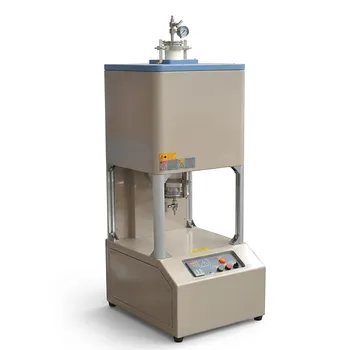
Vertical 1700C Vacuum and Atmosphere Tube Furnace with 80mm Alumina Tube
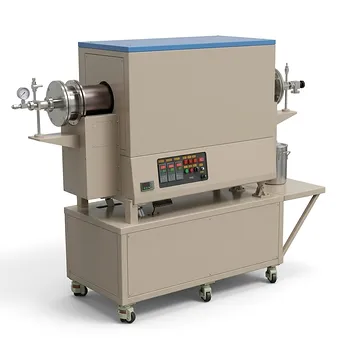
900°C Max Rotary Tube Furnace with 8 Inch 310S Alloy Tube and Optional Multi Zone Heating for Industrial Material Calcination
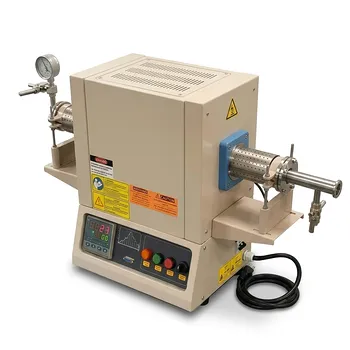
Compact High Temperature 1600C Tube Furnace with 50mm Alumina Tube and Vacuum Flanges for Material Sintering
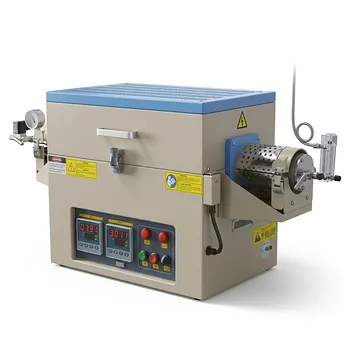
1100C Dual Zone Hydrogen Gas Tube Furnace with Quartz Tube and Integrated H2 Leak Detection System
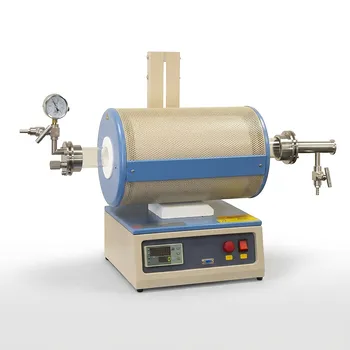
1100C Tube Furnace with Vacuum Flange and Programmable Temperature Controller for Material Science and Industrial Heat Treatment
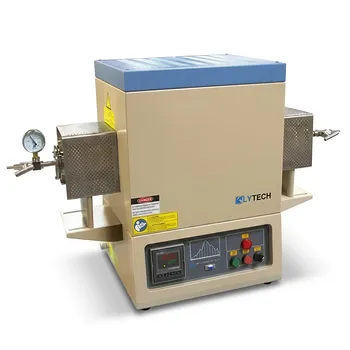
1800C High Temperature Compact Vacuum Tube Furnace with 60mm OD Alumina Tube and Kanthal MoSi2 Heating Elements
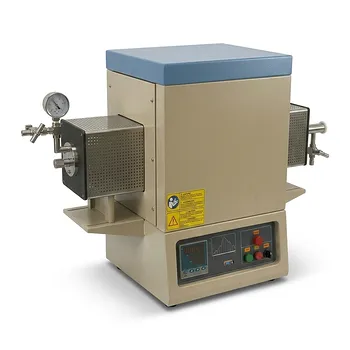
High Temperature 1700C Benchtop Tube Furnace with 5 Inch Heating Zone High Purity Alumina Tube and Vacuum Sealing Flanges
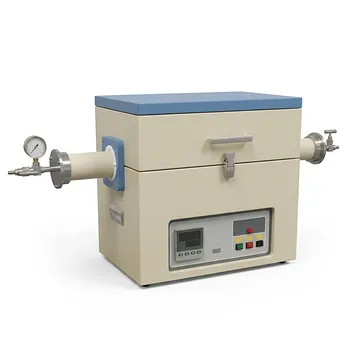
1250C Split Tube Furnace with 3 Inch Mullite Tube and Vacuum Sealing Flanges for Precision Thermal Processing
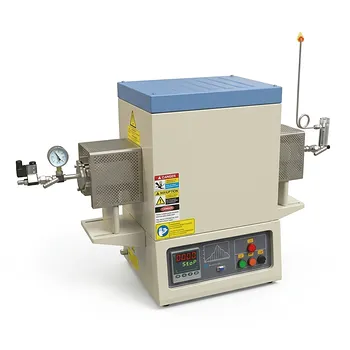
1700C Hydrogen Gas Tube Furnace with 60mm Alumina Process Tube and Integrated Hydrogen Safety Detector
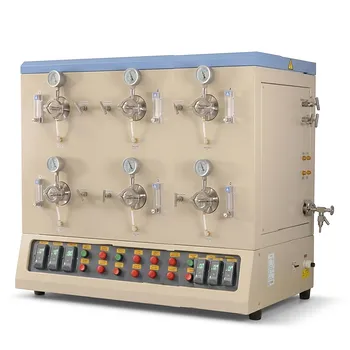
1200C High Throughput Multi Channel Tube Furnace with 50mm Quartz Tubes for Annealing and Material Phase Diagram Research
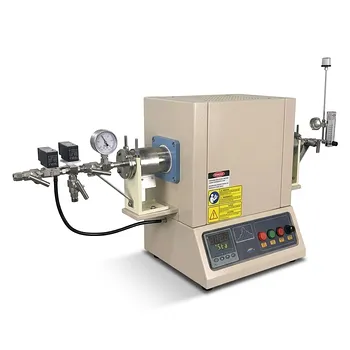
1500C Compact Hydrogen Gas Tube Furnace with 2 Inch Alumina Tube and Hydrogen Detector
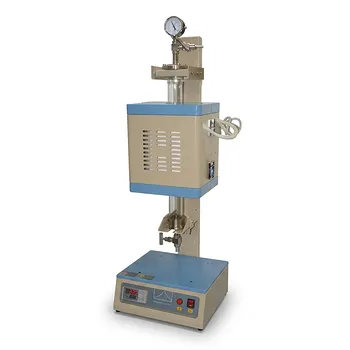
Compact Vertical Split Quartz Tube Furnace with Stainless Steel Vacuum Flanges for Rapid Thermal Quenching and Controlled Atmosphere Material Processing
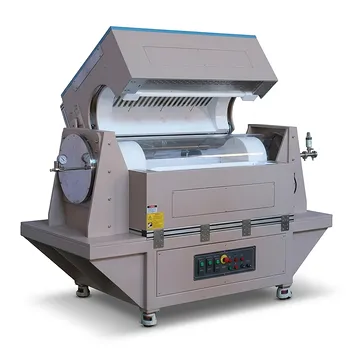
Three Zone Tube Furnace with 11 Inch or 15 Inch Quartz Tube and Hinged Flanges for Vacuum Atmosphere Heat Treatment
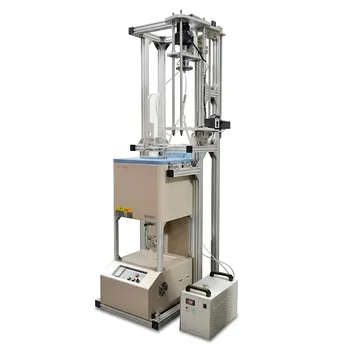
500C Vacuum Vertical Tube Furnace 84mm OD Sample Rotation Lifting System
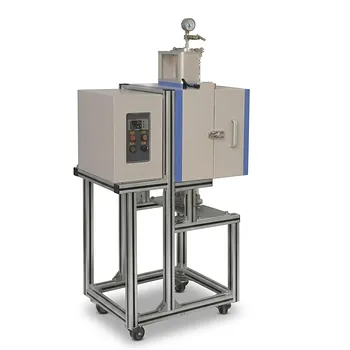
1200°C 5 Inch Vertical Quartz Tube Furnace with Stainless Steel Vacuum Flanges
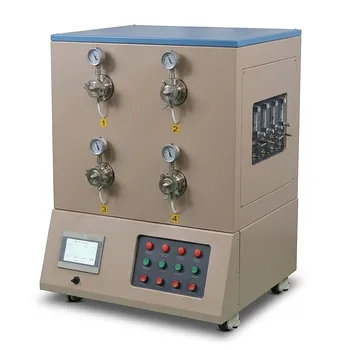
High Throughput 1200C Four Channel Tube Furnace with 3 Inch Quartz Tubes for Multi Zone Annealing and Material Research
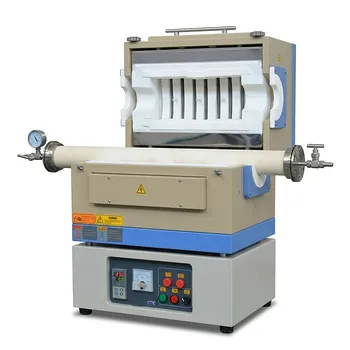
High Temperature 1600C Split Tube Furnace Vacuum Flanges Valves Optional 60mm 80mm Alumina Tube
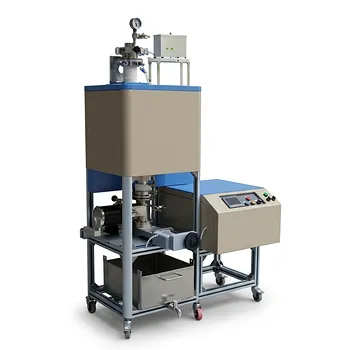
High Temperature 1700C Vertical Tube Furnace for Powder Spherification and Material Sintering
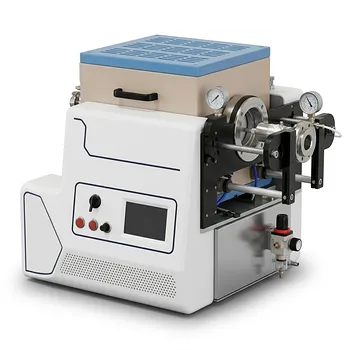
High Temperature Automated 5 Inch Tube Furnace for Autonomous Material Research and Advanced Laboratory R&D