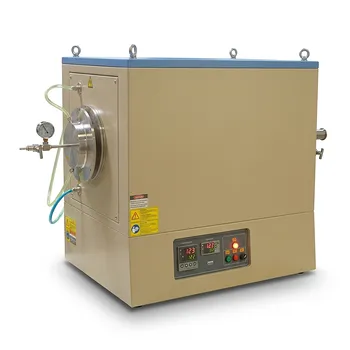
How does a vertical tube furnace ensure stable experimental conditions during molten fluoride electrolysis testing? Precision Tips
Updated 6 months ago
The vertical tube furnace is the critical infrastructure required to isolate electrochemical variables from environmental interference. It ensures stable conditions by integrating a programmable PID temperature control system with a sealed, inert gas environment. This combination maintains the molten fluoride electrolyte at a precise, uniform temperature (typically 800°C) while preventing the chemical degradation of salt components and graphite electrodes.
Core Takeaway: A vertical tube furnace achieves experimental stability by creating a "static" environment—both thermally and chemically—where precise temperature uniformity and high-purity inert atmospheres allow researchers to measure true electrochemical kinetics without interference from thermal gradients or oxidation.
Advanced Thermal Field Management
Precision PID Control and Feedback Loops
The furnace utilizes a closed-loop feedback system consisting of high-accuracy thermocouples (Type K, S, or B) and a programmable PID-based controller. This system adjusts electrical power via solid-state relays or thyristors to maintain temperature stability, often within a tight tolerance of ±1 °C.
Longitudinal Uniformity in the Vertical Axis
The vertical arrangement of heating elements is specifically designed to create a long, uniform high-temperature zone along the longitudinal axis. This ensures that the electrolysis cell, located at the center of this thermal field, experiences identical temperatures from the bottom of the melt to the top surface.
Mitigation of Heat Loss with Radiation Shields
To maintain a homogeneous mixture of the melt and prevent localized cooling, these furnaces often incorporate multi-layer alumina radiation shields. These shields reflect heat back toward the center of the tube, ensuring that the temperature monitored by the thermocouple accurately represents the true electrochemical environment of the melt.
Atmospheric and Chemical Integrity
Continuous Inert Gas Purging
The sealed design of the vertical tube furnace allows for a continuous flow of high-purity nitrogen or argon. This inert atmosphere is vital for preventing the oxidation and deterioration of the fluoride electrolyte, which would otherwise change its ionic conductivity and chemical composition.
Protection of Graphite Components
In molten fluoride electrolysis, graphite is frequently used for electrodes or crucibles, but it is highly susceptible to oxidative loss at high temperatures. By maintaining an oxygen-free environment, the furnace protects these components, ensuring the structural integrity of the cell throughout long-duration experiments.
Precise Control of Gas Ratios
The sealing mechanisms enable researchers to switch between or mix specific ratios of gases, such as hydrogen or carbon dioxide. This allows for the assessment of how different gas-phase reactants impact reaction kinetics and the 3D structure of the electrolysis cells under strictly controlled conditions.
Understanding the Trade-offs and Pitfalls
The Risk of Thermal Lag
While the controller may show a stable temperature, there is often a thermal lag between the furnace heating elements and the core of the molten salt. Failing to allow for sufficient "soaking time" can result in experiments being conducted before the melt has reached true thermal equilibrium.
Material Compatibility and Contamination
At 800°C, fluoride salts are highly corrosive; if the process tube or seals are compromised, the resulting chemical reaction can damage the furnace heating elements. Furthermore, any leakage in the inert gas system can lead to the formation of oxyfluorides, which significantly alter the kinetic data and can lead to misleading results.
Vertical Gradient Challenges
Despite the design, a natural chimney effect can occur in vertical tubes where heat rises, potentially creating a slight temperature gradient. Users must ensure the electrolysis cell is perfectly centered within the "constant temperature zone" to avoid variations in the melt's viscosity and ionic mobility.
How to Apply This to Your Project
Recommendations for Experimental Setup
- If your primary focus is Kinetic Accuracy: Prioritize a furnace with a long constant-temperature zone and use multiple internal thermocouples to verify that the melt is truly isothermal.
- If your primary focus is Material Longevity: Invest in high-grade sealing flanges and oxygen-monitoring sensors to ensure the inert atmosphere is maintained, preventing the premature failure of graphite electrodes.
- If your primary focus is High-Throughput Testing: Utilize programmable thermal profiles with defined ramp rates and cooling cycles to ensure every test run follows an identical, reproducible thermal history.
By masterfully controlling both the heat and the chemistry of the environment, the vertical tube furnace transforms a volatile high-temperature process into a predictable and measurable scientific procedure.
Summary Table:
| Feature | Mechanism of Stability | Research Benefit |
|---|---|---|
| PID Temperature Control | Closed-loop feedback with ±1°C tolerance | Ensures highly repeatable thermal environments. |
| Longitudinal Uniformity | Optimized vertical heating element array | Eliminates thermal gradients across the electrolysis cell. |
| Inert Gas Purging | Continuous flow of high-purity Argon/Nitrogen | Prevents electrolyte oxidation and protects graphite electrodes. |
| Radiation Shields | Multi-layer alumina reflecting heat inward | Maintains isothermal conditions and reduces thermal lag. |
Accelerate Your Material Research with THERMUNITS
As a leading manufacturer of high-temperature laboratory equipment, THERMUNITS provides the precision and reliability required for complex molten salt electrolysis and advanced material science. Our specialized Vertical Tube Furnaces, Atmosphere Furnaces, and CVD/PECVD systems are engineered to deliver superior thermal uniformity and chemical integrity.
Whether you are conducting industrial R&D or academic testing, our comprehensive range—including Muffle, Vacuum, Hot Press, and Vacuum Induction Melting (VIM) furnaces—ensures your experimental conditions remain stable and reproducible.
Ready to elevate your heat treatment precision?
Contact our technical experts today to find the perfect thermal solution.
References
- Kamaljeet Singh, Guðrún Sævarsdóttir. Overpotential on Oxygen-Evolving Platinum and Ni-Fe-Cu Anode for Low-Temperature Molten Fluoride Electrolytes. DOI: 10.1007/s11837-024-06425-5
Mentioned Products
- Vertical 1700C Vacuum and Atmosphere Tube Furnace with 80mm Alumina Tube
- 1100°C Split Vertical Tube Furnace with 80mm Quartz Tube and Stainless Steel Vacuum Flanges
- 500C Vacuum Vertical Tube Furnace 84mm OD Sample Rotation Lifting System
- High Temperature 1700C Vertical Tube Furnace for Powder Spherification and Material Sintering
- Split Vertical Tube Furnace with 1200C Quartz Tube and Stainless Steel Vacuum Flanges for Rapid Thermal Processing
People Also Ask
- How does a vertical tube furnace facilitate thermoelectric alloy melting? Precision synthesis for material homogeneity.
- Why is a thermocouple sensor indispensable for monitoring the vertical tube furnace during gallium oxide nanowire production? Optimize VLS Growth
- What is the function of a laboratory-grade vertical tube furnace in fast pyrolysis? Optimize Composite Research.
- How is an industrial-grade vertical tube furnace utilized in smelting leaching residues? Enhance Metal Recovery Efficiency
- What is the role of a vertical tube furnace in steel wire heat transfer experiments? Expert precision for quenching.

Tech Team · ThermUnits
Last updated on Apr 14, 2026
Related Products
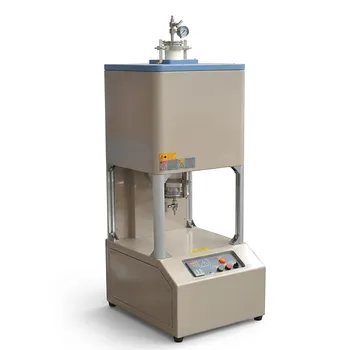
Vertical 1700C Vacuum and Atmosphere Tube Furnace with 80mm Alumina Tube
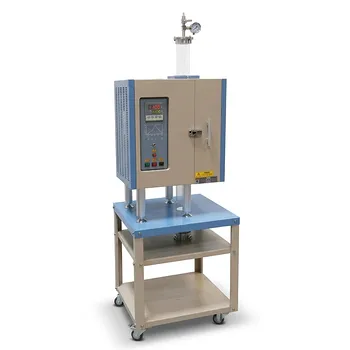
1100°C Split Vertical Tube Furnace with 80mm Quartz Tube and Stainless Steel Vacuum Flanges
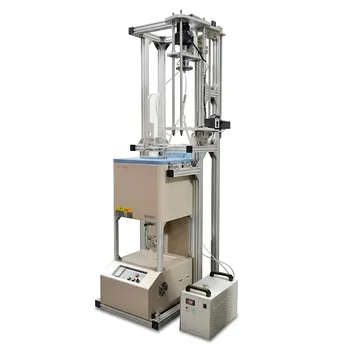
500C Vacuum Vertical Tube Furnace 84mm OD Sample Rotation Lifting System
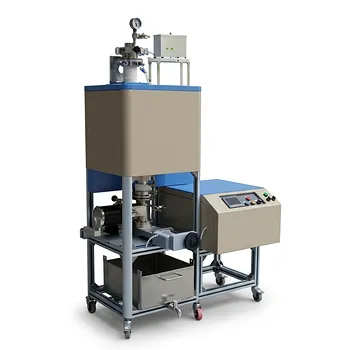
High Temperature 1700C Vertical Tube Furnace for Powder Spherification and Material Sintering
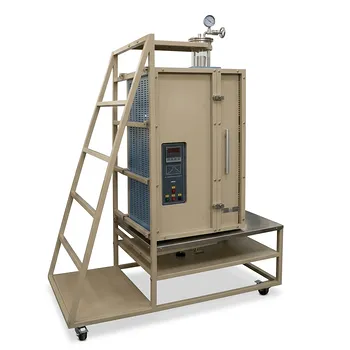
Split Vertical Tube Furnace with 1200C Quartz Tube and Stainless Steel Vacuum Flanges for Rapid Thermal Processing
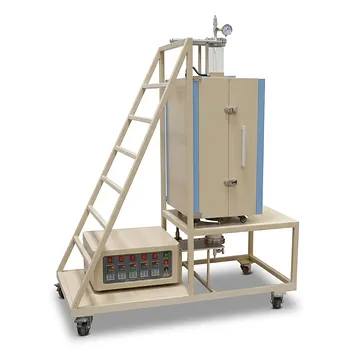
Five Zone Split Vertical Tube Furnace 1200C Max with 4 Inch Quartz Tube and Stainless Steel Vacuum Flanges
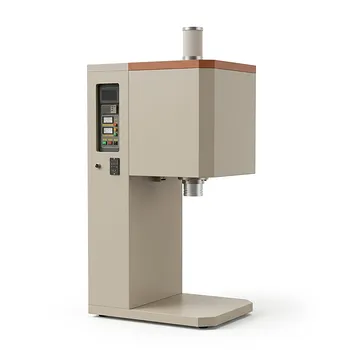
Vertical Openable Tube Furnace 0-1700c High Temperature Laboratory System for CVD and Vacuum Heat Treatment
Compact Vertical Split Quartz Tube Furnace with Stainless Steel Vacuum Flanges for Rapid Thermal Quenching and Controlled Atmosphere Material Processing
1200°C 5 Inch Vertical Quartz Tube Furnace with Stainless Steel Vacuum Flanges
High Temperature Vertical Split Tube Furnace with PID Temperature Controller for 1 and 2 Inch Processing Tubes
High Temperature 1100C Compact Top Loading Vertical Vacuum Tube Furnace for High Vacuum Noble Metal Melting and Material Research
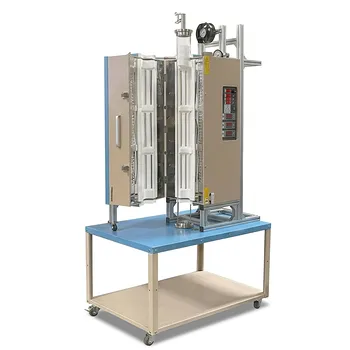
1200C Three Zone Split Vertical Tube Furnace 4 Inch Quartz Tube Stainless Steel Vacuum Flanges
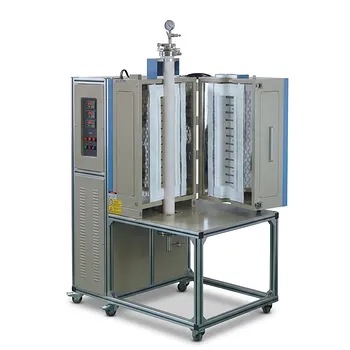
Three Zone Heating Split Vertical Tube Furnace 1700 High Temperature Vacuum Atmosphere Thermal Process System
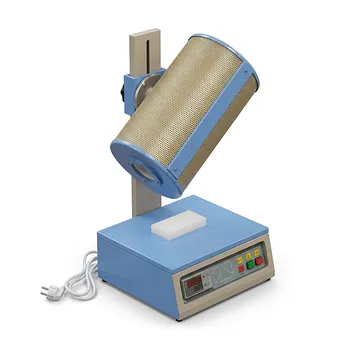
1100°C Vertical Laboratory Furnace for DIY Tubular Reactors with PID Temperature Controller
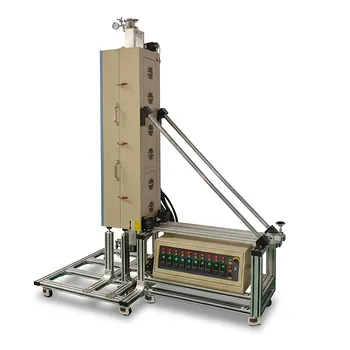
1200°C 10-Zone Split Tube Furnace with Horizontal and Vertical Mounting for Multi-Zone Thermal Gradients and Large Diameter Material Processing
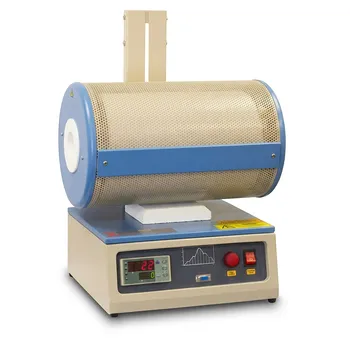
Multi Position Tube Furnace 1100C for Laboratory Material Research and Advanced Industrial Thermal Processing
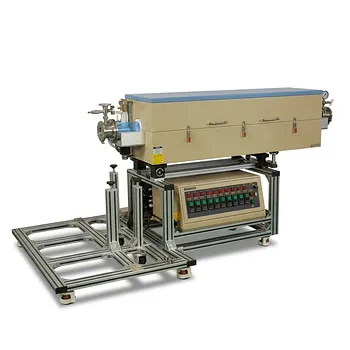
Ten Zone Multi Orientation Laboratory Tube Furnace for 1200C High Temperature Gradient Thermal Processing
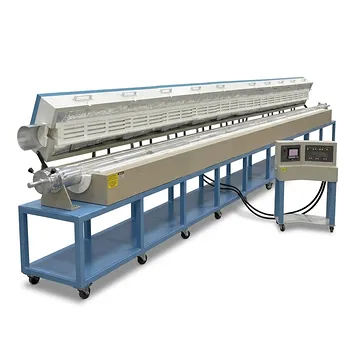
12 Zone Ultra Long Split Tube Furnace with 20 Foot Quartz Tube and 1100C Max Temperature
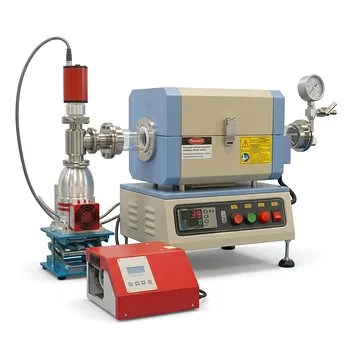
High Vacuum Compact Tube Furnace 1200C with Integrated Turbo Pump System and 8 Inch Heating Zone