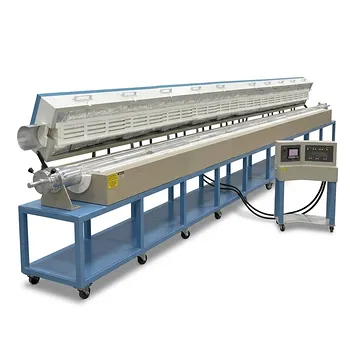
How is an industrial-grade vertical tube furnace utilized in smelting leaching residues? Enhance Metal Recovery Efficiency
Updated 3 months ago
Industrial-grade vertical tube furnaces utilize precise thermal control and atmospheric regulation to simulate the reduction environment of industrial smelting. This equipment allows leaching residues and nickel slag to react under temperatures typically ranging from 1350°C to 1550°C, effectively concentrating valuable metals like cobalt and nickel into a matte phase or metal alloy.
The vertical tube furnace acts as a high-fidelity simulator for industrial slag cleaning by providing a stable constant temperature zone and a strictly controlled redox atmosphere. Its vertical configuration is specifically designed to enable drop quenching, which is essential for freezing high-temperature phase equilibrium states for accurate microscopic analysis.
Simulating Industrial Smelting Environments
High-Temperature Thermal Stability
Industrial vertical tube furnaces utilize advanced heating elements, such as silicon carbide, to maintain a precise temperature field required for smelting. These units provide the uniform thermal energy necessary to keep materials in a high-temperature molten state, often exceeding 1550°C for laterite nickel ore simulation.
Precise Atmosphere Regulation
The sealed vertical structure facilitates the introduction of high-purity gases like argon, carbon monoxide (CO), and carbon dioxide (CO2). By controlling these gas mixtures, researchers can accurately replicate the specific redox atmospheres and thermodynamic conditions found inside industrial sinter machines or smelting furnaces.
Sample Suspension and Positioning
A critical feature of the vertical design is the use of a suspended sample holder or suspension device. This allows for the precise placement of the leaching residue in the center of the furnace’s constant temperature thermal zone, ensuring the reaction occurs under rigorous isothermal conditions.
Mechanisms of Metal Recovery and Slag Cleaning
Reduction and Concentration of Valuables
The furnace provides the environment for leaching residues to react with reducing agents under controlled paths. This process facilitates the reduction of valuable metal oxides, concentrating elements like cobalt and nickel into a recoverable matte or alloy phase while separating them from the waste slag.
Investigation of Reduction Kinetics
Because the furnace maintains a stable thermal environment, it is an ideal tool for studying methane reduction kinetics and reaction rates. Researchers use these controlled conditions to determine how temperature gradients and gas flow rates impact the efficiency of metal recovery from residues.
Thermal Path Engineering
The furnace's programmable cooling system allows for specific thermal treatment paths, such as slow cooling at 3°C per minute. This technique is used in steel slag treatment to promote the formation of an iron-containing glass phase, which inhibits iron dissolution and enables the selective leaching of other elements like phosphorus.
Essential Features for Phase Analysis
The Role of Drop Quenching
The vertical configuration is uniquely suited for instantaneous water quenching via a mechanical release device at the bottom. By dropping the sample directly from the high-temperature zone into a cooling medium, the high-temperature phase equilibrium and microscopic structures are preserved for subsequent laboratory analysis.
High-Purity Material Integrity
To withstand extreme chemical and thermal stress, these furnaces often utilize high-purity alumina tubes. These tubes prevent contamination of the sample while ensuring the furnace remains airtight, which is critical for maintaining the integrity of the inert or reducing atmosphere.
Understanding the Trade-offs
Temperature and Material Limits
While vertical tube furnaces offer exceptional control, they are limited by the thermal shock resistance of the ceramic tubes. Rapid heating or cooling can lead to tube failure, and operations near the 1600°C threshold require specialized, expensive materials that may degrade over repeated cycles.
Scale and Atmospheric Sensitivity
These furnaces are designed for high-precision laboratory or pilot-scale testing rather than bulk processing. Furthermore, any leak in the vertical seal can compromise the redox environment, leading to inaccurate data regarding the reduction performance of the sinter or residue.
Applying This Technology to Your Goals
How to Apply This to Your Project
Depending on your specific metallurgical objectives, the utilization of a vertical tube furnace should be tailored to the desired outcome of your residue treatment.
- If your primary focus is Metal Recovery Optimization: Use the furnace to simulate various Ar-CO2-CO gas combinations to identify the most efficient redox potential for concentrating cobalt and nickel.
- If your primary focus is Phase Equilibrium Research: Prioritize the use of the drop quenching mechanism to freeze the microstructure of the slag at peak smelting temperatures for accurate SEM or XRD analysis.
- If your primary focus is Selective Leaching: Utilize the programmable cooling system to control the crystallization of specific phases, thereby inhibiting the dissolution of unwanted elements during post-smelting acid treatment.
By mastering the precise control of the thermal and atmospheric environment, you can transform hazardous leaching residues into valuable sources of industrial metals.
Summary Table:
| Feature | Function in Smelting & Slag Cleaning | Industrial Benefit |
|---|---|---|
| Atmosphere Control | Regulates Ar, CO, and CO2 gas mixtures | Replicates specific redox environments for metal reduction |
| Vertical Configuration | Enables mechanical drop quenching | Preserves high-temperature phase equilibrium for accurate analysis |
| Thermal Stability | Maintains temperatures up to 1550°C+ | Ensures uniform melting and reaction kinetics for nickel/cobalt recovery |
| Programmable Cooling | Controls crystallization paths | Facilitates selective leaching by engineering specific slag phases |
Elevate Your Metallurgical R&D with THERMUNITS
As a leading manufacturer of high-temperature laboratory equipment, THERMUNITS provides the precision tools required for advanced material science and industrial waste treatment. Whether you are optimizing metal recovery from leaching residues or researching complex phase equilibria, our comprehensive range of thermal solutions—including Vertical Tube Furnaces, Muffle, Vacuum, Atmosphere, Rotary, and Hot Press Furnaces, as well as CVD/PECVD systems—is designed to deliver reliable, high-fidelity results.
Ready to optimize your thermal processing? Contact our experts today to find the perfect furnace solution for your application.
References
- Lassi Klemettinen, Ari Jokilaakso. Roasting-Water Leaching-Slag Cleaning Process for Recovery of Valuable Metals from Li-ion Battery Scrap. DOI: 10.1007/s40831-024-00988-y
Mentioned Products
- Vertical 1700C Vacuum and Atmosphere Tube Furnace with 80mm Alumina Tube
- 1100°C Split Vertical Tube Furnace with 80mm Quartz Tube and Stainless Steel Vacuum Flanges
- 500C Vacuum Vertical Tube Furnace 84mm OD Sample Rotation Lifting System
- High Temperature 1700C Vertical Tube Furnace for Powder Spherification and Material Sintering
- Split Vertical Tube Furnace with 1200C Quartz Tube and Stainless Steel Vacuum Flanges for Rapid Thermal Processing
People Also Ask
- What is the function of a laboratory-grade vertical tube furnace in fast pyrolysis? Optimize Composite Research.
- How does a vertical tube furnace facilitate thermoelectric alloy melting? Precision synthesis for material homogeneity.
- Why is a thermocouple sensor indispensable for monitoring the vertical tube furnace during gallium oxide nanowire production? Optimize VLS Growth
- What are the advantages of using a vertical tube furnace for crucible experiments simulating steel-slag interactions?
- What is the role of a vertical tube furnace in steel wire heat transfer experiments? Expert precision for quenching.

Tech Team · ThermUnits
Last updated on Jun 03, 2026
Related Products

Vertical 1700C Vacuum and Atmosphere Tube Furnace with 80mm Alumina Tube
1100°C Split Vertical Tube Furnace with 80mm Quartz Tube and Stainless Steel Vacuum Flanges
500C Vacuum Vertical Tube Furnace 84mm OD Sample Rotation Lifting System

High Temperature 1700C Vertical Tube Furnace for Powder Spherification and Material Sintering
Split Vertical Tube Furnace with 1200C Quartz Tube and Stainless Steel Vacuum Flanges for Rapid Thermal Processing
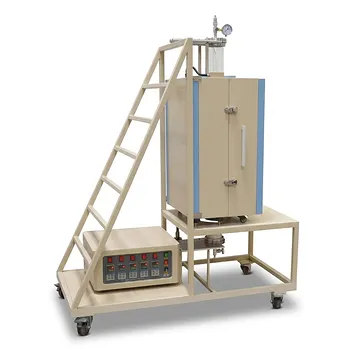
Five Zone Split Vertical Tube Furnace 1200C Max with 4 Inch Quartz Tube and Stainless Steel Vacuum Flanges
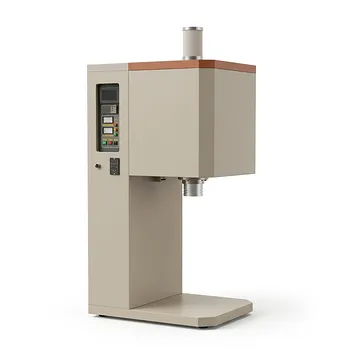
Vertical Openable Tube Furnace 0-1700c High Temperature Laboratory System for CVD and Vacuum Heat Treatment

Compact Vertical Split Quartz Tube Furnace with Stainless Steel Vacuum Flanges for Rapid Thermal Quenching and Controlled Atmosphere Material Processing

1200°C 5 Inch Vertical Quartz Tube Furnace with Stainless Steel Vacuum Flanges
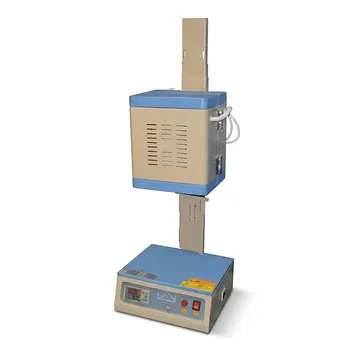
High Temperature Vertical Split Tube Furnace with PID Temperature Controller for 1 and 2 Inch Processing Tubes
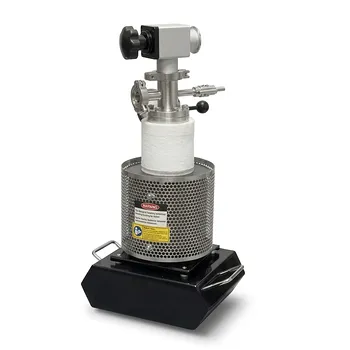
High Temperature 1100C Compact Top Loading Vertical Vacuum Tube Furnace for High Vacuum Noble Metal Melting and Material Research
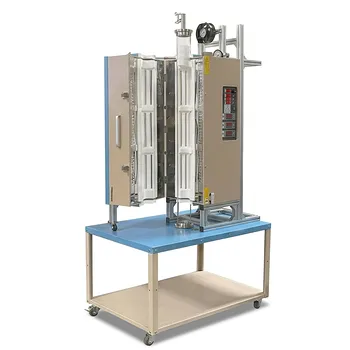
1200C Three Zone Split Vertical Tube Furnace 4 Inch Quartz Tube Stainless Steel Vacuum Flanges
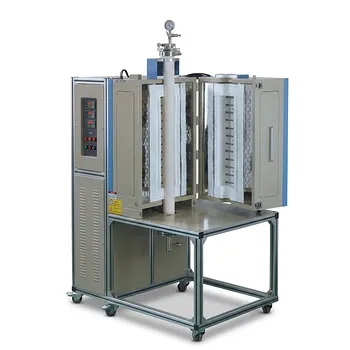
Three Zone Heating Split Vertical Tube Furnace 1700 High Temperature Vacuum Atmosphere Thermal Process System
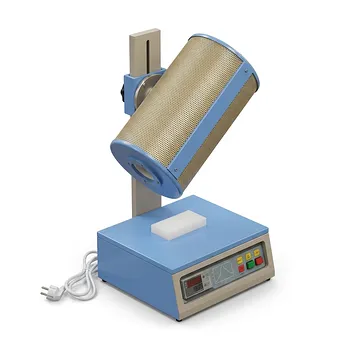
1100°C Vertical Laboratory Furnace for DIY Tubular Reactors with PID Temperature Controller
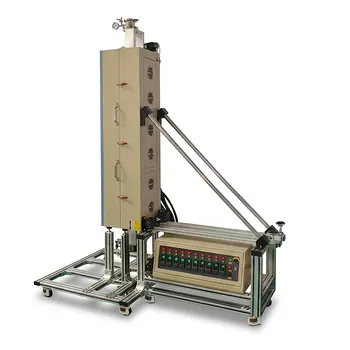
1200°C 10-Zone Split Tube Furnace with Horizontal and Vertical Mounting for Multi-Zone Thermal Gradients and Large Diameter Material Processing
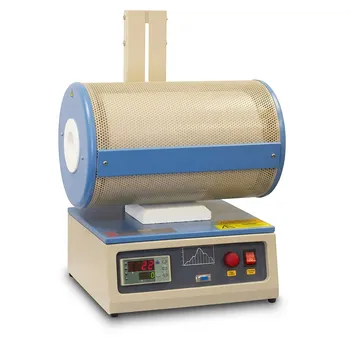
Multi Position Tube Furnace 1100C for Laboratory Material Research and Advanced Industrial Thermal Processing
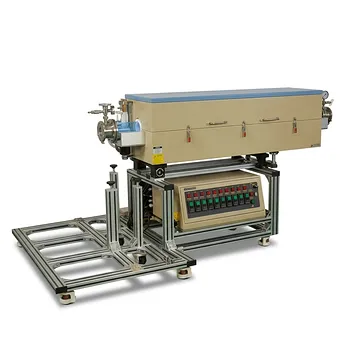
Ten Zone Multi Orientation Laboratory Tube Furnace for 1200C High Temperature Gradient Thermal Processing
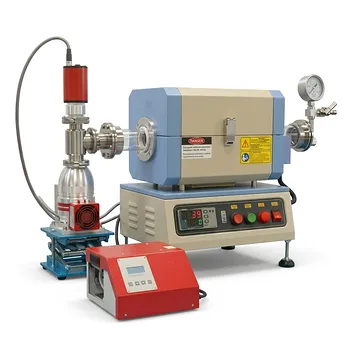
High Vacuum Compact Tube Furnace 1200C with Integrated Turbo Pump System and 8 Inch Heating Zone
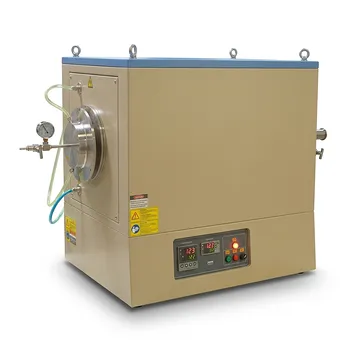
1100°C Large Diameter Quartz Tube Furnace with 24 Inch Heating Zone and Water Cooled Flanges