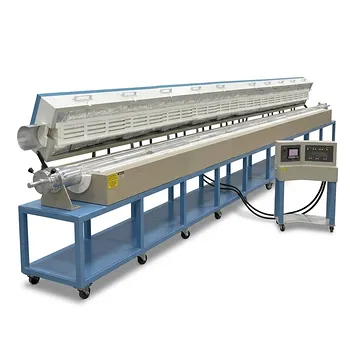
How does a vertical tube furnace facilitate thermoelectric alloy melting? Precision synthesis for material homogeneity.
Updated 3 months ago
Vertical program-controlled tube furnaces serve as the cornerstone of thermoelectric alloy synthesis by providing high-precision thermal profiles and controlled atmospheres. These systems facilitate melting through sustained high temperatures—often reaching 1273 K—and achieve homogenization through extended dwell times and regulated cooling rates. This specific combination of factors ensures the transition from a raw elemental mixture to a uniform, single-phase precursor material.
The vertical program-controlled tube furnace enables the synthesis of advanced thermoelectric alloys by automating complex, multi-stage temperature cycles. By maintaining precise thermal stability over extended periods, it ensures complete atomic diffusion and the formation of a homogeneous crystal structure.
Achieving Thermal Precision for Alloy Synthesis
Complete Melting via Sustained High Temperatures
To synthesize alloys such as (PbTe)0.97(Ag2Te)0.03, the furnace must first reach a state of complete liquidus. The program controller ramps the temperature to 1273 K and maintains it for several hours.
This sustained high heat ensures that all constituent elements are fully melted and capable of reacting. Without this precise thermal energy, the resulting mixture would suffer from elemental segregation or unreacted particles.
Homogenization through Extended Soaking Periods
True homogenization occurs during the soaking phase, where the furnace maintains a specific temperature for a long duration. For many thermoelectric precursors, a dwell time of 48 hours at a stable temperature (e.g., 973 K) is required.
This long-term heating provides the energy necessary for atomic diffusion. It allows the elements to distribute themselves evenly throughout the lattice, resulting in a uniform single-phase structure.
The Role of Controlled Environments
Regulated Cooling Rates and Phase Control
The "program-controlled" aspect of the furnace allows for medium-speed cooling transitions between melting and soaking temperatures. Controlling the rate of cooling is critical to prevent the formation of unwanted secondary phases.
By managing the cooling curve, researchers can dictate the final crystal phase of the alloy. This precision is what separates high-performance thermoelectric materials from standard bulk alloys.
Atmospheric Control and Material Integrity
The sealed nature of the furnace tube creates a controlled microenvironment for the sample. This allows for the introduction of inert or reactive gases at specific flow rates.
Managing the atmosphere prevents oxidation and other surface contamination during the high-temperature cycles. This level of control is essential for maintaining the purity and specific surface morphology required for advanced applications.
Understanding the Trade-offs
Thermal Gradients and Processing Time
While vertical furnaces are excellent for stability, they can be susceptible to thermal gradients along the length of the tube. If the sample is too large or poorly positioned, the top and bottom may experience different thermal histories.
Additionally, achieving high levels of homogenization is a time-intensive process. The energy consumption required to maintain temperatures for 48+ hours is a significant operational cost that must be balanced against the need for material purity.
How to Apply This to Your Project
Making the Right Choice for Your Goal
- If your primary focus is phase purity: Utilize the longest possible dwell times and precise cooling curves to ensure a single-phase precursor structure.
- If your primary focus is preventing contamination: Ensure the tube is vacuum-sealed or purged with high-purity inert gas to maintain atmospheric integrity at peak temperatures.
- If your primary focus is material uniformity: Verify the "hot zone" dimensions of your furnace to ensure your sample sits entirely within the area of maximum thermal stability.
By mastering the intersection of precise temperature regulation and atmospheric control, you can consistently produce the high-quality, homogeneous alloys required for modern thermoelectric devices.
Summary Table:
| Process Phase | Key Parameters | Purpose & Benefit |
|---|---|---|
| Melting | 1273 K | Ensures complete liquidus state and elemental reaction. |
| Soaking/Soaking | 973 K / 48+ Hours | Facilitates atomic diffusion for a single-phase structure. |
| Cooling | Program-Controlled | Regulates phase transitions to prevent secondary phases. |
| Atmosphere | Inert/Reactive Gas | Prevents oxidation and maintains high material purity. |
Elevate Your Material Research with THERMUNITS Precision
Achieving the perfect single-phase structure in thermoelectric alloys requires uncompromising thermal stability. THERMUNITS is a leading manufacturer of high-temperature laboratory equipment for material science and industrial R&D. We offer a comprehensive range of thermal processing solutions, including Vertical and Horizontal Tube Furnaces, Vacuum and Atmosphere Furnaces, CVD/PECVD systems, and Electric Rotary Kilns.
Whether you are synthesizing advanced alloys or performing complex heat treatments, our equipment is designed to provide the precise control your research demands. Contact our technical team today to discuss your specific requirements and discover how our high-performance furnaces can accelerate your development goals.
References
- Yuan Yu, Siyuan Zhang. Ostwald Ripening of Ag<sub>2</sub>Te Precipitates in Thermoelectric PbTe: Effects of Crystallography, Dislocations, and Interatomic Bonding. DOI: 10.1002/aenm.202304442
Mentioned Products
- Vertical 1700C Vacuum and Atmosphere Tube Furnace with 80mm Alumina Tube
- 1100°C Split Vertical Tube Furnace with 80mm Quartz Tube and Stainless Steel Vacuum Flanges
- 500C Vacuum Vertical Tube Furnace 84mm OD Sample Rotation Lifting System
- High Temperature 1700C Vertical Tube Furnace for Powder Spherification and Material Sintering
- Split Vertical Tube Furnace with 1200C Quartz Tube and Stainless Steel Vacuum Flanges for Rapid Thermal Processing
People Also Ask
- How is an industrial-grade vertical tube furnace utilized in smelting leaching residues? Enhance Metal Recovery Efficiency
- What is the function of a laboratory-grade vertical tube furnace in fast pyrolysis? Optimize Composite Research.
- Why is a thermocouple sensor indispensable for monitoring the vertical tube furnace during gallium oxide nanowire production? Optimize VLS Growth
- What are the advantages of a Vertical Tube Furnace for iron coke testing? | Achieve High-Precision CRI Analysis
- What experimental conditions does the vertical tube furnace provide for SOER cell electrochemical characterization?

Tech Team · ThermUnits
Last updated on Jun 02, 2026
Related Products

Vertical 1700C Vacuum and Atmosphere Tube Furnace with 80mm Alumina Tube
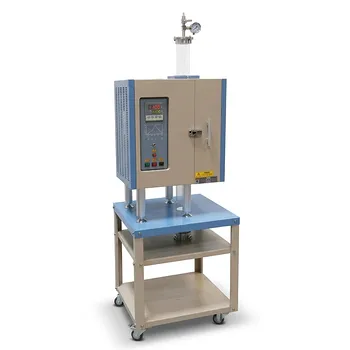
1100°C Split Vertical Tube Furnace with 80mm Quartz Tube and Stainless Steel Vacuum Flanges
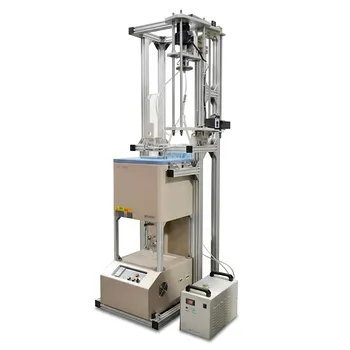
500C Vacuum Vertical Tube Furnace 84mm OD Sample Rotation Lifting System

High Temperature 1700C Vertical Tube Furnace for Powder Spherification and Material Sintering
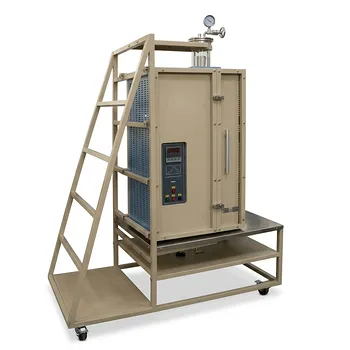
Split Vertical Tube Furnace with 1200C Quartz Tube and Stainless Steel Vacuum Flanges for Rapid Thermal Processing
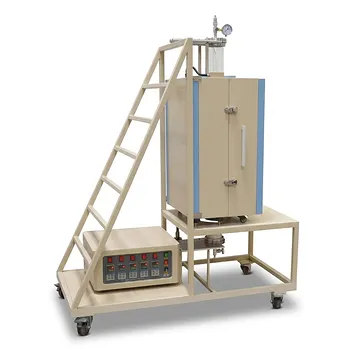
Five Zone Split Vertical Tube Furnace 1200C Max with 4 Inch Quartz Tube and Stainless Steel Vacuum Flanges
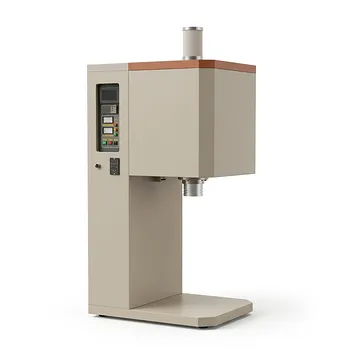
Vertical Openable Tube Furnace 0-1700c High Temperature Laboratory System for CVD and Vacuum Heat Treatment

Compact Vertical Split Quartz Tube Furnace with Stainless Steel Vacuum Flanges for Rapid Thermal Quenching and Controlled Atmosphere Material Processing

1200°C 5 Inch Vertical Quartz Tube Furnace with Stainless Steel Vacuum Flanges
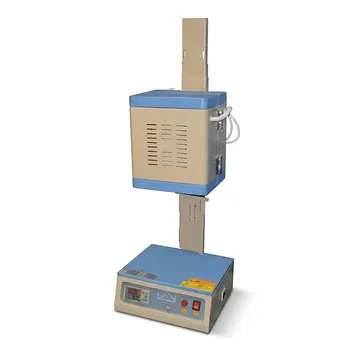
High Temperature Vertical Split Tube Furnace with PID Temperature Controller for 1 and 2 Inch Processing Tubes
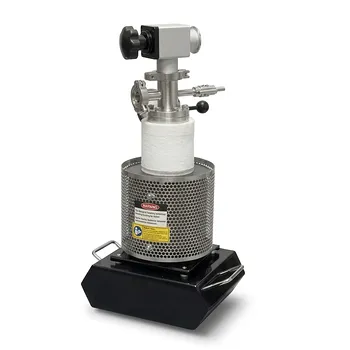
High Temperature 1100C Compact Top Loading Vertical Vacuum Tube Furnace for High Vacuum Noble Metal Melting and Material Research
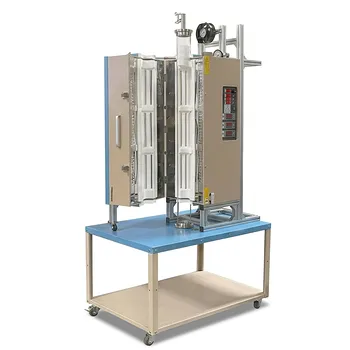
1200C Three Zone Split Vertical Tube Furnace 4 Inch Quartz Tube Stainless Steel Vacuum Flanges
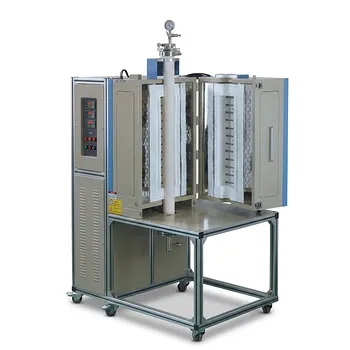
Three Zone Heating Split Vertical Tube Furnace 1700 High Temperature Vacuum Atmosphere Thermal Process System
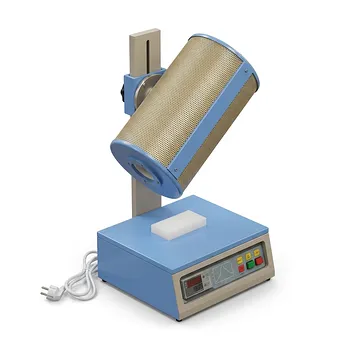
1100°C Vertical Laboratory Furnace for DIY Tubular Reactors with PID Temperature Controller
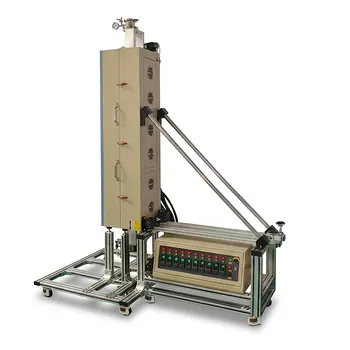
1200°C 10-Zone Split Tube Furnace with Horizontal and Vertical Mounting for Multi-Zone Thermal Gradients and Large Diameter Material Processing
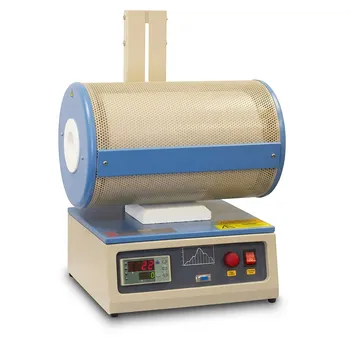
Multi Position Tube Furnace 1100C for Laboratory Material Research and Advanced Industrial Thermal Processing
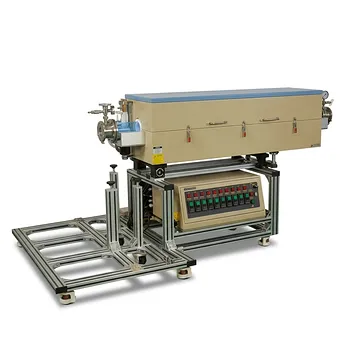
Ten Zone Multi Orientation Laboratory Tube Furnace for 1200C High Temperature Gradient Thermal Processing

High Vacuum Compact Tube Furnace 1200C with Integrated Turbo Pump System and 8 Inch Heating Zone
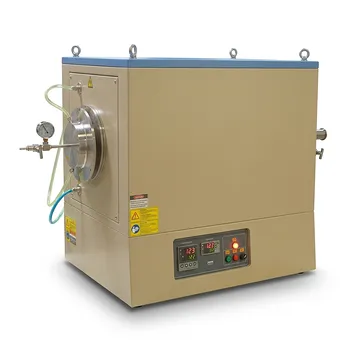
1100°C Large Diameter Quartz Tube Furnace with 24 Inch Heating Zone and Water Cooled Flanges