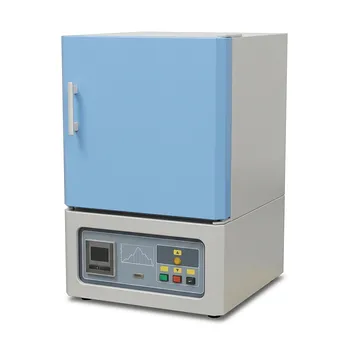
What is the primary function of a muffle furnace for seaweed-based carbon? Optimize Your Material Purity & Analysis
Updated 5 months ago
The primary function of a high-temperature muffle furnace is the quantitative determination of volatile matter and ash content through programmed thermal decomposition. By maintaining stable thermal radiation, the furnace allows for the precise incineration of seaweed-based activated carbon to isolate mineral residues and calculate the remaining fixed carbon content.
A muffle furnace acts as the definitive tool for evaluating material purity and carbon composition. It enables researchers to quantify the efficiency of mineral removal and ensures the activated carbon meets the structural requirements for industrial adsorption.
Quantitative Analysis of Industrial Components
Measuring Volatile Matter Through Pyrolysis
The muffle furnace provides the controlled environment necessary to drive off volatile organic compounds trapped within the seaweed biomass. This is typically achieved at temperatures between 600°C and 800°C under oxygen-limited conditions to ensure that only the volatile gases escape without burning the carbon skeleton.
Determination of Ash Content and Purity
By performing complete aerobic combustion at approximately 800°C, the furnace removes all organic carbon components, leaving only the inorganic mineral residues. The mass of this remaining "ash" is critical for evaluating how effectively previous washing or acid-etching stages removed impurities like salts or silica.
Calculation of Fixed Carbon
Once the percentages of moisture, volatiles, and ash are determined, the fixed carbon content can be mathematically derived. This value represents the stable carbon framework that contributes to the material's mechanical strength and potential for pore development.
Evaluating the Success of the Activation Process
Validating Mineral Removal Efficiency
The furnace serves as a final physical detection method to judge the effectiveness of alkaline infusion or acid etching. A lower residual ash percentage indicates a more successful purification process, resulting in a higher-quality, more porous finished product.
Influence on Pore Structure Development
While primarily used for analysis, the furnace also facilitates the thermochemical reactions required to etch the carbon skeleton. High-temperature maintenance allows activators (like sulfuric acid or KOH) to create the micropores and mesopores that determine the final adsorption capacity and iodine value.
Establishing a Graphitized Carbon Framework
The uniform thermal field provided by the muffle furnace promotes the formation of a stable graphitized structure. This structural stability is essential for ensuring that the seaweed-based carbon can withstand industrial use without collapsing or degrading.
Understanding the Trade-offs and Limitations
Precision vs. Sample Volatility
While the furnace is highly accurate, heating rates must be strictly controlled (often at 5°C per minute) to prevent the energetic release of volatiles. If the heating rate is too aggressive, it can cause sample splashing or "popcorning," leading to inaccurate mass measurements.
Temperature Uniformity Risks
Inexpensive or poorly maintained furnaces may suffer from thermal gradients, where the temperature in the center of the chamber differs from the corners. This inconsistency can result in incomplete carbonization or uneven ash distribution, compromising the reliability of the industrial component data.
Atmosphere Control Challenges
Distinguishing between pyrolysis (for volatiles) and combustion (for ash) requires precise control over the oxygen levels within the chamber. Errors in sealing the furnace or controlling gas flow can lead to "over-burning," where the carbon intended for measurement is accidentally oxidized.
How to Utilize Furnaces for Quality Analysis
Practical Recommendations for Product Development
Industrial seaweed carbon production relies on furnace data to move from raw biomass to a high-performance adsorbent.
- If your primary focus is maximizing purity: Utilize the furnace for a complete aerobic burn at 800°C to quantify residual ash and verify that your washing processes have removed all inorganic salts.
- If your primary focus is adsorption capacity: Focus on the pyrolysis of volatiles at 600°C–750°C to ensure the carbon skeleton is properly developed without collapsing the pore network through excessive heat.
- If your primary focus is process optimization: Monitor the fixed carbon ratio relative to the heating rate to find the "sweet spot" where volatile removal is maximized without sacrificing the yield of the carbon framework.
A properly calibrated muffle furnace is the bridge between raw seaweed biomass and a high-performance, industrial-grade activated carbon.
Summary Table:
| Analysis Component | Thermal Process | Temp Range | Analytical Objective |
|---|---|---|---|
| Volatile Matter | Pyrolysis (Oxygen-limited) | 600°C - 800°C | Remove VOCs without burning carbon skeleton |
| Ash Content | Aerobic Combustion | ~800°C | Isolate inorganic mineral residues |
| Fixed Carbon | Calculation | N/A | Determine stable framework and mechanical strength |
| Pore Structure | Thermochemical Activation | High Temp | Enhance adsorption capacity and iodine value |
Precision Thermal Solutions for Advanced Material Science
THERMUNITS is a leading manufacturer of high-temperature laboratory equipment dedicated to supporting material science and industrial R&D. We provide a comprehensive range of thermal processing solutions, including Muffle, Vacuum, Atmosphere, Tube, Rotary, and Hot Press furnaces, as well as CVD/PECVD systems, Dental Furnaces, and Vacuum Induction Melting (VIM) furnaces.
Our equipment ensures the stable thermal radiation and precise atmosphere control required for complex tasks like measuring the industrial components of seaweed-based activated carbon. Partner with us to enhance your laboratory's efficiency and achieve superior material purity.
Ready to upgrade your thermal processing capabilities? Contact THERMUNITS Today for a Custom Quote
References
- Jonas De Smedt, Frederik Ronsse. The feasibility of activated carbon derived from waste seaweed via molten salt activation in a eutectic mixture of ZnCl2-NaCl-KCl for adsorption of anionic dyes. DOI: 10.1007/s13399-024-06117-9
Mentioned Products
- High Temperature 1500C Benchtop Muffle Furnace 3.6L Alumina Fiber Chamber Programmable Controller Sintering Annealing Carbonization Thermal Processing System
- 1800°C Bench Top Ultra High Temperature Muffle Furnace with Sapphire Observation Window and Top Feeding Port for Materials Research and Thermal Processing
- High Temperature 1700C Bench Top Muffle Furnace with Alumina Fiber Insulation and 3.6L Chamber Capacity for Precision Sintering and Heat Treatment
- High Temperature Muffle Furnace with Alloy Chamber for Debinding and Sintering Applications
- 1200°C High Temperature Muffle Furnace 19L Chamber with 50 Segment Programmable Controller
People Also Ask
- Why is annealing in a high-temperature muffle furnace necessary for SiO2/Si substrate pretreatment before monolayer WS2 synthesis?
- What is the purpose of using muffle or tube furnaces in glass synthesis? Achieve Precise Melt-Quenching & Homogeneity
- What is the role of a high-temperature muffle furnace in the synthesis of graphitic carbon nitride (g-C3N4)? - Guide
- What is the necessity of 950 °C muffle furnace for aluminate spinel supports? Achieve Phase Purity & Lattice Integration
- What is the function of a high-temp muffle furnace in Ni-V oxide synthesis? Optimize your material's performance.

Tech Team · ThermUnits
Last updated on Apr 14, 2026
Related Products
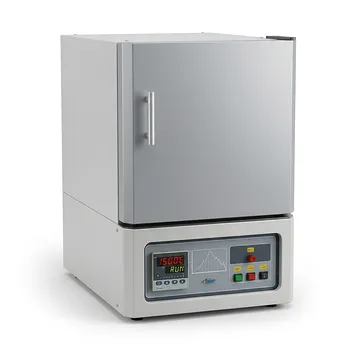
High Temperature 1500C Benchtop Muffle Furnace 3.6L Alumina Fiber Chamber Programmable Controller Sintering Annealing Carbonization Thermal Processing System
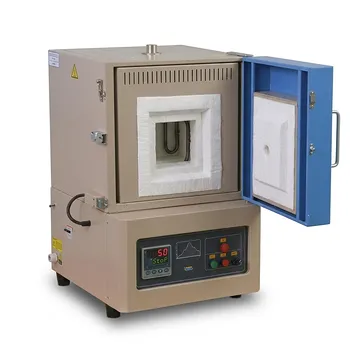
1800°C Bench Top Ultra High Temperature Muffle Furnace with Sapphire Observation Window and Top Feeding Port for Materials Research and Thermal Processing
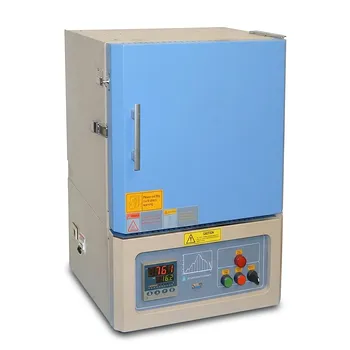
High Temperature 1700C Bench Top Muffle Furnace with Alumina Fiber Insulation and 3.6L Chamber Capacity for Precision Sintering and Heat Treatment
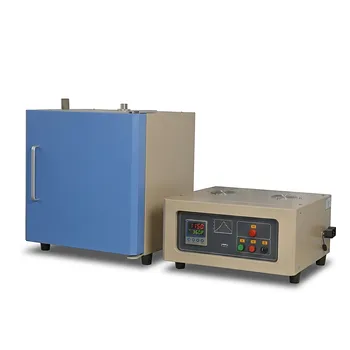
High Temperature Muffle Furnace with Alloy Chamber for Debinding and Sintering Applications
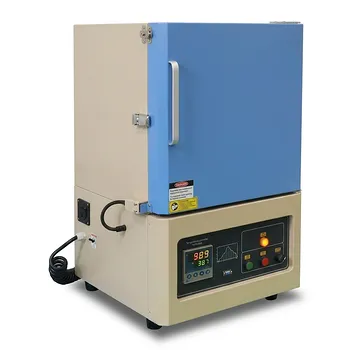
1200°C High Temperature Muffle Furnace 19L Chamber with 50 Segment Programmable Controller
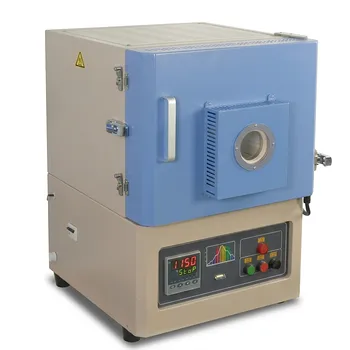
High Temperature Benchtop Muffle Furnace with Quartz Observation Window for Thermal Imaging and Material Analysis
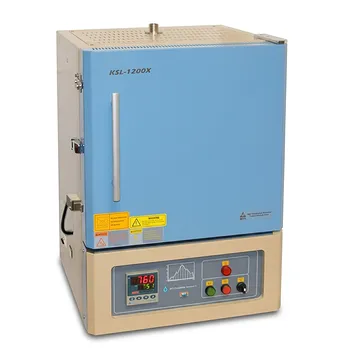
High Temperature 1200C Muffle Furnace 27L Volume 12x12x12 Chamber with Programmable PID Controller for Laboratory Material Science
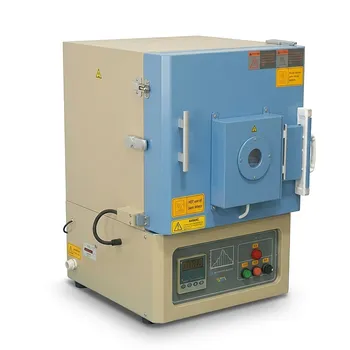
High Temperature Benchtop Muffle Furnace 1500C with 3.6L Chamber and Quartz Observation Window
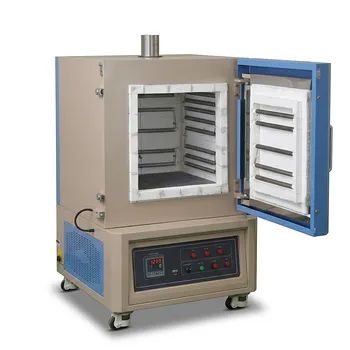
1200C High Temperature 125L Muffle Furnace 5 Side Heating for Large Batch Sintering with Optional Alloy Debinding Chamber
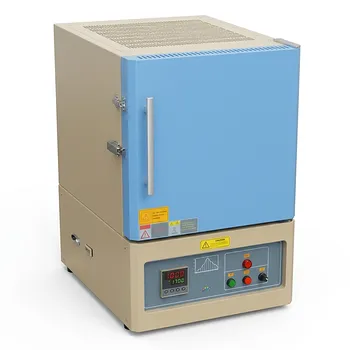
Large Bench Top 1700C High Temperature Muffle Furnace with 19L Chamber for Advanced Material Sintering and Annealing
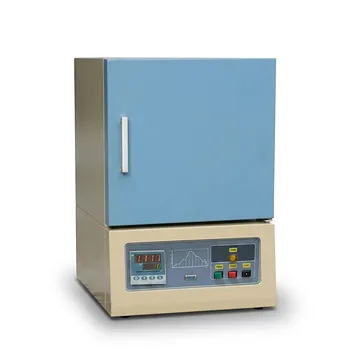
Ultra High Temperature Bench Top Muffle Furnace 1750C Sintering System with Kanthal Super Heating Elements and Precision Digital Control
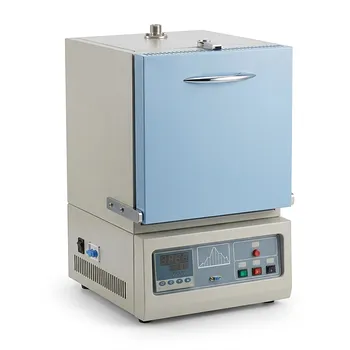
1750C Compact Muffle Furnace 1.7L Ultra High Temperature Laboratory Sintering System for Advanced Ceramics and Material Science Research
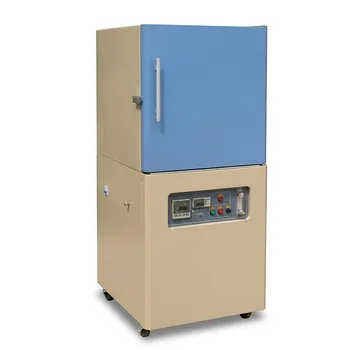
High Temperature Muffle Furnace with Dual Controllers and 36L Large Chamber 1700C Max
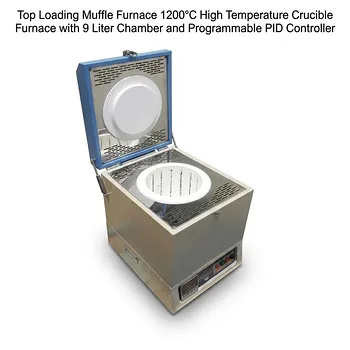
Top Loading Muffle Furnace 1200°C High Temperature Crucible Furnace with 9 Liter Chamber and Programmable PID Controller
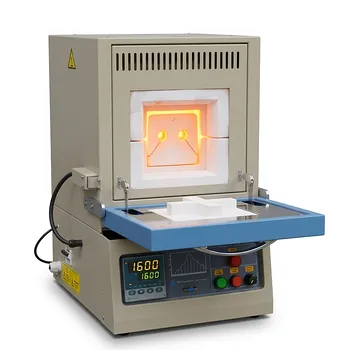
High Temperature Compact Muffle Furnace 1700 C with 30 Segment Programmable Controller and 1.7L Cubic Chamber
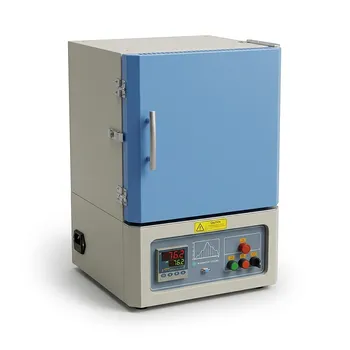
1750C Bench Top Muffle Furnace 3.6L High Grade Molybdenum Disilicide Heating Elements Laboratory Heat Treatment Equipment
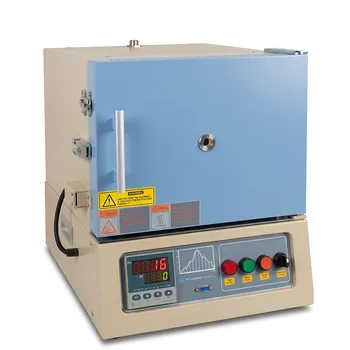
1200C Muffle Furnace 12x8x5 7.2L Heating Chamber with Quartz Observation Window and Vent Port
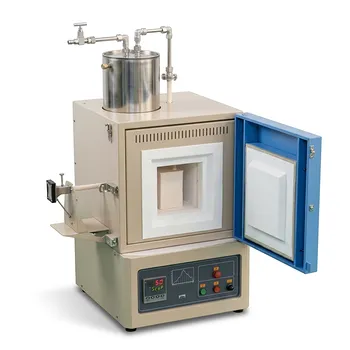
High Temperature Bench Top Muffle Furnace 1700C with Integrated Evaporating Particle Collection and 8x8x8 Alumina Fiber Chamber
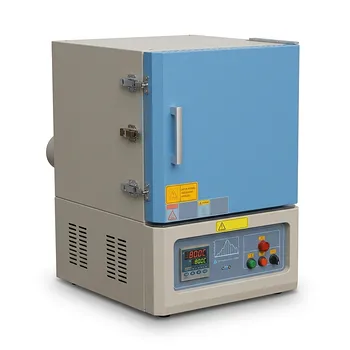
1800C Bench Top Muffle Furnace 18 Liters with Kanthal Super 1900 Heating Elements for High Purity Ceramic Sintering and Material Research