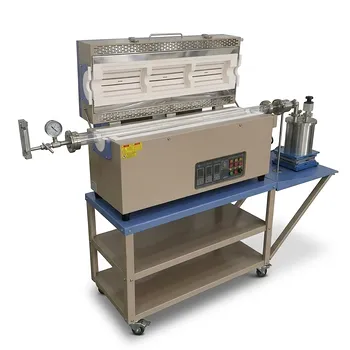
What is the role of a controlled rotary tube furnace in pre-sulfidation of NiMo catalysts? Optimize Active Phase Formation
Updated 5 months ago
The controlled rotary tube furnace is the primary instrument used to transform inactive NiMo/alumina oxides into their highly active sulfide phases. By providing a dynamic environment where catalyst particles are continuously agitated within a pressurized mixture of hydrogen sulfide (H$_2$S) and hydrogen (H$_2$), the furnace ensures that the entire catalyst batch reaches a uniform state of chemical reduction and sulfidation. This precise thermochemical treatment, typically conducted at temperatures around 360°C, is essential for activating the catalyst for complex reactions like the hydrodeoxygenation of biomass pyrolysis oil.
The core role of a controlled rotary tube furnace is to facilitate the uniform and complete conversion of metal precursors into the Ni-Mo-S active phase through synchronized mechanical rotation and precise atmospheric control. This process maximizes the density of active sites and prevents the uneven activation that often plagues static thermal treatments.
Achieving Uniformity Through Mechanical Rotation
Overcoming Gas Channeling and Temperature Gradients
In a static furnace, gas often follows the path of least resistance, leading to "channeling" where some catalyst particles are over-processed while others remain unreacted. The rotary motion of the tube furnace physically agitates the catalyst bed, ensuring that every grain makes full and frequent contact with the H$_2$S/H$_2$ gas stream.
Ensuring Homogeneous Particle Treatment
Continuous rotation eliminates internal temperature gradients within the catalyst bed. This thermal uniformity is critical because even minor fluctuations in temperature can lead to inconsistent grain sizes or the incomplete conversion of molybdenum components into the required layered molybdenum disulfide (MoS$_2$) structure.
Precision Control of the Sulfiding Environment
Regulating the H2S/H2 Chemical Potential
The furnace allows for the precise regulation of gas flow and pressure, maintaining the specific H$_2$S/H$_2$ ratios required for the sulfidation reaction. This controlled atmosphere is necessary to drive the transition from an oxide state to the Ni-Mo-S sulfide phase, which is the primary driver of hydrodesulfurization and hydrodeoxygenation activity.
Multi-Stage Temperature Programming
Modern rotary furnaces support programmable temperature profiles, allowing researchers to apply specific heating rates, such as 2°C/min. This slow, controlled ramp-up prevents the aggregation of nickel and molybdenum atoms into inactive clusters, instead anchoring them firmly to the alumina support as finely dispersed active sites.
Driving the Formation of the Active Ni-Mo-S Phase
Facilitating Phase Transformation
The primary goal of pre-sulfidation is the conversion of oxidized metal components into a layered MoS$_2$ phase promoted by nickel. The rotary furnace provides the high-temperature (350°C–400°C) reducing environment needed to break metal-oxygen bonds and replace them with metal-sulfur bonds, creating the necessary electronic metal-support interactions (EMSI).
Maximizing Exposed Active Sites
The accuracy of the furnace's temperature control directly impacts the number of active sites exposed on the catalyst surface. By maintaining a stable, narrow temperature window, the furnace ensures the formation of the specific crystal structures—such as nanorod arrays or double-shell hollow structures—that provide the highest catalytic surface area.
Understanding the Trade-offs and Limitations
Safety and Corrosion Challenges
Operating a rotary furnace with H$_2$S presents significant safety risks due to the gas's high toxicity and flammability. Furthermore, the combination of high heat and sulfur is highly corrosive to standard furnace materials, necessitating the use of specialized, corrosion-resistant alloys for the rotary tube.
Mechanical Attrition
While rotation ensures uniformity, the physical tumbling of the catalyst can lead to mechanical attrition. If the catalyst particles are fragile, the rotation may grind them into fines, which can cause pressure drops in downstream industrial reactors.
How to Optimize Your Pre-Sulfidation Process
Making the Right Choice for Your Goal
- If your primary focus is maximizing catalytic activity: Prioritize a furnace with high-precision gas mixing and multi-stage temperature programming to ensure the complete formation of the Ni-Mo-S phase.
- If your primary focus is catalyst durability: Use lower rotation speeds to minimize mechanical attrition of the alumina support while maintaining a slow temperature ramp to prevent metal sintering.
- If your primary focus is industrial scalability: Ensure the furnace design allows for continuous or large-batch processing while maintaining a strictly controlled inert gas protective environment.
By mastering the variables of rotation, atmosphere, and temperature, the rotary tube furnace acts as the definitive tool for engineering high-performance NiMo/alumina catalysts.
Summary Table:
| Feature | Role in Pre-Sulfidation | Impact on Catalyst Quality |
|---|---|---|
| Mechanical Rotation | Eliminates gas channeling & temperature gradients | Ensures uniform activation of the entire batch |
| Atmosphere Control | Regulates H2S/H2 chemical potential | Drives the transition to highly active Ni-Mo-S phase |
| Precision Heating | Supports multi-stage ramp-up (e.g., 2°C/min) | Prevents metal aggregation & maximizes active sites |
| Agitated Bed | Continuous particle motion | Achieves homogeneous treatment and consistent grain size |
| Sealed System | Manages toxic H2S and high pressure | Ensures safe and reliable thermochemical processing |
Elevate Your Material Research with THERMUNITS Precision Furnaces
Achieving the perfect Ni-Mo-S active phase requires absolute control over temperature, atmosphere, and agitation. THERMUNITS is a leading manufacturer of high-temperature laboratory equipment, providing specialized solutions for material science and industrial R&D.
Whether you are performing catalyst pre-sulfidation, CVD synthesis, or advanced heat treatment, our comprehensive range of equipment is designed to meet the most rigorous standards:
- Specialized Furnaces: Rotary, Tube, Vacuum, Atmosphere, Muffle, and Hot Press Furnaces.
- Advanced Systems: CVD/PECVD systems, Dental Furnaces, and Vacuum Induction Melting (VIM) Furnaces.
- Industrial Solutions: Electric rotary kilns and high-performance Thermal Elements.
Maximize your active site density and ensure batch-to-batch consistency. Contact our technical experts today to discuss your specific thermal processing requirements and discover how THERMUNITS can empower your next breakthrough.
References
- Dongjin Seo, Joo-Il Park. The Characteristics of Hydrodeoxygenation of Biomass Pyrolysis Oil over Alumina-Supported NiMo Catalysts. DOI: 10.3390/catal15010006
Mentioned Products
- High Temperature Tilting Rotary Tubular Furnace for Continuous Powder Thermal Processing and Controlled Atmosphere Sintering
- Three Temperature Zone Rotating Tube Furnace for Material Sintering and Controlled Atmospheric Heat Treatment
- High Temperature Tilting Rotary Tube Furnace with Integrated Mass Flow Control and Multi Zone Heating
- High Temperature 1700C Dual Zone Rotary Tube Furnace with 60mm Alumina Tube and Precision Rotation Control
- 5 Inch Three Zone Rotary Tube Furnace with Integrated Gas Delivery System and 1200C Capability for Advanced Material CVD Processing
People Also Ask
- How does a rotary tube furnace improve the processing of granular materials? Enhance Uniformity and Reaction Kinetics
- What parameters must operators control to maintain product quality in a rotary furnace? Master Your Heat Treatment.
- What are the typical operating temperature ranges and mechanical specifications for rotary furnaces? A Complete Guide
- Why use a rotary tube furnace for FACS carbonization? Ensure uniform morphology and prevent sphere agglomeration.
- In what ways do rotary tube furnaces enhance chemical and specialty mineral processing? Drive Precision and Uniformity.

Tech Team · ThermUnits
Last updated on Apr 14, 2026
Related Products
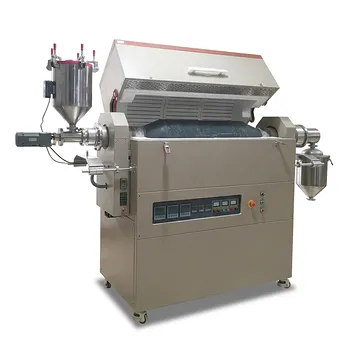
High Temperature Tilting Rotary Tubular Furnace for Continuous Powder Thermal Processing and Controlled Atmosphere Sintering
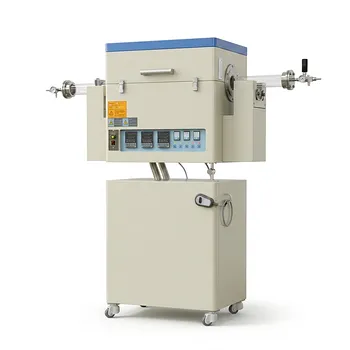
Three Temperature Zone Rotating Tube Furnace for Material Sintering and Controlled Atmospheric Heat Treatment
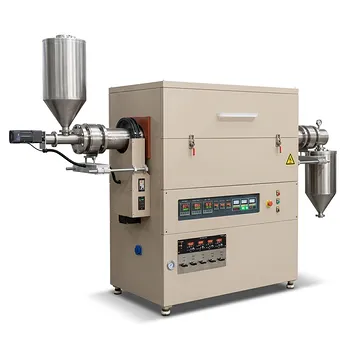
High Temperature Tilting Rotary Tube Furnace with Integrated Mass Flow Control and Multi Zone Heating
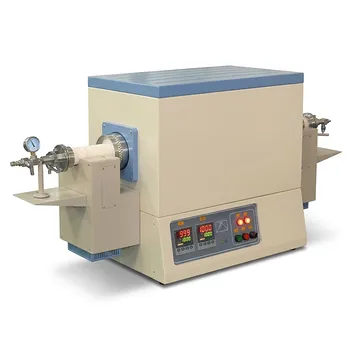
High Temperature 1700C Dual Zone Rotary Tube Furnace with 60mm Alumina Tube and Precision Rotation Control
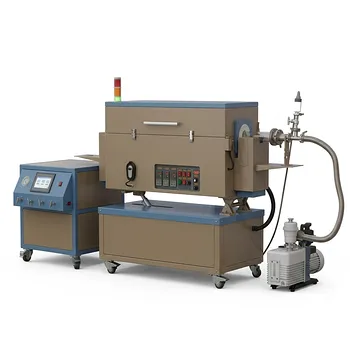
5 Inch Three Zone Rotary Tube Furnace with Integrated Gas Delivery System and 1200C Capability for Advanced Material CVD Processing
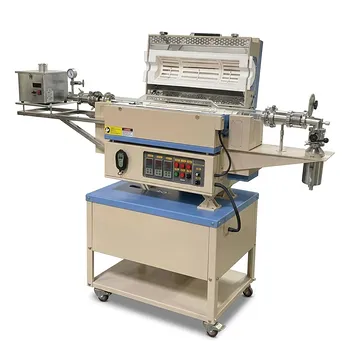
5 Inch Rotary Tube Furnace with Automatic Feeding and Receiving System 1200C Three Zone CVD Powder Processing

Compact Vertical Split Quartz Tube Furnace with Stainless Steel Vacuum Flanges for Rapid Thermal Quenching and Controlled Atmosphere Material Processing
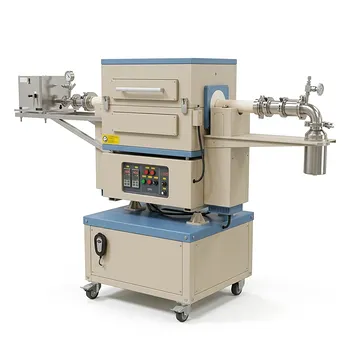
1500C Max Dual Zone Rotary Tube Furnace with 60 mm OD Alumina Tube for High Temperature Material Synthesis
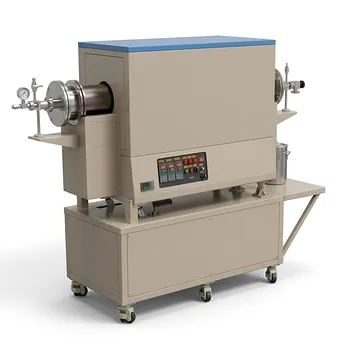
900°C Max Rotary Tube Furnace with 8 Inch 310S Alloy Tube and Optional Multi Zone Heating for Industrial Material Calcination
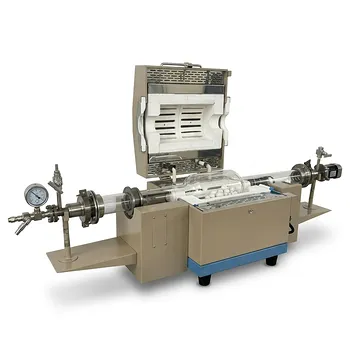
High Temperature Rotary Tube Furnace with Integrated Ball Milling and Gas Flow Function for Powder Nitriding
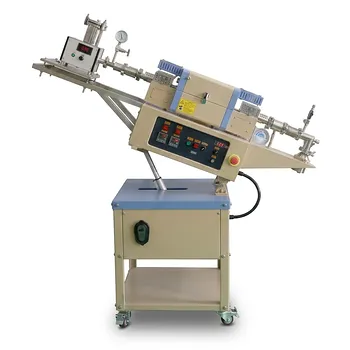
1100°C Dual Zone Rotary Tube Furnace with Automatic Feeding and Collection System for Continuous Powder Processing
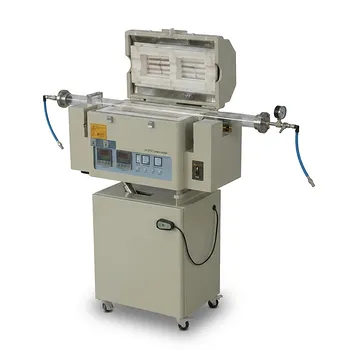
Double Temperature Revolving Tube Furnace with Precision Rotation and Adjustable Inclination for Advanced Material Research
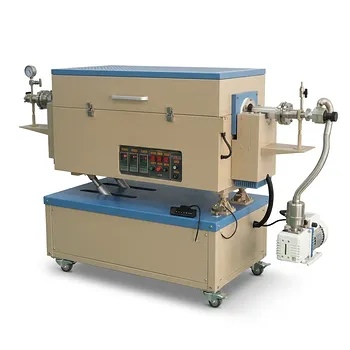
Three Zone Rotary Tube Furnace for High Temperature Powder Processing and Material Research
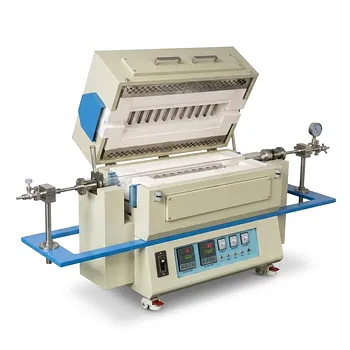
High Temperature Dual Zone Rotating Tube Furnace 1500C Silicon Carbide Heating for Advanced Material Synthesis
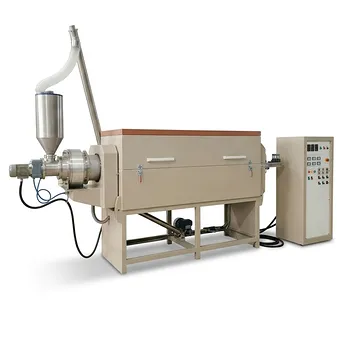
Continuous Feeding Rotary Tube Furnace for Industrial Powder Heat Treatment and Material Research
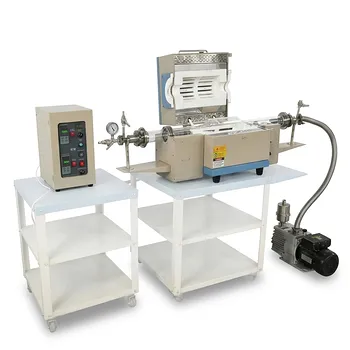
Two Zone Rotary Tube Furnace for Powder CVD Coating and Core Shell Material Synthesis 1100C
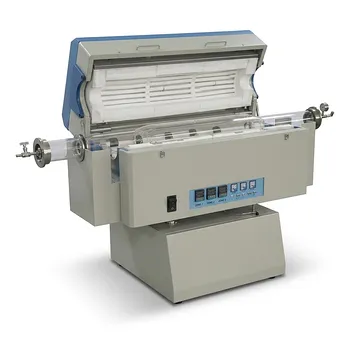
Large Three Temperature Zone Rotating Tube Furnace for High Uniformity Material Sintering
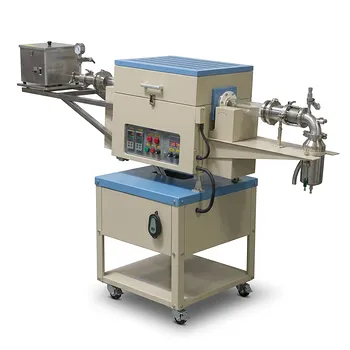
Two Zone Rotary CVD Furnace with Automatic Feeding and Receiving System for Powder Processing
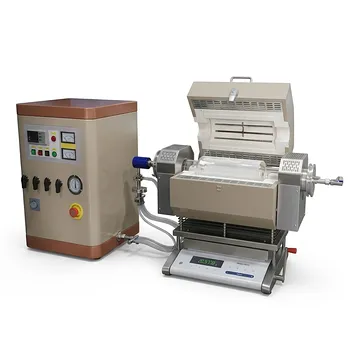
Mini Rotary Tubular Furnaces for Precision Powder Heat Treatment and Thermogravimetric Analysis