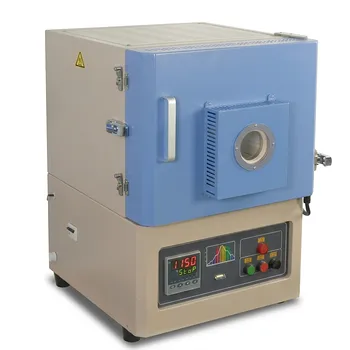
What is the role of a high-temperature box resistance furnace in tin smelting experiments? Ensure Raw Material Purity
Updated 3 months ago
In the raw material pretreatment stage of tin smelting, the high-temperature box resistance furnace—or muffle furnace—is primarily used for the calcination of oxide materials like tin oxide, iron oxide, and quartz. By maintaining a steady temperature of 950°C for several hours, the furnace eliminates crystal water and volatile impurities. This process is critical for ensuring the chemical precision of experimental ratios and preventing physical failure of the samples during subsequent high-heat cycles.
The high-temperature box resistance furnace acts as a stabilization tool that purifies raw materials and removes moisture. This ensures that the chemical composition remains accurate and prevents experimental samples from bursting or "sputtering" when they reach smelting temperatures.
The Primary Role: Calcination and Purification
Removal of Moisture and Volatiles
At the pretreatment stage, raw materials often contain adsorbed physical water, combined chemical water, and various volatile impurities. The furnace provides a sustained thermal environment that drives these components out of the oxides. Without this step, the presence of moisture can cause composition fluctuations that compromise the validity of the smelting experiment.
Preservation of Chemical Ratios
In metallurgical experiments, the precision of the initial mixture is paramount to understanding the reaction. By removing "hidden" mass like water and volatiles through calcination, researchers can ensure that the mass they weigh corresponds strictly to the intended chemical compounds. This ensures the accuracy of the slag or metal yield calculations in later stages.
Prevention of Sample Bursting
Materials containing trapped moisture or gas can undergo rapid expansion when exposed to the intense heat of a smelting furnace. By pre-treating materials in a box resistance furnace, you ensure that the samples are thermally stable. This prevents the physical sputtering or bursting of materials, which could otherwise lead to material loss or damage to the experimental equipment.
Achieving Structural and Chemical Readiness
Regulating Powder Characteristics
The thermal environment of the furnace can be used to regulate the specific surface area of oxide powders. This is vital for controlling the physical behavior of the mixture, such as slurry viscosity during preparation or the uniformity of the blend. Consistent powder characteristics are essential for achieving a homogenous liquid phase during the smelting reaction.
Facilitating Pre-oxidation and Transitions
In certain experimental contexts, the furnace is used to increase oxygen content or facilitate phase transformations, such as converting linear polymers into heat-resistant structures. For tin smelting, this thermal baseline ensures that the materials are in their most stable oxide form before the reduction process begins. This control allows researchers to define a clear "initial state" for their experimental data.
Understanding the Trade-offs
Temperature Precision vs. Accuracy
While these furnaces offer stable environments, the actual temperature of the material may lag behind the furnace’s sensor reading. If the temperature is too low, residual moisture may remain; if it is too high, some oxides may begin to sinter prematurely, making them difficult to mix.
Contamination and Atmosphere Control
Pretreatment usually occurs in an air atmosphere, which is ideal for oxidation but can introduce contaminants if the furnace interior is not clean. Furthermore, while the furnace's ventilation helps discharge gases like carbon dioxide, improper venting can lead to the re-adsorption of impurities onto the powder surfaces as the furnace cools.
How to Apply This to Your Smelting Project
Recommendations for Pretreatment
To ensure your tin smelting experiments yield reliable and repeatable data, consider the following technical guidelines based on your specific requirements:
- If your primary focus is Chemical Precision: Calcine your raw oxides at 950°C for several hours to ensure all volatile mass is removed before weighing your mixture.
- If your primary focus is Equipment Safety: Prioritize a slow ramp-up in the box furnace to remove moisture, which eliminates the risk of sample sputtering and furnace damage during the smelting phase.
- If your primary focus is Mixture Uniformity: Use the furnace to regulate the powder’s surface area, ensuring that the subsequent ball milling or mixing results in a perfectly homogenous feed.
By meticulously controlling the pretreatment environment in a box resistance furnace, you transform raw oxides into a stable, high-purity foundation for successful smelting experiments.
Summary Table:
| Key Role | Technical Benefit | Typical Parameters |
|---|---|---|
| Calcination | Removes crystal water and volatile impurities to ensure chemical purity. | 950°C for several hours |
| Mass Precision | Ensures weighed material reflects intended chemical ratios, not hidden moisture. | Stable thermal baseline |
| Safety Support | Prevents "sputtering" or bursting of samples during high-heat smelting cycles. | Controlled ramping |
| Powder Regulation | Regulates surface area and viscosity for homogenous mixing and reaction. | Uniform heat distribution |
Achieve Unmatched Precision in Material Smelting with THERMUNITS
As a global leader in high-temperature laboratory equipment, THERMUNITS provides the critical thermal stability required for advanced material science and industrial R&D. Our high-performance Muffle Furnaces are specifically designed to handle rigorous pretreatment tasks like calcination and purification, ensuring your research yields repeatable, high-accuracy results.
Our comprehensive range of thermal processing solutions includes:
- Muffle, Vacuum, and Atmosphere Furnaces
- Tube, Rotary, and Hot Press Furnaces
- CVD/PECVD Systems & Dental Furnaces
- Electric Rotary Kilns & Vacuum Induction Melting (VIM) Furnaces
- High-Quality Thermal Elements
Don't let moisture or impurities compromise your experimental integrity. Partner with THERMUNITS for equipment that balances temperature accuracy with long-term durability.
Contact Our Engineering Team Today to find the perfect heat treatment solution for your laboratory needs!
References
- Afif Nur Iksan, Taufiq Hidayat. Thermodynamic Simulation and Laboratory-Scale Experiments of Tin Smelting at Al<sub>2</sub>O<sub>3</sub> Saturation. DOI: 10.1021/acsomega.4c07621
Mentioned Products
- High Temperature 1700℃ Eight Chamber Box Furnace with Automatic Doors for Autonomous Material Research and High Throughput Heat Treatment
- 1650C High Temperature Atmosphere Controlled Box Furnace with 65L Chamber for Advanced Material Sintering and Industrial Heat Treatment
- Automated 1700C High Temperature Bottom Loading Box Furnace with PC Software Control and Robotic Integration Capability
- High Temperature Four Chamber Box Furnace for High Throughput Materials Research and Space Saving Thermal Processing
- Hybrid High Temperature Tube and Box Furnace 1700C with 2 Inch Alumina Tube for Material Research
People Also Ask
- What is the role of a high-temperature box furnace in the solid-state synthesis of Europium-doped M3MgSi2O8 phosphors?
- What is the role of a high-temperature box furnace in Na3MnZr(PO4)3 synthesis? Engineering High-Performance NASICON.
- Why is a high-temperature box furnace required for 1250°C ferrite calcination? Ensure Precise Phase Transformation.
- How does a high-temp box furnace aid rare-earth oxysulfide phosphor synthesis? Enhance Purity & Luminescence
- What role does an industrial-grade high-temperature furnace play in C2F sintering? Achieve Pure Phase and High Strength

Tech Team · ThermUnits
Last updated on Jun 03, 2026
Related Products
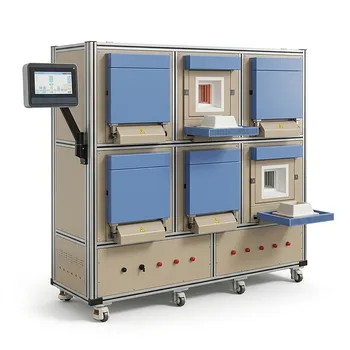
High Temperature 1700℃ Eight Chamber Box Furnace with Automatic Doors for Autonomous Material Research and High Throughput Heat Treatment
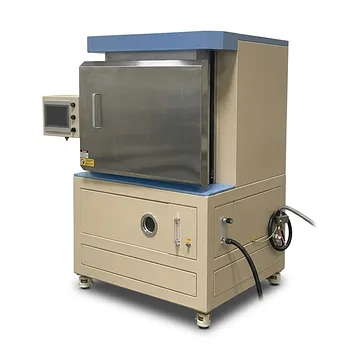
1650C High Temperature Atmosphere Controlled Box Furnace with 65L Chamber for Advanced Material Sintering and Industrial Heat Treatment
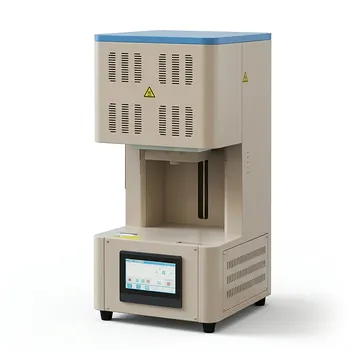
Automated 1700C High Temperature Bottom Loading Box Furnace with PC Software Control and Robotic Integration Capability
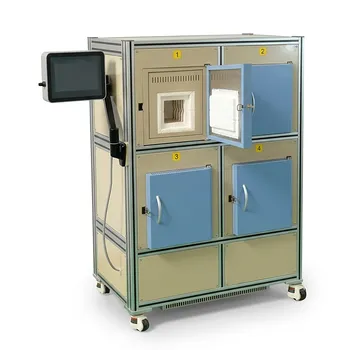
High Temperature Four Chamber Box Furnace for High Throughput Materials Research and Space Saving Thermal Processing
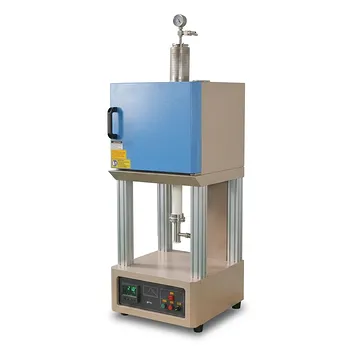
Hybrid High Temperature Tube and Box Furnace 1700C with 2 Inch Alumina Tube for Material Research
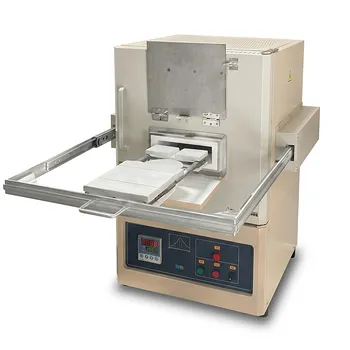
1700C Box Furnace with Sliding Platform for Rapid Heating and Cooling High Temperature Thermal Processing System
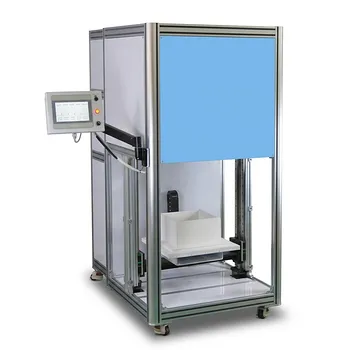
High Temperature 1600°C Three Zone Heated Bottom Loading Box Furnace with Rapid Thermal Processing Chamber 72L Volume
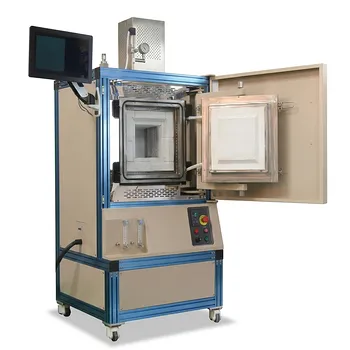
High Temperature Hydrogen Atmosphere Box Furnace 1650C Max Reducing Environment Material Synthesis System 8x8x8 Chamber
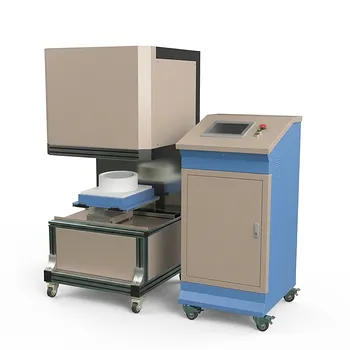
High Temperature Bottom Loading Box Furnace for Rapid Thermal Processing 1700C 40L Capacity
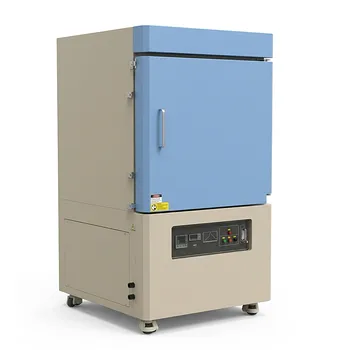
Industrial Large Box Furnace 1700C 216L High Temp Muffle Sintering System
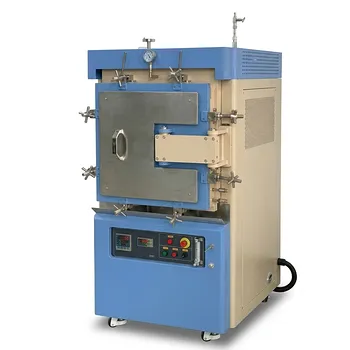
High Temperature Economic Hydrogen Gas Box Furnace 1600C Atmosphere Controlled Thermal Processing System 65L Capacity
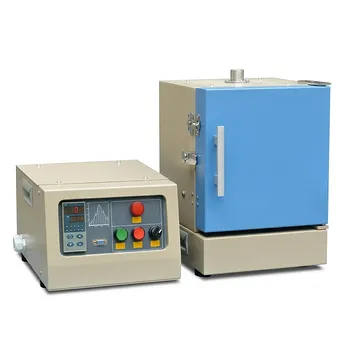
1200C Small Box Muffle Furnace with Separated Programmable Controller and 4.2L Alumina Fiber Chamber
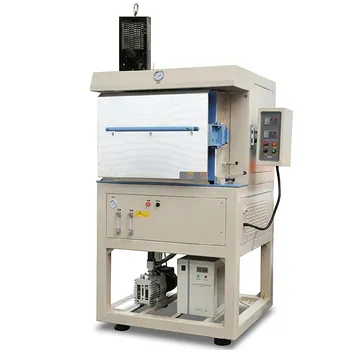
1200C Hydrogen Atmosphere Box Furnace with 5 Heated Sides and 64L Chamber
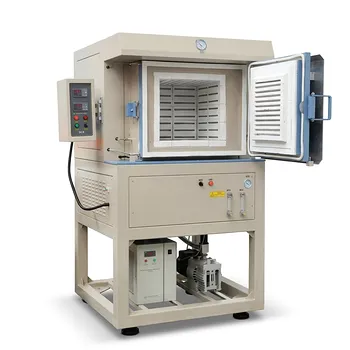
1200°C Five Side Heating Atmosphere Controlled Muffle Furnace 64 Liter High Uniformity Box Furnace for Material Synthesis
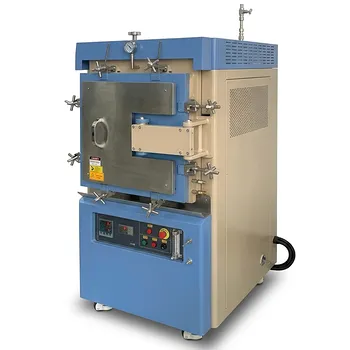
Atmosphere Controlled Muffle Furnace 1700C Maximum Temperature 80L High Capacity Vacuum Inert Gas Box Furnace
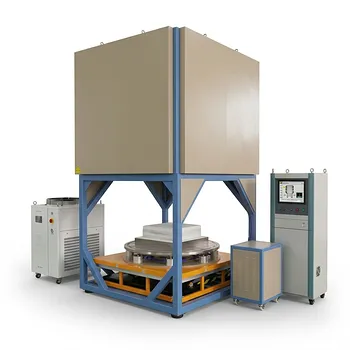
Bottom Loaded Inert Gas Atmosphere Box Furnace 1700C 1300C 216L Large Capacity Industrial Thermal Processing System
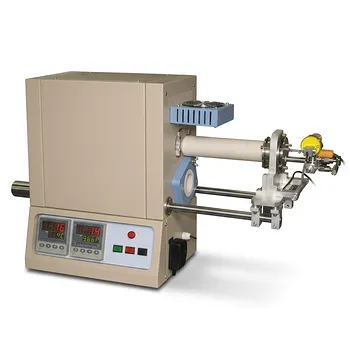
High Temperature Tube Furnace 1500C with Sliding Flanges and 50mm OD for Rapid Thermal Processing Fast Heating and Cooling
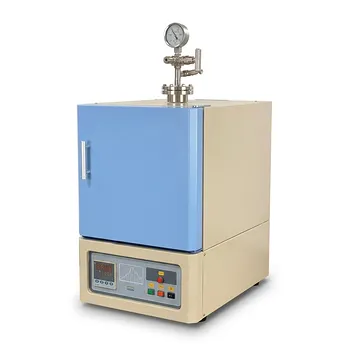
Hybrid High Temperature Muffle and Tube Furnace with 1500C Capability and Vacuum Flange Assembly
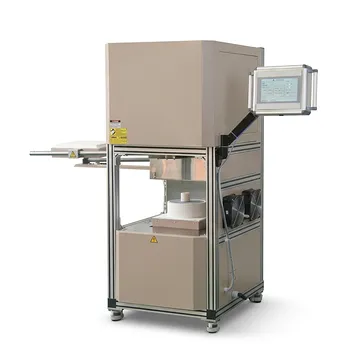
1600C High Temperature Automatic Bottom Loading Furnace for Thermal Shock Cycling and Material Fatigue Testing