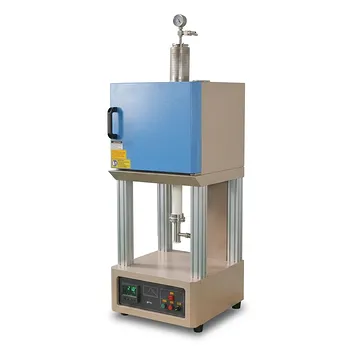
What is the role of an industrial box furnace in the oxidation and reduction processes of nickel electrodes? - Key Roles
Updated 3 months ago
The industrial box furnace serves as the thermal foundation for nickel electrode fabrication. It provides the stable, high-temperature air environment necessary to transform raw nickel foam into nickel oxide (NiO). By leveraging the volume expansion effect during this oxidation phase, the furnace creates the micron-scale rough structures required to maximize the electrode's electrochemical active area.
The core role of the industrial box furnace is to facilitate a controlled phase transformation from metallic nickel to nickel oxide, establishing the physical morphology needed for high-performance electrodes. This process uses precise thermal regulation to ensure a uniform, high-surface-area precursor that defines the efficiency of the final component.
Engineering Surface Morphology Through Oxidation
Inducing Micron-Scale Roughness
The box furnace creates a high-temperature air environment that triggers the oxidation of nickel foam. As the nickel converts to nickel oxide (NiO), the material undergoes a volume expansion effect. This expansion is not merely a size increase; it creates intricate, micron-scale rough structures on the surface that are essential for electrochemical reactivity.
Establishing the Electrochemical Foundation
By providing a consistent thermal soak, the furnace ensures that the oxidation is deep and uniform. This creates a physical foundation for the electrode, significantly increasing the potential active area. Without this specific box furnace treatment, the electrode would lack the structural complexity required for efficient energy or chemical transfer.
The Role of Controlled Thermal Environments
Achieving Atomic-Level Uniformity
Industrial-grade box resistance furnaces utilize precise programmable temperature control to manage complex material precursors, such as mixed nitrates. By maintaining a constant temperature (typically around 400°C), the furnace facilitates thermal convection and diffusion. This allows various metal cations to achieve an atomic-level uniform distribution within the electrode structure.
Structural Stabilization and Crystallization
The stable thermal environment of the furnace, often referred to as a muffle environment in smaller scales, induces the crystallization of nickel oxides. This stage is vital for decomposing organic components and ensuring the production of pure-phase nanopowders. It prevents the morphology of the electrode from collapsing during the high-stress phases of chemical processing.
Understanding the Trade-offs
Atmosphere Limitations
While box furnaces are excellent for oxidation in air, they are inherently difficult to seal for high-purity reduction processes. Unlike tube furnaces or vacuum furnaces, standard box furnaces may struggle to maintain the oxygen-free, hydrogen-rich environments required to reduce nickel oxide back to metallic nickel without contamination.
Thermal Gradients and Scaling
In larger box furnaces, maintaining a perfectly uniform temperature across the entire chamber can be challenging. Thermal gradients may lead to inconsistent oxidation thickness across a batch of nickel electrodes. This requires sophisticated multi-zone heating elements and programmable logic controllers (PLCs) to ensure every part of the nickel foam receives identical treatment.
How to Apply This to Your Project
Effective use of a box furnace depends on your specific stage of electrode development and the desired physical characteristics of the nickel substrate.
- If your primary focus is maximizing surface area: Prioritize the oxidation phase in the box furnace at high temperatures to maximize the volume expansion effect and create the roughest possible surface morphology.
- If your primary focus is chemical purity: Use the box furnace for the initial decomposition of organic precursors, ensuring a long dwell time at a constant temperature to achieve a pure crystalline phase.
- If your primary focus is structural stability: Implement a slow, controlled heating rate (e.g., 2 °C per minute) to prevent thermal shock and ensure the nickel structure does not warp or collapse during the transition to an oxide.
By masterfully controlling the oxidation environment within the box furnace, you secure the structural integrity and surface activity essential for high-performance nickel electrodes.
Summary Table:
| Stage | Process | Key Role of Box Furnace |
|---|---|---|
| Oxidation | Conversion of Ni foam to NiO | Triggers volume expansion to create micron-scale rough structures. |
| Crystallization | Controlled thermal soak | Ensures atomic-level uniformity and stabilizes pure-phase nanopowders. |
| Morphology Control | Precise heating rates | Prevents structural collapse and maximizes electrochemical active area. |
Elevate Your Electrode Research with THERMUNITS
Precision in oxidation and crystallization is the key to high-performance nickel electrodes. THERMUNITS is a leading manufacturer of high-temperature laboratory equipment, providing the material science and industrial R&D sectors with reliable, high-precision thermal solutions.
Whether you need an Industrial Box Furnace for surface morphology engineering or specialized Vacuum, Atmosphere, Tube, or Rotary furnaces for complex reduction processes, our equipment delivers the temperature uniformity and programmable control required for atomic-level accuracy. We also offer CVD/PECVD systems, Dental Furnaces, vacuum induction melting furnaces (VIM), and premium Thermal Elements to support your entire heat treatment workflow.
Ready to optimize your material synthesis? Contact our engineering team today to discuss your specific requirements and find the ideal furnace for your laboratory or production line.
References
- Guanzhi Wang, Michael C. Tucker. Simple processing via thermal treatment and catalyst infiltration to enhance nickel electrode performance for liquid alkaline water electrolyzers. DOI: 10.1016/j.ijhydene.2024.06.246
Mentioned Products
- Industrial Large Box Furnace 1700C 216L High Temp Muffle Sintering System
- 1650C High Temperature Atmosphere Controlled Box Furnace with 65L Chamber for Advanced Material Sintering and Industrial Heat Treatment
- Bottom Loaded Inert Gas Atmosphere Box Furnace 1700C 1300C 216L Large Capacity Industrial Thermal Processing System
- 1700C Box Furnace with Sliding Platform for Rapid Heating and Cooling High Temperature Thermal Processing System
- High Throughput Four Channel Box Furnace 1500C Max Independent Temperature Control Material Research Sintering System
People Also Ask
- Why is an industrial high-temperature box furnace used for the pre-sintering of calcium silicate carriers? Key Benefits
- What is the role of a high-temperature box furnace in the solid-state synthesis of Europium-doped M3MgSi2O8 phosphors?
- What is the function of industrial box muffle furnaces in the high-temperature corrosion assessment of ZrO2-Dy3TaO7 coatings?
- How does the temperature control precision of a high-temperature sintering furnace affect Na1+xLa1-xZr2O6-δ ceramics?
- How does a high-temperature sintering furnace environment enhance NdFeB magnets? Achieve 98%+ density with precision.

Tech Team · ThermUnits
Last updated on Jun 03, 2026
Related Products
Industrial Large Box Furnace 1700C 216L High Temp Muffle Sintering System
1650C High Temperature Atmosphere Controlled Box Furnace with 65L Chamber for Advanced Material Sintering and Industrial Heat Treatment
Bottom Loaded Inert Gas Atmosphere Box Furnace 1700C 1300C 216L Large Capacity Industrial Thermal Processing System
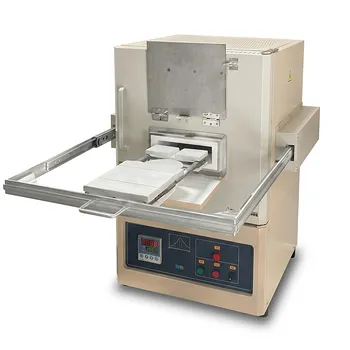
1700C Box Furnace with Sliding Platform for Rapid Heating and Cooling High Temperature Thermal Processing System
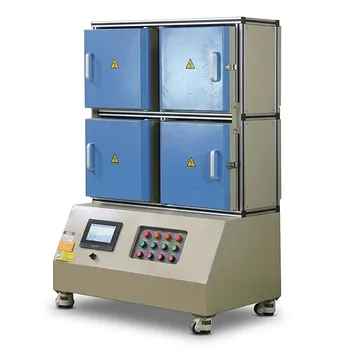
High Throughput Four Channel Box Furnace 1500C Max Independent Temperature Control Material Research Sintering System
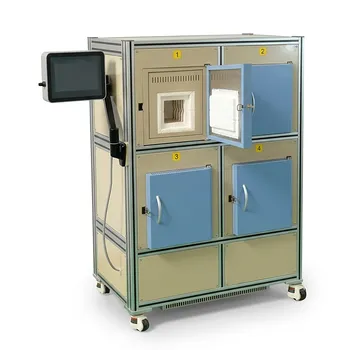
High Temperature Four Chamber Box Furnace for High Throughput Materials Research and Space Saving Thermal Processing
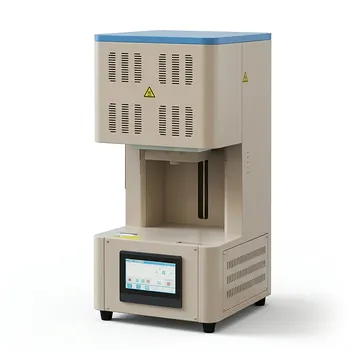
Automated 1700C High Temperature Bottom Loading Box Furnace with PC Software Control and Robotic Integration Capability
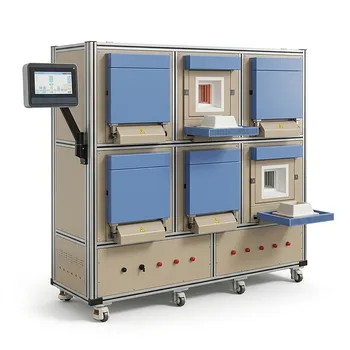
High Temperature 1700℃ Eight Chamber Box Furnace with Automatic Doors for Autonomous Material Research and High Throughput Heat Treatment
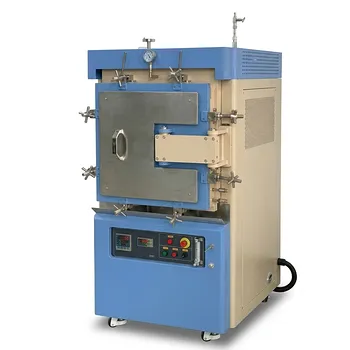
High Temperature Economic Hydrogen Gas Box Furnace 1600C Atmosphere Controlled Thermal Processing System 65L Capacity
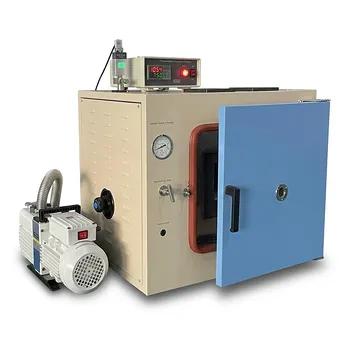
Compact High Vacuum Box Furnace 1050C Max 6.2L Ceramic Chamber Stainless Steel Shell Programmable Temperature Controller for Material Science Research
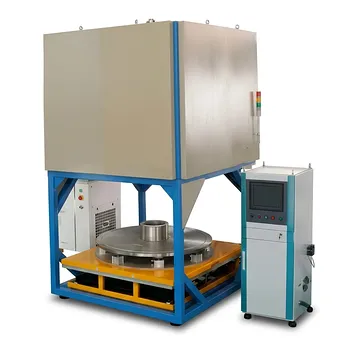
1400C Bottom Loaded Inert Gas Atmosphere Box Furnace with 125L Capacity and Precision Hydraulic Lift
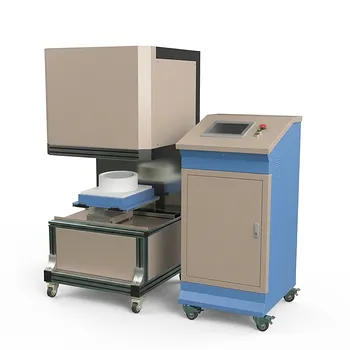
High Temperature Bottom Loading Box Furnace for Rapid Thermal Processing 1700C 40L Capacity
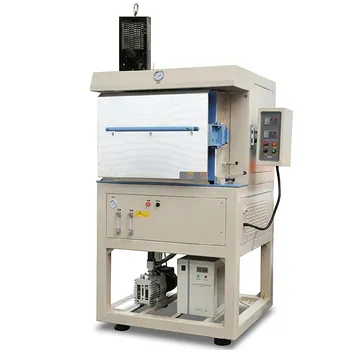
1200C Hydrogen Atmosphere Box Furnace with 5 Heated Sides and 64L Chamber
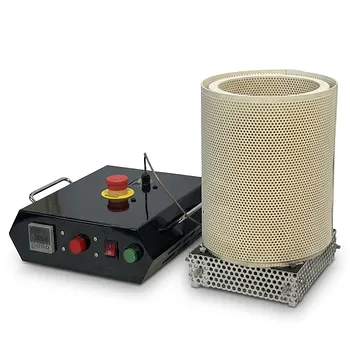
1250 C Compact Vertical Box Furnace for Glovebox Material Research Air Sensitive Samples
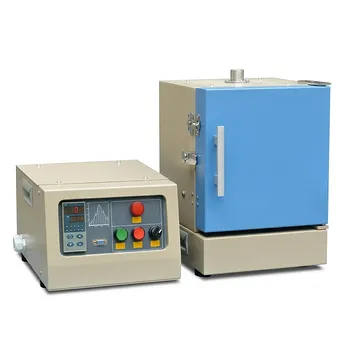
1200C Small Box Muffle Furnace with Separated Programmable Controller and 4.2L Alumina Fiber Chamber
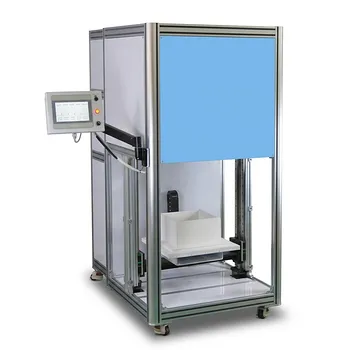
High Temperature 1600°C Three Zone Heated Bottom Loading Box Furnace with Rapid Thermal Processing Chamber 72L Volume
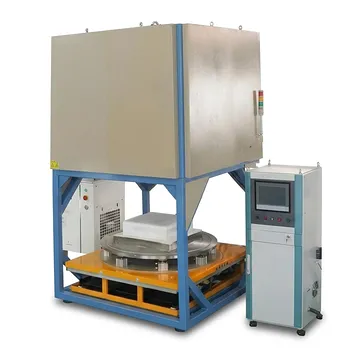
Bottom Loaded Inert Gas Atmosphere Box Furnace 1400C Maximum Temperature 125L High Capacity Laboratory Heat Treatment System
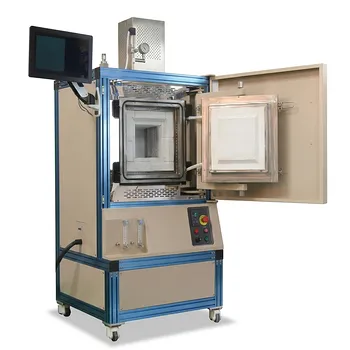
High Temperature Hydrogen Atmosphere Box Furnace 1650C Max Reducing Environment Material Synthesis System 8x8x8 Chamber
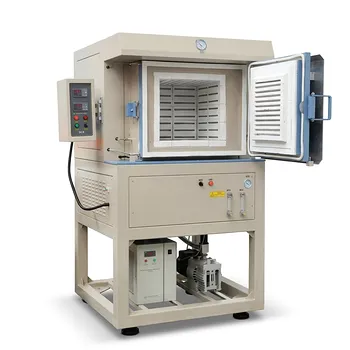
1200°C Five Side Heating Atmosphere Controlled Muffle Furnace 64 Liter High Uniformity Box Furnace for Material Synthesis