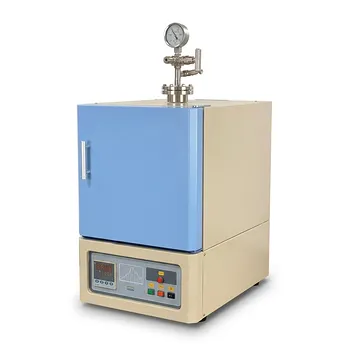
Why is an industrial high-temperature box furnace used for the pre-sintering of calcium silicate carriers? Key Benefits
Updated 3 months ago
The industrial high-temperature box furnace is a critical tool for the chemical transformation of raw materials into active precursors. During the pre-sintering of calcium silicate carriers, this furnace provides a stable 900 °C environment necessary for the complete calcination and decarbonization of calcium carbonate into high-activity free calcium oxide (CaO). This specific thermal treatment ensures the high purity and reactivity required to dictate the final phase composition of the calcium silicate hydrate carrier.
Core Takeaway: The box furnace acts as a precision reactor that converts stable carbonates into highly reactive oxides. This chemical transition is the foundational step that determines the structural integrity and phase purity of the final calcium silicate product.
Achieving Chemical Transformation and Decarbonization
Conversion of Calcium Carbonate
The primary role of the furnace is to facilitate the thermal decomposition of calcium carbonate. At a sustained 900 °C, the material undergoes decarbonization, releasing carbon dioxide and leaving behind free calcium oxide (CaO).
Promoting High-Activity Precursors
Precise temperature control is vital because the "activity" of the resulting CaO depends on the thermal profile. An industrial box furnace provides the uniform thermal field needed to ensure the CaO is reactive enough to form the desired calcium silicate hydrate phases in subsequent processing steps.
Ensuring Phase Composition Accuracy
The phase composition of the final carrier is highly sensitive to the purity of the synthetic raw materials. By providing a stable environment for solid-phase reactions, the furnace eliminates chemical inconsistencies that could lead to inferior material properties.
Managing Volatiles and Structural Integrity
Removal of Organic Bindings
In many powder processing workflows, organic additives like stearic acid or Polyvinyl Alcohol (PVA) are used to shape the material. The furnace's air environment allows for the complete pyrolysis and oxidation of these volatiles, preventing them from causing carbonization or unintended porosity.
Mitigation of Volume Shrinkage
Pre-calcination in a box furnace helps initiate chemical transformations early in the manufacturing cycle. By completing a portion of the reaction before final sintering, the process significantly reduces volume shrinkage and enhances the dimensional stability of the carrier.
Establishing Mechanical Foundations
The thermal energy provided during this stage promotes the initial "ceramization" of inorganic components. This physical transformation imparts the thermal stability and mechanical strength necessary for the carrier to withstand high-stress industrial environments.
Understanding the Trade-offs
Temperature Precision vs. Energy Consumption
While higher temperatures can accelerate decarbonization, exceeding the target range can lead to "over-burning." This reduces the surface activity of the CaO, making it less effective for the final synthesis of the calcium silicate hydrate.
Heating Rates and Material Stress
Rapid heating can increase throughput but risks creating thermal gradients within the material bed. If the heating curve is not accurately controlled, the outer layers of the powder may sinter prematurely, trapping gases inside and leading to internal defects or "bloating."
Atmospheric Limitations
Standard box furnaces operate in an air atmosphere, which is ideal for oxidation. However, if the material is sensitive to moisture or specific contaminants, a standard furnace may require an atmosphere-controlled upgrade to prevent the CaO from re-absorbing moisture or CO2 from the air.
How to Optimize Your Pre-Sintering Process
Selecting the right furnace parameters depends on the specific requirements of your calcium silicate application.
- If your primary focus is Phase Purity: Maintain a strict 900 °C soak time to ensure 100% conversion of carbonates without grain overgrowth.
- If your primary focus is Dimensional Accuracy: Use a slower heating ramp to allow for uniform gas escape and to minimize the risk of warping or cracking during the volume contraction phase.
- If your primary focus is Mechanical Strength: Ensure the furnace has a highly uniform thermal field (low temperature deviation) to prevent "soft spots" or inconsistent ceramization across the batch.
The high-temperature box furnace is not merely a heating device, but the primary mechanism for establishing the chemical and structural viability of calcium silicate carriers.
Summary Table:
| Process Objective | Furnace Role | Impact on Material Quality |
|---|---|---|
| Decarbonization | Converts CaCO3 into active CaO at 900 °C | Ensures high reactivity and phase purity. |
| Volatile Removal | Pyrolysis of organic binders (PVA/Stearic Acid) | Prevents unintended carbonization and porosity. |
| Shrinkage Control | Initiates chemical transformation early | Reduces volume shrinkage and enhances dimensional stability. |
| Structural Integrity | Promotes initial "ceramization" | Improves thermal stability and mechanical strength. |
| Thermal Uniformity | Maintains a stable, uniform thermal field | Prevents "over-burning" and internal structural defects. |
Optimize Your Thermal Processing with THERMUNITS
Precision is the backbone of successful material science R&D. THERMUNITS is a leading manufacturer of high-temperature laboratory equipment, providing the reliable thermal environments necessary for complex processes like the pre-sintering of calcium silicate carriers.
We offer a comprehensive range of thermal processing solutions, including:
- Muffle, Vacuum, and Atmosphere Furnaces
- Tube, Rotary, and Hot Press Furnaces
- CVD/PECVD Systems and Dental Furnaces
- Electric Rotary Kilns and Vacuum Induction Melting (VIM) Furnaces
- High-Quality Thermal Elements
Whether you are refining raw material precursors or developing advanced ceramics, our equipment ensures the temperature precision and atmospheric control your project demands.
Ready to enhance your lab's capabilities? Contact our experts today to discuss your specific heat treatment requirements!
References
- Ramunė Sidaraitė, Tadas Dambrauskas. Kinetic Study and Catalytic Activity of Cr3+ Catalyst Supported on Calcium Silicate Hydrates for VOC Oxidation. DOI: 10.3390/ma17143489
Mentioned Products
- 1650C High Temperature Atmosphere Controlled Box Furnace with 65L Chamber for Advanced Material Sintering and Industrial Heat Treatment
- Industrial Large Box Furnace 1700C 216L High Temp Muffle Sintering System
- High Temperature 1700℃ Eight Chamber Box Furnace with Automatic Doors for Autonomous Material Research and High Throughput Heat Treatment
- Automated 1700C High Temperature Bottom Loading Box Furnace with PC Software Control and Robotic Integration Capability
- 1700C Box Furnace with Sliding Platform for Rapid Heating and Cooling High Temperature Thermal Processing System
People Also Ask
- What role does atmosphere control play in technical ceramics and glass? Master Material Purity and Precision
- What role does a high-temperature atmosphere furnace play in the direct electrochemical reduction of CO2? - Key Insights
- What is the role of a high-temperature box furnace in the solid-state synthesis of Europium-doped M3MgSi2O8 phosphors?
- What is the role of a high-temperature box furnace in Na3MnZr(PO4)3 synthesis? Engineering High-Performance NASICON.
- What physical conditions does a high-temperature atmosphere furnace provide for MXene exfoliation? Process Guide

Tech Team · ThermUnits
Last updated on Jun 03, 2026
Related Products
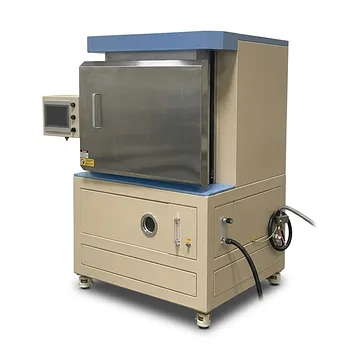
1650C High Temperature Atmosphere Controlled Box Furnace with 65L Chamber for Advanced Material Sintering and Industrial Heat Treatment
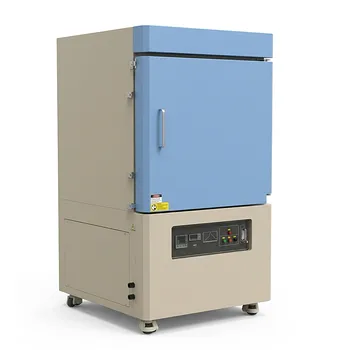
Industrial Large Box Furnace 1700C 216L High Temp Muffle Sintering System
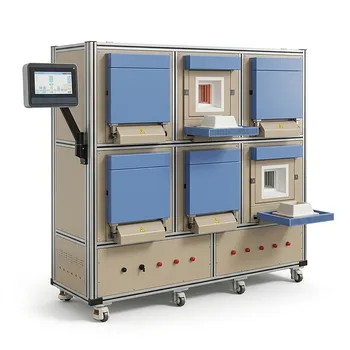
High Temperature 1700℃ Eight Chamber Box Furnace with Automatic Doors for Autonomous Material Research and High Throughput Heat Treatment
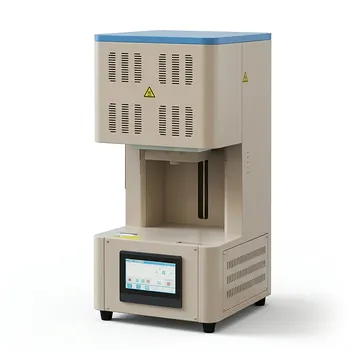
Automated 1700C High Temperature Bottom Loading Box Furnace with PC Software Control and Robotic Integration Capability
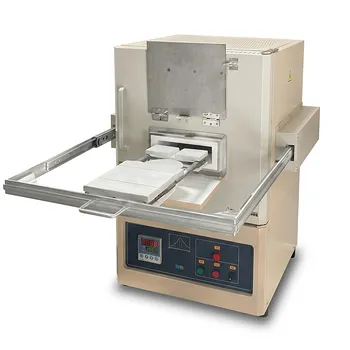
1700C Box Furnace with Sliding Platform for Rapid Heating and Cooling High Temperature Thermal Processing System
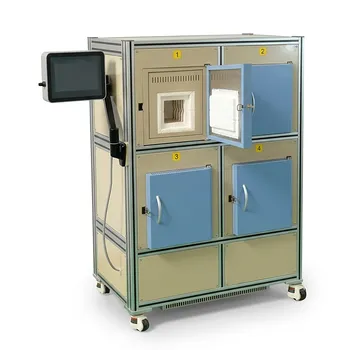
High Temperature Four Chamber Box Furnace for High Throughput Materials Research and Space Saving Thermal Processing
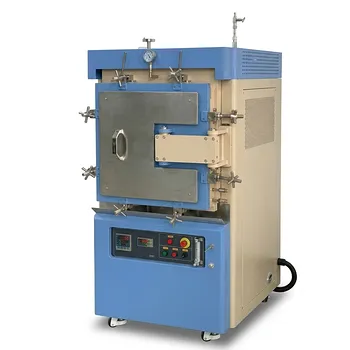
High Temperature Economic Hydrogen Gas Box Furnace 1600C Atmosphere Controlled Thermal Processing System 65L Capacity
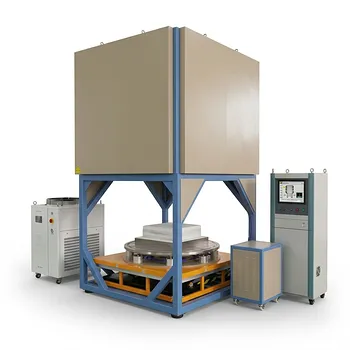
Bottom Loaded Inert Gas Atmosphere Box Furnace 1700C 1300C 216L Large Capacity Industrial Thermal Processing System
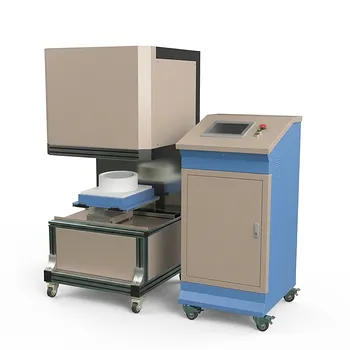
High Temperature Bottom Loading Box Furnace for Rapid Thermal Processing 1700C 40L Capacity
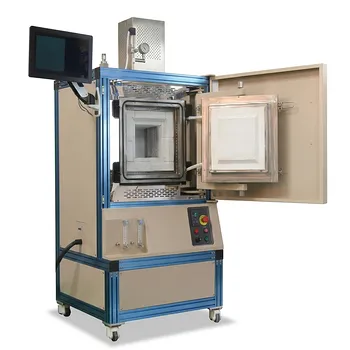
High Temperature Hydrogen Atmosphere Box Furnace 1650C Max Reducing Environment Material Synthesis System 8x8x8 Chamber
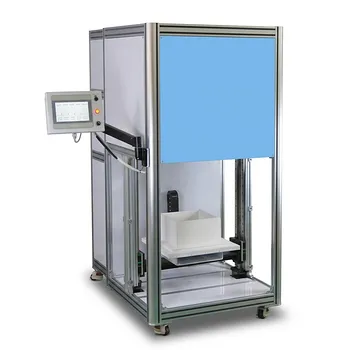
High Temperature 1600°C Three Zone Heated Bottom Loading Box Furnace with Rapid Thermal Processing Chamber 72L Volume
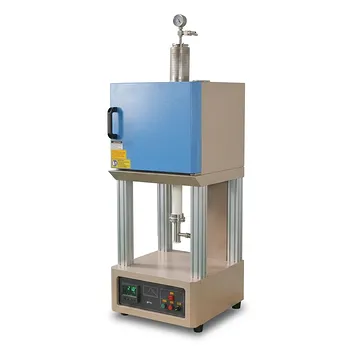
Hybrid High Temperature Tube and Box Furnace 1700C with 2 Inch Alumina Tube for Material Research
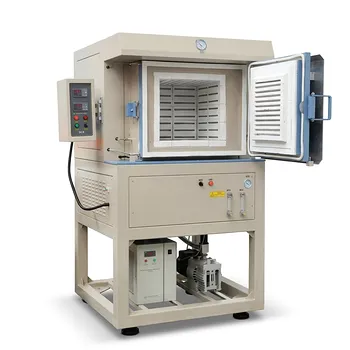
1200°C Five Side Heating Atmosphere Controlled Muffle Furnace 64 Liter High Uniformity Box Furnace for Material Synthesis
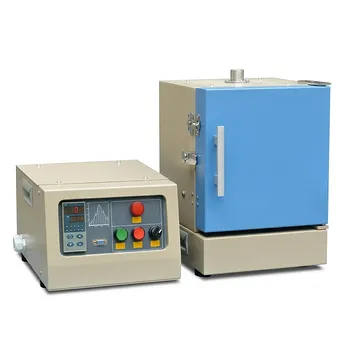
1200C Small Box Muffle Furnace with Separated Programmable Controller and 4.2L Alumina Fiber Chamber
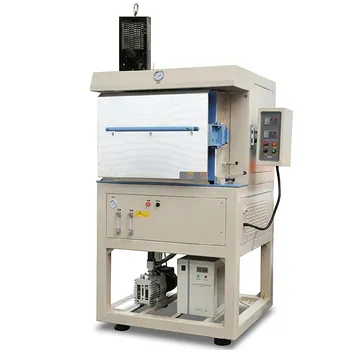
1200C Hydrogen Atmosphere Box Furnace with 5 Heated Sides and 64L Chamber
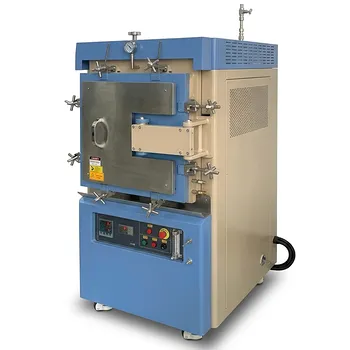
Atmosphere Controlled Muffle Furnace 1700C Maximum Temperature 80L High Capacity Vacuum Inert Gas Box Furnace

High Temperature Tube Furnace 1500C with Sliding Flanges and 50mm OD for Rapid Thermal Processing Fast Heating and Cooling
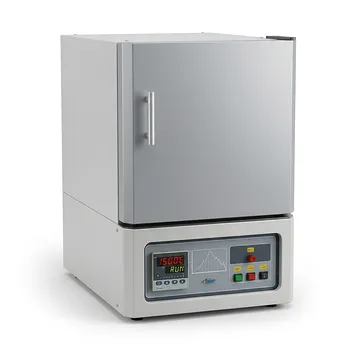
High Temperature 1500C Benchtop Muffle Furnace 3.6L Alumina Fiber Chamber Programmable Controller Sintering Annealing Carbonization Thermal Processing System
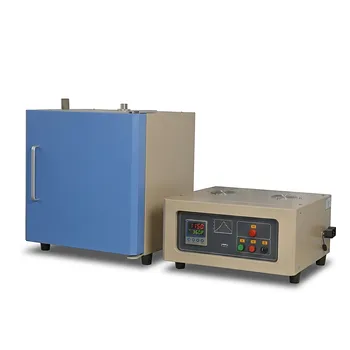
High Temperature Muffle Furnace with Alloy Chamber for Debinding and Sintering Applications