What is the significance of controlling the heating rate of a tube furnace during CTP carbonization? Ensure Material Density
Updated 3 months ago
Controlling the heating rate during the carbonization of Coal Tar Pitch (CTP) is the primary mechanism for regulating volatile gas release and ensuring the structural integrity of the resulting carbon material. By maintaining a slow heating rate—typically 2°C per minute—operators can prevent the catastrophic volume expansion and internal cracking that occur when volatile substances erupt too quickly from the pitch matrix.
Core Takeaway: Precision heating control transforms Coal Tar Pitch from a volatile-heavy precursor into a dense, high-strength carbon body by synchronizing the rate of internal gas escape with the material’s structural solidification.
Managing the Critical 400°C to 500°C Transition
Moderating Intense Gas-Phase Release
Coal Tar Pitch undergoes significant chemical changes as it approaches the 400°C to 500°C range. At these temperatures, the material releases a high volume of volatile gases that must escape the internal structure without causing damage.
Preventing Abnormal Volume Expansion
Without a slow heating rate, CTP can experience abnormal volume expansion of up to 650%. This "bloating" occurs when the rate of gas generation exceeds the rate at which gas can diffuse through the material, essentially turning the carbonizing body into a low-strength foam.
Reducing Internal Cracks and Pores
A controlled, slow temperature rise prevents the sudden eruption of volatiles, which is the leading cause of large internal pores and macro-cracks. Minimizing these defects is critical for ensuring the strength of the binder and the overall density of the final carbonized structure.
The Kinetics of Structural Development
Synchronization of Reaction Rates
In technical carbonization, the heating rate must match the kinetics of volatile matter release. This synchronization ensures that as hydrocarbons are released, the remaining carbon skeleton has sufficient time to reorganize and strengthen.
Mitigating Thermal Stress
High-precision temperature control effectively mitigates thermal stress, which is a major contributor to structural distortion. When the exterior of a material heats significantly faster than the core, the resulting temperature gradient can induce cracks that compromise the material’s mechanical properties.
Optimizing Microstructure and Density
A slow heating rate, often as low as 0.5-1.0°C/min in high-precision sintering, allows for smooth pore closure and controlled volumetric shrinkage. This results in a material with optimized total pore volumes and a more stable crystalline structure.
Understanding the Trade-offs
The Penalty of Excessive Speed
Attempting to accelerate the carbonization process often leads to material swelling or bloating. When gases are trapped in closed pores and expanded by rapid heat, they can cause the structural collapse of pore walls, ruining the hierarchical structure required for high-performance applications.
The Cost of Precision
While slow heating rates produce superior materials, they significantly increase the time and energy costs of the production cycle. Producers must balance the need for high-quality, dense structures against the throughput requirements of the manufacturing facility.
Atmosphere Sensitivity
Heating rate control is ineffective if the furnace atmosphere is not strictly managed. An inert atmosphere (such as Argon or Nitrogen) is mandatory to prevent oxidative combustion, which would destroy the CTP precursor before it can transition into carbon.
Applying Thermal Control to Your Project
Recommendations Based on Material Goals
- If your primary focus is Maximum Density and Strength: Maintain a strict heating rate of 2°C/min or lower, particularly during the volatile release window of 400°C to 500°C.
- If your primary focus is Controlled Porosity (e.g., Activated Carbon): Use a slightly faster rate, such as 6°C to 10°C/min, to allow for an orderly etching reaction without causing total wall collapse.
- If your primary focus is Morphological Stability (e.g., Nanostructures): Utilize a high-precision programmed system to keep rates between 0.5-1.0°C/min to minimize internal stress and grain size.
A disciplined approach to heating rates ensures that Coal Tar Pitch evolves into a high-performance carbon matrix rather than a fractured, porous waste product.
Summary Table:
| Heating Rate | Impact on CTP Structure | Recommended Application |
|---|---|---|
| ≤ 2°C/min | Synchronized gas release; prevents bloating | High-strength, high-density carbon bodies |
| 0.5 - 1.0°C/min | Minimal thermal stress; smooth pore closure | High-precision sintering & nanostructures |
| 6 - 10°C/min | Orderly etching; controlled gas escape | Activated carbon & porous structures |
| Fast/Uncontrolled | Sudden volatile eruption; internal cracking | Structural failure; low-strength waste |
Elevate Your Material Research with THERMUNITS Precision
Achieving the perfect carbonization structure requires more than just heat—it requires absolute control. At THERMUNITS, we specialize in manufacturing high-performance laboratory equipment designed for the rigorous demands of material science and industrial R&D.
Whether you are managing the critical 400°C–500°C volatile release of Coal Tar Pitch or performing complex CVD processes, our equipment delivers the precision you need. Our comprehensive range includes:
- Tube & Atmosphere Furnaces: Perfect for controlled CTP carbonization.
- Vacuum & Rotary Furnaces: For specialized thermal processing.
- Hot Press & VIM Furnaces: For advanced metallurgical applications.
- CVD/PECVD Systems: For high-end nanostructure development.
Ready to optimize your thermal processing? Contact our engineering team today to find the ideal furnace solution for your laboratory. Let THERMUNITS help you transform volatile precursors into high-performance materials.
References
- Sang-Hye Lee, Jae‐Seung Roh. Changes in Functional Groups and Crystal Structure of Coal Tar Pitch with Respect to Carbonization Temperature. DOI: 10.3390/cryst14020122
Mentioned Products
- High Temperature Dual Zone Rotating Tube Furnace 1500C Silicon Carbide Heating for Advanced Material Synthesis
- High Temperature 1700C Vertical Tube Furnace for Powder Spherification and Material Sintering
- 5 Inch Two Zone Rotary Tube Furnace 1100C for Powder CVD and Material Synthesis
- Two Zone Rotary Tube Furnace for Powder CVD Coating and Core Shell Material Synthesis 1100C
- 1500C 3-Zone Rotary Tube Furnace 60mm with Automatic Powder Feeding and Receiving System for Continuous Material Synthesis
People Also Ask
- What is the function of CVD furnaces in graphene prep? Enhancing Photodetector Charge Transport
- Why use CVD and a tube furnace for Pd3P0.95/NC catalyst phosphidation? Ensure high phase purity and performance.
- CVD Tube Furnace Advantages for Pd-P Catalyst Durability: Precision Control for 40,000+ Cycles
- How does a rotary tube furnace improve the processing of granular materials? Enhance Uniformity and Reaction Kinetics
- How does a Chemical Vapor Deposition (CVD) tube furnace facilitate synchronized nitridation? Precision Nano-Engineering.

Tech Team · ThermUnits
Last updated on Jun 02, 2026
Related Products
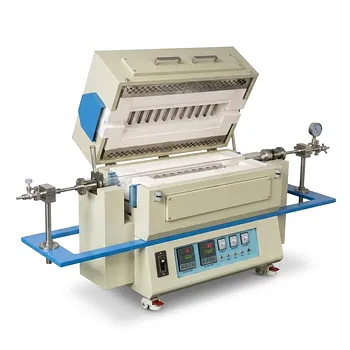
High Temperature Dual Zone Rotating Tube Furnace 1500C Silicon Carbide Heating for Advanced Material Synthesis

High Temperature 1700C Vertical Tube Furnace for Powder Spherification and Material Sintering
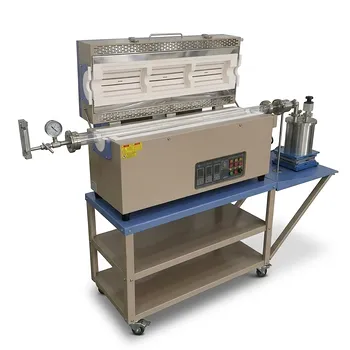
5 Inch Two Zone Rotary Tube Furnace 1100C for Powder CVD and Material Synthesis
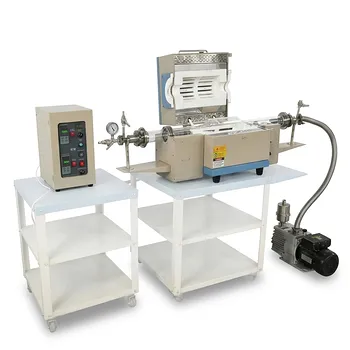
Two Zone Rotary Tube Furnace for Powder CVD Coating and Core Shell Material Synthesis 1100C
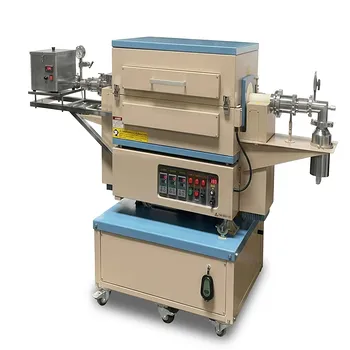
1500C 3-Zone Rotary Tube Furnace 60mm with Automatic Powder Feeding and Receiving System for Continuous Material Synthesis
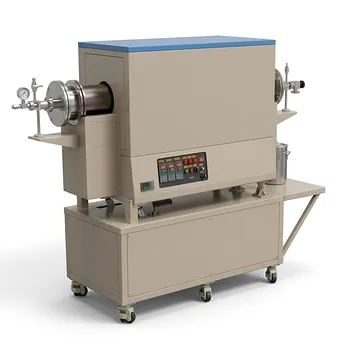
900°C Max Rotary Tube Furnace with 8 Inch 310S Alloy Tube and Optional Multi Zone Heating for Industrial Material Calcination

Compact Vertical Split Quartz Tube Furnace with Stainless Steel Vacuum Flanges for Rapid Thermal Quenching and Controlled Atmosphere Material Processing

Compact High Temperature 1600C Tube Furnace with 50mm Alumina Tube and Vacuum Flanges for Material Sintering
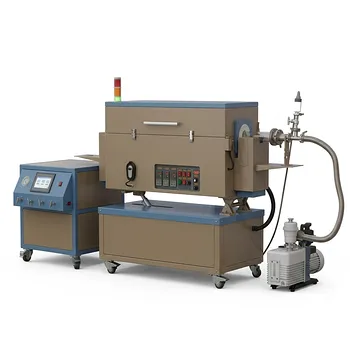
5 Inch Three Zone Rotary Tube Furnace with Integrated Gas Delivery System and 1200C Capability for Advanced Material CVD Processing
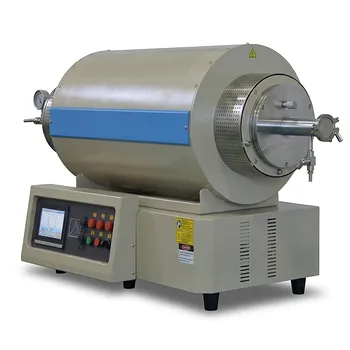
1200C Max Three Zone Tube Furnace 6 Inch OD Max with Tube and Flange
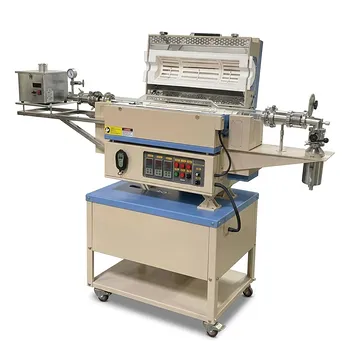
5 Inch Rotary Tube Furnace with Automatic Feeding and Receiving System 1200C Three Zone CVD Powder Processing
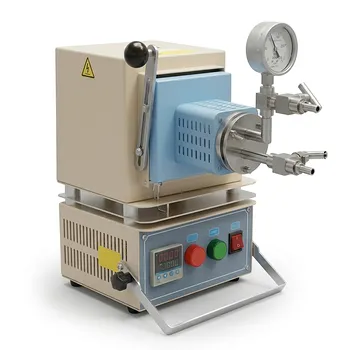
Compact Hybrid Muffle and Tube Furnace for 1000C Controlled Atmosphere Laboratory Material Sintering
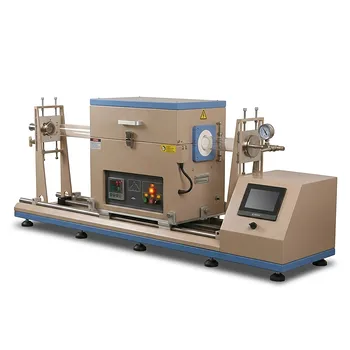
1200C Sliding Tube Furnace for Rapid Thermal Processing and CVD Graphene Growth with 100mm OD Capacity
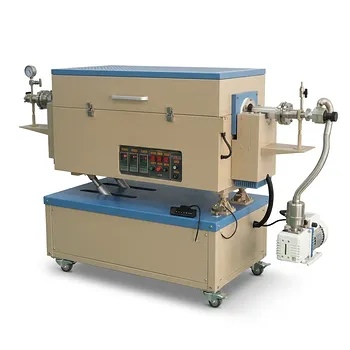
Three Zone Rotary Tube Furnace for High Temperature Powder Processing and Material Research
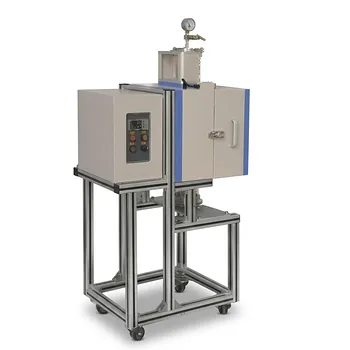
1200°C 5 Inch Vertical Quartz Tube Furnace with Stainless Steel Vacuum Flanges
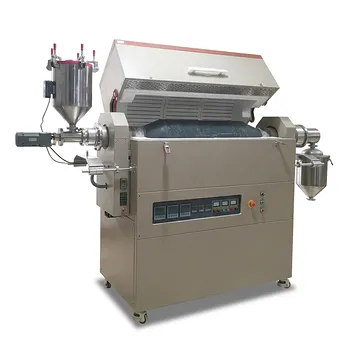
High Temperature Tilting Rotary Tubular Furnace for Continuous Powder Thermal Processing and Controlled Atmosphere Sintering
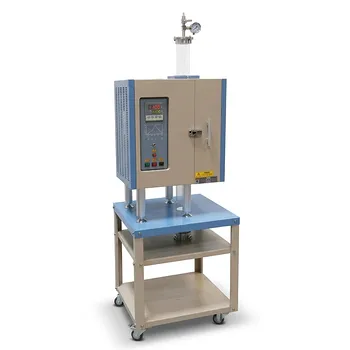
1100°C Split Vertical Tube Furnace with 80mm Quartz Tube and Stainless Steel Vacuum Flanges
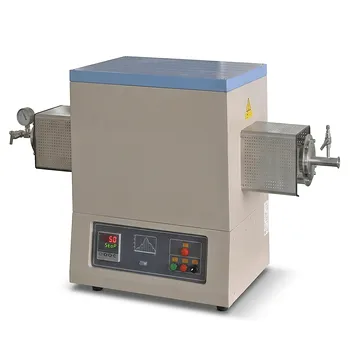
High Temperature 1700C Tube Furnace with 4 Inch OD Alumina Tube and Vacuum Sealing Flanges

High Temperature Automated 5 Inch Tube Furnace for Autonomous Material Research and Advanced Laboratory R&D