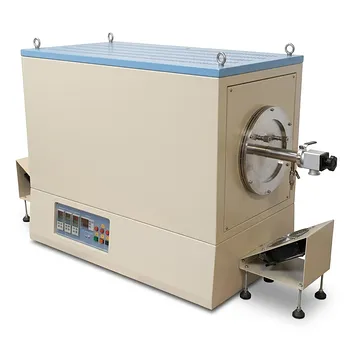
CVD Tube Furnace Advantages for Pd-P Catalyst Durability: Precision Control for 40,000+ Cycles
Updated 3 months ago
The technical superiority of a Chemical Vapor Deposition (CVD) tube furnace lies in its ability to provide an extremely uniform thermal field and a precisely controlled reaction atmosphere. These conditions facilitate the highly uniform doping of phosphorus atoms into palladium nanoparticles, creating a robust electronic interaction that prevents catalyst degradation over tens of thousands of cycles.
A CVD tube furnace transforms catalyst synthesis from simple heating into a precision engineering process. By ensuring atomic-level uniformity and strengthened chemical bonding, it allows palladium-phosphorus catalysts to maintain stability for over 40,000 cycles, a feat unattainable through traditional, less-controlled heating methods.
Precision Thermal and Atmospheric Control
Uniform Doping at the Nanoscale
Unlike traditional furnaces that may suffer from temperature gradients, a CVD tube furnace maintains an extremely uniform thermal field.
This uniformity ensures that phosphorus atoms are distributed evenly throughout the palladium nanoparticles. Such precise doping is critical for achieving a consistent alloy structure across the entire catalyst batch.
Controlled Reaction Environments
The sealed nature of a tube furnace allows for the introduction of specific gaseous precursors and carrier gases, such as 5% H2/Ar mixtures.
By regulating the precursor partial pressures and flow rates, the system ensures that the phosphidation process occurs under ideal thermodynamic conditions. This prevents the formation of secondary, unwanted phases that often occur in open-air or less precise heating environments.
Strengthening the Catalyst Architecture
Enhanced Electronic Interaction
The CVD process optimizes the electronic interaction and chemical bonding between palladium and phosphorus.
This strengthened bond is the primary driver behind the catalyst's increased chemical stability. It ensures that the palladium remains active and anchored, even when subjected to the harsh conditions of high-pressure cycling.
Resistance to Agglomeration and Sintering
A major failure point for traditional catalysts is sintering, where particles clump together and lose surface area.
The stable thermal environment of a tube furnace effectively suppresses turbulence and prevents excessive thermal growth. This maintains the high specific surface area of the palladium-phosphorus alloy, ensuring long-term performance in alkaline fuel cells.
Understanding the Trade-offs
Technical Complexity and Setup
While CVD tube furnaces offer superior results, they require a significantly higher level of technical expertise to operate compared to muffle furnaces.
Achieving the perfect balance of gas flow, temperature, and pressure requires extensive calibration and integrated control software.
Precursor Management and Costs
The gaseous precursors used in CVD can be expensive or hazardous, requiring specialized gas-mixing modules and safety protocols.
Additionally, while CVD provides higher material utilization than Physical Vapor Deposition (PVD), the initial investment in hardware and maintenance is typically higher than that of traditional thermal treatment tools.
How to Apply This to Your Project
Selecting the Right Approach for Your Goal
To maximize the benefits of a CVD tube furnace in your catalyst research or production, consider your specific performance targets.
- If your primary focus is extreme longevity (e.g., 40,000+ cycles): Utilize the CVD furnace to maximize the electronic interaction between Pd and P through precise temperature ramping and stable gas flows.
- If your primary focus is maximizing active surface area: Leverage the tube furnace’s ability to prevent sintering by maintaining a low-turbulence, high-precision thermal environment during the reduction phase.
- If your primary focus is consistency across large batches: Implement automated gas-mixing and programmed temperature profiles to ensure every nanoparticle undergoes the exact same phosphidation process.
The strategic use of a CVD tube furnace moves catalyst development beyond trial and error into a realm of predictable, high-performance material engineering.
Summary Table:
| Feature | CVD Tube Furnace | Traditional Heating Methods |
|---|---|---|
| Thermal Uniformity | Extremely uniform thermal field | Variable temperature gradients |
| Atmosphere Control | Precise gas pressure/flow (e.g., H2/Ar) | Open-air or limited control |
| Doping Accuracy | Uniform nanoscale phosphorus doping | Irregular atomic distribution |
| Catalyst Stability | High (40,000+ cycles; no sintering) | Low (prone to agglomeration) |
| Process Level | Atomic-level precision engineering | Basic thermal treatment |
Elevate Your R&D with THERMUNITS Precision Solutions
Maximize your catalyst performance and material durability with professional-grade thermal systems from THERMUNITS. As a leading manufacturer of high-temperature laboratory equipment for material science, we provide the technical edge needed for complex industrial R&D.
Our comprehensive range includes:
- Advanced CVD/PECVD Systems for atomic-level synthesis.
- Muffle, Vacuum, and Atmosphere Furnaces for diverse heat treatments.
- Tube & Rotary Furnaces for continuous and precise processing.
- Specialized Equipment: Dental furnaces, VIM systems, and high-quality thermal elements.
Don't let irregular heating limit your innovation. Contact our technical team today to find the perfect thermal processing solution for your laboratory!
References
- Wenyuan Zhao, Bang‐An Lu. Phosphorus-Doping Enables the Superior Durability of a Palladium Electrocatalyst towards Alkaline Oxygen Reduction Reactions. DOI: 10.3390/ma17122879
Mentioned Products
- Split Chamber CVD Tube Furnace with Vacuum Station Chemical Vapor Deposition System Machine
- 5 Inch Rotary Tube Furnace with Automatic Feeding and Receiving System 1200C Three Zone CVD Powder Processing
- 1200C Max Dual Sliding Tube Furnace with 50 mm Tube Flanges for CVD
- High Temperature 1700C Tube Furnace with High Vacuum Turbomolecular Pump System and Multi Channel Mass Flow Controller Gas Mixer
- Vertical Openable Tube Furnace 0-1700c High Temperature Laboratory System for CVD and Vacuum Heat Treatment
People Also Ask
- Why is a Tube Furnace typically utilized for CVD? Achieve Precision in Graphene and 2D Material Synthesis
- What is the function of CVD furnaces in graphene prep? Enhancing Photodetector Charge Transport
- Why use CVD and a tube furnace for Pd3P0.95/NC catalyst phosphidation? Ensure high phase purity and performance.
- How does a Chemical Vapor Deposition (CVD) tube furnace facilitate synchronized nitridation? Precision Nano-Engineering.
- How do CVD furnace cooling rates influence graphene-platinum residual stress? Optimize Material Quality

Tech Team · ThermUnits
Last updated on Jun 03, 2026
Related Products
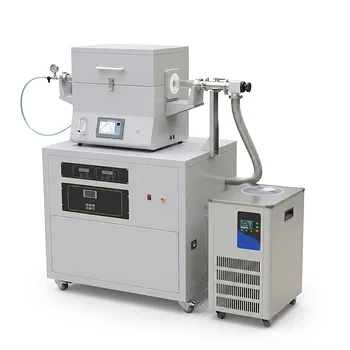
Split Chamber CVD Tube Furnace with Vacuum Station Chemical Vapor Deposition System Machine
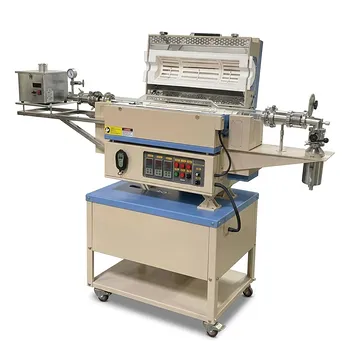
5 Inch Rotary Tube Furnace with Automatic Feeding and Receiving System 1200C Three Zone CVD Powder Processing
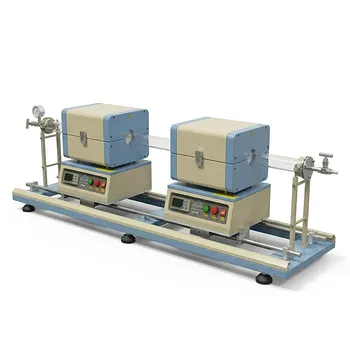
1200C Max Dual Sliding Tube Furnace with 50 mm Tube Flanges for CVD

High Temperature 1700C Tube Furnace with High Vacuum Turbomolecular Pump System and Multi Channel Mass Flow Controller Gas Mixer
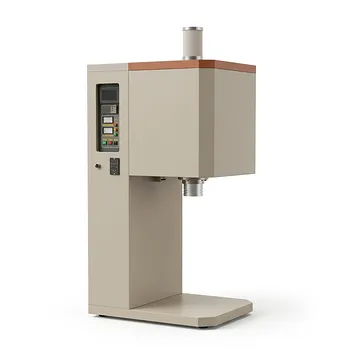
Vertical Openable Tube Furnace 0-1700c High Temperature Laboratory System for CVD and Vacuum Heat Treatment
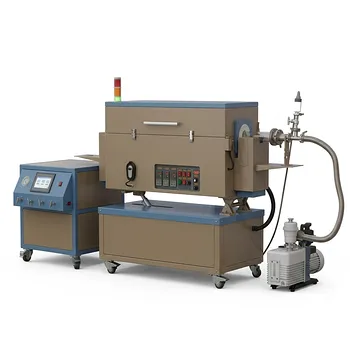
5 Inch Three Zone Rotary Tube Furnace with Integrated Gas Delivery System and 1200C Capability for Advanced Material CVD Processing
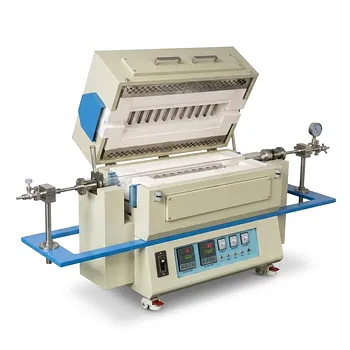
High Temperature Dual Zone Rotating Tube Furnace 1500C Silicon Carbide Heating for Advanced Material Synthesis
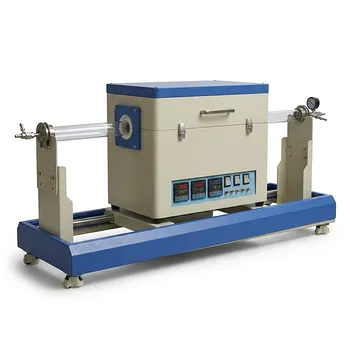
Double Temperature Zone Double Cover Tube Furnace for High Temperature CVD and Vacuum Annealing
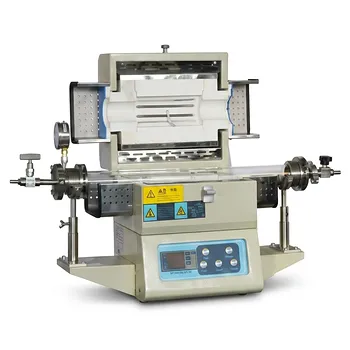
High Temperature 1200C Split Tube Furnace for CVD Research and Vacuum Atmosphere Heat Treatment
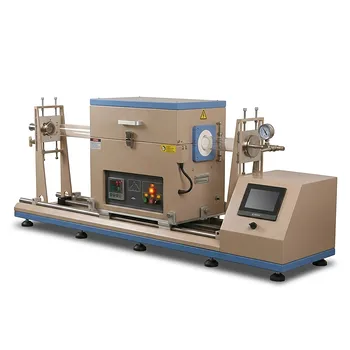
1200C Sliding Tube Furnace for Rapid Thermal Processing and CVD Graphene Growth with 100mm OD Capacity
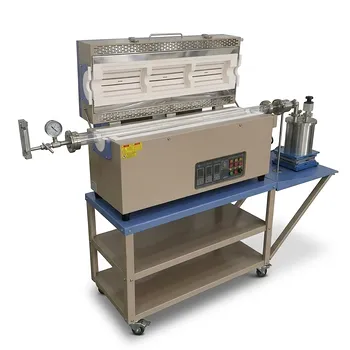
5 Inch Two Zone Rotary Tube Furnace 1100C for Powder CVD and Material Synthesis
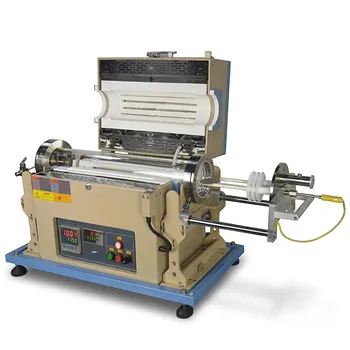
1200°C High Temperature 4 Inch Tube Furnace with Sliding Flange for CVD Systems
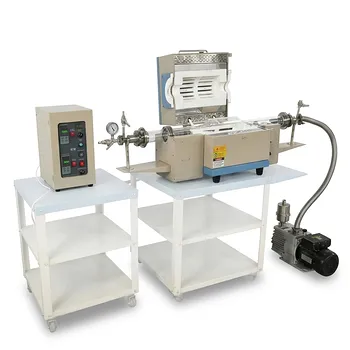
Two Zone Rotary Tube Furnace for Powder CVD Coating and Core Shell Material Synthesis 1100C
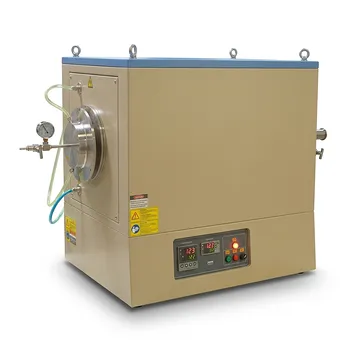
1100°C Large Diameter Quartz Tube Furnace with 24 Inch Heating Zone and Water Cooled Flanges
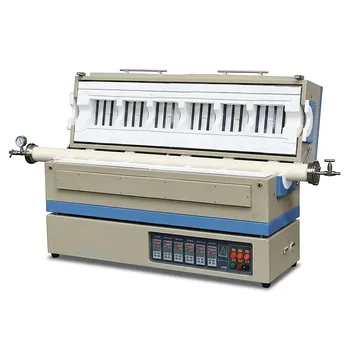
Six Zone Split Tube Furnace with Alumina Tube and Vacuum Flanges for 1500C High Temperature Thermal Processing and CVD
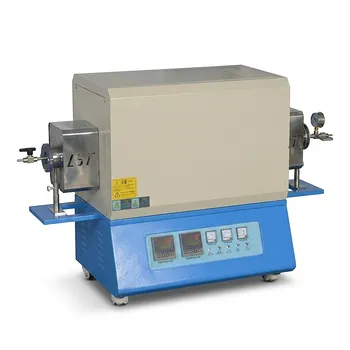
High Temperature Dual Zone Vacuum Tube Furnace for Material Research and CVD Processing

High Temperature 1700C Benchtop Tube Furnace with 5 Inch Heating Zone High Purity Alumina Tube and Vacuum Sealing Flanges
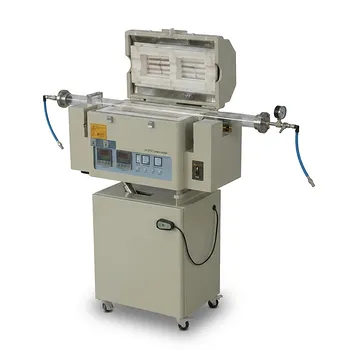
Double Temperature Revolving Tube Furnace with Precision Rotation and Adjustable Inclination for Advanced Material Research
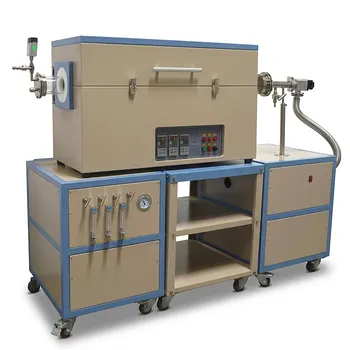
Three Zone Quartz Tube Furnace with 3 Channel Gas Mixer Vacuum Pump and Anti Corrosive Vacuum Gauge