What is the function of CVD furnaces in graphene prep? Enhancing Photodetector Charge Transport
Updated 3 months ago
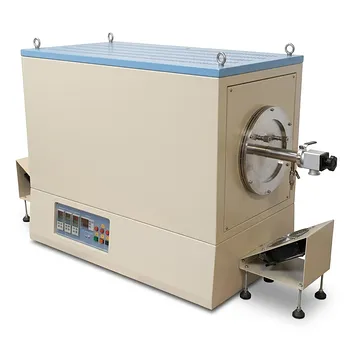
A high-precision Chemical Vapor Deposition (CVD) tube furnace serves as the foundational reaction environment for synthesizing high-quality graphene. It provides the strictly controlled high-temperature conditions (typically 1000°C to 1050°C) necessary for the thermal decomposition of carbon precursors and their subsequent rearrangement into a monolayer structure on a catalyst. This precise thermal and atmospheric control is what enables the production of large-area graphene with the high carrier mobility required for efficient charge transport in photodetectors.
The CVD tube furnace is the core engine of graphene synthesis, transforming gaseous precursors into high-crystalline-quality films. By maintaining a stable, high-vacuum, and isothermal environment, it ensures the uniformity and electrical integrity of the graphene layers used in advanced optoelectronic devices.
The Physical Foundation: Controlled High-Temperature Environment
Facilitating Thermal Decomposition (Pyrolysis)
The primary function of the furnace is to provide the energy required to break the chemical bonds of carbon-source gases, such as methane (CH4). At temperatures reaching up to 1050°C, these gases undergo catalytic cracking on the surface of a metal substrate, usually copper foil.
Maintaining Isothermal Stability
High-precision furnaces utilize quartz tubes and advanced heating elements to create a steady-state, isothermal reaction zone. This stability is critical because even minor temperature fluctuations can lead to non-uniform growth, resulting in defects that hinder charge transport.
High-Vacuum and Sealing Performance
The furnace maintains a high-vacuum environment to ensure a high level of cleanliness and to prevent contamination from ambient air. Superior sealing performance allows for the precise management of internal pressure, which directly influences the nucleation density of the graphene.
Precision Atmosphere and Gas Management
Regulating Multi-Component Gas Flows
The furnace system manages the precise mixing ratios of hydrogen (H2) and methane (CH4). Hydrogen acts as a co-catalyst that helps control the grain size and morphology of the graphene, while methane provides the necessary carbon atoms.
Preventing Oxidation with Inert Carriers
Inert gases like argon are often introduced through the furnace's flow control system to exclude oxygen. This prevents the oxidation of both the copper catalyst and the resulting graphene, preserving the material's high optical transparency and electrical conductivity.
Dehydrogenation and Rearrangement
As the carbon precursors decompose, the furnace environment allows the resulting carbon atoms to dehydrogenate and rearrange. Under the influence of the controlled thermal field, these atoms form a continuous, high-quality monolayer or double-layer structure across the catalyst surface.
Impact on Photodetector Performance
Enhancing Carrier Mobility
For a photodetector to be effective, the charge transport layer must allow electrons and holes to move with minimal resistance. The CVD furnace’s ability to produce high crystalline quality graphene directly translates to superior carrier mobility in the final device.
Ensuring Large-Area Uniformity
Photodetectors often require large-scale integration; therefore, the furnace must provide thickness uniformity across the entire substrate. A well-calibrated furnace ensures that the graphene film serves as a consistent top electrode, maximizing the collection efficiency of photogenerated carriers.
Achieving High Optical Transparency
The precise control over the number of graphene layers (ideally a single monolayer) ensures maximum optical transparency. This allows more light to reach the underlying active layers of the photodetector, such as Silicon or Nickel Oxide, improving overall device sensitivity.
Understanding the Trade-offs and Pitfalls
Temperature vs. Substrate Integrity
While higher temperatures generally improve crystalline quality, exceeding the melting point of the catalyst or the limits of the quartz tube (typically around 1160°C) can destroy the sample. Precision calibration is required to balance growth speed with structural integrity.
Cooling Rate Complexities
The process does not end at high heat; the cooling rate within the furnace is equally vital. Cooling too quickly can induce mechanical stress and wrinkles in the graphene, while cooling too slowly may lead to unwanted multi-layer growth or carbon precipitation.
Gas Purity and Residual Contaminants
Even with high-precision equipment, trace impurities in the precursor gases can act as dopants. This unintended doping can shift the Fermi level of the graphene, altering the electrical characteristics of the photodetector in unpredictable ways.
Applying This Knowledge to Your Process
Recommendations for High-Performance Synthesis
- If your primary focus is maximum carrier mobility: Prioritize a furnace with a long, stable constant temperature zone to minimize crystalline defects during the growth phase.
- If your primary focus is device consistency: Invest in a system with automated Mass Flow Controllers (MFCs) to ensure the H2/CH4 ratios remain identical across different production runs.
- If your primary focus is large-scale integration: Utilize a high-vacuum quartz tube setup to maintain the highest levels of purity and prevent atmospheric doping over large surface areas.
By mastering the thermal and atmospheric variables within the CVD tube furnace, researchers can produce the high-tier graphene necessary to push the limits of modern photodetector efficiency.
Summary Table:
| Furnace Function | Key Process Mechanism | Impact on Photodetector Performance |
|---|---|---|
| Thermal Control | Pyrolysis (1000°C–1050°C) | High crystalline quality and superior carrier mobility |
| Atmosphere Mgmt | Precision Gas Mixing (H2/CH4) | Uniform monolayer growth and controlled grain size |
| Vacuum Sealing | High-Vacuum Environment | Minimized impurities and high optical transparency |
| Cooling Rate | Controlled Thermal Gradient | Reduced mechanical stress and surface wrinkles |
Elevate Your Graphene Research with THERMUNITS
As a leading manufacturer of high-temperature laboratory equipment, THERMUNITS provides the precision tools required for cutting-edge material science and industrial R&D. Our high-precision CVD/PECVD systems, Tube furnaces, and Vacuum furnaces are engineered to deliver the isothermal stability and atmospheric purity essential for high-performance graphene charge transport layers.
Whether you are developing next-generation photodetectors or exploring advanced thermal processing, our comprehensive range—including Muffle, Rotary, and Hot Press furnaces—ensures reliable, repeatable results.
Ready to optimize your synthesis process? Contact our engineering team today to find the perfect thermal solution for your lab!
References
- Sapthami Hegde, Surojit Chattopadhyay. Gradient Dion‐Jacobson Phase Stable Quasi‐2D Perovskite@Graphene Hybrid for High Responsivity Photodetectors. DOI: 10.1002/adom.202400232
Mentioned Products
- Split Chamber CVD Tube Furnace with Vacuum Station Chemical Vapor Deposition System Machine
- 5 Inch Rotary Tube Furnace with Automatic Feeding and Receiving System 1200C Three Zone CVD Powder Processing
- 1200C Max Dual Sliding Tube Furnace with 50 mm Tube Flanges for CVD
- High Temperature 1700C Tube Furnace with High Vacuum Turbomolecular Pump System and Multi Channel Mass Flow Controller Gas Mixer
- Vertical Openable Tube Furnace 0-1700c High Temperature Laboratory System for CVD and Vacuum Heat Treatment
People Also Ask
- Why is a Tube Furnace typically utilized for CVD? Achieve Precision in Graphene and 2D Material Synthesis
- Why use CVD and a tube furnace for Pd3P0.95/NC catalyst phosphidation? Ensure high phase purity and performance.
- CVD Tube Furnace Advantages for Pd-P Catalyst Durability: Precision Control for 40,000+ Cycles
- How does a Chemical Vapor Deposition (CVD) tube furnace facilitate synchronized nitridation? Precision Nano-Engineering.
- How do CVD furnace cooling rates influence graphene-platinum residual stress? Optimize Material Quality

Tech Team · ThermUnits
Last updated on Jun 03, 2026
Related Products
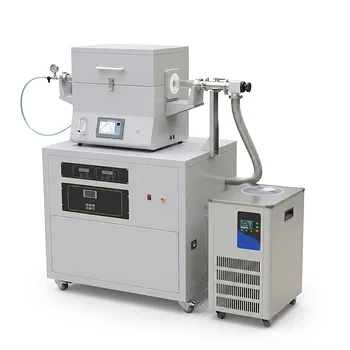
Split Chamber CVD Tube Furnace with Vacuum Station Chemical Vapor Deposition System Machine
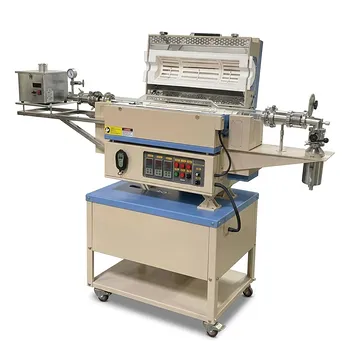
5 Inch Rotary Tube Furnace with Automatic Feeding and Receiving System 1200C Three Zone CVD Powder Processing
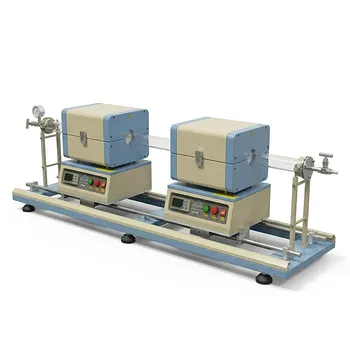
1200C Max Dual Sliding Tube Furnace with 50 mm Tube Flanges for CVD

High Temperature 1700C Tube Furnace with High Vacuum Turbomolecular Pump System and Multi Channel Mass Flow Controller Gas Mixer
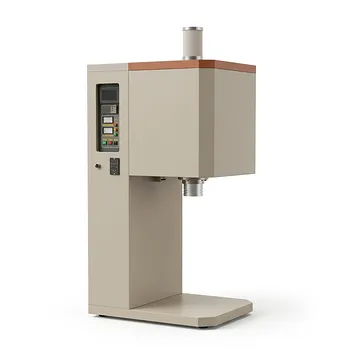
Vertical Openable Tube Furnace 0-1700c High Temperature Laboratory System for CVD and Vacuum Heat Treatment
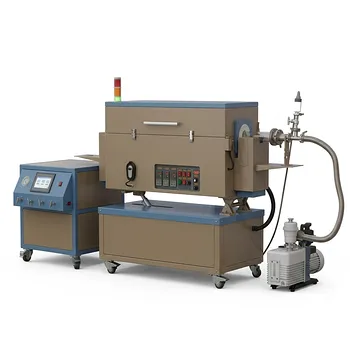
5 Inch Three Zone Rotary Tube Furnace with Integrated Gas Delivery System and 1200C Capability for Advanced Material CVD Processing
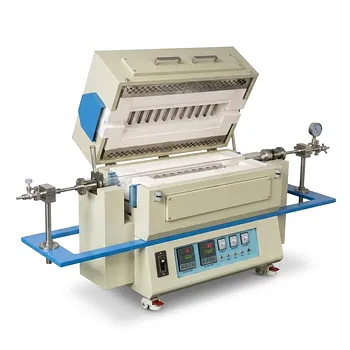
High Temperature Dual Zone Rotating Tube Furnace 1500C Silicon Carbide Heating for Advanced Material Synthesis
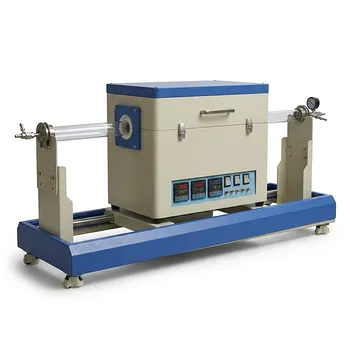
Double Temperature Zone Double Cover Tube Furnace for High Temperature CVD and Vacuum Annealing
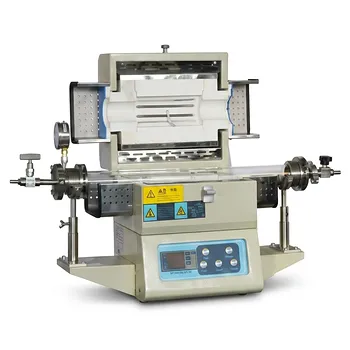
High Temperature 1200C Split Tube Furnace for CVD Research and Vacuum Atmosphere Heat Treatment
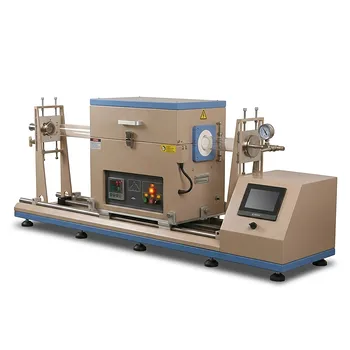
1200C Sliding Tube Furnace for Rapid Thermal Processing and CVD Graphene Growth with 100mm OD Capacity
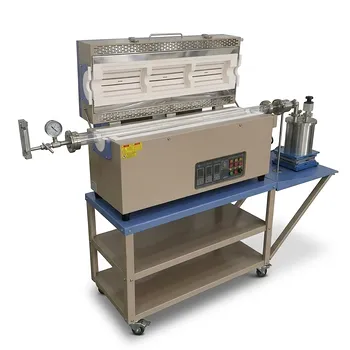
5 Inch Two Zone Rotary Tube Furnace 1100C for Powder CVD and Material Synthesis
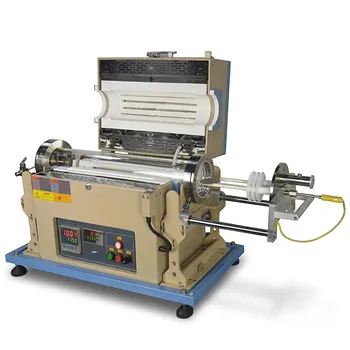
1200°C High Temperature 4 Inch Tube Furnace with Sliding Flange for CVD Systems
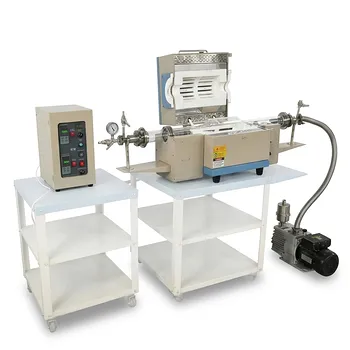
Two Zone Rotary Tube Furnace for Powder CVD Coating and Core Shell Material Synthesis 1100C
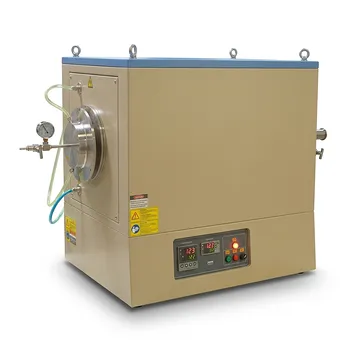
1100°C Large Diameter Quartz Tube Furnace with 24 Inch Heating Zone and Water Cooled Flanges
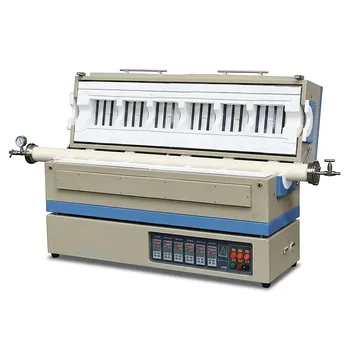
Six Zone Split Tube Furnace with Alumina Tube and Vacuum Flanges for 1500C High Temperature Thermal Processing and CVD
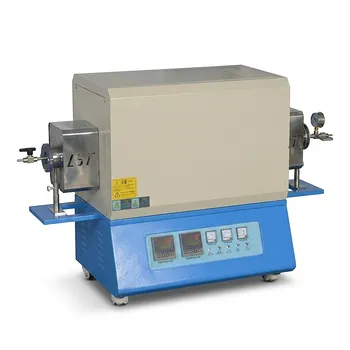
High Temperature Dual Zone Vacuum Tube Furnace for Material Research and CVD Processing

High Temperature 1700C Benchtop Tube Furnace with 5 Inch Heating Zone High Purity Alumina Tube and Vacuum Sealing Flanges
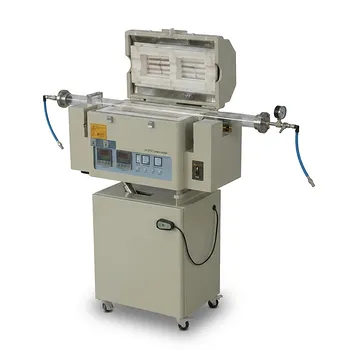
Double Temperature Revolving Tube Furnace with Precision Rotation and Adjustable Inclination for Advanced Material Research
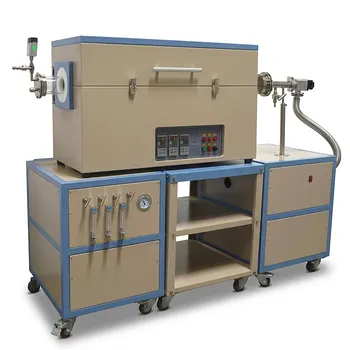
Three Zone Quartz Tube Furnace with 3 Channel Gas Mixer Vacuum Pump and Anti Corrosive Vacuum Gauge