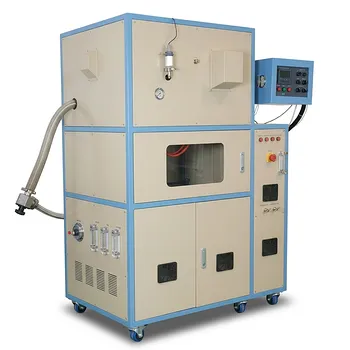
What is the application of electric rotary kilns in anode materials? Optimizing Carbonization & Yield
Updated 5 months ago
The electric rotary kiln is a cornerstone of high-performance anode production. It is primarily utilized for the carbonization of natural or artificial graphite, operating at temperatures between 800°C and 1100°C within a protective atmosphere. This specific thermal process is critical for creating the stable carbon layers and precise interlayer spacing required for efficient lithium-ion movement.
Core Takeaway: Electric rotary kilns transform raw graphite into battery-grade anode material by providing high thermal precision and continuous material agitation. This results in superior product consistency, high qualification rates, and enhanced electrochemical performance in the final battery cell.
The Role of Carbonization in Anode Manufacturing
Engineering Optimal Interlayer Spacing
The primary goal of using an electric rotary kiln is to achieve a specific crystalline structure in the graphite. By maintaining precise thermal control, the kiln optimizes the interlayer spacing of the carbon to between 0.333 and 0.342 Å.
This specific spacing is vital for the smooth intercalation and de-intercalation of lithium ions. Without this structural precision, the anode would suffer from reduced capacity and poor ion mobility.
Thermal Precision and Qualification Rates
These kilns offer exceptional temperature stability, often maintaining a precision of ±3 °C. This level of control ensures that nearly the entire batch of material undergoes the exact same chemical transformation.
The result is a significantly higher product yield compared to older methods. Manufacturers typically see qualification rates of 97% to 98%, minimizing waste and lowering the total cost of production.
Advantages of Dynamic Processing
Superior Material Uniformity
Unlike static box furnaces, the electric rotary kiln utilizes a rotating tube that causes the material to tumble and mix continuously. This motion prevents "cold spots" and ensures that every graphite particle is exposed to the same heat profile.
This mechanical agitation eliminates the risk of localized overheating, which can degrade the material. It also prevents incomplete reactions that often plague static sintering processes.
Optimized Atmospheric Interaction
The constant movement of the material ensures thorough contact between the graphite and the protective atmosphere. This is essential for preventing oxidation and ensuring the carbonization process occurs in a pure environment.
This thorough gas-solid interaction leads to a more uniform chemical composition across the entire batch. Consequently, the final anode material exhibits higher initial Coulombic efficiency and a longer cycle life.
Understanding the Trade-offs and Challenges
Mechanical Wear and Maintenance
The continuous rotation of the furnace tube introduces mechanical complexities not found in static systems. Over time, the seals and drive components require rigorous maintenance to prevent atmospheric leaks or mechanical failure.
Dust Management and Material Handling
Because the material is constantly tumbling, there is a higher propensity for dust generation within the kiln. Manufacturers must implement robust filtration and containment systems to manage fine graphite particles and protect the heating elements.
Scale-up Constraints
While rotary kilns are highly efficient for continuous production, scaling the diameter of the tube can impact heat transfer to the center of the material mass. Engineering the correct "fill level" is critical to balancing high throughput with thermal consistency.
Implementing Rotary Kilns in Your Production Line
Making the Right Choice for Your Goal
- If your primary focus is maximizing product consistency: The electric rotary kiln is the superior choice over box furnaces due to its continuous mixing and precise ±3 °C temperature control.
- If your primary focus is increasing battery cycle life: Utilizing the kiln’s ability to achieve specific 0.333–0.342 Å interlayer spacing will result in more stable anode structures and better long-term performance.
- If your primary focus is reducing manufacturing waste: The high qualification rates (97%+) of rotary systems make them the most cost-effective solution for high-volume graphite carbonization.
By leveraging the dynamic heating and atmospheric control of the electric rotary kiln, manufacturers can produce the high-purity, structurally optimized anodes required for the next generation of lithium-ion batteries.
Summary Table:
| Parameter | Specification/Detail | Key Benefit |
|---|---|---|
| Temperature Range | 800°C - 1100°C | Ideal for graphite carbonization |
| Thermal Precision | ±3 °C | Consistent material transformation |
| Interlayer Spacing | 0.333 - 0.342 Å | Optimized lithium-ion movement |
| Qualification Rate | 97% - 98% | Minimized waste and lower costs |
| Processing Mode | Continuous Rotation | Superior uniformity & gas interaction |
Elevate Your Anode Production with THERMUNITS Precision
As a leading manufacturer of high-temperature laboratory equipment for material science and industrial R&D, THERMUNITS offers the specialized thermal solutions you need to excel. Our advanced electric rotary kilns, along with our comprehensive range of Muffle, Vacuum, Atmosphere, and Tube furnaces, are engineered to provide the thermal stability and uniformity required for next-generation lithium-ion battery materials.
Whether you are refining carbonization processes or scaling up CVD/PECVD research, we bring expert heat treatment technology to your production line.
Ready to optimize your material performance?
Contact THERMUNITS Today to explore our full range of furnace solutions and industrial heat treatment equipment.
Mentioned Products
- Electric Rotary Kiln Small Rotary Furnace for Activated Carbon Regeneration
- Electric Rotary Kiln Small Rotary Furnace Biomass Pyrolysis Plant
- Electric Rotary Kiln Continuous Working Small Rotary Furnace Heating Pyrolysis Plant
- 4 Inch Two Zone Rotary CVD Tube Furnace for High Temperature Battery Material Synthesis and Advanced Material Calcination
- Three Zone Rotary Tube Furnace for High Temperature Powder Processing and Material Research
People Also Ask
- What are the primary components and heating mechanisms of an electric rotary kiln? Optimize High-Purity Heat Treatment
- Which minerals and specialty chemicals are commonly processed using electric rotary kilns? Precision Thermal Processing Guide
- What are the maintenance and service life advantages of an electric rotary kiln? 25+ Year Longevity & Low Maintenance
- How does the use of an electric rotary kiln facilitate CO2 capture in cement and lime production? Achieve High-Purity CCUS
- What thermal efficiency can be expected from an electric rotary kiln compared to fuel-fired alternatives? Gain 95% efficiency.

Tech Team · ThermUnits
Last updated on Apr 14, 2026
Related Products
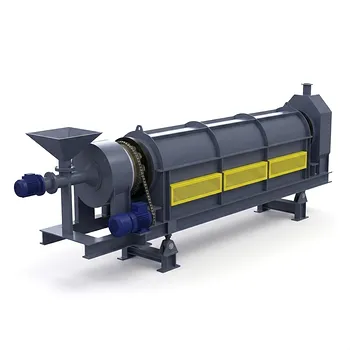
Electric Rotary Kiln Small Rotary Furnace for Activated Carbon Regeneration
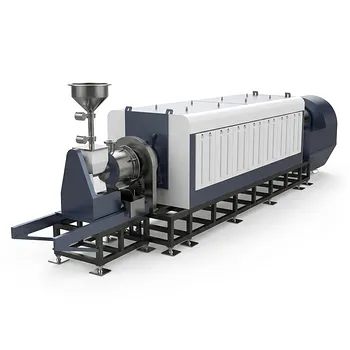
Electric Rotary Kiln Small Rotary Furnace Biomass Pyrolysis Plant
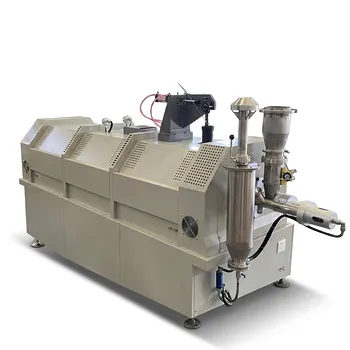
Electric Rotary Kiln Continuous Working Small Rotary Furnace Heating Pyrolysis Plant
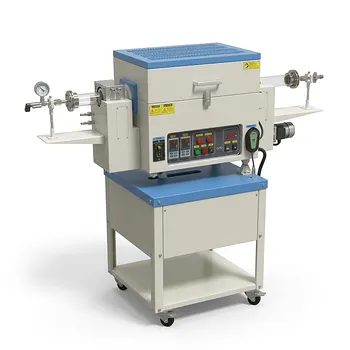
4 Inch Two Zone Rotary CVD Tube Furnace for High Temperature Battery Material Synthesis and Advanced Material Calcination
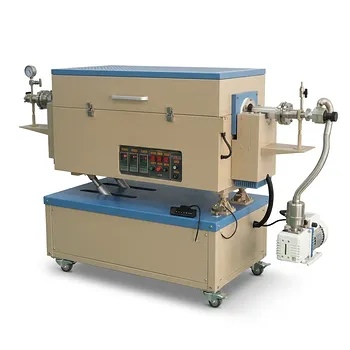
Three Zone Rotary Tube Furnace for High Temperature Powder Processing and Material Research
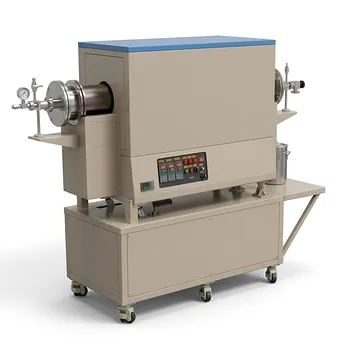
900°C Max Rotary Tube Furnace with 8 Inch 310S Alloy Tube and Optional Multi Zone Heating for Industrial Material Calcination
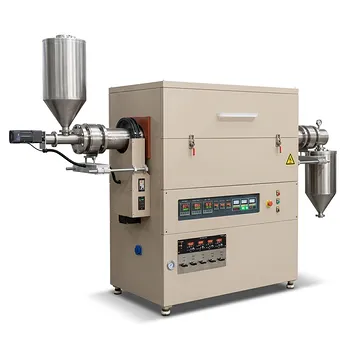
High Temperature Tilting Rotary Tube Furnace with Integrated Mass Flow Control and Multi Zone Heating
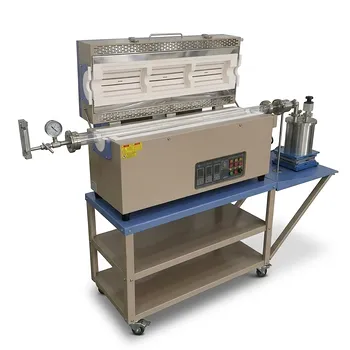
5 Inch Two Zone Rotary Tube Furnace 1100C for Powder CVD and Material Synthesis
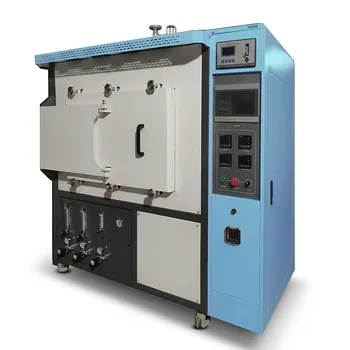
Roller Table Atmosphere Furnace 1500C High Temperature Battery Material Sintering System 112L Capacity
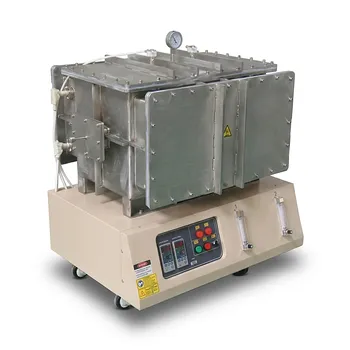
1500°C Atmosphere Controlled Rapid Heating Furnace for Material Science and Battery Powder Sintering
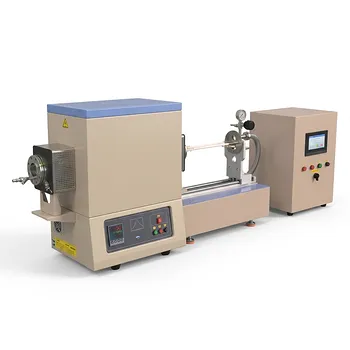
High Temperature Horizontal Electrical Assisted Sintering Furnace with 3KW Programmable Power Source for Advanced Ceramic Materials
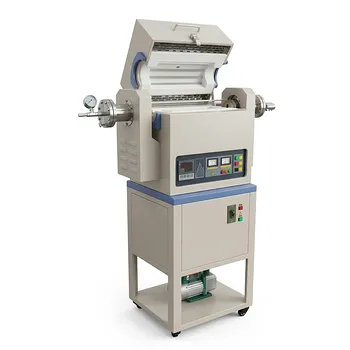
High Temperature Rotary Tilt Tubular Furnaces for Advanced Powder Sintering and Material Processing
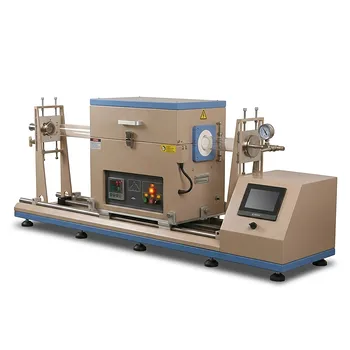
1200C Sliding Tube Furnace for Rapid Thermal Processing and CVD Graphene Growth with 100mm OD Capacity