What materials are used for tube furnace process tubes? Temperature Limits & Selection Guide for Research
Updated 5 months ago
The choice of a process tube is dictated primarily by the maximum operating temperature and the chemical nature of the environment. For most laboratory and industrial applications, fused quartz is the standard for temperatures up to 1200 °C, while alumina (corundum) is required for high-heat processes reaching up to 1800 °C. Specialized needs may require mullite, heat-resistant alloy steels, or refractory metals like molybdenum and tungsten to ensure structural integrity and chemical inertness.
The process tube serves as the primary containment for both the sample and the reaction atmosphere, making its selection critical to prevent contamination and mechanical failure. You must balance the material’s maximum service temperature against its resistance to thermal shock and chemical reactivity.
Ceramic and Mineral Process Tubes
Fused Quartz (Up to 1200 °C)
Fused quartz is widely used due to its exceptional purity and transparency, which allows for visual monitoring of the reaction. It offers excellent thermal shock resistance, meaning it can withstand relatively rapid temperature changes without cracking.
However, quartz begins to soften and devitrify if held at its upper limit for extended periods. It is the preferred choice for Chemical Vapor Deposition (CVD) and processes requiring high levels of cleanliness.
Alumina and Corundum (Up to 1800 °C)
Alumina (Al2O3), often referred to as corundum in its high-purity form, is the "gold standard" for ultra-high temperature applications. These tubes are opaque and can withstand temperatures ranging from 1700 °C to 1800 °C.
Alumina is highly resistant to chemical erosion but is much more sensitive to thermal shock than quartz. It requires slow heating and cooling rates to prevent catastrophic structural failure.
Mullite and Specialized Ceramics
Mullite is a ceramic material used as a cost-effective alternative for mid-to-high temperature ranges. While it provides good thermal stability, it is generally less resistant to chemical attack and lower in purity than high-grade alumina.
In specific industrial contexts, ceramic tubes are chosen to maintain a stable oxide layer. This ensures high emissivity for efficient heat absorption and prevents the tube from deforming under extreme thermal loads.
Metallic and Refractory Materials
Heat-Resistant Alloy Steels
For specialized industrial applications, tubes are fabricated from heat-resistant alloy steels designed for high thermal strength. These alloys are specifically engineered to withstand long-term exposure to oxidizing flue gases and high-temperature radiation.
These tubes are often selected for their mechanical durability in environments where ceramics might be too brittle. They are essential in processes where the tube must maintain structural integrity under physical stress.
Refractory Metals (Molybdenum and Tungsten)
In environments involving highly corrosive chemicals or extreme vacuum conditions, refractory metals are utilized. Molybdenum and tungsten are selected for their incredibly high melting points and chemical durability.
These materials are typically reserved for niche applications where ceramic or standard alloy tubes would react with the process gases or the sample itself.
Understanding the Trade-offs
Thermal Shock vs. Maximum Temperature
The most common trade-off involves thermal shock resistance. Quartz can handle rapid temperature swings but fails at high heat, whereas Alumina handles extreme heat but may crack if cooled too quickly.
Chemical Inertness and Contamination
High-purity alumina and quartz are chosen to prevent leaching of impurities into the sample. If your process involves carbonization or the growth of carbon nanotubes, the tube must remain chemically inert to avoid interfering with the reaction's thermal field.
Emissivity and Heat Distribution
In industrial settings, the tube's ability to absorb and radiate heat (emissivity) is vital. Alloy steels are often superior in this regard, whereas ceramics may require specific heating element configurations, like molybdenum disilicide (MoSi2), to ensure even heat distribution.
Making the Right Choice for Your Goal
When selecting a process tube, align the material properties with the specific requirements of your thermal cycle and atmosphere.
- If your primary focus is visibility and thermal shock resistance: Use fused quartz, keeping your maximum operating temperature below 1200 °C.
- If your primary focus is reaching ultra-high temperatures: Select high-purity alumina (corundum), but ensure your heating and cooling ramps are slow enough to prevent cracking.
- If your primary focus is durability in corrosive or industrial environments: Opt for refractory metals or specialized heat-resistant alloy steels to ensure long-term chemical stability.
By matching the material's thermal threshold to your process requirements, you ensure both the safety of the equipment and the purity of your results.
Summary Table:
| Material | Max Operating Temp | Key Advantage | Best For |
|---|---|---|---|
| Fused Quartz | 1200 °C | High Purity & Thermal Shock Resistance | CVD & Transparent Monitoring |
| Alumina (Corundum) | 1800 °C | Exceptional High-Temperature Stability | Ultra-High Heat Sintering |
| Mullite | ~1600 °C | Cost-Effective Thermal Stability | Mid-to-High Temp Applications |
| Alloy Steels | Varies | Mechanical Durability | Industrial & Oxidizing Gases |
| Refractory Metals | Extreme | Chemical Durability in Vacuums | Corrosive Environments |
Optimize Your Thermal Research with THERMUNITS
Enhance your laboratory's capabilities with high-performance thermal solutions from THERMUNITS. As a leading manufacturer of high-temperature laboratory equipment for material science and industrial R&D, we offer a comprehensive range of solutions including Tube, Muffle, Vacuum, Atmosphere, and Rotary furnaces, as well as CVD/PECVD systems and Thermal Elements.
Whether you are scaling up industrial production or conducting precise material analysis, our expertise ensures you get the most reliable heat treatment equipment tailored to your needs. Contact our specialists today to find the perfect furnace for your application and secure the purity of your results!
Mentioned Products
- 1700C Hydrogen Gas Tube Furnace with 60mm Alumina Process Tube and Integrated Hydrogen Safety Detector
- Rapid Thermal Processing Sliding Tube Furnace with 4 Inch OD Quartz Tube and 900C IR Heating
- 1200C Sliding Tube Furnace for Rapid Thermal Processing and CVD Graphene Growth with 100mm OD Capacity
- High Temperature 1700C Vertical Split Tube Furnace for Material Quenching and Single Crystal Growth
- 900 ºC Max Sliding RTP Tube Furnace with Rapid IR Heating and 4 Inch OD Quartz Tube
People Also Ask
- Why is a strictly maintained argon environment necessary for 900 °C FeCoNi@CNTs annealing? Prevent Oxidative Destruction
- Why is precision temperature programming in a tube furnace critical for the synthesis of molybdenum-based metal nitrides?
- Why is an Ar/H2 (95/5) mixed atmosphere necessary when annealing Si/Al2O3/RGO materials in a tube furnace?
- Why is high-precision programmable temperature control in a tube furnace necessary for cooling YBCO-358? Peak Performance.
- What types of controlled atmospheres can be maintained within a tube furnace? Master Precise Chemical Heat Treatment

Tech Team · ThermUnits
Last updated on Apr 14, 2026
Related Products
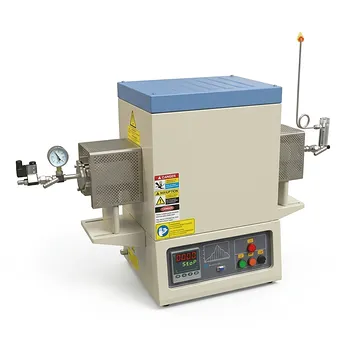
1700C Hydrogen Gas Tube Furnace with 60mm Alumina Process Tube and Integrated Hydrogen Safety Detector
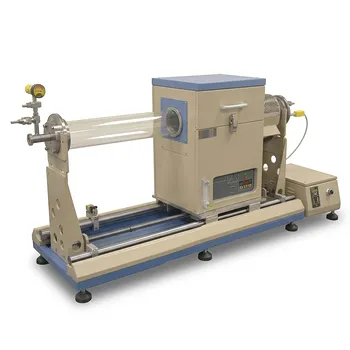
Rapid Thermal Processing Sliding Tube Furnace with 4 Inch OD Quartz Tube and 900C IR Heating
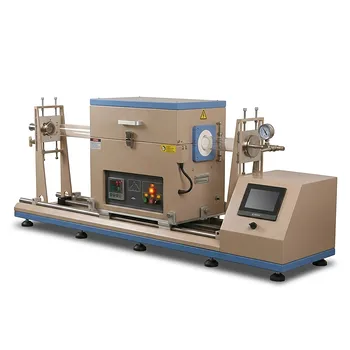
1200C Sliding Tube Furnace for Rapid Thermal Processing and CVD Graphene Growth with 100mm OD Capacity
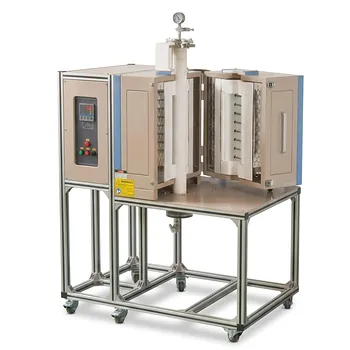
High Temperature 1700C Vertical Split Tube Furnace for Material Quenching and Single Crystal Growth
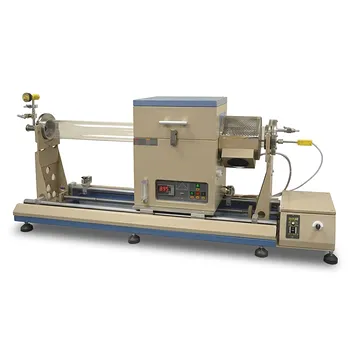
900 ºC Max Sliding RTP Tube Furnace with Rapid IR Heating and 4 Inch OD Quartz Tube
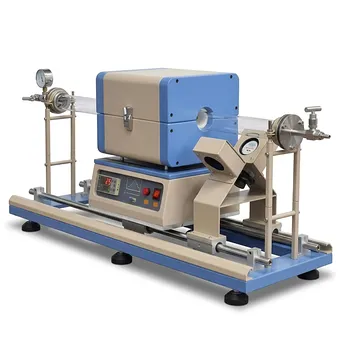
Automated Sliding Tube Furnace for Fast Heating and Cooling 2 Inch OD 1100C Max
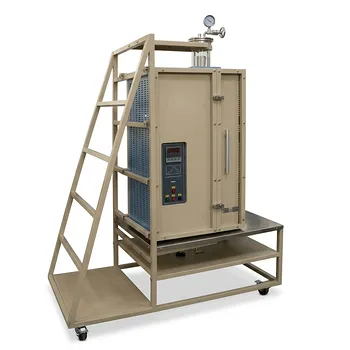
Split Vertical Tube Furnace with 1200C Quartz Tube and Stainless Steel Vacuum Flanges for Rapid Thermal Processing
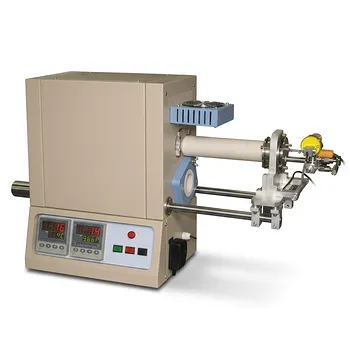
High Temperature Tube Furnace 1500C with Sliding Flanges and 50mm OD for Rapid Thermal Processing Fast Heating and Cooling
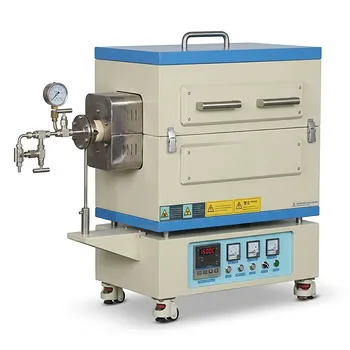
High Temperature Split Tube Furnace 1500C for Material Research Vacuum and Atmosphere Thermal Processing
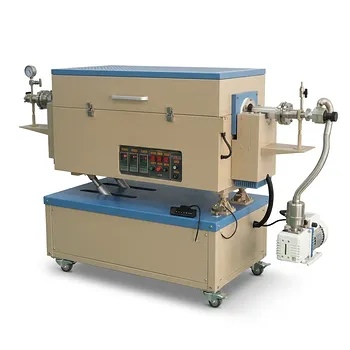
Three Zone Rotary Tube Furnace for High Temperature Powder Processing and Material Research
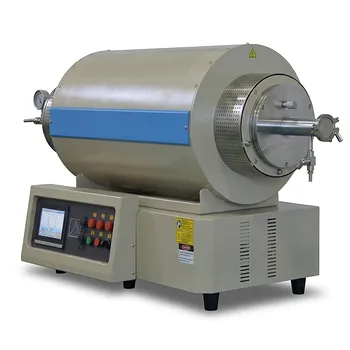
1200C Max Three Zone Tube Furnace 6 Inch OD Max with Tube and Flange

Compact Vertical Split Quartz Tube Furnace with Stainless Steel Vacuum Flanges for Rapid Thermal Quenching and Controlled Atmosphere Material Processing
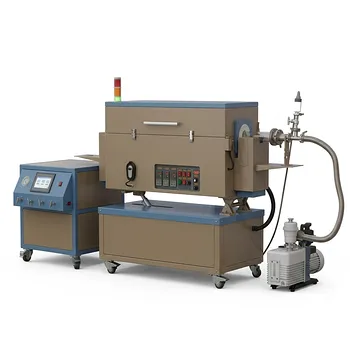
5 Inch Three Zone Rotary Tube Furnace with Integrated Gas Delivery System and 1200C Capability for Advanced Material CVD Processing
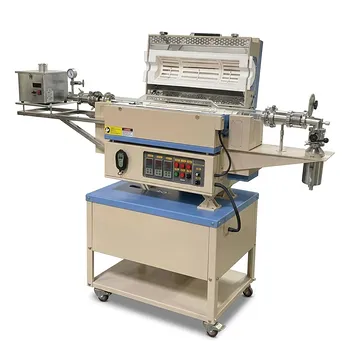
5 Inch Rotary Tube Furnace with Automatic Feeding and Receiving System 1200C Three Zone CVD Powder Processing

Compact High Temperature 1600C Tube Furnace with 50mm Alumina Tube and Vacuum Flanges for Material Sintering
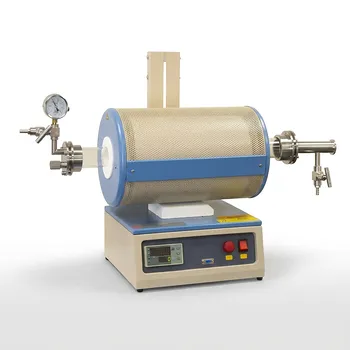
1100C Tube Furnace with Vacuum Flange and Programmable Temperature Controller for Material Science and Industrial Heat Treatment
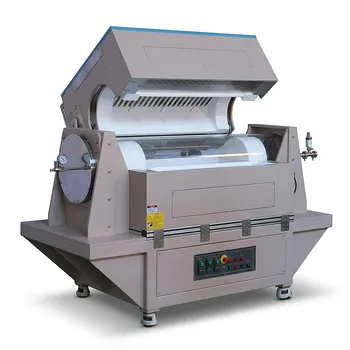
Three Zone Tube Furnace with 11 Inch or 15 Inch Quartz Tube and Hinged Flanges for Vacuum Atmosphere Heat Treatment

1800C High Temperature Compact Vacuum Tube Furnace with 60mm OD Alumina Tube and Kanthal MoSi2 Heating Elements

High Temperature 1700C Benchtop Tube Furnace with 5 Inch Heating Zone High Purity Alumina Tube and Vacuum Sealing Flanges