Why is a strictly maintained argon environment necessary for 900 °C FeCoNi@CNTs annealing? Prevent Oxidative Destruction
Updated 3 months ago
A strictly maintained argon environment is the primary safeguard against the total oxidative destruction of your sample. At the extreme temperature of 900 °C, any exposure to oxygen or moisture will trigger immediate combustion of the carbon nanotubes and the rapid oxidation of the FeCoNi alloy nanoparticles. This inert shield is essential to preserve the material's chemical identity, structural morphology, and its specialized electromagnetic properties.
The argon atmosphere acts as a continuous chemical barrier that prevents atmospheric oxygen from reacting with the high-energy surface of the material. By displacing reactive gases, the furnace ensures that the 900 °C thermal energy facilitates proper annealing and phase formation rather than destructive combustion.
Preventing the Degradative Oxidation of Metal Nanoparticles
Avoiding Transition Metal Oxidation
At 900 °C, transition metals like Iron (Fe), Cobalt (Co), and Nickel (Ni) possess a high affinity for oxygen. Without a strict argon environment, these nanoparticles would rapidly convert into metallic oxides, fundamentally altering the chemical composition of the material.
Maintaining the High-Crystallinity Alloy Phase
The goal of annealing is often to facilitate phase transformation into a stable, high-crystallinity FeCoNi alloy. The presence of argon ensures that the reduction state is maintained, allowing the metallic atoms to arrange into the intended lattice structure without the interference of oxygen atoms.
Protecting Magnetic and Electronic Properties
The specific magnetic-driven epsilon-near-zero (ENZ) characteristics and electronic conductivity of the material depend entirely on the metallic state of the particles. If oxidation occurs, these unique physical properties are lost, as metal oxides typically exhibit significantly different electromagnetic behaviors than their alloy counterparts.
Preserving the Carbon Nanotube (CNT) Framework
Preventing Thermal Combustion
Carbon nanotubes are highly susceptible to oxidative combustion at temperatures well below 900 °C when oxygen is present. In an air-rich environment, the CNTs would simply "burn off," leaving behind only a residue of metal oxides and destroying the nanocomposite structure.
Ensuring Structural Integrity and Yield
The argon environment ensures a high yield of the final product by preventing the loss of carbon materials during pyrolysis and annealing. This preservation is critical for maintaining the conductive network, where the CNTs serve as the structural backbone for the FeCoNi nanoparticles.
Protecting the Micro-Morphology
The precise pore structure and microscopic morphology of the CNTs are vital for the material's performance. Argon allows the thermal process to focus solely on the breaking and recombination of necessary chemical bonds, ensuring the resulting carbon shell or skeleton remains intact.
Understanding the Trade-offs and Technical Pitfalls
The Risk of Impure Gas
Using low-purity argon can be just as damaging as a total vacuum failure. Even trace amounts of oxygen or moisture in the gas line can cause localized oxidation, leading to "pitting" in the carbon nanotubes or the formation of an unwanted oxide layer on the nanoparticles.
Flow Rate and Pressure Management
Maintaining a continuous flow of argon is necessary to effectively displace the oxygen initially present in the tube furnace. However, an improperly managed flow can create temperature gradients or physical displacement of light carbon powders, requiring a delicate balance between gas pressure and thermal stability.
Equipment Sealing Vulnerabilities
At 900 °C, the structural integrity of furnace seals is under high stress. Any leak in the tube furnace gaskets will allow oxygen to diffuse into the chamber against the argon flow, potentially ruining a long-duration annealing cycle by introducing "uncontrolled secondary oxidation."
How to Apply This to Your Process
Recommendations for High-Temperature Annealing
- If your primary focus is maximum material yield: Ensure a high-purity (99.999%) argon flow is established at least 30 minutes before heating begins to completely displace all residual oxygen.
- If your primary focus is precise electromagnetic (ENZ) performance: Maintain a consistent, programmed heating rate (e.g., 5 °C/min) within the argon environment to ensure stable alloy formation and structural uniformity.
- If your primary focus is structural carbon integrity: Use a high-purity argon protection system that includes a moisture trap to prevent the steam-reforming or gasification of the carbon nanotubes at peak temperatures.
By rigorously controlling the inert environment, you ensure that the extreme thermal energy of the furnace serves as a tool for synthesis rather than a catalyst for degradation.
Summary Table:
| Aspect | With Strict Argon Environment | Without Argon (Exposure to Oxygen) |
|---|---|---|
| Metal Nanoparticles | Maintains metallic FeCoNi alloy phase | Rapid oxidation into transition metal oxides |
| CNT Framework | Preserves structural integrity and conductivity | Thermal combustion and total loss of carbon |
| Material Properties | Protects magnetic and ENZ characteristics | Loss of electromagnetic and electronic properties |
| Product Yield | High yield with precise micro-morphology | Low yield; residue of ash and oxides |
| Synthesis Focus | Facilitates phase formation and crystallization | Triggers destructive chemical degradation |
Elevate Your Material Research with THERMUNITS High-Performance Furnaces
At THERMUNITS, we understand that maintaining a pristine inert environment is critical for the success of sensitive processes like FeCoNi@CNTs annealing. As a leading manufacturer of high-temperature laboratory equipment for material science and industrial R&D, we offer advanced Tube Furnaces, Atmosphere Furnaces, and Vacuum Systems engineered for superior sealing and precise gas control.
Our comprehensive range of solutions—including CVD/PECVD systems, Muffle, Rotary, and Hot Press furnaces—ensures your high-energy surfaces are protected from oxidative degradation.
Ready to achieve superior heat treatment results? Contact THERMUNITS Today to consult with our experts and find the perfect thermal processing solution for your lab!
References
- Xinxue Tang, Juan Song. Epsilon-near-zero and magnetically driven properties for medium-entropy FeCoNi alloy particle-doped CNTs and their derivatives. DOI: 10.1007/s42114-024-01136-6
Mentioned Products
- High Temperature Tube Furnace 1500C with Sliding Flanges and 50mm OD for Rapid Thermal Processing Fast Heating and Cooling
- Vertical 1700C Vacuum and Atmosphere Tube Furnace with 80mm Alumina Tube
- 1100C Tube Furnace with Vacuum Flange and Programmable Temperature Controller for Material Science and Industrial Heat Treatment
- Compact High Temperature 1600C Tube Furnace with 50mm Alumina Tube and Vacuum Flanges for Material Sintering
- 900°C Max Rotary Tube Furnace with 8 Inch 310S Alloy Tube and Optional Multi Zone Heating for Industrial Material Calcination
People Also Ask
- How are high-temperature tube furnaces utilized to repair etching damage? Precision Lattice Restoration Solutions
- What core conditions does a high-temperature tube furnace provide for rGO aerogels? Mastering Precision Synthesis.
- What role does a high-temperature tube furnace play in CVD synthesis of silicon nanowires? Master VLS Growth Precision.
- How does precision tube furnace control influence CoFe nanoparticle formation? Master Your Bimetallic Synthesis.
- What role does a high-temperature tube furnace play in the sulfidation heat treatment of CoS@C/MXene nanocomposites? Guide

Tech Team · ThermUnits
Last updated on Jun 03, 2026
Related Products
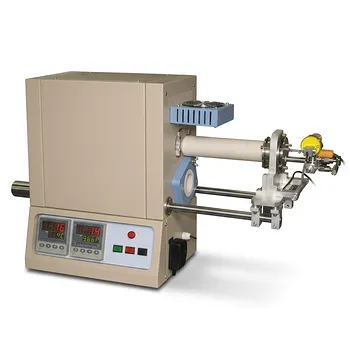
High Temperature Tube Furnace 1500C with Sliding Flanges and 50mm OD for Rapid Thermal Processing Fast Heating and Cooling

Vertical 1700C Vacuum and Atmosphere Tube Furnace with 80mm Alumina Tube
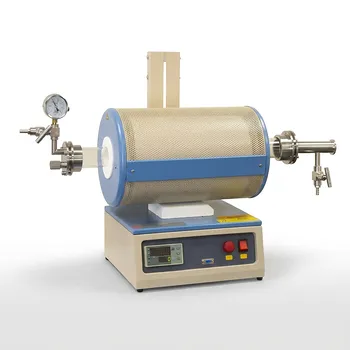
1100C Tube Furnace with Vacuum Flange and Programmable Temperature Controller for Material Science and Industrial Heat Treatment

Compact High Temperature 1600C Tube Furnace with 50mm Alumina Tube and Vacuum Flanges for Material Sintering
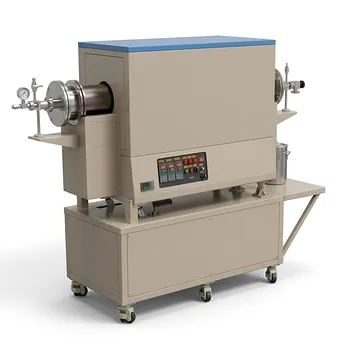
900°C Max Rotary Tube Furnace with 8 Inch 310S Alloy Tube and Optional Multi Zone Heating for Industrial Material Calcination
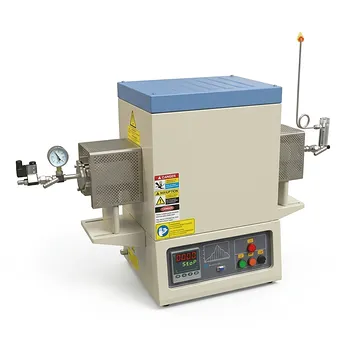
1700C Hydrogen Gas Tube Furnace with 60mm Alumina Process Tube and Integrated Hydrogen Safety Detector

High Temperature 1700C Tube Furnace with High Vacuum Turbomolecular Pump System and Multi Channel Mass Flow Controller Gas Mixer
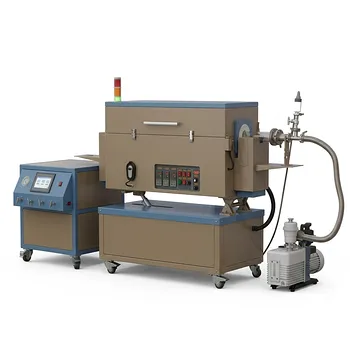
5 Inch Three Zone Rotary Tube Furnace with Integrated Gas Delivery System and 1200C Capability for Advanced Material CVD Processing
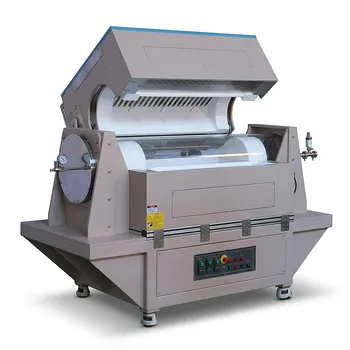
Three Zone Tube Furnace with 11 Inch or 15 Inch Quartz Tube and Hinged Flanges for Vacuum Atmosphere Heat Treatment
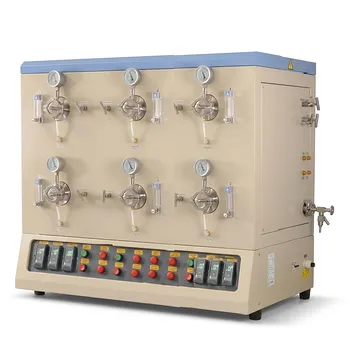
1200C High Throughput Multi Channel Tube Furnace with 50mm Quartz Tubes for Annealing and Material Phase Diagram Research

1200°C 5 Inch Vertical Quartz Tube Furnace with Stainless Steel Vacuum Flanges
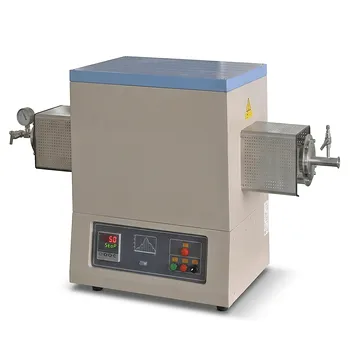
High Temperature 1700C Tube Furnace with 4 Inch OD Alumina Tube and Vacuum Sealing Flanges
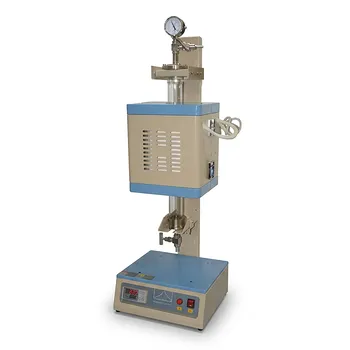
Compact Vertical Split Quartz Tube Furnace with Stainless Steel Vacuum Flanges for Rapid Thermal Quenching and Controlled Atmosphere Material Processing
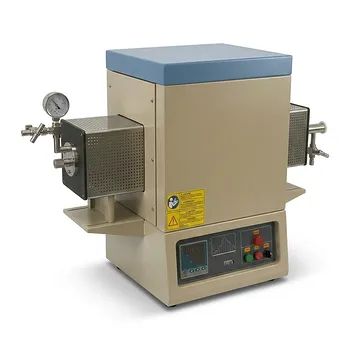
High Temperature 1700C Benchtop Tube Furnace with 5 Inch Heating Zone High Purity Alumina Tube and Vacuum Sealing Flanges
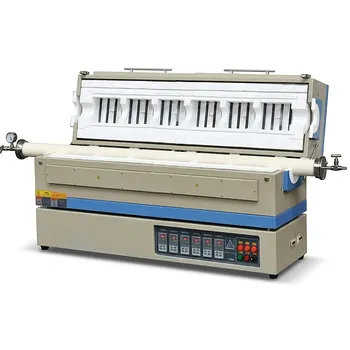
High Temperature 1700C Six Zone Split Tube Furnace with Alumina Tube and Water Cooled Flanges

1800C High Temperature Compact Vacuum Tube Furnace with 60mm OD Alumina Tube and Kanthal MoSi2 Heating Elements
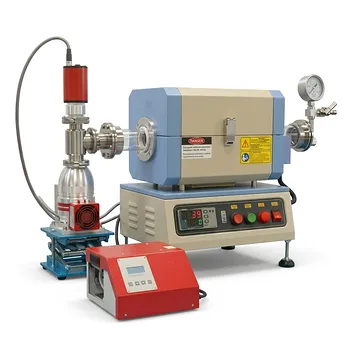
High Vacuum Compact Tube Furnace 1200C with Integrated Turbo Pump System and 8 Inch Heating Zone
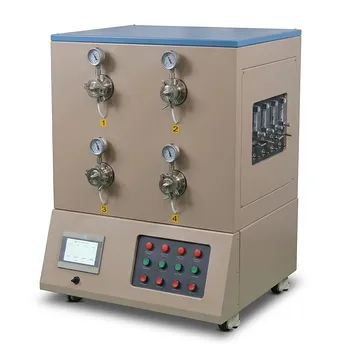
High Throughput 1200C Four Channel Tube Furnace with 3 Inch Quartz Tubes for Multi Zone Annealing and Material Research

High Temperature Automated 5 Inch Tube Furnace for Autonomous Material Research and Advanced Laboratory R&D
