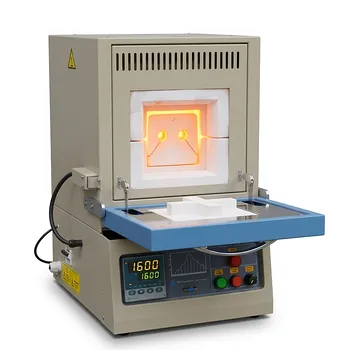
Why Evaluate Furnace Control Saturation Limits? Achieve Stable Heat Treatment and Protect Your Hardware
Updated 3 months ago
Evaluating saturation limits is essential because they represent the physical boundaries of your hardware within a digital control strategy. In an electric resistance furnace, these limits simulate the maximum capacity of your power supply and heating elements, ensuring that the controller never demands more than the system can physically deliver.
Core Takeaway: Saturation analysis transforms theoretical control models into physically viable systems by accounting for hardware constraints, preventing equipment overload, and maintaining temperature stability during extreme industrial fluctuations.
Bridging Theoretical Logic and Physical Reality
Simulating Hardware Constraints
Control algorithms often calculate ideal outputs that look perfect on a screen but are impossible for a power supply to execute. Saturation limiters act as a digital twin of your physical hardware, capping control signals at the exact point where your equipment reaches its maximum output.
Defining the Saturation Point
Saturation occurs the moment a controller command exceeds the actual capacity of the furnace's power source or heating components. By evaluating these limits during the design phase, you ensure the control signal remains within the physical feasibility of the temperature adjustment process.
Maintaining Control Integrity
Without saturation analysis, a controller might continue to "push" for more power even after the hardware is maxed out. Integrating these limits into your strategy ensures that the temperature control remains robust, even when operating at the edge of the system's performance envelope.
Protecting Industrial Assets and Performance
Preventing Hardware Overload
In complex industrial environments, demanding power beyond a system's design capacity can lead to catastrophic failure. Evaluating saturation limits provides a safety buffer that prevents hardware overload, extending the lifespan of expensive heating elements and power electronics.
Robustness Under Extreme Conditions
Industrial furnaces often face unpredictable thermal loads or extreme ambient shifts. Saturation analysis allows the system to handle these extreme conditions predictably, avoiding the erratic behavior or "integral windup" that occurs when software logic loses touch with physical reality.
Ensuring Process Consistency
When a system saturates, its response becomes non-linear, which can lead to temperature overshoots or sluggish recovery. Identifying these limits allows engineers to tune the system for maximum responsiveness without triggering unstable oscillations.
Understanding the Trade-offs
The Risk of Response Lag
While saturation limits protect hardware, they inherently limit the speed of recovery from large temperature drops. Because the system cannot exceed its physical maximum, there is a hard ceiling on how quickly the furnace can return to its setpoint after a disturbance.
Complexity in Tuning
Accounting for saturation makes the control loop mathematically non-linear, which complicates the tuning process. Engineers must balance the need for aggressive heating against the risk of the system "hitting the ceiling" and losing its ability to regulate fine adjustments.
How to Apply This to Your Furnace Strategy
Effective saturation management requires aligning your software logic with your specific hardware capabilities.
- If your primary focus is Equipment Longevity: Set conservative saturation limits that stay 5-10% below the absolute maximum capacity of your heating elements to reduce thermal stress.
- If your primary focus is Thermal Precision: Use saturation-aware control algorithms (like anti-windup logic) to ensure the controller recovers immediately once the signal drops back into the feasible range.
- If your primary focus is Maximum Throughput: Map your saturation limits exactly to your power supply's peak output to utilize every available watt during the initial ramp-up phase.
By grounding your control strategy in the physical realities of saturation, you ensure a furnace system that is both high-performing and fundamentally stable.
Summary Table:
| Feature | Functional Benefit | Industrial Impact |
|---|---|---|
| Hardware Mapping | Bridges digital logic with physical capacity | Prevents power supply and element overload |
| Saturation Limiters | Caps signals at maximum equipment output | Extends equipment lifespan and reliability |
| Anti-Windup Logic | Eliminates "integral windup" issues | Reduces temperature overshoot and recovery lag |
| Dynamic Analysis | Handles unpredictable thermal loads | Maintains stability in extreme environments |
Optimize Your Thermal Processes with THERMUNITS
Achieving precise temperature control requires high-performance hardware integrated with intelligent control strategies. THERMUNITS is a leading manufacturer of high-temperature laboratory equipment for material science and industrial R&D. We provide a comprehensive range of thermal solutions, including:
- Muffle, Vacuum, and Atmosphere Furnaces
- Tube, Rotary, and Hot Press Furnaces
- CVD/PECVD Systems & Dental Furnaces
- Electric Rotary Kilns & Vacuum Induction Melting (VIM) Furnaces
- High-Quality Thermal Elements and Lab Heat Treatment Equipment
Whether you need to minimize thermal stress or maximize production throughput, our experts are ready to help you select the ideal equipment for your specific requirements.
Contact THERMUNITS Today for Professional Solutions
References
- Sarah A. Alzakari, Fatma A. Hashim. A new control scheme for temperature adjustment of electric furnaces using a novel modified electric eel foraging optimizer. DOI: 10.3934/math.2024654
Mentioned Products
- Molybdenum Disilicide MoSi2 Thermal Elements Electric Furnace Heating Element High Temperature Resistance
- High Temperature Horizontal Electrical Assisted Sintering Furnace with 3KW Programmable Power Source for Advanced Ceramic Materials
- Electric Rotary Kiln Continuous Working Small Rotary Furnace Heating Pyrolysis Plant
- 1250 C Compact Vertical Box Furnace for Glovebox Material Research Air Sensitive Samples
- Five Side Heating Muffle Furnace High Purity Alumina Fiber 27L Chamber 1200C High Temperature Thermal Processing System for Sintering Annealing and Materials Research
People Also Ask
- What role do MoSi2 heating elements play in high-temperature smelting? Precision for Ferronickel & Slag Research
- Why is the selection of high-performance thermal elements critical for high-temperature testing? Ensure Data Integrity.
- How do electric thermal elements compare to combustion-based heating systems? Maximize Your Lab's Energy Efficiency
- What role do thermocouples play in furnace closed-loop systems? Essential Feedback for Precision
- How do actuators and heaters in an electric resistance furnace respond to control commands? Optimizing Heat Accuracy

Tech Team · ThermUnits
Last updated on Jun 02, 2026
Related Products
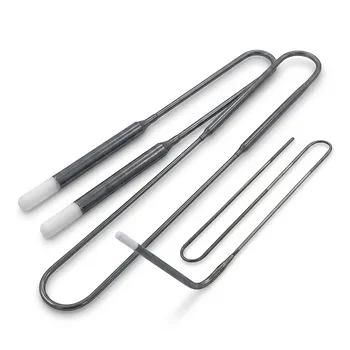
Molybdenum Disilicide MoSi2 Thermal Elements Electric Furnace Heating Element High Temperature Resistance
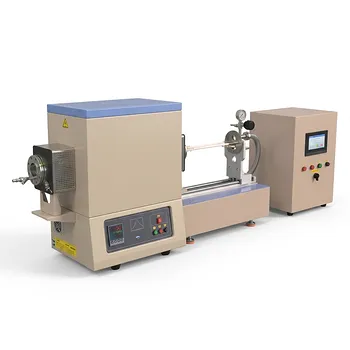
High Temperature Horizontal Electrical Assisted Sintering Furnace with 3KW Programmable Power Source for Advanced Ceramic Materials
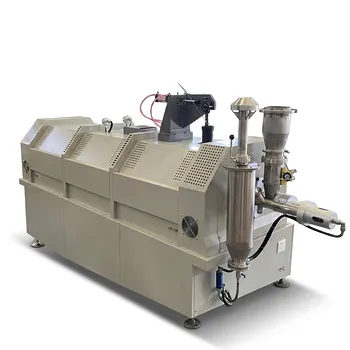
Electric Rotary Kiln Continuous Working Small Rotary Furnace Heating Pyrolysis Plant
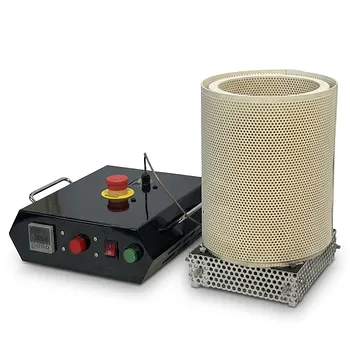
1250 C Compact Vertical Box Furnace for Glovebox Material Research Air Sensitive Samples
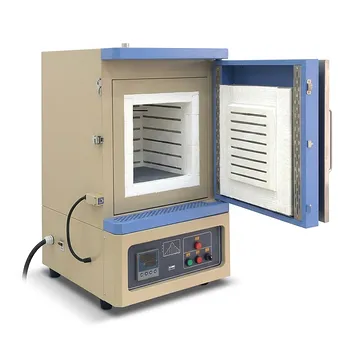
Five Side Heating Muffle Furnace High Purity Alumina Fiber 27L Chamber 1200C High Temperature Thermal Processing System for Sintering Annealing and Materials Research
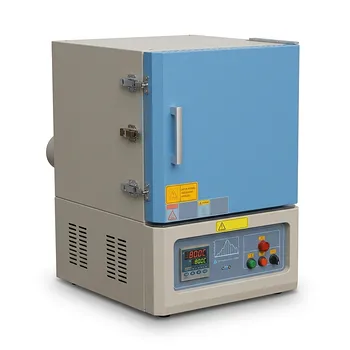
1800C Bench Top Muffle Furnace 18 Liters with Kanthal Super 1900 Heating Elements for High Purity Ceramic Sintering and Material Research
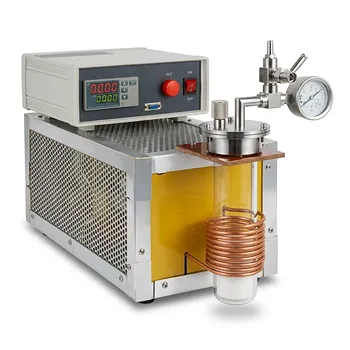
High Temperature Mini Induction Heating Furnace 1600C Laboratory Material Melting System
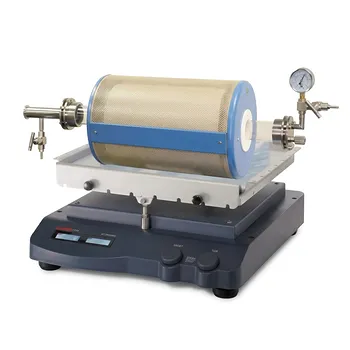
High Temperature Rocking Tube Furnace with Quartz Tube and Vacuum Flange for Materials Synthesis
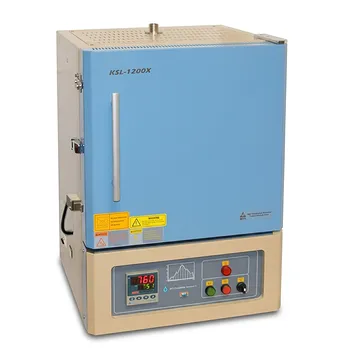
High Temperature 1200C Muffle Furnace 27L Volume 12x12x12 Chamber with Programmable PID Controller for Laboratory Material Science
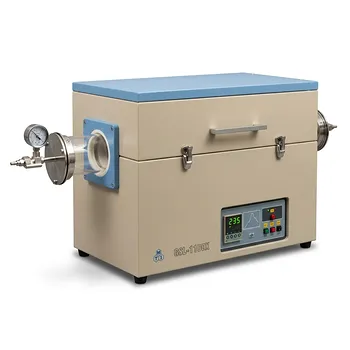
Single Zone Tube Furnace 5 Inch Quartz Tube 36 Inch Heating Zone Vacuum Flanges
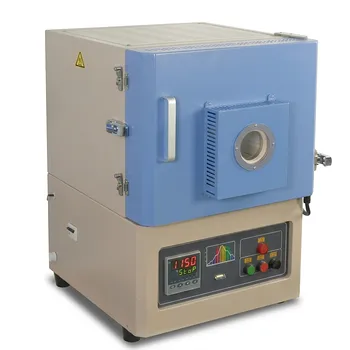
High Temperature Benchtop Muffle Furnace with Quartz Observation Window for Thermal Imaging and Material Analysis
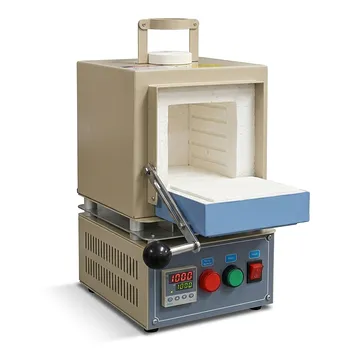
Compact 1000C Muffle Furnace with Programmable Controller and 2 Inch Top Port for Vacuum and Atmosphere Material Research
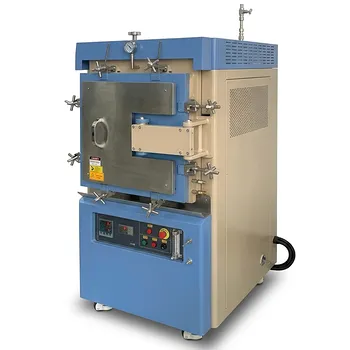
Atmosphere Controlled Muffle Furnace 1700C Maximum Temperature 80L High Capacity Vacuum Inert Gas Box Furnace
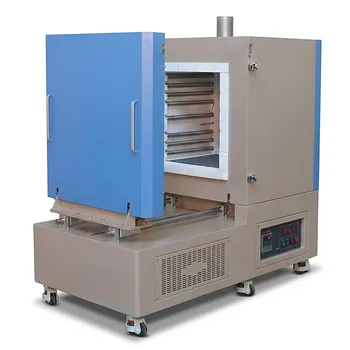
1200C Five Side Heating Muffle Furnace with Sliding Door 125L Volume High Temperature Heat Treatment System for Large Scale Sintering and Annealing

1200°C 5 Inch Vertical Quartz Tube Furnace with Stainless Steel Vacuum Flanges
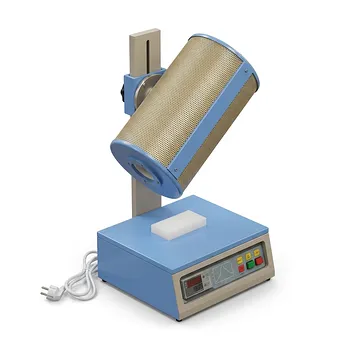
1100°C Vertical Laboratory Furnace for DIY Tubular Reactors with PID Temperature Controller
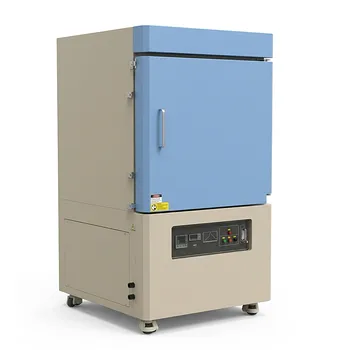
Industrial Large Box Furnace 1700C 216L High Temp Muffle Sintering System
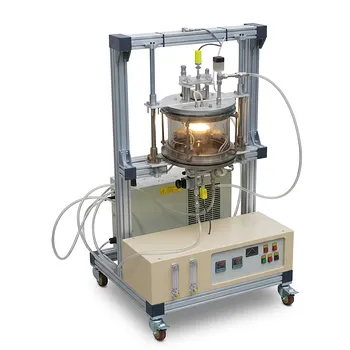
Two Zones CSS Furnace for Rapid Thermal Processing Thin Film Coating 3 Inch Diameter 650C
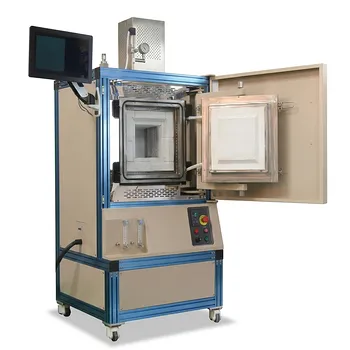
High Temperature Hydrogen Atmosphere Box Furnace 1650C Max Reducing Environment Material Synthesis System 8x8x8 Chamber