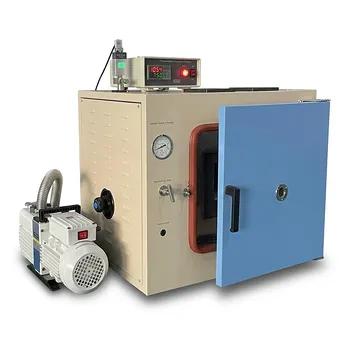
What role does a laboratory Atmosphere Chamber Furnace play in iron coke carbonization? Expert Process Optimization
Updated 5 months ago
A laboratory Atmosphere Chamber Furnace serves as the critical thermal reactor for transforming coal and iron ore mixtures into a stable, high-strength composite known as iron coke. By providing a strictly regulated temperature field and an oxygen-free or reducing environment, the furnace facilitates the simultaneous carbonization of coal and the structural embedding of iron particles within the resulting coke matrix.
The primary role of an Atmosphere Chamber Furnace in this process is to enable the coal powder to soften, melt, and resolidify around iron ore particles at temperatures reaching 1100°C. This ensures a uniform distribution of iron within the carbon framework while preventing the premature oxidation of the carbon support.
Engineering the Thermal Environment
Precision Control of Heating Rates
The furnace utilizes advanced PID control systems to maintain a specific heating rate, such as 3°C/min, which is vital for the gradual transformation of coal. This controlled ramp-up prevents thermal overshoot and ensures that the volatile components are released steadily rather than explosively.
Ensuring Temperature Field Uniformity
Superior temperature field uniformity within the chamber is essential for consistent briquette quality. When the temperature is uniform, the coal powder across the entire briquette reaches its softening point simultaneously, leading to a cohesive and structurally sound final product.
High-Temperature Carbonization Limits
The ability to reach and sustain temperatures up to 1100°C allows for complete carbonization. At these levels, the organic components of the coal undergo dehydrogenation and polycondensation, effectively converting the raw briquette into a dense, solid carbon matrix.
The Role of Atmosphere Regulation
Prevention of Unintended Oxidation
The furnace creates an oxygen-free environment by purging the chamber with inert gases like nitrogen or argon or by maintaining a reducing atmosphere. This is critical because, at high temperatures, the presence of even trace amounts of oxygen would cause the carbon matrix to oxidize and burn away before the coke could form.
Facilitating Iron Phase Evolution
In the presence of reducing gases, the furnace helps manage the initial phase evolution of the iron-based components. This ensures that the iron ore precursors are converted into stable active species, such as Fe3O4 or metallic iron, which are then fixed within the carbon pores.
Protection of the Porous Framework
The atmosphere control protects the microporous structure that begins to form during thermal decomposition. By removing volatile impurities under a nitrogen shield, the furnace helps increase the elemental carbon content and sets the foundation for the briquette's mechanical strength.
Understanding the Trade-offs
Heating Speed vs. Structural Integrity
While a rapid heating rate can increase throughput, it often leads to thermal stress and internal cracking of the briquetttes. Slower heating rates, while more time-consuming, produce a more uniform melt and a significantly stronger coke matrix.
Atmosphere Purity vs. Operational Cost
Achieving a strictly "oxygen-free" environment requires continuous purging with high-purity gases, which increases operational costs. However, any compromise in gas purity can lead to surface decarburization, weakening the bond between the iron ore and the coke.
Energy Consumption at High Temperatures
Maintaining a constant temperature of 1100°C requires substantial energy and places stress on the furnace's heating elements. Careful calibration is required to balance the depth of carbonization needed with the longevity of the laboratory equipment.
How to Apply This to Your Process
When using an Atmosphere Chamber Furnace for iron coke production, your settings should align with your specific material objectives.
- If your primary focus is Maximum Mechanical Strength: Prioritize a slower heating rate (e.g., 2-3°C/min) and ensure a longer "soak time" at the peak temperature to allow for complete resolidification of the coal.
- If your primary focus is High Iron Dispersion: Focus on the atmosphere's reducing potential and the uniformity of the temperature field to ensure the iron ore is trapped evenly as the coal melts.
- If your primary focus is Porosity and Surface Area: Use a multi-stage heating program that stabilizes at a lower temperature (around 300-400°C) to remove volatiles before proceeding to high-temperature carbonization.
By precisely mastering the intersection of temperature and atmosphere, you can consistently produce iron coke briquettes with the exact structural and chemical properties required for metallurgical applications.
Summary Table:
| Key Parameter | Role in Carbonization Process | Impact on Quality |
|---|---|---|
| Temperature Control | Sustains peaks up to 1100°C for coal transformation | Ensures a dense, solid carbon matrix |
| Atmosphere Purging | Creates oxygen-free/reducing environments | Prevents carbon oxidation and surface decay |
| Heating Rate | Controlled PID ramping (e.g., 3°C/min) | Prevents thermal stress and internal cracking |
| Field Uniformity | Ensures even heating throughout the chamber | Results in consistent, high-strength briquettes |
Optimize Your Material Research with THERMUNITS
Elevate your laboratory's capabilities with high-performance thermal solutions from THERMUNITS. As a leading manufacturer of high-temperature laboratory equipment for material science and industrial R&D, we provide the precision needed for advanced applications like iron coke carbonization and phase evolution research.
Whether you require Atmosphere Chamber Furnaces, Vacuum or Tube Furnaces, CVD/PECVD systems, or specialized Vacuum Induction Melting (VIM) furnaces, our equipment is engineered for reliability and superior temperature uniformity.
Ready to enhance your heat treatment precision? Contact our expert team today to discuss your specific R&D requirements and discover how our comprehensive range of Muffle, Rotary, and Hot Press furnaces can drive your innovation forward.
References
- Yanhui Li, Liangyuan Hao. Compressive Strength and Thermal Properties of Ferro Coke Prepared by Cold Pressing Method. DOI: 10.2355/isijinternational.isijint-2024-295
Mentioned Products
- 1650C High Temperature Atmosphere Controlled Box Furnace with 65L Chamber for Advanced Material Sintering and Industrial Heat Treatment
- 1200C Hydrogen Atmosphere Box Furnace with 5 Heated Sides and 64L Chamber
- High Temperature Hydrogen Atmosphere Box Furnace 1650C Max Reducing Environment Material Synthesis System 8x8x8 Chamber
- 1200°C Five Side Heating Atmosphere Controlled Muffle Furnace 64 Liter High Uniformity Box Furnace for Material Synthesis
- 1100°C High Temperature Quartz Chamber Furnace 8 Inch OD with 7.6 Liter Capacity and Vacuum Atmosphere Capability
People Also Ask
- What role does atmosphere control play in technical ceramics and glass? Master Material Purity and Precision
- What role does a high-temperature atmosphere furnace play in the direct electrochemical reduction of CO2? - Key Insights
- What is the role of a high-temperature box furnace in the solid-state synthesis of Europium-doped M3MgSi2O8 phosphors?
- What is the role of a high-temperature box furnace in Na3MnZr(PO4)3 synthesis? Engineering High-Performance NASICON.
- What is the role of a high-temperature atmosphere furnace in Co/Co0.85Se@NC synthesis? Optimize Catalyst Performance

Tech Team · ThermUnits
Last updated on Apr 14, 2026
Related Products
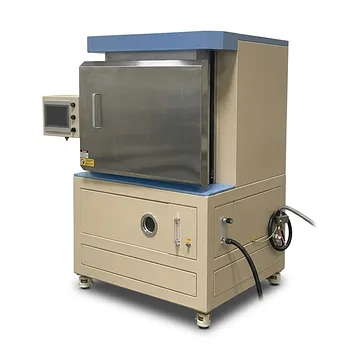
1650C High Temperature Atmosphere Controlled Box Furnace with 65L Chamber for Advanced Material Sintering and Industrial Heat Treatment
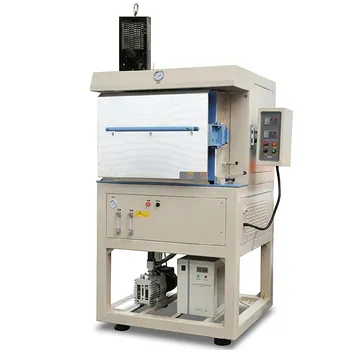
1200C Hydrogen Atmosphere Box Furnace with 5 Heated Sides and 64L Chamber
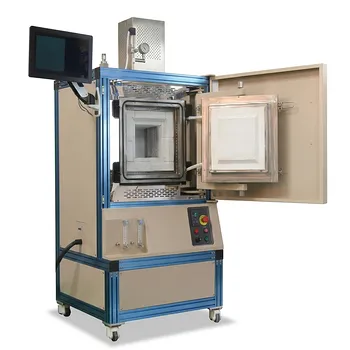
High Temperature Hydrogen Atmosphere Box Furnace 1650C Max Reducing Environment Material Synthesis System 8x8x8 Chamber
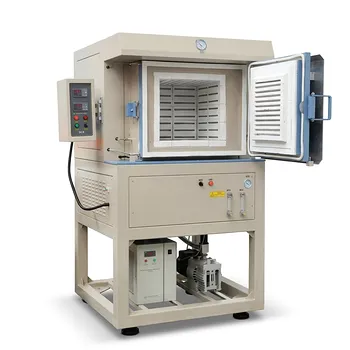
1200°C Five Side Heating Atmosphere Controlled Muffle Furnace 64 Liter High Uniformity Box Furnace for Material Synthesis
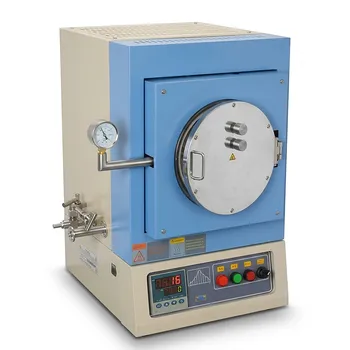
1100°C High Temperature Quartz Chamber Furnace 8 Inch OD with 7.6 Liter Capacity and Vacuum Atmosphere Capability
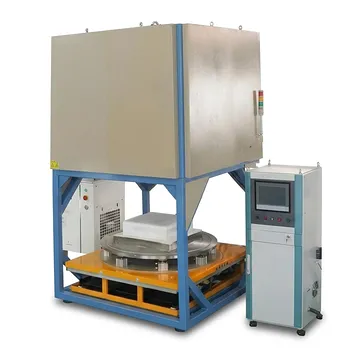
Bottom Loaded Inert Gas Atmosphere Box Furnace 1400C Maximum Temperature 125L High Capacity Laboratory Heat Treatment System
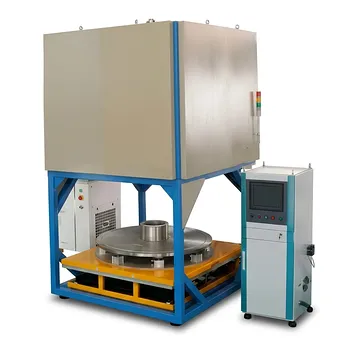
1400C Bottom Loaded Inert Gas Atmosphere Box Furnace with 125L Capacity and Precision Hydraulic Lift
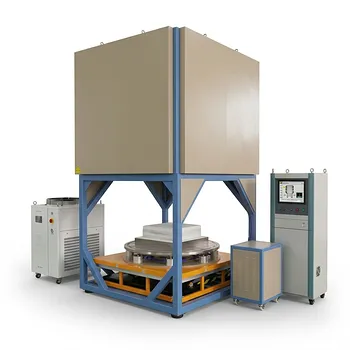
Bottom Loaded Inert Gas Atmosphere Box Furnace 1700C 1300C 216L Large Capacity Industrial Thermal Processing System
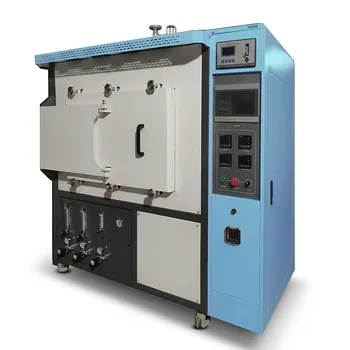
Roller Table Atmosphere Furnace 1500C High Temperature Battery Material Sintering System 112L Capacity
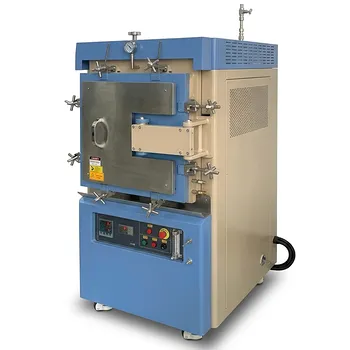
Atmosphere Controlled Muffle Furnace 1700C Maximum Temperature 80L High Capacity Vacuum Inert Gas Box Furnace
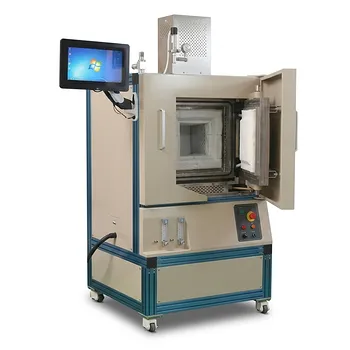
High Temperature Oxygen and Inert Atmosphere Controlled Furnace 8 Liter 1700C Sintering System for Advanced Materials RD
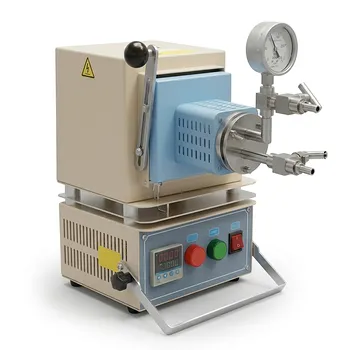
Compact Hybrid Muffle and Tube Furnace for 1000C Controlled Atmosphere Laboratory Material Sintering
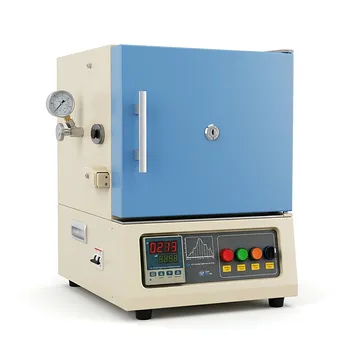
1200C Hybrid Muffle and Tube Furnace for Material Research with Dual Atmosphere Control Quartz Tubes
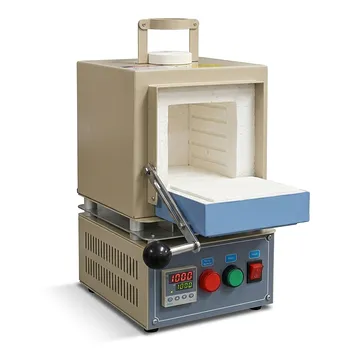
Compact 1000C Muffle Furnace with Programmable Controller and 2 Inch Top Port for Vacuum and Atmosphere Material Research
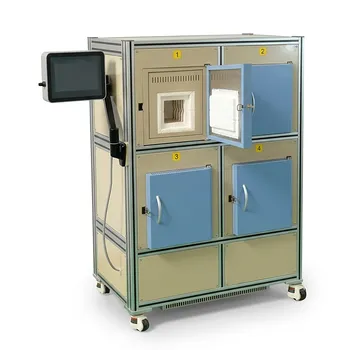
High Temperature Four Chamber Box Furnace for High Throughput Materials Research and Space Saving Thermal Processing
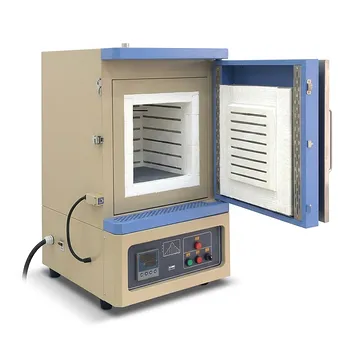
Five Side Heating Muffle Furnace High Purity Alumina Fiber 27L Chamber 1200C High Temperature Thermal Processing System for Sintering Annealing and Materials Research
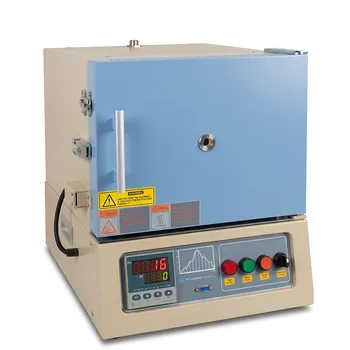
1200C Muffle Furnace 12x8x5 7.2L Heating Chamber with Quartz Observation Window and Vent Port
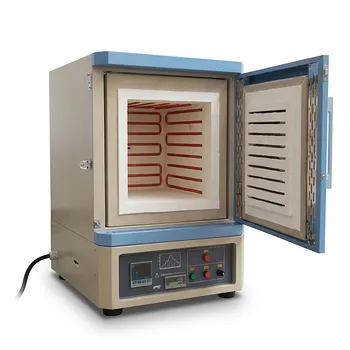
Five Side Heating Muffle Furnace 1200C High Uniformity 64L Chamber 16x16x16 Inch Industrial Heat Treatment
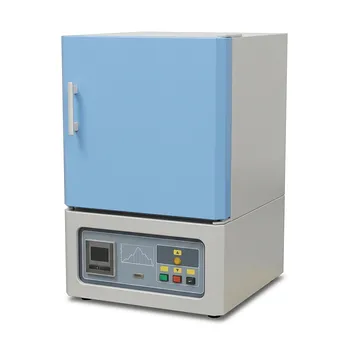
1800C Bench Top Muffle Furnace with Kanthal Super 1900 Heating Elements and 3.6L Alumina Fiber Chamber