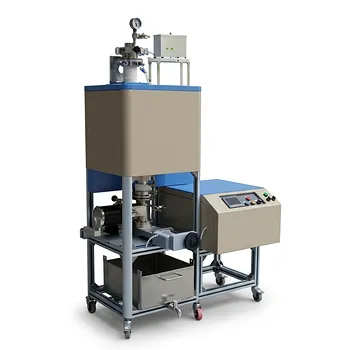
What is the role of a high-temperature atmosphere furnace in the calcination of Ru-Co3O4 nanocubes? Expert Insights
Updated 6 months ago
The high-temperature atmosphere furnace acts as the primary reactor for the structural and chemical evolution of Ru-Co3O4 nanocubes.
In the synthesis of these materials, the furnace provides a precisely controlled thermal environment that facilitates the thermochemical transformation of metal-organic framework (MOF) precursors in an air atmosphere. This process is essential for removing organic templates to create hollow structures while simultaneously embedding single-atom ruthenium (Ru) into the cobalt oxide (Co3O4) lattice.
Core Takeaway: The high-temperature atmosphere furnace is the critical tool for converting MOF precursors into functional nanocubes by managing the simultaneous removal of organic components and the atomic-level integration of ruthenium into the oxide host.
Facilitating Thermochemical Transformation
Decomposition of MOF Precursors
The furnace provides the thermal energy required to break down complex metal-organic framework (MOF) templates. During calcination, the organic components are oxidized and removed, leaving behind the metal ions that reorganize into a solid-state oxide.
Formation of Hollow Architectures
As the organic templates are removed under heat, the material undergoes a structural reorganization that results in hollow nanocubes. This specific morphology is highly dependent on the furnace's ability to maintain a consistent temperature, ensuring the structural integrity of the cube is preserved during the transition.
Inducing Local Compressive Strain
The thermal stress generated within the furnace triggers local compressive strain within the material. This physical phenomenon is vital for enhancing the structural stability of the Ru-Co3O4 composite, making it more robust for subsequent applications.
Precision Control of the Atomic Environment
Single-Atom Ruthenium Embedding
One of the furnace's most critical roles is facilitating the embedding of single-atom ruthenium (Ru) into the Co3O4 lattice. The high-temperature environment provides the kinetic energy necessary for Ru atoms to migrate and integrate into the cobalt oxide structure at specific atomic sites.
Controlled Recrystallization and Phase Purity
The furnace enables the precursor to undergo recrystallization into a specific cubic spinel structure. By maintaining precise temperatures, such as those ranging from 400°C to 550°C, the furnace ensures the formation of high-purity Co3O4 without unintended secondary phases.
Management of Heating Rates
Precise control over the heating rate (e.g., 2°C/min) is essential to prevent thermal shock to the materials and the crucibles. This gradual ramp-up allows for uniform gas evolution and prevents the mechanical failure of the nanocube structures during the calcination process.
Understanding the Trade-offs
Temperature Versus Surface Area
Higher temperatures generally improve crystallinity and phase purity, but they also promote grain growth. If the furnace temperature is too high, the nanocubes may sinter, leading to a significant loss of surface area and porosity, which diminishes the material's effectiveness.
Atmosphere Sensitivity
The choice of atmosphere—whether air or inert gas—drastically changes the final product. While air is used to form Co3O4, an inert atmosphere (like Argon) would prevent deep oxidation and instead favor the creation of oxygen vacancies, illustrating that the furnace's atmospheric seal is as important as its heating element.
Duration and Thermal Equilibrium
The length of time the material spends at the soak temperature (e.g., 2 to 6 hours) dictates the completeness of the reaction. Insufficient time results in residual organic functional groups, while excessive time can lead to the collapse of the hollow structures.
Applying Furnace Parameters to Your Synthesis
How to Apply This to Your Project
To achieve the desired nanocube characteristics, furnace settings must be aligned with your specific material goals.
- If your primary focus is maximizing surface area: Utilize the lowest effective calcination temperature and a slow heating rate to preserve the hollow, porous structure.
- If your primary focus is structural stability: Prioritize higher temperatures and longer soak times to ensure the induction of compressive strain and complete lattice integration.
- If your primary focus is phase purity: Ensure the furnace atmosphere is strictly controlled (e.g., constant air flow) to facilitate the total removal of volatile components and functional groups.
By mastering the thermal and atmospheric variables of the furnace, you can precisely engineer the atomic and structural properties of Ru-Co3O4 nanocubes.
Summary Table:
| Key Parameter | Function in Calcination | Impact on Ru-Co3O4 Nanocubes |
|---|---|---|
| Temperature Control | MOF Decomposition | Ensures phase purity (Co3O4) and prevents sintering. |
| Heating Rate | Controlled Ramp-up | Prevents thermal shock; maintains hollow cube structures. |
| Atmosphere Control | Oxidation Management | Facilitates chemical transformation and manages vacancies. |
| Soak Time | Reaction Completion | Dictates Ru single-atom embedding and lattice stability. |
Elevate Your Advanced Material Synthesis with THERMUNITS
As a global leader in high-temperature laboratory equipment, THERMUNITS provides the precision thermal processing solutions required for complex material engineering. Our specialized Atmosphere, Vacuum, Tube, and Muffle Furnaces are engineered to deliver the exact temperature uniformity and atmosphere stability necessary for MOF calcination and atomic-level Ru-Co3O4 development.
From industrial R&D to material science breakthroughs, we offer a comprehensive range of equipment, including CVD/PECVD systems, electric rotary kilns, and vacuum induction melting furnaces (VIM).
Contact our technical experts today to find the ideal thermal solution for your lab and ensure the highest structural integrity for your nanocube research!
References
- Shouwei Zuo, Huabin Zhang. Local compressive strain-induced anti-corrosion over isolated Ru-decorated Co3O4 for efficient acidic oxygen evolution. DOI: 10.1038/s41467-024-53763-8
Mentioned Products
- 1650C High Temperature Atmosphere Controlled Box Furnace with 65L Chamber for Advanced Material Sintering and Industrial Heat Treatment
- High Temperature Vertical Atmosphere Controlled Furnace with Automatic Bottom Loading and 1700°C Capacity for Advanced Material Research
- High Temperature Oxygen and Inert Atmosphere Controlled Furnace 8 Liter 1700C Sintering System for Advanced Materials RD
- 1750°C High Temperature Benchtop Vacuum Atmosphere Tube Furnace with Kanthal Super 1800 Heating Elements and 60mm Alumina Processing Tube
- High Temperature Hydrogen Atmosphere Box Furnace 1650C Max Reducing Environment Material Synthesis System 8x8x8 Chamber
People Also Ask
- What role does atmosphere control play in technical ceramics and glass? Master Material Purity and Precision
- What role does a high-temperature atmosphere furnace play in the direct electrochemical reduction of CO2? - Key Insights
- What is the role of a high-temperature box furnace in the solid-state synthesis of Europium-doped M3MgSi2O8 phosphors?
- What is the role of a high-temperature box furnace in Na3MnZr(PO4)3 synthesis? Engineering High-Performance NASICON.
- What is the significance of the maximum pyrolysis temperature? Impact on Biochar Structure & Adsorption

Tech Team · ThermUnits
Last updated on Apr 14, 2026
Related Products
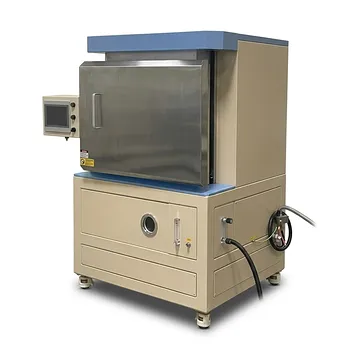
1650C High Temperature Atmosphere Controlled Box Furnace with 65L Chamber for Advanced Material Sintering and Industrial Heat Treatment
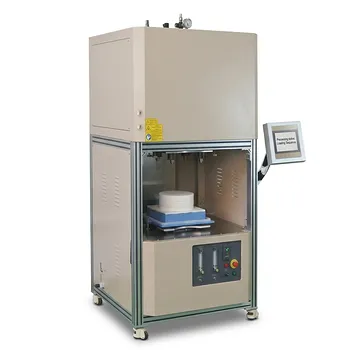
High Temperature Vertical Atmosphere Controlled Furnace with Automatic Bottom Loading and 1700°C Capacity for Advanced Material Research
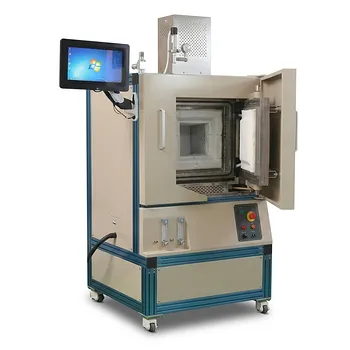
High Temperature Oxygen and Inert Atmosphere Controlled Furnace 8 Liter 1700C Sintering System for Advanced Materials RD
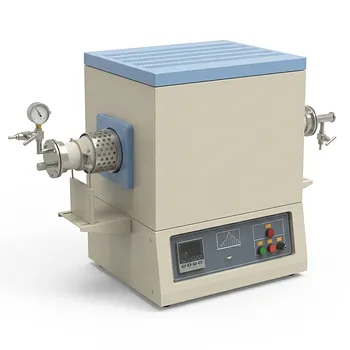
1750°C High Temperature Benchtop Vacuum Atmosphere Tube Furnace with Kanthal Super 1800 Heating Elements and 60mm Alumina Processing Tube
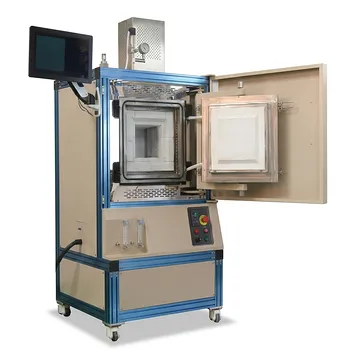
High Temperature Hydrogen Atmosphere Box Furnace 1650C Max Reducing Environment Material Synthesis System 8x8x8 Chamber
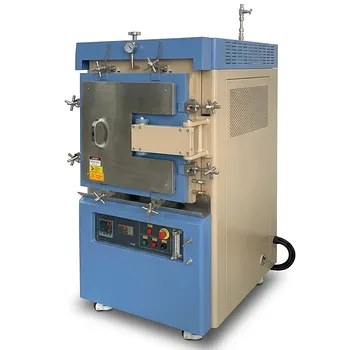
Atmosphere Controlled Muffle Furnace 1700C Maximum Temperature 80L High Capacity Vacuum Inert Gas Box Furnace
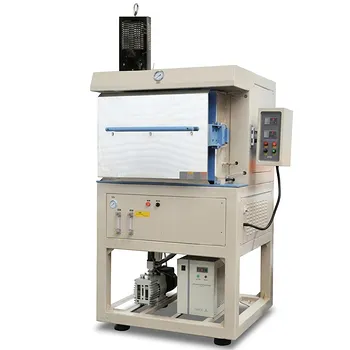
1200C Hydrogen Atmosphere Box Furnace with 5 Heated Sides and 64L Chamber
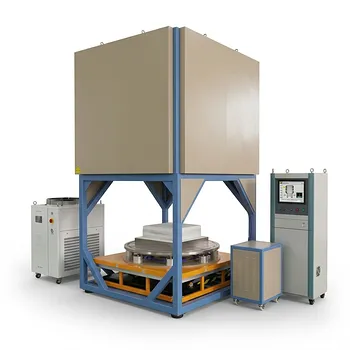
Bottom Loaded Inert Gas Atmosphere Box Furnace 1700C 1300C 216L Large Capacity Industrial Thermal Processing System
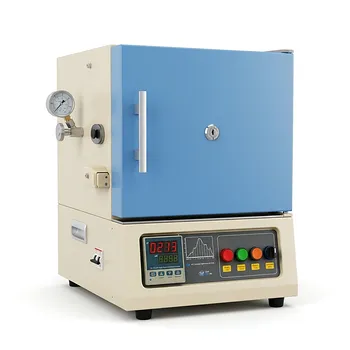
1200C Hybrid Muffle and Tube Furnace for Material Research with Dual Atmosphere Control Quartz Tubes
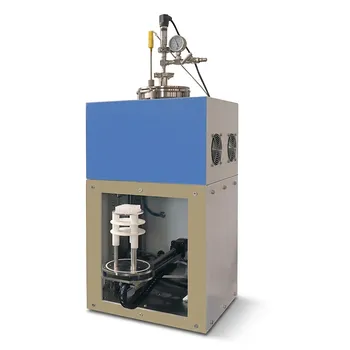
Rapid Thermal Processing RTP Atmosphere Controlled Bottom Loading Furnace 1100C High Throughput 50C per Second Heating Rate
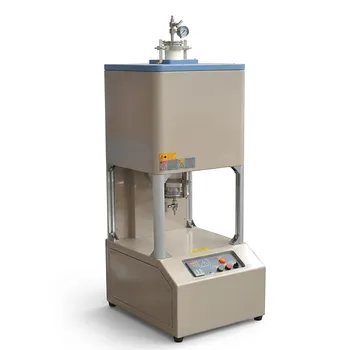
Vertical 1700C Vacuum and Atmosphere Tube Furnace with 80mm Alumina Tube
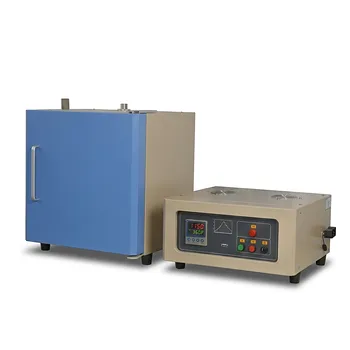
High Temperature Muffle Furnace with Alloy Chamber for Debinding and Sintering Applications
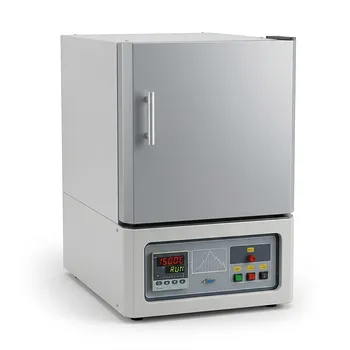
High Temperature 1500C Benchtop Muffle Furnace 3.6L Alumina Fiber Chamber Programmable Controller Sintering Annealing Carbonization Thermal Processing System
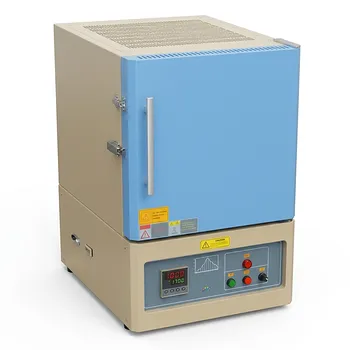
Large Bench Top 1700C High Temperature Muffle Furnace with 19L Chamber for Advanced Material Sintering and Annealing
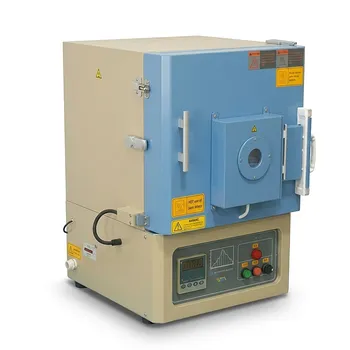
High Temperature Benchtop Muffle Furnace 1500C with 3.6L Chamber and Quartz Observation Window
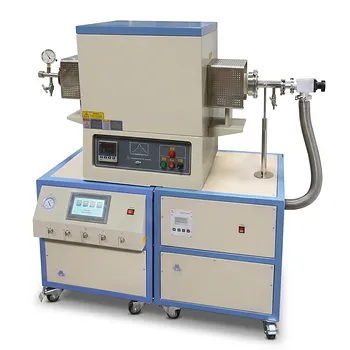
High Temperature 1700C Tube Furnace with High Vacuum Turbomolecular Pump System and Multi Channel Mass Flow Controller Gas Mixer
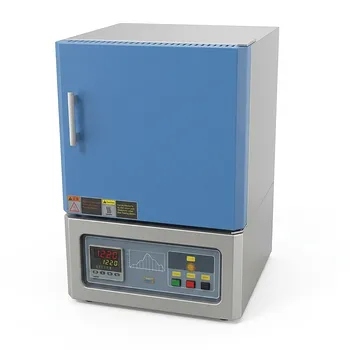
High Temperature Benchtop Muffle Furnace 1700C 10L Chamber Alumina Fiber Insulation MoSi2 Heating Elements
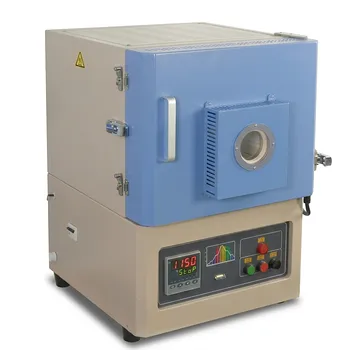
High Temperature Benchtop Muffle Furnace with Quartz Observation Window for Thermal Imaging and Material Analysis
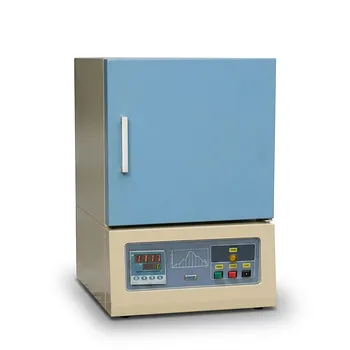
Ultra High Temperature Bench Top Muffle Furnace 1750C Sintering System with Kanthal Super Heating Elements and Precision Digital Control