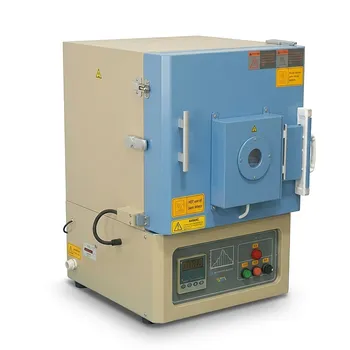
What role does a box resistance furnace play in MS-SOEC debinding? Ensure Structural Integrity & Pore Stability
Updated 3 months ago
The laboratory box resistance furnace serves as the primary instrument for controlled thermal decomposition during the debinding stage of Metal-Supported Solid Oxide Electrolysis Cell (MS-SOEC) fabrication. It provides a precisely regulated heated air environment that removes organic binders from the "green body" using a pre-defined heating program. This controlled process is essential for preventing structural defects and ensuring the integrity of the cell's microscopic pore structure before it reaches higher sintering temperatures.
Core Takeaway: The box resistance furnace facilitates the gentle, systematic removal of organic components to prevent internal pressure buildup and structural collapse. By managing the rate of gas release, it preserves the critical microscopic architecture required for the cell’s eventual electrochemical performance.
Preserving Structural Integrity through Controlled Decomposition
Preventing Internal Bubbles and Structural Collapse
The primary function of the furnace during debinding is to manage the transition of organic binders from solids to gases. If this process occurs too rapidly, the sudden release of gas can create internal bubbles or lead to a total structural collapse of the green body. The box resistance furnace mitigates this risk by providing a stable environment where the gas escape is gradual and non-destructive.
Maintaining the Microscopic Pore Structure
For an MS-SOEC to function efficiently, its microscopic pore structure must remain highly stable and uniform. The furnace ensures that as the binders vanish, the remaining ceramic and metal particles stay in their intended positions. This stability is a prerequisite for the subsequent high-temperature sintering phase, where the material achieves its final density and strength.
The Importance of Precise Thermal Programming
Utilizing Preset Heating Curves
Precision is non-negotiable during debinding, often requiring specific heating rates such as 5°C per minute. The laboratory box resistance furnace (often called a muffle furnace) uses programmable controllers to follow these strict curves. This prevents "thermal shock" to the green body and ensures that the organic components decompose at a predictable, manageable rate.
Ensuring Uniform Thermal Field Distribution
A critical advantage of the box-type furnace is its ability to maintain a uniform thermal field throughout its internal chamber. This uniformity ensures that every part of the green body experiences the same temperature at the same time. Consistent heating prevents localized stresses that could cause warping or micro-cracks in the cell structure.
Understanding the Trade-offs and Potential Pitfalls
The Risk of Incomplete Debinding
While gentle heating is necessary, a program that is too cool or too short may result in incomplete binder removal. Residual carbon or organic fragments can contaminate the cell, interfering with the solid-state chemical reactions and grain nucleation that occur at higher temperatures.
Time-Intensive Processing
The need for "gentle removal" makes the debinding stage one of the most time-consuming parts of the fabrication process. Attempting to increase throughput by accelerating the heating program directly increases the risk of catastrophic gas expansion. Balancing the need for production speed with the physical limits of gas diffusion through the green body is a constant challenge for researchers.
How to Optimize Your Debinding Process
Applying These Principles to Your Fabrication Goal
- If your primary focus is maximizing structural yield: Use the most gradual heating ramp possible (e.g., 1-2°C/min) to ensure zero pressure buildup within the green body pores.
- If your primary focus is achieving specific crystal phases: Ensure the furnace maintains a high degree of temperature accuracy (within +/- 1°C) to provide the standardized thermal load necessary for uniform grain nucleation.
- If your primary focus is long-term stability: Extend the "dwell time" at the peak debinding temperature to ensure the total conversion of precursors into stable oxide structures.
By mastering the controlled environment of the box resistance furnace, you ensure the foundational stability required for high-performance MS-SOEC fabrication.
Summary Table:
| Role in Debinding | Key Benefit | Technical Requirement |
|---|---|---|
| Binder Removal | Prevents internal bubbles and structural collapse | Gradual heating rates (e.g., 1-5°C/min) |
| Pore Preservation | Maintains microscopic architecture for electrolysis | Uniform thermal field distribution |
| Surface Prep | Ensures clean grain nucleation for sintering | Precise programmable temperature control |
Optimize Your MS-SOEC Fabrication with THERMUNITS
Achieve unparalleled precision in your debinding and sintering processes. THERMUNITS is a leading manufacturer of high-temperature laboratory equipment for material science and industrial R&D. We offer a comprehensive range of thermal processing solutions, including Muffle, Vacuum, Atmosphere, Tube, Rotary, and Hot Press furnaces, CVD/PECVD systems, Dental Furnaces, electric rotary kilns, and vacuum induction melting furnaces (VIM).
Our equipment ensures the stable thermal environments and strict heating curves essential for high-performance MS-SOEC production.
Enhance your material research and ensure long-term stability—Contact our experts today for tailored heat treatment solutions!
References
- Zhikuan Zhu, Michael C. Tucker. Dynamic operation of metal-supported solid oxide electrolysis cells. DOI: 10.1016/j.ijhydene.2024.01.345
Mentioned Products
- 1200C Small Box Muffle Furnace with Separated Programmable Controller and 4.2L Alumina Fiber Chamber
- Five Sided Heating Muffle Furnace High Uniformity 1200C Lab Box Furnace 27L Alumina Fiber Chamber
- 1200°C Five Side Heating Atmosphere Controlled Muffle Furnace 64 Liter High Uniformity Box Furnace for Material Synthesis
- Bottom Loaded Inert Gas Atmosphere Box Furnace 1400C Maximum Temperature 125L High Capacity Laboratory Heat Treatment System
- Hybrid High Temperature Tube and Box Furnace 1700C with 2 Inch Alumina Tube for Material Research
People Also Ask
- Primary Use of a Muffle Furnace in Pyrolysis Analysis? Optimize Proximate Analysis for Better Yields
- What is the role of a high-temperature box furnace in the solid-state synthesis of Europium-doped M3MgSi2O8 phosphors?
- What is the role of a high-temperature box furnace in Na3MnZr(PO4)3 synthesis? Engineering High-Performance NASICON.
- What role does a laboratory high-temperature muffle furnace play in the ash analysis phase of biomass co-firing research? [Guide]
- What is the function of a laboratory box furnace for SA508 steel? Master Tempering & Re-Austenitization

Tech Team · ThermUnits
Last updated on Jun 02, 2026
Related Products
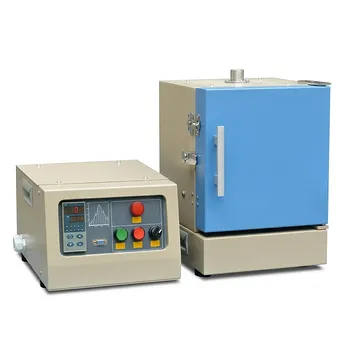
1200C Small Box Muffle Furnace with Separated Programmable Controller and 4.2L Alumina Fiber Chamber
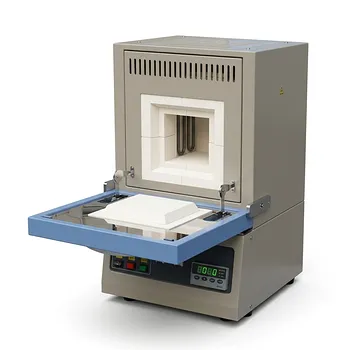
Five Sided Heating Muffle Furnace High Uniformity 1200C Lab Box Furnace 27L Alumina Fiber Chamber
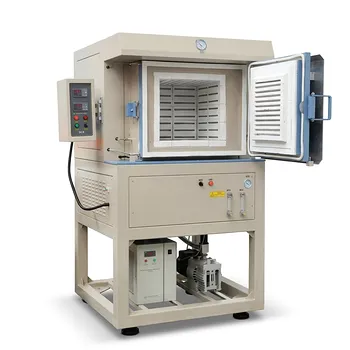
1200°C Five Side Heating Atmosphere Controlled Muffle Furnace 64 Liter High Uniformity Box Furnace for Material Synthesis
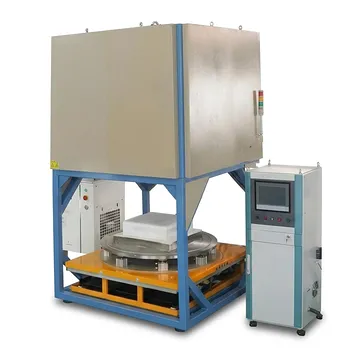
Bottom Loaded Inert Gas Atmosphere Box Furnace 1400C Maximum Temperature 125L High Capacity Laboratory Heat Treatment System
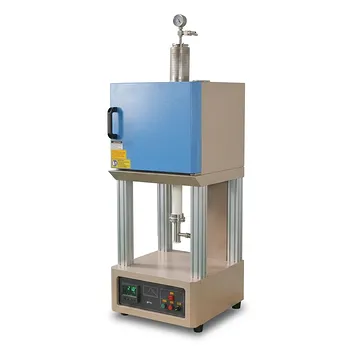
Hybrid High Temperature Tube and Box Furnace 1700C with 2 Inch Alumina Tube for Material Research
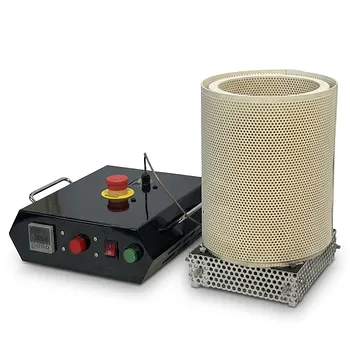
1250 C Compact Vertical Box Furnace for Glovebox Material Research Air Sensitive Samples
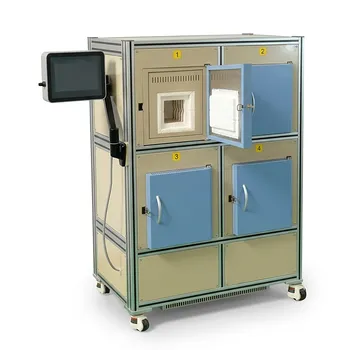
High Temperature Four Chamber Box Furnace for High Throughput Materials Research and Space Saving Thermal Processing
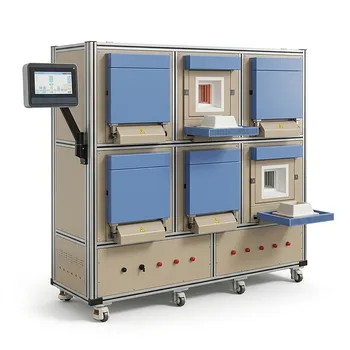
High Temperature 1700℃ Eight Chamber Box Furnace with Automatic Doors for Autonomous Material Research and High Throughput Heat Treatment
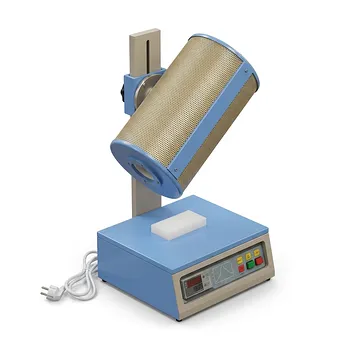
1100°C Vertical Laboratory Furnace for DIY Tubular Reactors with PID Temperature Controller
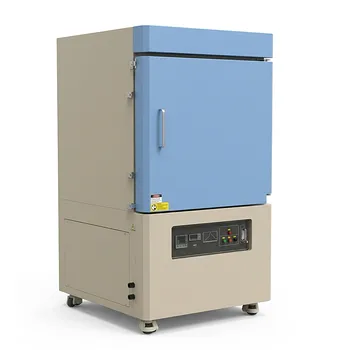
Industrial Large Box Furnace 1700C 216L High Temp Muffle Sintering System
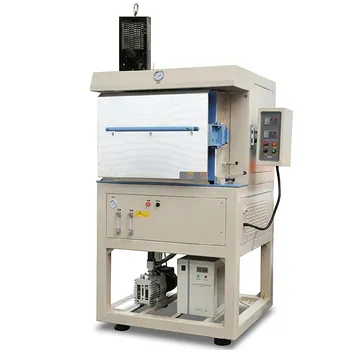
1200C Hydrogen Atmosphere Box Furnace with 5 Heated Sides and 64L Chamber
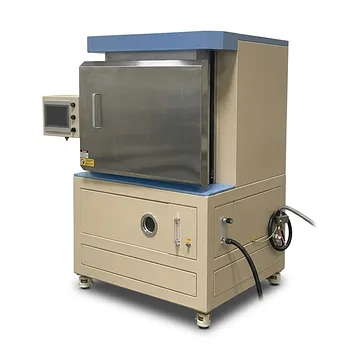
1650C High Temperature Atmosphere Controlled Box Furnace with 65L Chamber for Advanced Material Sintering and Industrial Heat Treatment
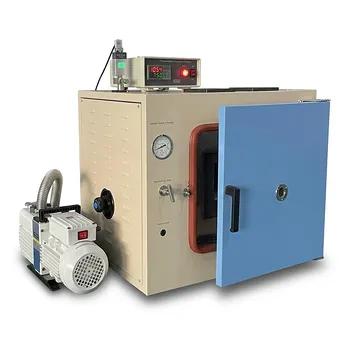
Compact High Vacuum Box Furnace 1050C Max 6.2L Ceramic Chamber Stainless Steel Shell Programmable Temperature Controller for Material Science Research
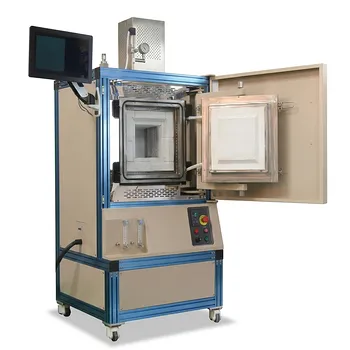
High Temperature Hydrogen Atmosphere Box Furnace 1650C Max Reducing Environment Material Synthesis System 8x8x8 Chamber
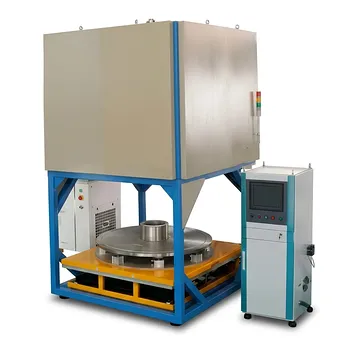
1400C Bottom Loaded Inert Gas Atmosphere Box Furnace with 125L Capacity and Precision Hydraulic Lift
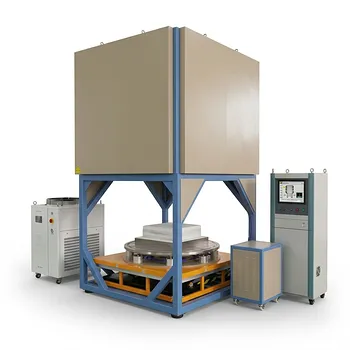
Bottom Loaded Inert Gas Atmosphere Box Furnace 1700C 1300C 216L Large Capacity Industrial Thermal Processing System
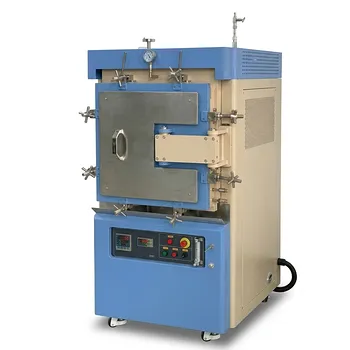
High Temperature Economic Hydrogen Gas Box Furnace 1600C Atmosphere Controlled Thermal Processing System 65L Capacity
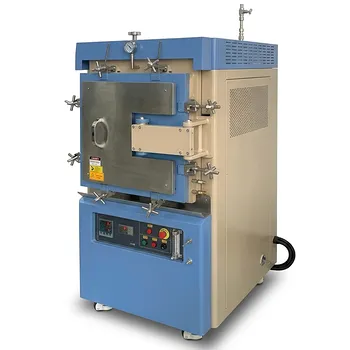
Atmosphere Controlled Muffle Furnace 1700C Maximum Temperature 80L High Capacity Vacuum Inert Gas Box Furnace
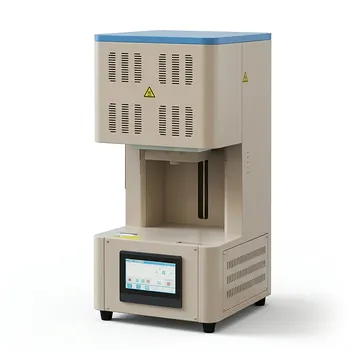
Automated 1700C High Temperature Bottom Loading Box Furnace with PC Software Control and Robotic Integration Capability