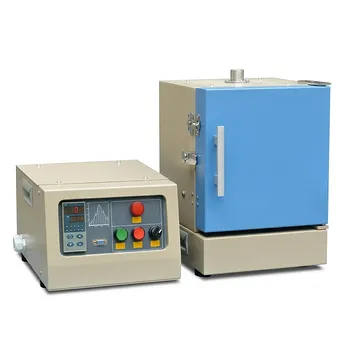
What role does a laboratory furnace play in polyester-based porous carbon activation? Optimize Pore Engineering & R&D
Updated 3 months ago
In the chemical activation of polyester-based porous carbon, the laboratory high-temperature furnace serves as the essential reactor for triggering etching reactions. By maintaining a critical temperature—typically 900°C—the furnace enables chemical activators like Zinc Chloride (ZnCl2) to aggressively react with the carbon skeleton. This process physically and chemically reconfigures the material, transforming a dense carbon precursor into a highly porous structure with superior adsorption capabilities.
The central takeaway: A laboratory high-temperature furnace provides the precise thermal energy and inert environment required to drive the redox reactions between chemical activators and carbon. This process etches the carbon matrix to create a vast network of micropores and mesopores, which directly determines the material's final surface area and performance.
The Furnace as a Thermal Catalyst for Etching
Achieving the 900°C Activation Threshold
The chemical activation of polyester-based materials requires a high energy barrier to be crossed before the activator can react with the carbon. A laboratory furnace provides a stable 900°C environment, which is the specific temperature needed to trigger intense reactions between Zinc Chloride (ZnCl2) and the carbon fibers. Without this precise heat, the activator remains dormant, and the carbon skeleton remains closed.
Chemical Erosion of the Carbon Skeleton
At these elevated temperatures, the furnace facilitates a process where the activator deeply corrodes and etches the carbon surface. This chemical attack removes specific carbon atoms and functional groups, "eating away" at the material to create a complex internal architecture. This etching is the primary mechanism for increasing the specific surface area of the final product.
Engineering the Pore Structure
Opening Closed Pore Networks
The heat treatment provided by the furnace is responsible for opening closed pores that are naturally trapped within the preliminary carbon skeleton. By providing a consistent thermal field, the furnace ensures that the activation reaction penetrates deep into the material rather than just affecting the surface. This creates a more uniform distribution of pores throughout the carbon matrix.
Precise Control of Micropores and Mesopores
By adjusting the furnace temperature and the duration of the heat treatment, researchers can tune the pore size distribution. The high-temperature environment allows for the formation of both micropores and mesopores, which are critical for different types of molecular adsorption. This level of control is necessary for tailoring the carbon for specific uses, such as supercapacitors or gas filtration.
Providing a Controlled Reaction Environment
Regulation of the Inert Atmosphere
A critical role of the furnace is maintaining an oxygen-deficient atmosphere, usually through the constant flow of nitrogen or argon. This inert gas environment prevents the carbon material from burning away (oxidation) at high temperatures. The furnace ensures that the heat treatment leads to carbonization and activation rather than simple combustion.
Managing Volatile Component Removal
During the heating process, the furnace helps in the pyrolysis and removal of volatile components. As gases like carbon monoxide and carbon dioxide are released during the etching process, the furnace's airflow management carries these byproducts away. This prevent re-deposition and ensures the resulting carbon precursors maintain high purity and structural integrity.
Understanding the Trade-offs and Constraints
Temperature Sensitivity and Structural Collapse
While high temperatures are necessary for activation, exceeding the optimal range (e.g., going significantly above 900°C) can cause the pore walls to collapse. If the furnace temperature is too high, the carbon skeleton may undergo excessive shrinkage, reducing the surface area. Conversely, temperatures that are too low will result in incomplete activation and poor adsorption performance.
Corrosion of Laboratory Equipment
Chemical activators such as ZnCl2 and KOH become highly corrosive when vaporized inside the furnace. Over time, these chemicals can damage the heating elements and work tubes of the furnace. Researchers must balance the need for high-intensity activation with the long-term maintenance and protection of the furnace hardware.
How to Optimize Your Activation Process
Making the Right Choice for Your Goal
To achieve the best results in polyester-based carbon synthesis, your furnace parameters must align with your specific material objectives.
- If your primary focus is Maximum Surface Area: Utilize a precise 900°C setpoint with a slow heating rate (e.g., 5°C/min) to allow the activator maximum time to etch the carbon matrix.
- If your primary focus is Pore Size Tailoring: Adjust the furnace temperature within the 700°C to 1000°C range to shift the ratio between micropores and mesopores based on your target molecule size.
- If your primary focus is Material Purity: Ensure a high-precision nitrogen flow (at least 50 mL/min) to effectively sweep away volatile pyrolysis byproducts and prevent oxidation.
The high-temperature furnace is not merely a heat source, but the precise chemical reactor that defines the structural identity of polyester-based porous carbon.
Summary Table:
| Furnace Role | Mechanism | Core Benefit |
|---|---|---|
| Thermal Catalyst | Triggers 900°C ZnCl2 etching | Creates vast internal surface area |
| Pore Engineering | Precise temp control (700-1000°C) | Tunable micropore & mesopore ratios |
| Atmosphere Control | Inert gas flow (N2/Argon) | Prevents carbon oxidation/combustion |
| Volatile Management | Airflow & pyrolysis removal | Ensures high material purity & integrity |
Maximize Your Material Innovation with THERMUNITS
As a leading manufacturer of high-temperature laboratory equipment for material science and industrial R&D, THERMUNITS provides the precision thermal environments required for complex carbon activation. Our comprehensive range of solutions—including Muffle, Vacuum, Atmosphere, Tube, and Rotary furnaces, as well as specialized CVD/PECVD systems—ensures you achieve the exact temperature stability and atmosphere control needed to engineer superior porous structures.
Whether you are refining supercapacitor performance or developing advanced filtration media, our equipment is designed to withstand corrosive activators while delivering uniform results. Contact our experts today to find the ideal furnace for your research and take your heat treatment processes to the next level.
References
- Gang Wang, Zhengping Hao. Nitrogen regulation in polyester-based carbons and adsorption of gaseous benzene and ethyl acetate. DOI: 10.1039/d4ra07004f
Mentioned Products
- 1750C Compact Muffle Furnace 1.7L Ultra High Temperature Laboratory Sintering System for Advanced Ceramics and Material Science Research
- High Temperature Benchtop Muffle Furnace 1500C with 3.6L Chamber and Quartz Observation Window
- Vertical Hybrid High Temperature Furnace 1500C Alumina Tube SOFC Fuel Cell Testing Laboratory Heat Treatment Research Equipment
- 1750C Bench Top Muffle Furnace 3.6L High Grade Molybdenum Disilicide Heating Elements Laboratory Heat Treatment Equipment
- High Temperature 1200C Muffle Furnace 27L Volume 12x12x12 Chamber with Programmable PID Controller for Laboratory Material Science
People Also Ask
- What role does a laboratory high-temperature muffle furnace play in the ash analysis phase of biomass co-firing research? [Guide]
- What is the function of a high-temp muffle furnace in Ni-V oxide synthesis? Optimize your material's performance.
- What is the function of a muffle furnace in aluminoborosilicate glass prep? Stabilize Raw Materials for Superior Purity
- What role does a high-temperature muffle furnace play in evaluating the mineral composition of rock samples? LOI & XRF Guide
- What role does a high-temperature muffle furnace play in the synthesis of Melem precursors? Precision Polymerization.

Tech Team · ThermUnits
Last updated on Jun 02, 2026
Related Products
1750C Compact Muffle Furnace 1.7L Ultra High Temperature Laboratory Sintering System for Advanced Ceramics and Material Science Research
High Temperature Benchtop Muffle Furnace 1500C with 3.6L Chamber and Quartz Observation Window
Vertical Hybrid High Temperature Furnace 1500C Alumina Tube SOFC Fuel Cell Testing Laboratory Heat Treatment Research Equipment
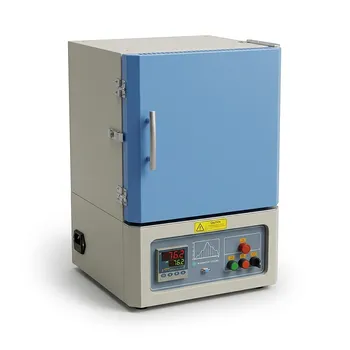
1750C Bench Top Muffle Furnace 3.6L High Grade Molybdenum Disilicide Heating Elements Laboratory Heat Treatment Equipment
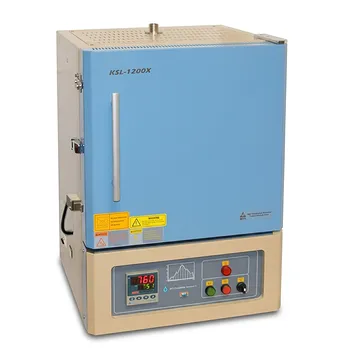
High Temperature 1200C Muffle Furnace 27L Volume 12x12x12 Chamber with Programmable PID Controller for Laboratory Material Science
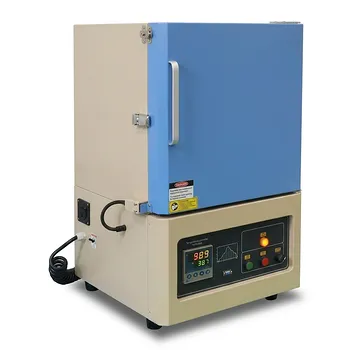
1200°C High Temperature Muffle Furnace 19L Chamber with 50 Segment Programmable Controller
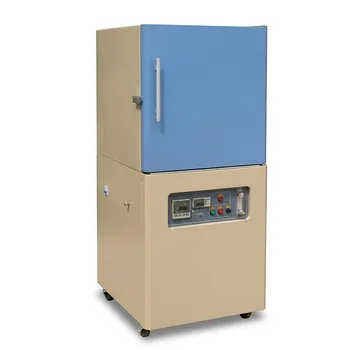
High Temperature Muffle Furnace with Dual Controllers and 36L Large Chamber 1700C Max
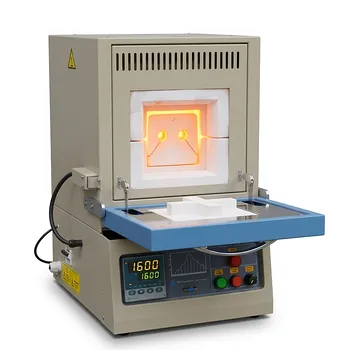
High Temperature Compact Muffle Furnace 1700 C with 30 Segment Programmable Controller and 1.7L Cubic Chamber
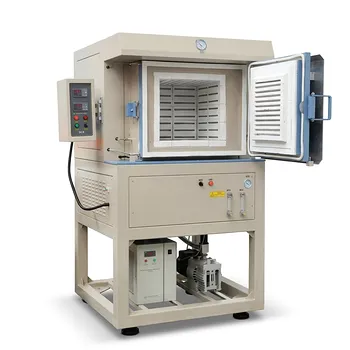
1200°C Five Side Heating Atmosphere Controlled Muffle Furnace 64 Liter High Uniformity Box Furnace for Material Synthesis
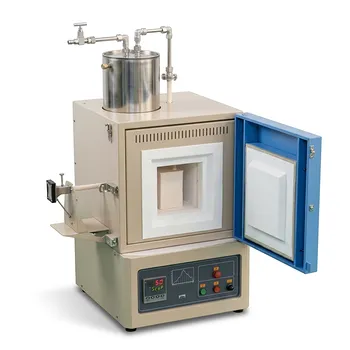
High Temperature Bench Top Muffle Furnace 1700C with Integrated Evaporating Particle Collection and 8x8x8 Alumina Fiber Chamber
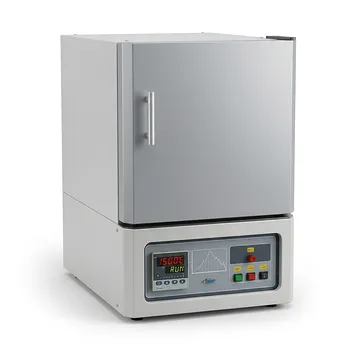
High Temperature 1500C Benchtop Muffle Furnace 3.6L Alumina Fiber Chamber Programmable Controller Sintering Annealing Carbonization Thermal Processing System
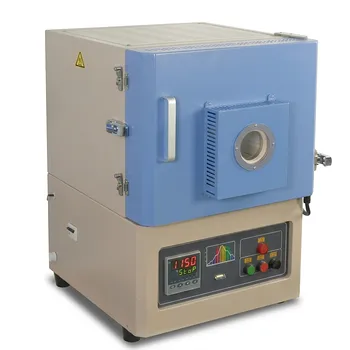
High Temperature Benchtop Muffle Furnace with Quartz Observation Window for Thermal Imaging and Material Analysis
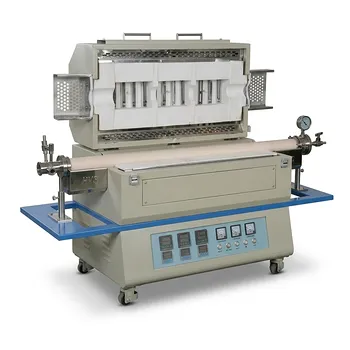
Three Temperature Zone Fast Heating Furnace 1500C Laboratory High Precision Thermal Processing System
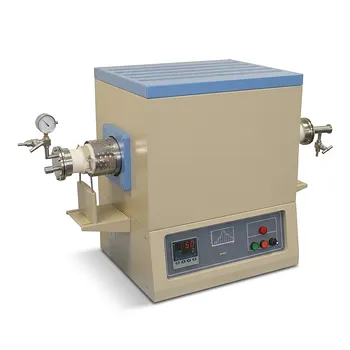
1700C High Temperature Alumina Tube Furnace with 18 Inch Heated Zone and Vacuum Sealing Flanges
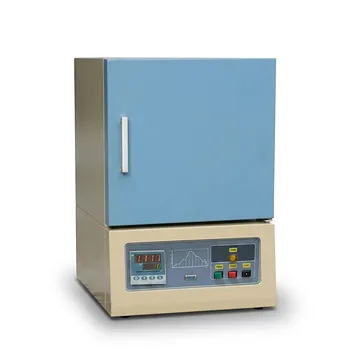
Ultra High Temperature Bench Top Muffle Furnace 1750C Sintering System with Kanthal Super Heating Elements and Precision Digital Control
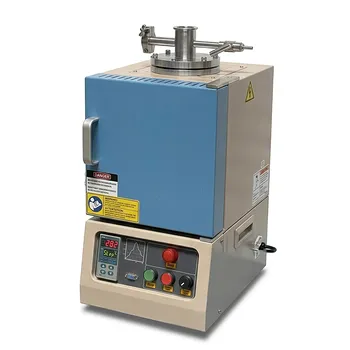
High Temperature Hybrid Muffle and Tube Furnace with Vacuum Capability and PID Control
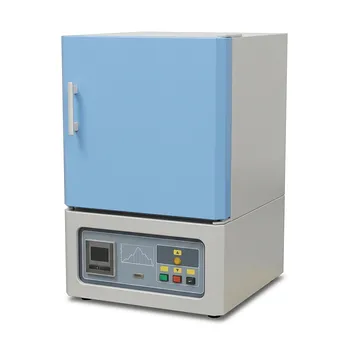
1800C Bench Top Muffle Furnace with Kanthal Super 1900 Heating Elements and 3.6L Alumina Fiber Chamber
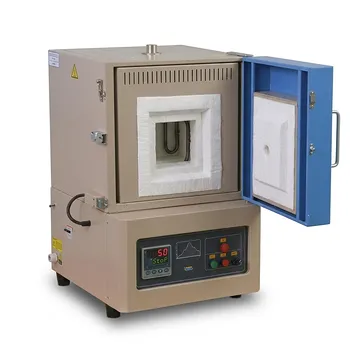
1800°C Bench Top Ultra High Temperature Muffle Furnace with Sapphire Observation Window and Top Feeding Port for Materials Research and Thermal Processing
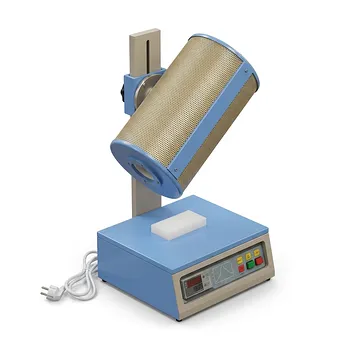
1100°C Vertical Laboratory Furnace for DIY Tubular Reactors with PID Temperature Controller