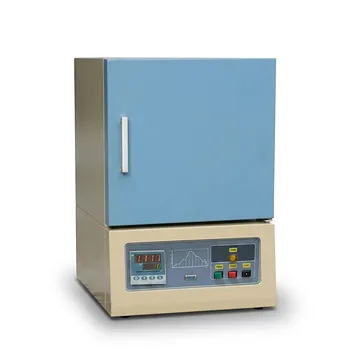
What roles do laboratory resistance furnaces and integrated fixed-bed reactors play in toluene pyrolysis? Precision Heat & Contact.
Updated 3 months ago
The laboratory resistance furnace and integrated fixed-bed reactor function as a unified thermal-chemical system, where the furnace provides the high-temperature energy source and the reactor facilitates the necessary gas-solid phase contact. Together, they enable the catalytic cracking of toluene at temperatures between 600 °C and 900 °C, transforming hazardous molecules into recovered resources through non-oxidative thermochemical decomposition.
This experimental setup creates a controlled environment where toluene is passed through a nickel-based catalyst bed. The furnace ensures the kinetic energy for the reaction is maintained, while the reactor serves as the physical vessel for the chemical transformation.
The Laboratory Resistance Furnace: Providing the Thermal Driver
High-Temperature Environment (600 °C to 900 °C)
The primary role of the resistance furnace is to generate and maintain the extreme thermal energy required for catalytic cracking. Toluene is a stable aromatic hydrocarbon that requires temperatures typically ranging from 600 °C to 900 °C to break its molecular bonds efficiently.
Precision Heat Regulation
Modern resistance furnaces utilize advanced control systems to maintain a constant heating rate and stable holding temperatures. This precision is critical because even minor fluctuations can alter the reaction pathway, potentially leading to incomplete decomposition or undesired byproducts.
Uniform Thermal Distribution
The furnace chamber is designed to surround the reactor tube, ensuring uniform heating of the material inside. In a pyrolysis context, uniform heat prevents "cold spots" that would otherwise result in inconsistent conversion rates across the catalyst bed.
The Integrated Fixed-Bed Reactor: The Reaction Interface
Gas-Solid Phase Contact
The integrated quartz tube fixed-bed reactor acts as the physical medium for gas-solid phase contact. As gaseous toluene flows through the tube, it is forced to interact directly with the solid catalyst particles, maximizing the surface area available for the reaction.
Support for the Catalyst Bed
The reactor houses the Ni/Al2O3 (Nickel/Alumina) catalyst, which is essential for lowering the activation energy of the pyrolysis process. By holding the catalyst in a "fixed" position, the reactor ensures that toluene molecules have sufficient residence time to undergo cracking as they pass through.
Facilitating Non-Oxidative Decomposition
The reactor's sealed design, often featuring flanges for inert gas introduction, allows for a strictly anaerobic environment. This prevents the combustion of toluene, ensuring the process remains a true thermochemical decomposition aimed at detoxification rather than simple burning.
Understanding the Trade-offs and Limitations
Material Limitations of Quartz
While quartz is an excellent medium for observation and chemical resistance, it has thermal stress limits. Repeated cycling between room temperature and 900 °C can lead to material fatigue or devitrification over time, necessitating regular inspection of the reactor tube.
Pressure Drop and Clogging
In a fixed-bed configuration, the catalyst particle size must be carefully balanced. If the particles are too fine, they create a significant pressure drop; if they are too coarse, the available surface area for toluene cracking decreases, reducing the efficiency of resource recovery.
Carbon Deposition (Coking)
A common challenge in toluene pyrolysis is the formation of solid carbon (coke) on the catalyst surface. Over time, this "coking" can block the reactor's flow path and deactivate the Ni/Al2O3 catalyst, requiring the system to be shut down for regeneration or catalyst replacement.
How to Apply This to Your Project
The integration of these two components is essential for achieving high-purity results in chemical research or waste treatment.
- If your primary focus is Maximum Decomposition Efficiency: Prioritize a furnace with high thermal stability and a reactor length that ensures sufficient residence time for toluene molecules.
- If your primary focus is Resource Recovery (Bio-char/Bio-oil): Focus on precise temperature regulation (typically at the lower end of the 600-900 °C range) to favor the formation of specific liquid or solid products.
- If your primary focus is Catalyst Longevity: Ensure the reactor design allows for easy removal and cleaning to manage the inevitable carbon buildup associated with aromatic cracking.
By masterfully balancing heat delivery with optimized phase contact, you can effectively transform toxic toluene into valuable chemical precursors.
Summary Table:
| Component | Role in Pyrolysis | Key Features |
|---|---|---|
| Resistance Furnace | Thermal Driver | 600-900°C precision control, uniform heat distribution |
| Fixed-Bed Reactor | Reaction Interface | Gas-solid phase contact, catalyst support, anaerobic seal |
| Ni/Al2O3 Catalyst | Chemical Facilitator | Lowers activation energy, enables molecular bond breaking |
Optimize Your Thermal Processing with THERMUNITS
Enhance your material science research with THERMUNITS, a leading manufacturer of high-temperature laboratory equipment. We provide the precision thermal stability and uniform heating required for critical applications like toluene pyrolysis and industrial R&D.
Our comprehensive range of solutions includes:
- Muffle, Vacuum, Atmosphere, and Tube Furnaces
- Rotary and Hot Press Furnaces
- CVD/PECVD Systems and Dental Furnaces
- Electric Rotary Kilns & Vacuum Induction Melting (VIM) Furnaces
- Thermal Elements & Specialized Heat Treatment Equipment
Ready to achieve superior heat treatment results? Contact THERMUNITS today to discover how our advanced thermal solutions can bring value to your laboratory or industrial project.
References
- Yifei Niu, Zichuan Ma. Efficient Toluene Decontamination and Resource Utilization through Ni/Al2O3 Catalytic Cracking. DOI: 10.3390/molecules29204868
Mentioned Products
- 1100°C Vertical Laboratory Furnace for DIY Tubular Reactors with PID Temperature Controller
- 1750C Compact Muffle Furnace 1.7L Ultra High Temperature Laboratory Sintering System for Advanced Ceramics and Material Science Research
- 1750C Bench Top Muffle Furnace 3.6L High Grade Molybdenum Disilicide Heating Elements Laboratory Heat Treatment Equipment
- High Temperature Mini Induction Heating Furnace 1600C Laboratory Material Melting System
- High Temperature 1200C Muffle Furnace 27L Volume 12x12x12 Chamber with Programmable PID Controller for Laboratory Material Science
People Also Ask
- What are the advantages of 1100°C tube furnaces for ORR catalysts? Boost Conductivity and Structural Stability.
- What is the objective of performing long-term annealing at 653 K on quenched PbTe-Ag2Te? Drive Ostwald Ripening.
- Why is a laboratory furnace with ultra-high heating rate capabilities necessary for simulating coal injection processes?
- Why is a tube furnace required for pre-oxidation? Enhance Ti(Nb)-Si-C coating adhesion and substrate durability.
- What specific physical conditions does a laboratory tube furnace provide for cg-N synthesis? Master Thermal Precision

Tech Team · ThermUnits
Last updated on Jun 02, 2026
Related Products
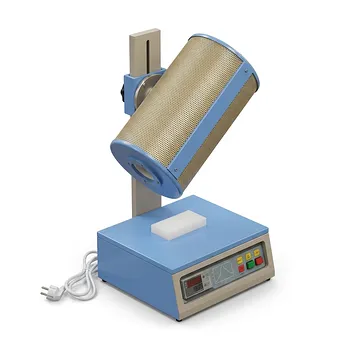
1100°C Vertical Laboratory Furnace for DIY Tubular Reactors with PID Temperature Controller
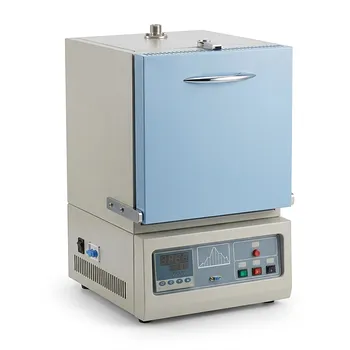
1750C Compact Muffle Furnace 1.7L Ultra High Temperature Laboratory Sintering System for Advanced Ceramics and Material Science Research
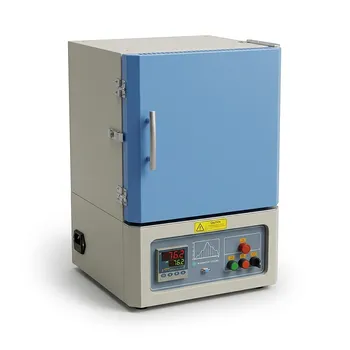
1750C Bench Top Muffle Furnace 3.6L High Grade Molybdenum Disilicide Heating Elements Laboratory Heat Treatment Equipment
High Temperature Mini Induction Heating Furnace 1600C Laboratory Material Melting System
High Temperature 1200C Muffle Furnace 27L Volume 12x12x12 Chamber with Programmable PID Controller for Laboratory Material Science
High Temperature Muffle Furnace with Dual Controllers and 36L Large Chamber 1700C Max
1800C Bench Top Muffle Furnace with Kanthal Super 1900 Heating Elements and 3.6L Alumina Fiber Chamber
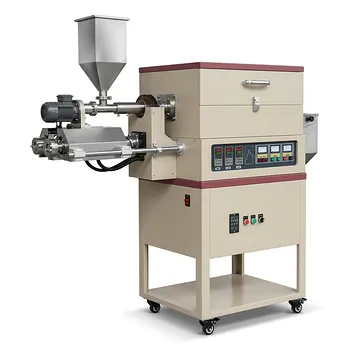
Laboratory Tilting Rotary Tubular Furnaces for Material Science and Industrial Heat Treatment
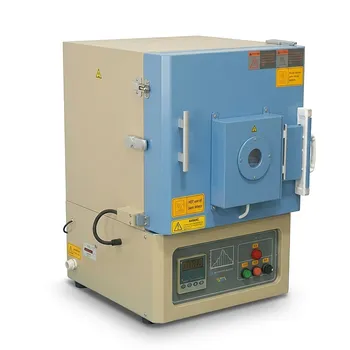
High Temperature Benchtop Muffle Furnace 1500C with 3.6L Chamber and Quartz Observation Window
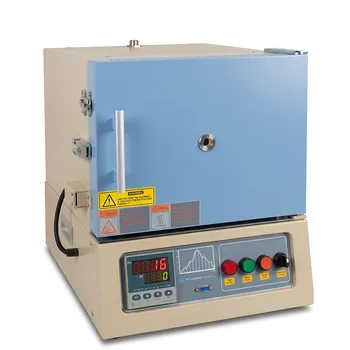
1200C Muffle Furnace 12x8x5 7.2L Heating Chamber with Quartz Observation Window and Vent Port
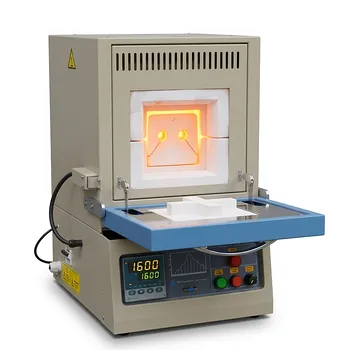
High Temperature Compact Muffle Furnace 1700 C with 30 Segment Programmable Controller and 1.7L Cubic Chamber
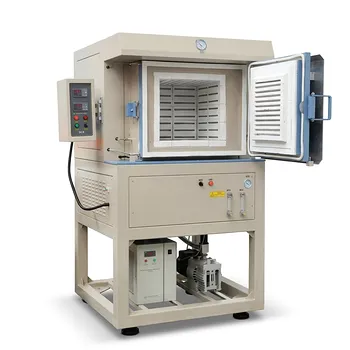
1200°C Five Side Heating Atmosphere Controlled Muffle Furnace 64 Liter High Uniformity Box Furnace for Material Synthesis
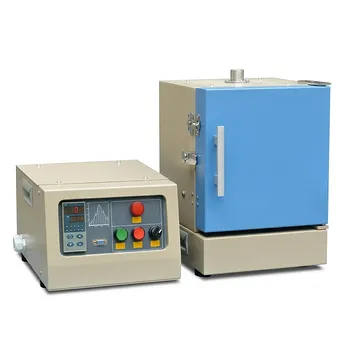
1200C Small Box Muffle Furnace with Separated Programmable Controller and 4.2L Alumina Fiber Chamber
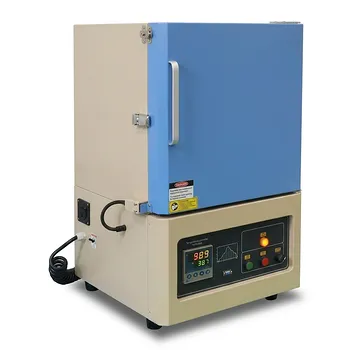
1200°C High Temperature Muffle Furnace 19L Chamber with 50 Segment Programmable Controller
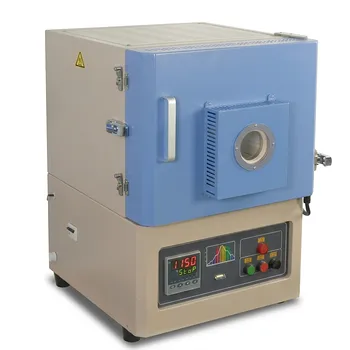
High Temperature Benchtop Muffle Furnace with Quartz Observation Window for Thermal Imaging and Material Analysis
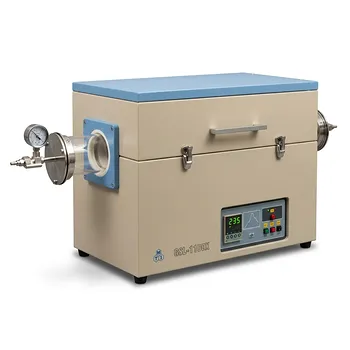
Single Zone Tube Furnace 5 Inch Quartz Tube 36 Inch Heating Zone Vacuum Flanges
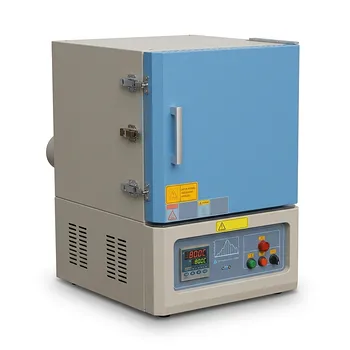
1800C Bench Top Muffle Furnace 18 Liters with Kanthal Super 1900 Heating Elements for High Purity Ceramic Sintering and Material Research
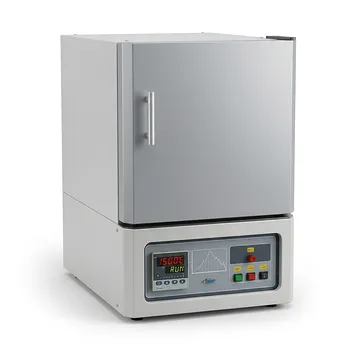
High Temperature 1500C Benchtop Muffle Furnace 3.6L Alumina Fiber Chamber Programmable Controller Sintering Annealing Carbonization Thermal Processing System
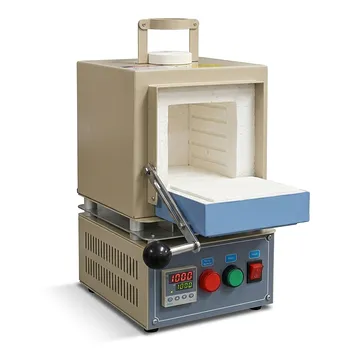
Compact 1000C Muffle Furnace with Programmable Controller and 2 Inch Top Port for Vacuum and Atmosphere Material Research