How does a lab tube furnace regulate phase in Ni/WS2/WC composites? Achieve Precise Material Synthesis
Updated 3 months ago
Precise phase structure regulation in Ni/WS2/WC composites is achieved by using a laboratory tube furnace to synchronize a programmed 5°C/min heating ramp with a specific Ar/H2 reducing atmosphere. This combination ensures the simultaneous reduction of nickel sulfide to metallic nickel and the displacement reaction between carbon atoms—derived from melamine decomposition—and WS2 to form tungsten carbide (WC) at temperatures between 500-700°C.
The laboratory tube furnace acts as a controlled thermochemical reactor that balances temperature-driven kinetics with atmospheric chemistry. By maintaining this precise environment, the system facilitates the formation of high-quality Ni/WS2/WC heterojunctions while preserving the delicate morphology of the nanosheets.
The Role of Programmed Thermal Kinetics
Precise Heating Rates and Structural Stability
The furnace utilizes a steady heating rate, typically 5°C/min, to manage the rate of precursor decomposition. This controlled ascent prevents the sudden release of gases that could cause internal pressure build-up and macro-cracks, ensuring the material retains its intended nanosheet morphology.
Targeted Soaking Temperatures (500-700°C)
Phase regulation is highly temperature-dependent, requiring a "sweet spot" between 500°C and 700°C. Within this range, the furnace provides the energy necessary for carbon atoms to displace sulfur in the WS2 lattice, while avoiding higher temperatures that might lead to unwanted grain growth or structural collapse.
Multi-Stage Reaction Control
Advanced tube furnaces allow for staged temperature profiles that can trigger specific solid-state reactions. This enables the sequential evolution of phases, such as initiating melamine decomposition before the final high-temperature constant phase that ensures full atomic diffusion.
Atmosphere-Driven Chemical Regulation
The Ar/H2 Reducing Environment
The use of a mixed Ar/H2 atmosphere is critical for the chemical reduction of nickel sulfide into metallic nickel. The hydrogen acts as the reducing agent, while the argon provides an inert carrier that prevents the oxidation of the newly formed metallic components.
In-Situ Carbonization and Displacement
As melamine decomposes within the furnace, it generates reactive carbon atoms in situ. The furnace’s controlled environment ensures these atoms react specifically with WS2 to form WC (Tungsten Carbide), a process essential for creating the desired heterojunction interfaces.
Prevention of Oxidative Loss
Superior sealing performance is a hallmark of the laboratory tube furnace, maintaining a strictly oxygen-free environment. This prevents the carbon and metallic components from undergoing oxidative combustion, which would otherwise degrade the chemical stability and yield of the composite.
Understanding the Trade-offs
Heating Rate vs. Structural Integrity
While faster heating rates might decrease processing time, they often lead to "gas escape pressure" issues. If the temperature rises too quickly, the rapid decomposition of precursors can shatter the nanosheet framework or create voids in the Ni/WS2/WC structure.
Atmosphere Composition Risks
The balance of the Ar/H2 mix is delicate; insufficient hydrogen will result in incomplete reduction of nickel sulfide, leaving impurities in the final composite. Conversely, an atmosphere that is not perfectly sealed can introduce trace oxygen, leading to the formation of tungsten oxides instead of the desired carbides.
Temperature Uniformity Challenges
In larger-scale synthesis, maintaining a uniform temperature field across the entire length of the tube is difficult. Inconsistent heat distribution can lead to "phase segregation," where one end of the sample reaches the WC formation threshold while the other remains in a precursor state.
How to Apply This to Your Project
To achieve optimal results when regulating phase structures in advanced composites, consider the following strategic approaches:
- If your primary focus is phase purity: Prioritize the precision of your Ar/H2 gas mixing ratio and ensure the furnace has a high-quality vacuum seal to eliminate trace oxygen.
- If your primary focus is morphological integrity: Utilize a slower heating ramp (e.g., 1-5°C/min) to allow for the gradual escape of volatile components without damaging the nanosheet structure.
- If your primary focus is heterojunction density: Target the upper end of the reaction window (700°C) with a longer soaking time to promote full atomic diffusion between the Ni, WS2, and WC layers.
By meticulously balancing the thermal ramp and the chemical atmosphere, the laboratory tube furnace transforms complex precursors into highly engineered Ni/WS2/WC heterostructures.
Summary Table:
| Parameter | Specification | Functional Role in Synthesis |
|---|---|---|
| Heating Rate | 5°C/min | Prevents macro-cracks & preserves nanosheet morphology |
| Temp Range | 500°C - 700°C | Facilitates C-atom displacement & WC formation |
| Atmosphere | Ar/H2 Mixed | Reduces nickel sulfide to Ni; prevents oxidation |
| Seal Quality | Oxygen-free | Ensures in-situ carbonization purity & chemical stability |
Optimize Your Phase Synthesis with THERMUNITS
Precision phase regulation in Ni/WS2/WC composites requires more than just heat—it requires total environmental control. THERMUNITS is a leading manufacturer of high-temperature laboratory equipment for material science and industrial R&D. Our advanced thermal processing solutions, including Tube Furnaces, CVD/PECVD systems, Vacuum/Atmosphere furnaces, and Hot Press units, provide the stability and atmospheric precision necessary for your most delicate heterojunction projects.
Whether you need an electric rotary kiln, a vacuum induction melting furnace (VIM), or specialized thermal elements, we empower researchers to achieve superior material properties. Contact THERMUNITS today to discuss your specific heat treatment requirements and elevate your lab’s efficiency!
References
- Yan Liu, Lanfang Wang. Ni/WS2/WC Composite Nanosheets as an Efficient Catalyst for Photoelectrochemical Hydrogen Peroxide Sensing and Hydrogen Evolution. DOI: 10.3390/ma17051037
Mentioned Products
- Multi Position Tube Furnace 1100C for Laboratory Material Research and Advanced Industrial Thermal Processing
- Ten Zone Multi Orientation Laboratory Tube Furnace for 1200C High Temperature Gradient Thermal Processing
- High Temperature 1200C Split Tube Furnace with Hinged Vacuum Flanges and 4 Inch Quartz Tube for Laboratory Research
- 1100°C Vertical Laboratory Furnace for DIY Tubular Reactors with PID Temperature Controller
- High Temperature Automated 5 Inch Tube Furnace for Autonomous Material Research and Advanced Laboratory R&D
People Also Ask
- Why use a tube furnace for oxygen annealing LaCrO3/LaMnO3? Optimize Phase Transition & Magnetic Performance.
- What key role does a laboratory high-temperature tube furnace play in the production of carbon nanofibers? Guide
- How is a laboratory high-temperature tube furnace utilized to research the products of aluminothermic reduction? Advanced Metallurgical Solutions
- What is the role of a laboratory tube furnace in the carbonization process of porous carbon foam (PCF)? Master 3D Synthesis
- What role does a laboratory tube furnace play in the pyrolysis and carbonization of biomass? Optimize Thermal Research.

Tech Team · ThermUnits
Last updated on Jun 02, 2026
Related Products
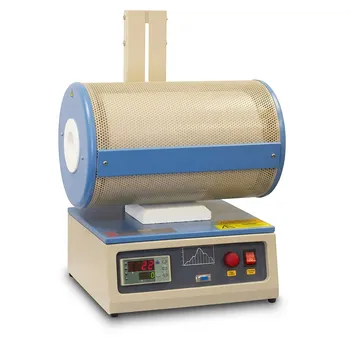
Multi Position Tube Furnace 1100C for Laboratory Material Research and Advanced Industrial Thermal Processing
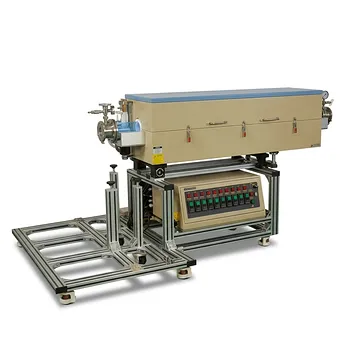
Ten Zone Multi Orientation Laboratory Tube Furnace for 1200C High Temperature Gradient Thermal Processing
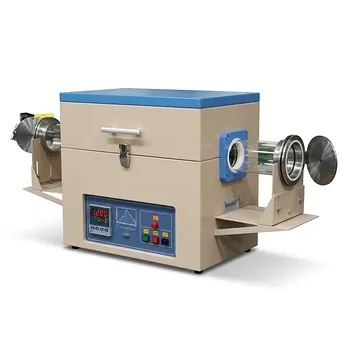
High Temperature 1200C Split Tube Furnace with Hinged Vacuum Flanges and 4 Inch Quartz Tube for Laboratory Research
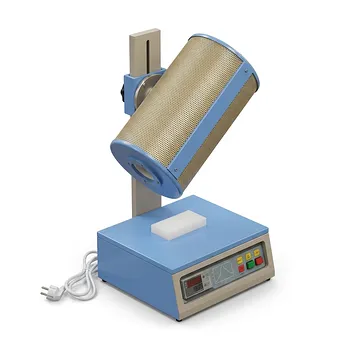
1100°C Vertical Laboratory Furnace for DIY Tubular Reactors with PID Temperature Controller

High Temperature Automated 5 Inch Tube Furnace for Autonomous Material Research and Advanced Laboratory R&D
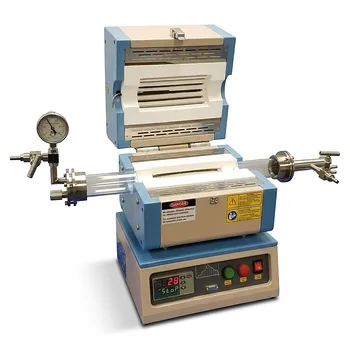
Compact Split Tube Furnace with Integrated Vacuum System and Precision Temperature Calibrator

1800C High Temperature Compact Vacuum Tube Furnace with 60mm OD Alumina Tube and Kanthal MoSi2 Heating Elements
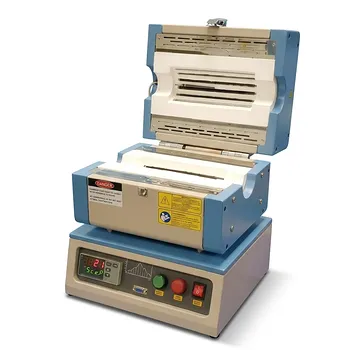
1250C Compact Split Tube Furnace with 8 Inch Heating Zone and Programmable Controller
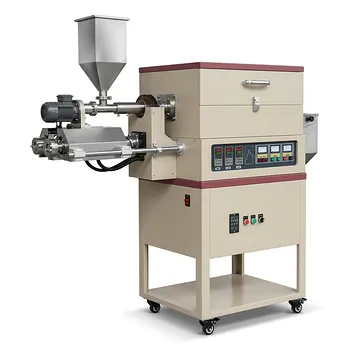
Laboratory Tilting Rotary Tubular Furnaces for Material Science and Industrial Heat Treatment
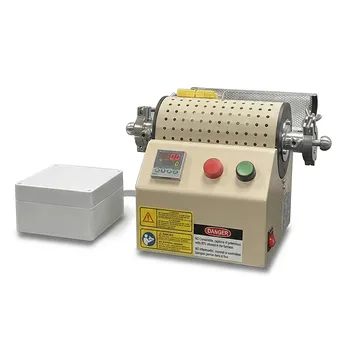
1000C Mini Tube Furnace with 20mm Quartz Tube and Vacuum Flanges for Material Science Research and Controlled Atmosphere Small Sample Processing
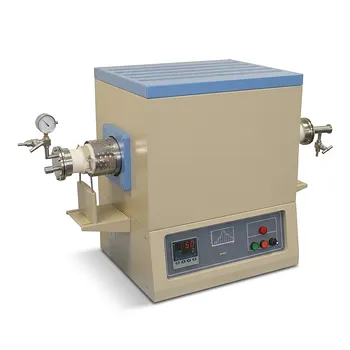
1700C High Temperature Alumina Tube Furnace with 18 Inch Heated Zone and Vacuum Sealing Flanges
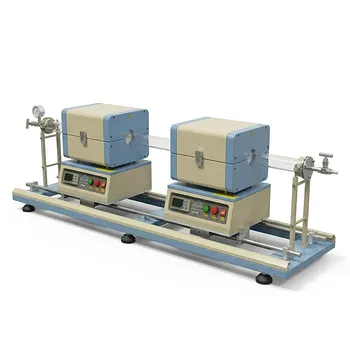
1200C Max Dual Sliding Tube Furnace with 50 mm Tube Flanges for CVD
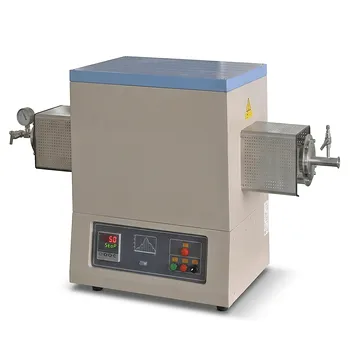
High Temperature 1700C Tube Furnace with 4 Inch OD Alumina Tube and Vacuum Sealing Flanges
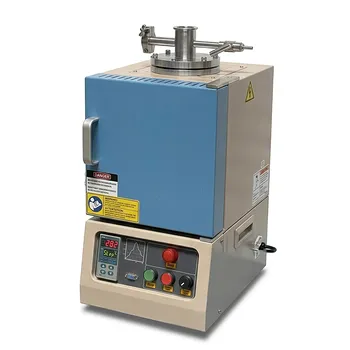
High Temperature Hybrid Muffle and Tube Furnace with Vacuum Capability and PID Control
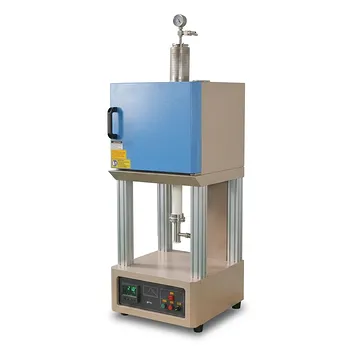
Hybrid High Temperature Tube and Box Furnace 1700C with 2 Inch Alumina Tube for Material Research
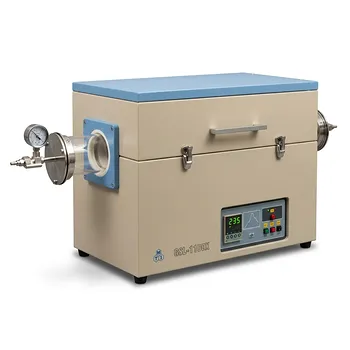
Single Zone Tube Furnace 5 Inch Quartz Tube 36 Inch Heating Zone Vacuum Flanges

High Temperature 1700C Vertical Tube Furnace for Powder Spherification and Material Sintering

1100C Tube Furnace with Vacuum Flange and Programmable Temperature Controller for Material Science and Industrial Heat Treatment

High Temperature 1700C Tube Furnace with High Vacuum Turbomolecular Pump System and Multi Channel Mass Flow Controller Gas Mixer
