What is the function of a laboratory tube furnace in the post-treatment of Sn-doped CuGaS2 thin films? Improve Performance
Updated 3 months ago
The laboratory tube furnace serves as the primary instrument for the thermal annealing of Sn-doped $CuGaS_2$ thin films. Following the initial deposition process, the furnace provides a highly controlled thermal environment—typically around 350°C—that drives the transition from a disordered or stressed state to a high-quality crystalline structure. This post-treatment is essential for integrating tin (Sn) dopants into the lattice sites, which directly dictates the final electrical and optical performance of the semiconductor.
The tube furnace acts as a catalyst for structural refinement, utilizing precise temperature fields to eliminate deposition stresses and activate dopants. By facilitating atomic rearrangement, it transforms "as-deposited" layers into functional, high-crystallinity thin films.
Driving Structural Integrity and Crystallinity
Eliminating Internal Deposition Stresses
Thin films deposited via various techniques often harbor significant internal mechanical stresses. The tube furnace provides the thermal energy necessary to relax these stresses, preventing structural failures such as micro-cracking or delamination from the substrate.
Promoting Atomic Rearrangement
At temperatures like 350°C, atoms within the $CuGaS_2$ film gain sufficient mobility to move into their optimal thermodynamic positions. This process significantly enhances the material's crystallinity, reducing the density of structural defects that would otherwise hinder charge carrier movement.
Optimizing Material Properties via Dopant Activation
Facilitating Lattice Site Integration
For Sn-doped samples, the mere presence of tin is insufficient; the dopant ions must occupy specific sites within the $CuGaS_2$ crystal lattice. The controlled heating within the furnace enables these Sn ions to migrate into the correct positions, effectively "activating" the dopant.
Tuning Electrical and Optical Performance
By optimizing the crystalline lattice and ensuring proper dopant placement, the annealing process refines the film's bandgap and conductivity. This makes the laboratory tube furnace a critical tool for tailoring the material for specific applications, such as high-efficiency solar cells or optoelectronic devices.
The Importance of a Controlled Environment
Precision Temperature Cycles
A tube furnace is preferred over standard heating elements because it offers superior control over heating rates, soak times, and cooling phases. This precision ensures uniform grain growth and prevents thermal shock, which is vital for maintaining the uniformity of the thin film across its entire surface.
Atmospheric and Vacuum Management
In many thin-film processes, the furnace environment must be strictly regulated to prevent oxidation or the loss of volatile elements like sulfur. Tube furnaces allow researchers to perform annealing under vacuum or within inert gas atmospheres (such as Nitrogen or Argon) to maintain the chemical purity of the $CuGaS_2$ layer.
Understanding the Trade-offs and Risks
Thermal Budget Constraints
Applying too much heat or annealing for an excessive duration can lead to unwanted grain coarsening or secondary phase formation. If the "thermal budget" is exceeded, the Sn dopants may segregate at grain boundaries rather than integrating into the lattice, degrading the film's performance.
Substrate Compatibility
The choice of annealing temperature is often limited by the thermal stability of the underlying substrate. Researchers must balance the need for high-temperature crystallization with the risk of substrate warping or chemical diffusion between the film and the base material.
How to Apply This to Your Project
Recommendations for Effective Post-Treatment
- If your primary focus is maximizing crystallinity: Prioritize longer annealing durations at stable temperatures to allow for maximum atomic rearrangement and grain growth.
- If your primary focus is dopant activation: Focus on reaching the specific activation temperature threshold (e.g., 350°C) to ensure Sn ions successfully enter the lattice sites.
- If your primary focus is preventing contamination: Utilize a high-vacuum or inert-gas-purged tube furnace to isolate the film from atmospheric oxygen and moisture during the heating cycle.
By mastering the precise thermal variables of the tube furnace, you can transform a raw deposited layer into a high-performance semiconductor thin film.
Summary Table:
| Function | Key Benefit | Impact on CuGaS2 Film |
|---|---|---|
| Thermal Annealing | Structural Integrity | Transitions films to high-quality crystalline states. |
| Stress Relief | Prevention of Defects | Eliminates internal deposition stresses and micro-cracking. |
| Dopant Activation | Enhanced Conductivity | Integrates Sn ions into the lattice for better electrical performance. |
| Atmosphere Control | Chemical Purity | Prevents oxidation and volatile loss using vacuum or inert gases. |
Elevate Your Material Research with THERMUNITS Precision
Are you looking to achieve superior crystallinity and precise dopant activation in your semiconductor thin films? THERMUNITS is a leading manufacturer of high-temperature laboratory equipment specifically designed for material science and industrial R&D.
We offer a comprehensive range of thermal processing solutions tailored to your specific research needs, including:
- Tube & Rotary Furnaces for uniform thin-film annealing.
- CVD/PECVD Systems for advanced layer deposition.
- Vacuum & Atmosphere Furnaces to ensure chemical purity.
- Muffle, Hot Press, and Vacuum Induction Melting (VIM) Furnaces for diverse heat treatments.
Whether you are working on high-efficiency solar cells or advanced optoelectronics, our equipment provides the thermal stability and atmospheric control necessary for breakthrough results.
Ready to optimize your heat treatment process? Contact our technical experts today to find the perfect furnace solution for your laboratory!
References
- Sreelakshmi Krishna, V. Vasu. Preparation and characterization of pristine and Sn doped copper gallium sulphide (CGS) thin films using spray pyrolysis technique. DOI: 10.1016/j.heliyon.2024.e25425
Mentioned Products
- Multi Position Tube Furnace 1100C for Laboratory Material Research and Advanced Industrial Thermal Processing
- Ten Zone Multi Orientation Laboratory Tube Furnace for 1200C High Temperature Gradient Thermal Processing
- High Temperature 1200C Split Tube Furnace with Hinged Vacuum Flanges and 4 Inch Quartz Tube for Laboratory Research
- 1100°C Vertical Laboratory Furnace for DIY Tubular Reactors with PID Temperature Controller
- High Temperature Automated 5 Inch Tube Furnace for Autonomous Material Research and Advanced Laboratory R&D
People Also Ask
- Why use a tube furnace for oxygen annealing LaCrO3/LaMnO3? Optimize Phase Transition & Magnetic Performance.
- What key role does a laboratory high-temperature tube furnace play in the production of carbon nanofibers? Guide
- How is a laboratory high-temperature tube furnace utilized to research the products of aluminothermic reduction? Advanced Metallurgical Solutions
- What is the role of a laboratory tube furnace in the carbonization process of porous carbon foam (PCF)? Master 3D Synthesis
- What role does a laboratory tube furnace play in the pyrolysis and carbonization of biomass? Optimize Thermal Research.

Tech Team · ThermUnits
Last updated on Jun 03, 2026
Related Products
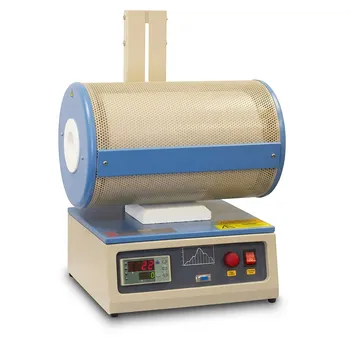
Multi Position Tube Furnace 1100C for Laboratory Material Research and Advanced Industrial Thermal Processing
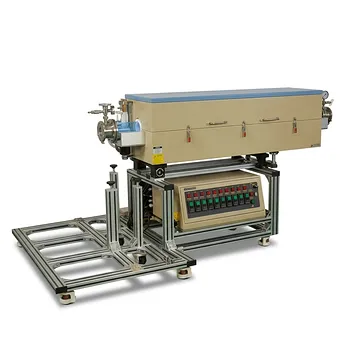
Ten Zone Multi Orientation Laboratory Tube Furnace for 1200C High Temperature Gradient Thermal Processing
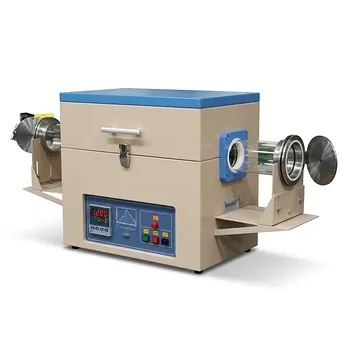
High Temperature 1200C Split Tube Furnace with Hinged Vacuum Flanges and 4 Inch Quartz Tube for Laboratory Research
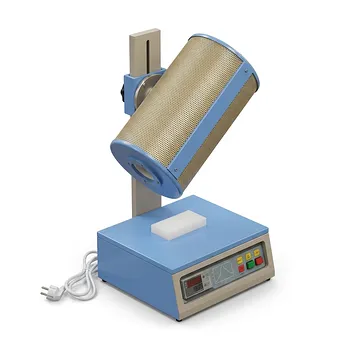
1100°C Vertical Laboratory Furnace for DIY Tubular Reactors with PID Temperature Controller

High Temperature Automated 5 Inch Tube Furnace for Autonomous Material Research and Advanced Laboratory R&D
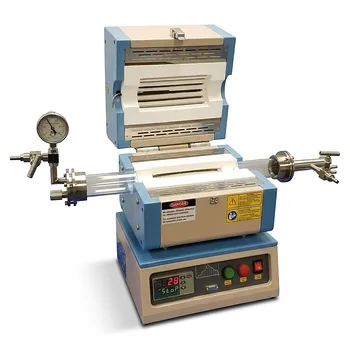
Compact Split Tube Furnace with Integrated Vacuum System and Precision Temperature Calibrator

1800C High Temperature Compact Vacuum Tube Furnace with 60mm OD Alumina Tube and Kanthal MoSi2 Heating Elements
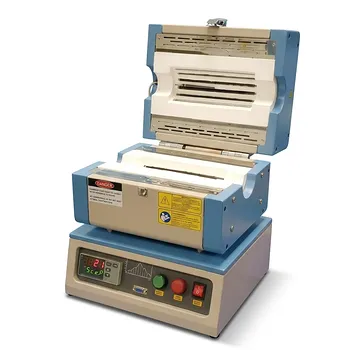
1250C Compact Split Tube Furnace with 8 Inch Heating Zone and Programmable Controller
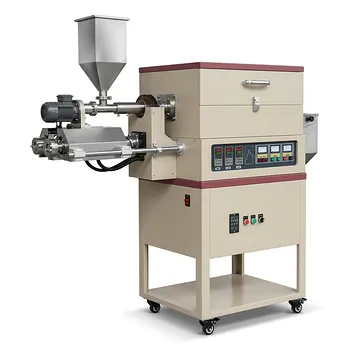
Laboratory Tilting Rotary Tubular Furnaces for Material Science and Industrial Heat Treatment
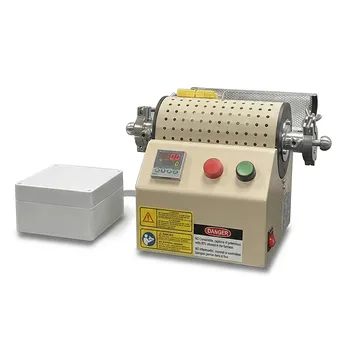
1000C Mini Tube Furnace with 20mm Quartz Tube and Vacuum Flanges for Material Science Research and Controlled Atmosphere Small Sample Processing
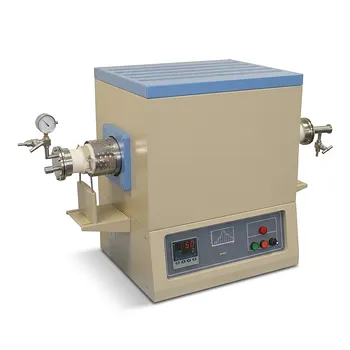
1700C High Temperature Alumina Tube Furnace with 18 Inch Heated Zone and Vacuum Sealing Flanges
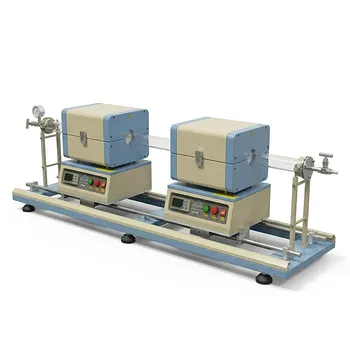
1200C Max Dual Sliding Tube Furnace with 50 mm Tube Flanges for CVD
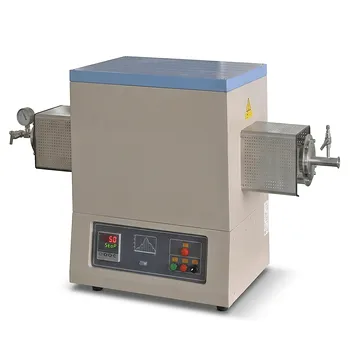
High Temperature 1700C Tube Furnace with 4 Inch OD Alumina Tube and Vacuum Sealing Flanges
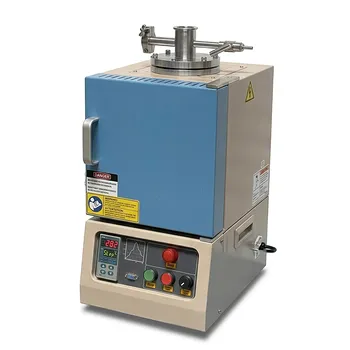
High Temperature Hybrid Muffle and Tube Furnace with Vacuum Capability and PID Control
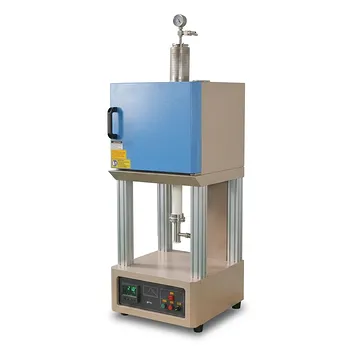
Hybrid High Temperature Tube and Box Furnace 1700C with 2 Inch Alumina Tube for Material Research
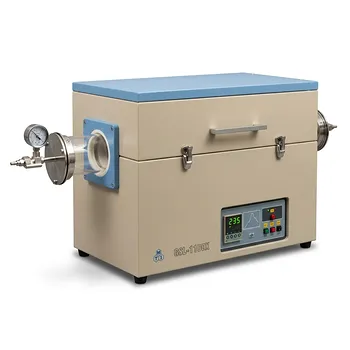
Single Zone Tube Furnace 5 Inch Quartz Tube 36 Inch Heating Zone Vacuum Flanges

High Temperature 1700C Vertical Tube Furnace for Powder Spherification and Material Sintering

1100C Tube Furnace with Vacuum Flange and Programmable Temperature Controller for Material Science and Industrial Heat Treatment

High Temperature 1700C Tube Furnace with High Vacuum Turbomolecular Pump System and Multi Channel Mass Flow Controller Gas Mixer
