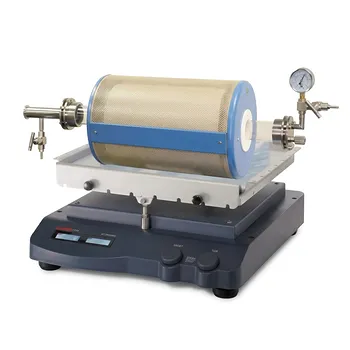
What role does a laboratory tube furnace play in the pyrolysis and carbonization of biomass? Optimize Thermal Research.
Updated 3 months ago
A laboratory tube furnace acts as the primary thermal reactor for converting raw biomass into high-value carbon products through precisely controlled thermochemical degradation. By providing a sealed, high-temperature environment, the furnace facilitates the dehydration, pyrolysis, and carbonization of organic components like cellulose and lignin, ultimately determining the material’s final pore structure and adsorption performance.
The tube furnace is the foundational equipment in biomass research, enabling the transition from raw waste to stable carbon frameworks by isolating thermal variables from atmospheric interference. It bridges the gap between chemical pretreatment and the physical realization of a high-performance adsorbent.
Engineering the Thermal Transformation
Precision Control of Heating Kinetics
The tube furnace allows researchers to set specific heating rates, often ranging from 5°C to 10°C per minute. This controlled ramp-up is essential to prevent rapid off-gassing, which can rupture the developing micro-porous structure of the biomass.
Management of Isothermal Holding Times
Once the target temperature—typically between 500°C and 800°C—is reached, the furnace maintains a steady isothermal state. This "soaking" period ensures the complete removal of organic volatiles and the reorganization of carbon elements into stable graphitic or amorphous frameworks.
Uniformity of the Temperature Field
High-quality tube furnaces provide a uniform heat distribution across the material bed. This consistency is critical for producing bio-adsorbents with predictable performance, as localized temperature fluctuations can lead to uneven carbonization and structural defects.
Managing the Reaction Atmosphere
Establishing Anaerobic Conditions
Biomass carbonization must occur in the absence of oxygen to prevent combustion. The tube furnace provides a sealed environment where inert gases like nitrogen can be introduced to create a protective, anaerobic atmosphere.
Facilitating Volatile Removal and Degassing
As the biomass is heated, it undergoes dehydration and degassing. The furnace design allows for the continuous purging of these volatile byproducts, preventing them from re-depositing on the material and clogging the newly formed pores.
Interaction with Activating Agents
When biomass is impregnated with chemical activators, the tube furnace provides the energy required for complex cracking and polymerization. This interaction is what expands the initial pore structure into the complex networks necessary for activated carbon.
Structural and Chemical Evolution
Enrichment of Fixed Carbon Content
The primary role of the furnace is to drive off non-carbon elements, thereby increasing the fixed carbon content. This process transforms raw seed shells or lignin into a rigid carbon skeleton with high thermal stability.
Synthesis of Advanced Composites
Modern research utilizes the tube furnace to load biomass with metal salts (such as manganese or magnesium). The furnace’s high-temperature environment induces the conversion of these salts into nano-scale oxides, creating functional composite materials for advanced catalytic applications.
Prevention of Structural Collapse
By precisely regulating the final processing temperature, the furnace prevents excessive sintering. Over-heating can cause the micro-pores to collapse or "fuse," which would significantly reduce the surface area and effectiveness of the resulting biochar.
Navigating Trade-offs and Process Limitations
The Balance of Yield vs. Surface Area
Higher carbonization temperatures generally result in a more developed pore structure but a lower total yield of carbon. Researchers must choose between maximizing the quantity of the product and maximizing its specific surface area.
Maintenance and Contamination Risks
The release of tars and corrosive volatiles during biomass pyrolysis can damage the furnace tube or heating elements over time. Regular cleaning and the use of sacrificial liners are often necessary to maintain the integrity of the equipment and the purity of the samples.
Scaling Constraints
Laboratory tube furnaces are designed for precision, not volume. While they are ideal for optimizing protocols and material discovery, the batch-processing nature of a small-diameter tube can make it difficult to produce large quantities of material for industrial-scale testing.
Optimizing the Furnace for Your Research Goals
Choosing the right operational parameters depends entirely on the intended application of your carbon material.
- If your primary focus is High-Surface Area Activated Carbon: Utilize a moderate heating rate (5-10°C/min) with a high-temperature isothermal hold (700°C-800°C) and active gas purging to maximize pore development.
- If your primary focus is Bio-Adsorbent Yield: Opt for lower carbonization temperatures (around 500°C-600°C) and shorter holding times to retain more of the carbon skeleton while still removing the most reactive volatiles.
- If your primary focus is Catalytic Carbon Composites: Ensure the furnace atmosphere is strictly controlled and use programmed temperature steps to allow metal salts to decompose into nano-oxides without agglomerating.
Mastering the thermal environment of the tube furnace is the single most important factor in transforming waste biomass into a high-performance functional material.
Summary Table:
| Process Function | Impact on Biomass Carbonization | Key Control Parameter |
|---|---|---|
| Heating Kinetics | Prevents structural rupture by controlling off-gassing. | 5°C - 10°C/min Ramp Rate |
| Isothermal Holding | Ensures complete removal of volatiles and carbon stability. | 500°C - 800°C Soaking |
| Atmosphere Management | Creates anaerobic conditions to prevent combustion. | Inert Gas Purge (e.g., Nitrogen) |
| Pore Engineering | Facilitates interaction with activators for high surface area. | Gas Flow & Pressure |
| Temperature Uniformity | Produces consistent bio-adsorbents with no defects. | Thermal Field Distribution |
Elevate Your Material Research with THERMUNITS
Transform your biomass research into high-performance results with THERMUNITS, a leading manufacturer of high-temperature laboratory equipment for material science and industrial R&D. Our precision-engineered furnaces provide the stability and control necessary for advanced pyrolysis and carbonization applications.
Our Comprehensive Thermal Solutions Include:
- Furnaces: Muffle, Vacuum, Atmosphere, Tube, Rotary, and Hot Press Furnaces.
- Advanced Systems: CVD/PECVD systems and Vacuum Induction Melting (VIM) furnaces.
- Specialized Equipment: Dental Furnaces, Electric Rotary Kilns, and high-quality Thermal Elements.
Ready to optimize your laboratory’s heat treatment efficiency? Contact us today to request a quote or consultation and discover how our specialized equipment can support your next breakthrough in carbon materials.
References
- Amina Tahreen, Zahangir Alam. MORINGA OLEIFERA (MO) SEED SHELL BASED ADSORBENT FOR POTENTIAL CO2 CAPTURE: A CHARACTERIZATION STUDY. DOI: 10.22452/mjs.vol43sp1.7
Mentioned Products
- Multi Position Tube Furnace 1100C for Laboratory Material Research and Advanced Industrial Thermal Processing
- Ten Zone Multi Orientation Laboratory Tube Furnace for 1200C High Temperature Gradient Thermal Processing
- High Temperature 1200C Split Tube Furnace with Hinged Vacuum Flanges and 4 Inch Quartz Tube for Laboratory Research
- High Temperature Automated 5 Inch Tube Furnace for Autonomous Material Research and Advanced Laboratory R&D
- 1800C High Temperature Compact Vacuum Tube Furnace with 60mm OD Alumina Tube and Kanthal MoSi2 Heating Elements
People Also Ask
- Why use a tube furnace for oxygen annealing LaCrO3/LaMnO3? Optimize Phase Transition & Magnetic Performance.
- What key role does a laboratory high-temperature tube furnace play in the production of carbon nanofibers? Guide
- How is a laboratory high-temperature tube furnace utilized to research the products of aluminothermic reduction? Advanced Metallurgical Solutions
- What is the role of a laboratory tube furnace in the carbonization process of porous carbon foam (PCF)? Master 3D Synthesis
- What is the function of a laboratory tube furnace in the reduction of Y2O2SO4 to Y2O2S? Precision Synthesis Guide

Tech Team · ThermUnits
Last updated on Jun 03, 2026
Related Products
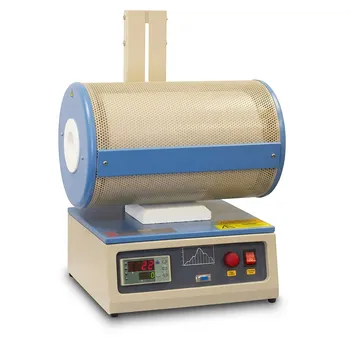
Multi Position Tube Furnace 1100C for Laboratory Material Research and Advanced Industrial Thermal Processing
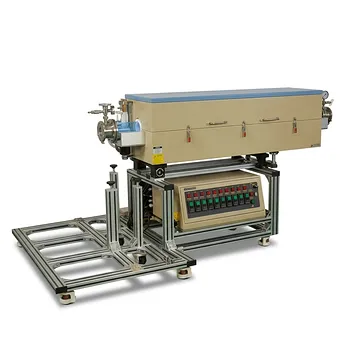
Ten Zone Multi Orientation Laboratory Tube Furnace for 1200C High Temperature Gradient Thermal Processing
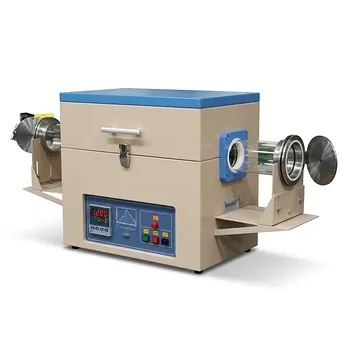
High Temperature 1200C Split Tube Furnace with Hinged Vacuum Flanges and 4 Inch Quartz Tube for Laboratory Research

High Temperature Automated 5 Inch Tube Furnace for Autonomous Material Research and Advanced Laboratory R&D

1800C High Temperature Compact Vacuum Tube Furnace with 60mm OD Alumina Tube and Kanthal MoSi2 Heating Elements
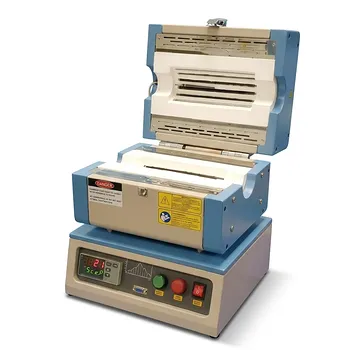
1250C Compact Split Tube Furnace with 8 Inch Heating Zone and Programmable Controller
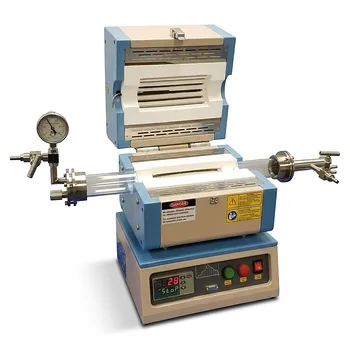
Compact Split Tube Furnace with Integrated Vacuum System and Precision Temperature Calibrator
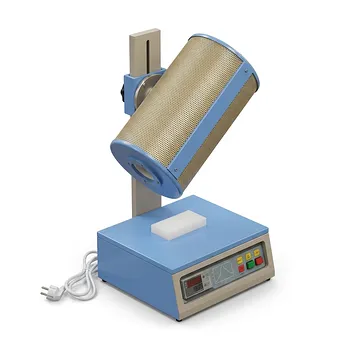
1100°C Vertical Laboratory Furnace for DIY Tubular Reactors with PID Temperature Controller
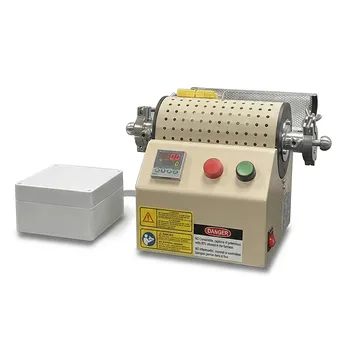
1000C Mini Tube Furnace with 20mm Quartz Tube and Vacuum Flanges for Material Science Research and Controlled Atmosphere Small Sample Processing
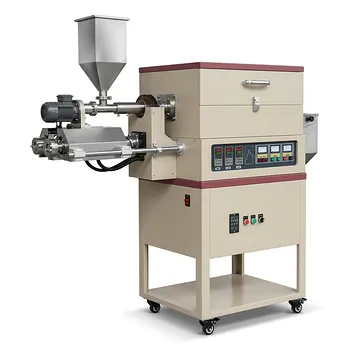
Laboratory Tilting Rotary Tubular Furnaces for Material Science and Industrial Heat Treatment
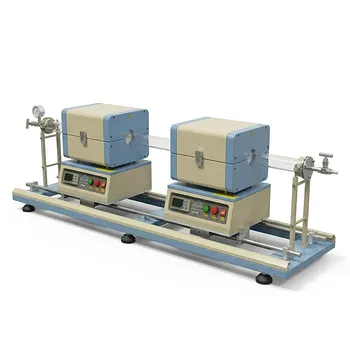
1200C Max Dual Sliding Tube Furnace with 50 mm Tube Flanges for CVD
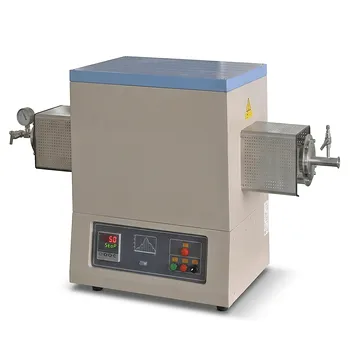
High Temperature 1700C Tube Furnace with 4 Inch OD Alumina Tube and Vacuum Sealing Flanges

1700C High Temperature Alumina Tube Furnace with 18 Inch Heated Zone and Vacuum Sealing Flanges
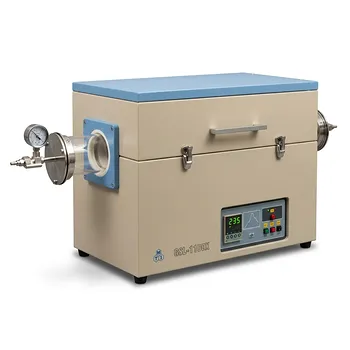
Single Zone Tube Furnace 5 Inch Quartz Tube 36 Inch Heating Zone Vacuum Flanges
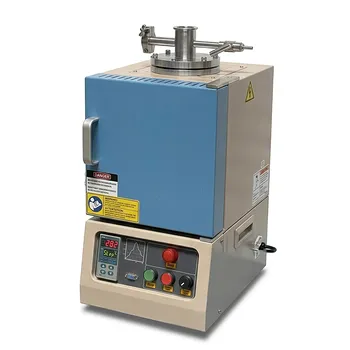
High Temperature Hybrid Muffle and Tube Furnace with Vacuum Capability and PID Control
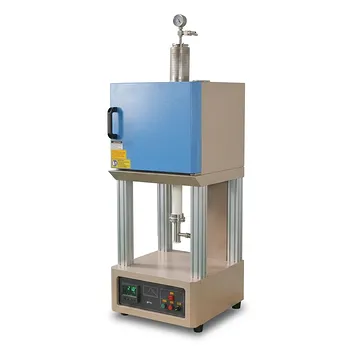
Hybrid High Temperature Tube and Box Furnace 1700C with 2 Inch Alumina Tube for Material Research
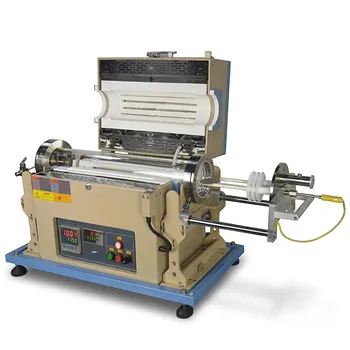
1200°C High Temperature 4 Inch Tube Furnace with Sliding Flange for CVD Systems

1200C High Throughput Multi Channel Tube Furnace with 50mm Quartz Tubes for Annealing and Material Phase Diagram Research

High Temperature 1700C Vertical Tube Furnace for Powder Spherification and Material Sintering