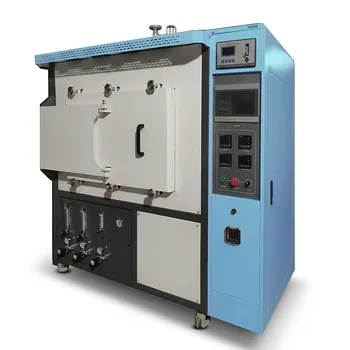
What technical features ensure temperature precision and material integrity in dental furnaces? Quality Sintering Guide
Updated 5 months ago
The technical integrity of dental restorations depends entirely on the furnace's ability to manage thermal energy with microscopic precision. Modern dental furnaces achieve this through a combination of PID-controlled microprocessors, high-purity refractory insulation, and specialized sensor arrays. These features ensure that ceramic materials reach their optimal phase structure, guaranteeing the mechanical strength and aesthetic translucency required for clinical success.
Achieving superior results in dental ceramics requires a furnace that balances ultra-precise temperature regulation with uniform heat distribution. By stabilizing the thermal environment, these systems eliminate the internal stresses that lead to micro-cracks and unpredictable shrinkage.
Advanced Temperature Regulation and Sensing
PID Microprocessor Control
The heart of a dental furnace is the PID (Proportional-Integral-Derivative) controller, which typically maintains accuracy within ±1 °C. This system uses a high-sensitivity microprocessor to constantly calculate the gap between the actual and desired temperature, making real-time adjustments to power output. This prevents "temperature overshoot," which can negatively impact the color stability and translucency of the ceramic.
Specialized Thermocouple Integration
Temperature monitoring is performed by high-grade thermocouples, such as Type S (platinum-rhodium) or Type N. Type S sensors are critical for high-temperature sintering models, providing the durability and precision needed for cycles that exceed 1,000 °C. These sensors provide the data necessary for the PID system to maintain a stable thermal environment throughout the entire cycle.
Structural Heat Management and Distribution
High-Purity Refractory Insulation
To minimize heat loss and ensure a stable internal environment, furnaces utilize high-purity refractory insulation made of ceramic fiber or lightweight bricks. This insulation creates a thermal barrier that prevents external fluctuations from affecting the firing chamber. It also ensures that the exterior of the furnace remains safe for the operator while the interior maintains extreme heat.
Multi-Dimensional "All-Round" Heating
Temperature consistency within the chamber is achieved by arranging heating elements concentrically or on multiple sides (walls, floor, and ceiling). This "all-round heating" design maintains temperature uniformity often within a range of ±5 K or better. Uniformity is essential because uneven heating causes different parts of a restoration to shrink at different rates, leading to warping.
Material Integrity and Stress Mitigation
Programmable Multi-Stage Cycles
Dental ceramics have strict requirements for shrinkage rates and microscopic phase transformation. Furnaces feature programmable multi-stage cycles that allow technicians to set specific "hold" times and ramp rates. These precise heating curves ensure the ceramic transforms correctly at a molecular level, providing the necessary mechanical strength and biocompatibility.
Automated Cooling and Stress Relief
The final stage of material integrity is the automated cooling system, which manages the rate at which the chamber temperature drops. By enabling extremely slow and stable cooling curves, the furnace effectively eliminates internal thermal stresses. This controlled descent prevents the formation of micro-cracks that could lead to clinical failure of the crown or bridge.
Understanding the Trade-offs
Precision vs. Component Longevity
While high-precision heating elements and Type S thermocouples offer superior accuracy, they are subject to thermal fatigue over time. Repeatedly firing at maximum temperatures can cause subtle shifts in calibration, meaning even the most advanced furnace requires regular validation.
Throughput vs. Thermal Uniformity
Rapid heating cycles can increase laboratory throughput but may risk thermal gradients within the material. If the exterior of a restoration heats significantly faster than the core, the resulting internal tension can compromise the material's long-term durability, regardless of the furnace’s peak temperature accuracy.
Making the Right Choice for Your Goal
How to Apply This to Your Project
Depending on your specific laboratory requirements, different technical features should take priority to ensure the best possible outcome for your restorations.
- If your primary focus is high-translucency zirconia sintering: Prioritize a furnace with Type S thermocouples and multi-stage programming to ensure precise phase transformation.
- If your primary focus is large-span bridges or multi-unit cases: Look for "all-round heating" elements and high-purity insulation to guarantee thermal uniformity across the entire chamber.
- If your primary focus is minimizing clinical failures and fractures: Ensure the furnace has a highly refined, microprocessor-based automated cooling system to eliminate internal thermal stresses.
By matching these technical features to your material requirements, you ensure that every restoration meets the highest standards of both aesthetics and structural durability.
Summary Table:
| Feature | Technical Specification | Benefit to Restoration |
|---|---|---|
| PID Controller | Microprocessor Accuracy (±1 °C) | Prevents temperature overshoot and ensures color stability. |
| Thermocouples | Type S (Platinum-Rhodium) | High-temperature durability and precise thermal monitoring. |
| Heating Design | Multi-dimensional / Concentric | Uniform heat (±5 K) to prevent warping in large-span bridges. |
| Insulation | High-Purity Refractory Fiber | Minimizes heat loss and stabilizes the internal thermal environment. |
| Cooling System | Automated Multi-Stage Curves | Relieves internal thermal stresses to prevent micro-cracks. |
Precision Heat Treatment Solutions by THERMUNITS
Ensure the mechanical strength and aesthetic excellence of your dental restorations with THERMUNITS. As a leading manufacturer of high-temperature laboratory equipment, we specialize in providing thermal processing solutions for material science and industrial R&D. Our extensive range includes high-precision Dental Furnaces, Vacuum and Atmosphere Furnaces, Tube and Rotary Furnaces, CVD/PECVD systems, and Vacuum Induction Melting (VIM) equipment.
Whether you are focusing on high-translucency zirconia or complex industrial heat treatment, THERMUNITS delivers the reliability and thermal uniformity you need. Contact us today to find the perfect furnace for your laboratory!
Mentioned Products
- Vacuum Dental Porcelain Sintering Furnace for High Precision Ceramic Restorations
- Dental Porcelain Zirconia Sintering Ceramic Vacuum Press Furnace
- Dental Porcelain Zirconia Sintering Ceramic Furnace Chairside with Transformer
- 1800C Bench Top Muffle Furnace 18 Liters with Kanthal Super 1900 Heating Elements for High Purity Ceramic Sintering and Material Research
- High Temperature Horizontal Electrical Assisted Sintering Furnace with 3KW Programmable Power Source for Advanced Ceramic Materials
People Also Ask
- What Role Does a Vacuum Sintering Furnace Play in Ni-Mn-Ga Alloy Fabrication? Optimizing Porous Structures
- How does a vacuum or atmosphere sintering furnace contribute to the congener-welding process of carbon nitride membranes?
- What is the primary function and application of a dental furnace in laboratory settings? Optimize Your Restorations
- How does a dental furnace prevent material cracking during rapid thermal cycles? Master Precision Thermal Control
- What is the role of a programmable logic controller (PLC) in modern dental furnace operations? Enhance Sintering Precision.

Tech Team · ThermUnits
Last updated on Apr 14, 2026
Related Products
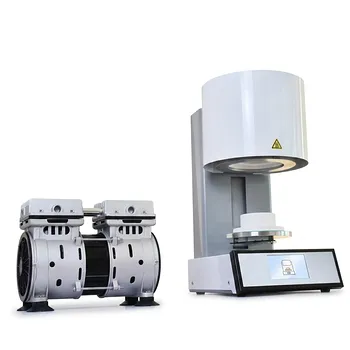
Vacuum Dental Porcelain Sintering Furnace for High Precision Ceramic Restorations
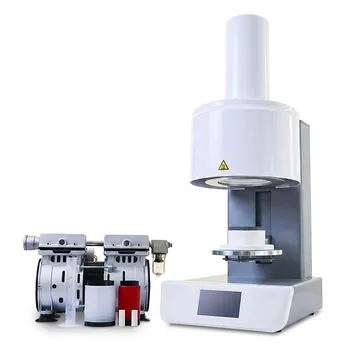
Dental Porcelain Zirconia Sintering Ceramic Vacuum Press Furnace
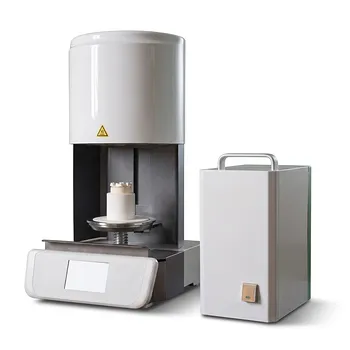
Dental Porcelain Zirconia Sintering Ceramic Furnace Chairside with Transformer
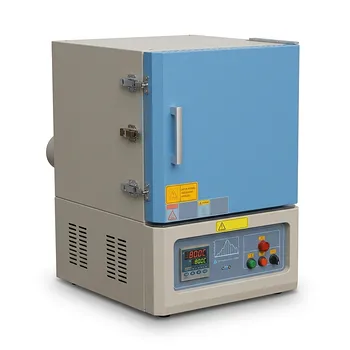
1800C Bench Top Muffle Furnace 18 Liters with Kanthal Super 1900 Heating Elements for High Purity Ceramic Sintering and Material Research
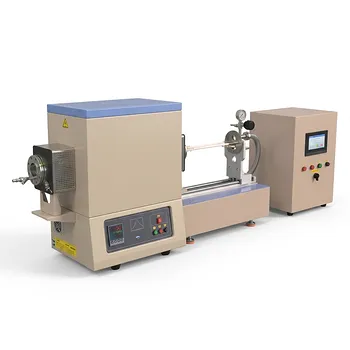
High Temperature Horizontal Electrical Assisted Sintering Furnace with 3KW Programmable Power Source for Advanced Ceramic Materials
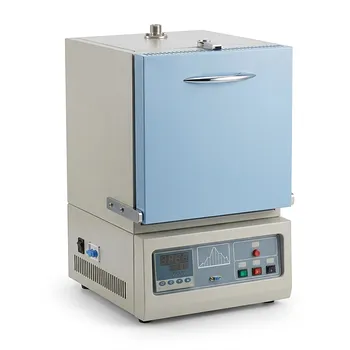
1750C Compact Muffle Furnace 1.7L Ultra High Temperature Laboratory Sintering System for Advanced Ceramics and Material Science Research
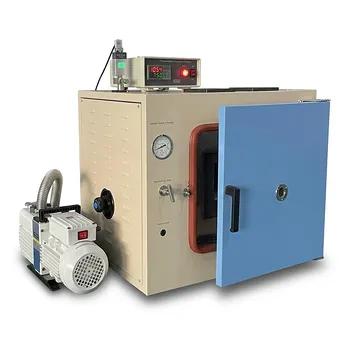
Compact High Vacuum Box Furnace 1050C Max 6.2L Ceramic Chamber Stainless Steel Shell Programmable Temperature Controller for Material Science Research
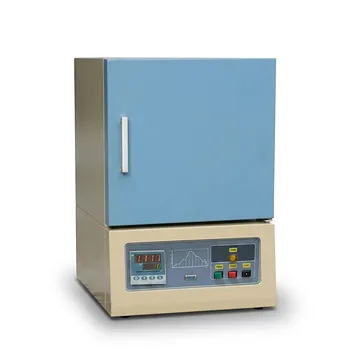
Ultra High Temperature Bench Top Muffle Furnace 1750C Sintering System with Kanthal Super Heating Elements and Precision Digital Control
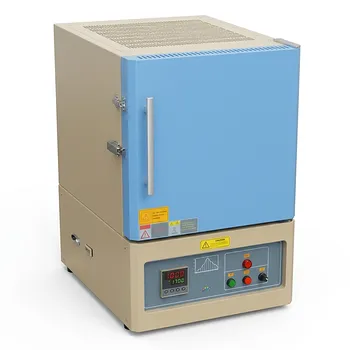
Large Bench Top 1700C High Temperature Muffle Furnace with 19L Chamber for Advanced Material Sintering and Annealing
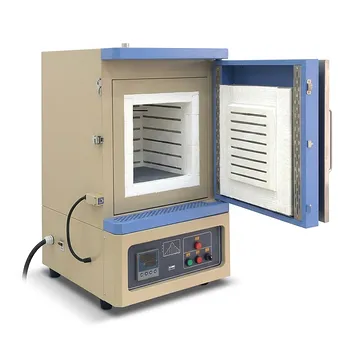
Five Side Heating Muffle Furnace High Purity Alumina Fiber 27L Chamber 1200C High Temperature Thermal Processing System for Sintering Annealing and Materials Research

High Temperature 1700C Vertical Tube Furnace for Powder Spherification and Material Sintering
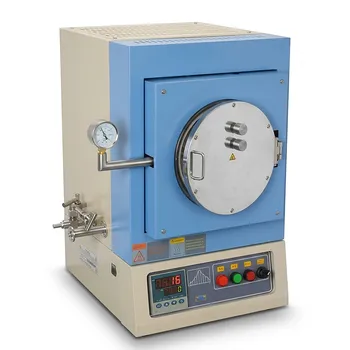
1100°C High Temperature Quartz Chamber Furnace 8 Inch OD with 7.6 Liter Capacity and Vacuum Atmosphere Capability
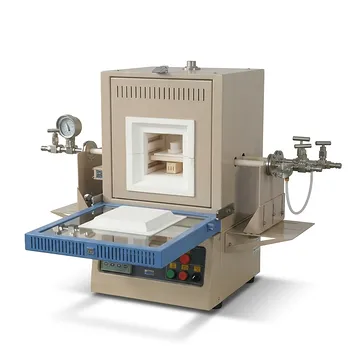
1700C Compact Hybrid Furnace with Dual Layer Box Sintering and Controlled Atmosphere Alumina Tubes
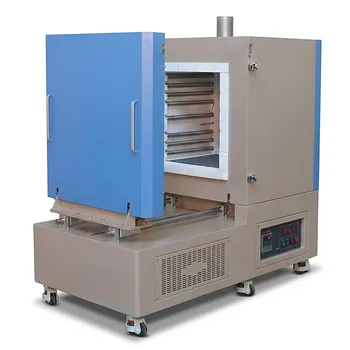
1200C Five Side Heating Muffle Furnace with Sliding Door 125L Volume High Temperature Heat Treatment System for Large Scale Sintering and Annealing
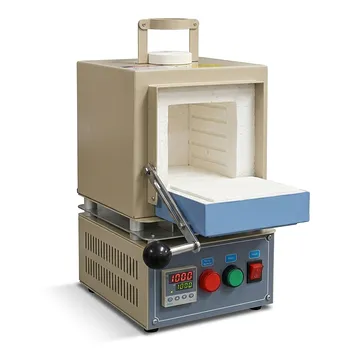
Compact 1000C Muffle Furnace with Programmable Controller and 2 Inch Top Port for Vacuum and Atmosphere Material Research
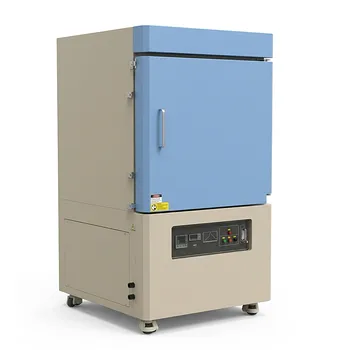
Industrial Large Box Furnace 1700C 216L High Temp Muffle Sintering System
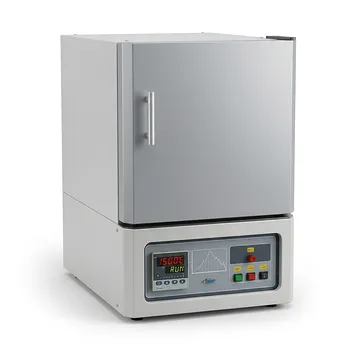
High Temperature 1500C Benchtop Muffle Furnace 3.6L Alumina Fiber Chamber Programmable Controller Sintering Annealing Carbonization Thermal Processing System
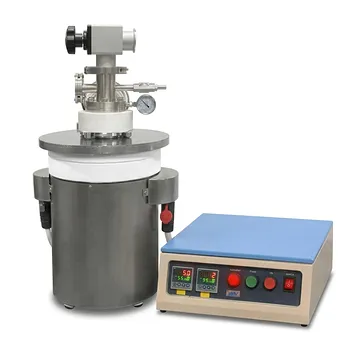
1100C High Temperature Vacuum Crucible Furnace with Quartz Chamber for Thermal Processing and Sintering
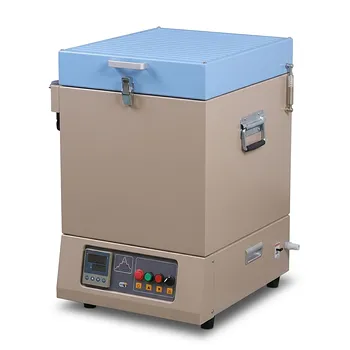
High Temperature Vertical Crucible Furnace with 22L Heating Chamber and 1200C Maximum Temperature