Why are alumina crucibles selected for melting Al-Si alloys? Achieve High Purity and Precise Thermal Control
Updated 3 months ago
Alumina crucibles are the preferred choice for processing aluminum-silicon (Al-Si) alloys due to their exceptional chemical inertness and high thermal conductivity. These properties ensure that the alloy remains free from metallic contamination while allowing researchers to maintain precise control over the temperature gradients required for uniform solidification.
Core Takeaway: Alumina crucibles provide a chemically stable environment that prevents impurities from leaching into the melt, while their thermal properties enable the precise environmental control necessary for high-fidelity metallurgical research and production.
Ensuring Chemical Purity and Melt Integrity
Resistance to Molten Aluminum Corrosion
High-purity alumina (Al₂O₃) exhibits extraordinary resistance to the corrosive nature of molten aluminum. Unlike other materials that might dissolve or react at melting temperatures (approximately 620°C and above), alumina remains stable, preventing the introduction of unwanted elements into the Al-Si matrix.
Prevention of Impurity Leaching
The chemical inertness of alumina is critical for maintaining the specific proportions of silicon and magnesium in alloys like AlSi10Mg. By acting as a non-reactive barrier, the crucible ensures that the final solidified sample accurately reflects the intended chemical composition without interference from the container walls.
Stability in Vacuum and High-Temperature Environments
Alumina possesses low permeability, which is vital for maintaining the stability of vacuum systems during melting. This characteristic prevents gas evolution from the crucible itself, minimizing the risk of oxygen contamination or internal porosity within the alloy sample.
Precision in Solidification and Thermal Management
Thermal Conductivity and Gradient Control
One of the distinct advantages of alumina is its good thermal conductivity. This property allows for the precise management of temperature gradients within the sample, which is essential for studying the kinetics of solidification and achieving a specific microstructural grain size.
Structural Integrity at Extreme Temperatures
Alumina crucibles maintain their mechanical strength even at ultra-high temperatures reaching up to 1720°C. This thermal stability ensures that the container does not deform or fail during the melting of high-melting-point additives or during prolonged solidification cycles.
Resistance to Erosion and Infiltration
The dense structure of high-purity alumina prevents the "infiltration" of the melt into the crucible walls. This resistance to erosion ensures that the diffusion interface between different alloy components remains clean, providing reliable data for kinetic and thermodynamic studies.
Understanding the Trade-offs and Limitations
Brittleness and Thermal Shock
While alumina is thermally stable, it is a ceramic and remains susceptible to thermal shock. Rapid heating or cooling can lead to cracking; therefore, temperature changes must be managed carefully to preserve the crucible’s life.
Comparison with Graphite
For alloys with extremely high silicon content (such as Al-30Si or Al-50Si), high-purity graphite is sometimes used due to its specific stability at temperatures above 1100°C. However, for standard Al-Si processing, alumina is often favored for its superior resistance to oxidation in various atmospheric conditions.
Cost vs. Purity
High-purity alumina is more expensive than lower-grade refractories. However, using lower-purity containers often introduces iron or silica impurities, which can drastically alter the mechanical properties of the aluminum-silicon alloy, rendering the experiment or product invalid.
How to Select a Container for Your Melt
Choosing the right container depends on your specific alloy composition and the required precision of your data.
- If your primary focus is alloy purity: Use high-purity (99.9%+) alumina crucibles to eliminate the risk of metallic or oxygen contamination.
- If your primary focus is solidification kinetics: Select alumina for its superior thermal conductivity, which allows for more accurate control of the cooling rate.
- If your primary focus is ultra-high silicon alloys (above 30% Si): Consider evaluating high-purity graphite if processing temperatures consistently exceed 1100°C in a non-oxidizing atmosphere.
- If your primary focus is vacuum stability: Stick with alumina due to its low permeability and minimal outgassing characteristics.
By prioritizing chemical inertness and thermal predictability, alumina crucibles serve as the gold standard for high-temperature aluminum-silicon metallurgy.
Summary Table:
| Key Feature | Advantage for Al-Si Alloys | Impact on Research Quality |
|---|---|---|
| Chemical Inertness | Prevents corrosion and impurity leaching | Ensures precise alloy composition |
| Thermal Conductivity | Enables precise gradient management | Controlled solidification kinetics |
| Thermal Stability | Mechanical strength up to 1720°C | Safe high-temperature processing |
| Low Permeability | Minimal outgassing in vacuum | High-fidelity sample integrity |
Elevate Your Metallurgical Research with THERMUNITS
As a leading manufacturer of high-temperature laboratory equipment for material science, THERMUNITS provides the thermal precision required for advanced R&D. Whether you are processing aluminum-silicon alloys or developing new composites, our comprehensive range of solutions—including Muffle, Vacuum, Atmosphere, Tube, and Rotary furnaces, as well as CVD/PECVD systems, Dental Furnaces, and Thermal Elements—ensures reliable and repeatable results.
Our Value to Your Laboratory:
- Superior Purity: Equipment designed to prevent contamination in sensitive heat treatments.
- Precision Control: Advanced thermal management for accurate solidification studies.
- Industrial Durability: Robust systems built for demanding industrial R&D environments.
Ready to optimize your heat treatment workflow? Contact our experts today to find the perfect thermal solution!
References
- Éva Kócsák, Zsolt Veres. Effect of the solidification front velocity on the microstructure of the eutectic in a hypereutectic Al-Si alloy. DOI: 10.35925/j.multi.2024.3.8
Mentioned Products
- 1100C Crucible Melting Furnace with Stirring Function for Glovebox and Air Sensitive Alloy Research
- Automatic 10 Crucible Induction Melting and Casting System with Stirring Function and Glovebox Integration 2000C
- 600°C Vertical Crucible Furnace with SS316 Alloy Reactor and 6 Port Vacuum Flange
- Compact Crucible Melting Furnace 1100C Programmable Temperature Controller Metal Sintering Equipment
- High Temperature Vertical Hybrid Furnace with Alumina Tube and SiC Heating for SOFC Coin Cell Testing and Atmosphere Processing
People Also Ask
- Why are internal getters such as Titanium used during the synthesis of oxygen-sensitive materials in a melting furnace?
- How should the choice between a Quartz crucible and an Alumina crucible be made for La2O2S? Optimize Material Purity
- What technical capabilities must a high-temperature furnace possess for 1100°C HEA annealing? Precision & Stability.
- Why use ceramic crucibles for coal nano-hybrid heat treatment? Ensure Purity and Thermal Stability.
- Alumina Plates in Polymer Carbonization: Ensure Flatness and Suppress Shrinkage

Tech Team · ThermUnits
Last updated on Jun 02, 2026
Related Products
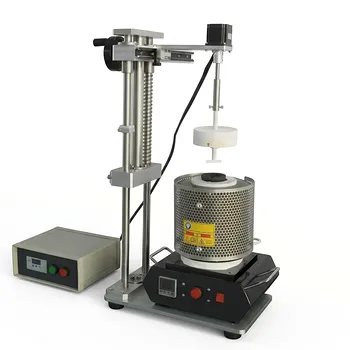
1100C Crucible Melting Furnace with Stirring Function for Glovebox and Air Sensitive Alloy Research
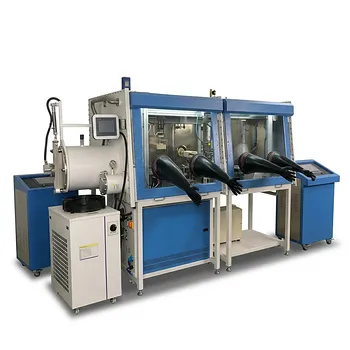
Automatic 10 Crucible Induction Melting and Casting System with Stirring Function and Glovebox Integration 2000C
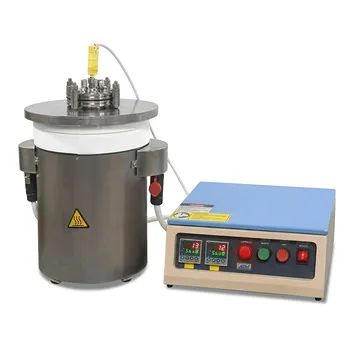
600°C Vertical Crucible Furnace with SS316 Alloy Reactor and 6 Port Vacuum Flange
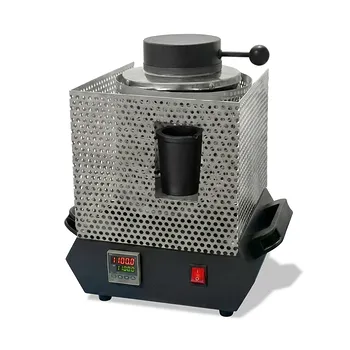
Compact Crucible Melting Furnace 1100C Programmable Temperature Controller Metal Sintering Equipment
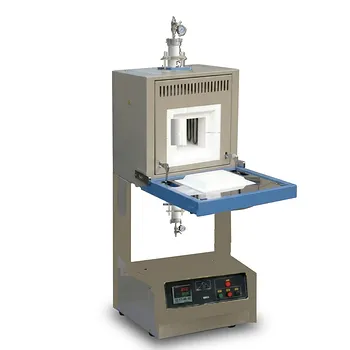
High Temperature Vertical Hybrid Furnace with Alumina Tube and SiC Heating for SOFC Coin Cell Testing and Atmosphere Processing
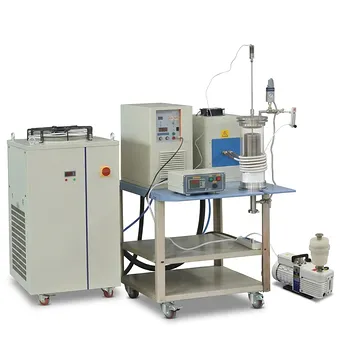
High Temperature Induction Melting System with Multi Cavity Crucible and 15KW Precision Digital Temperature Control
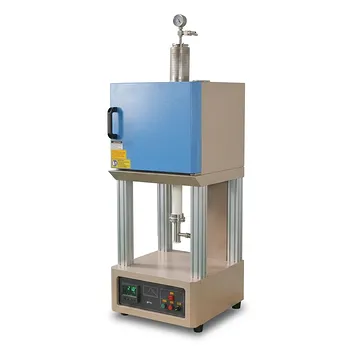
Hybrid High Temperature Tube and Box Furnace 1700C with 2 Inch Alumina Tube for Material Research
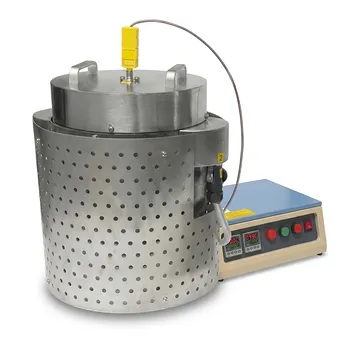
Vertical Crucible Furnace 1000C High Temperature Laboratory Equipment 4.7 Inch Diameter Chamber SS316 Anti Corrosive Enclosure
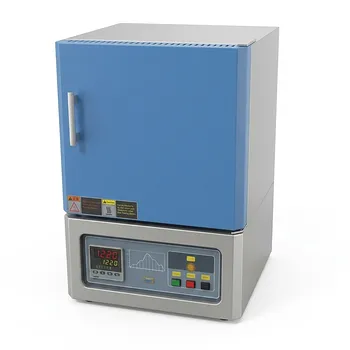
High Temperature Benchtop Muffle Furnace 1700C 10L Chamber Alumina Fiber Insulation MoSi2 Heating Elements

Compact High Temperature 1600C Tube Furnace with 50mm Alumina Tube and Vacuum Flanges for Material Sintering

1800C High Temperature Compact Vacuum Tube Furnace with 60mm OD Alumina Tube and Kanthal MoSi2 Heating Elements
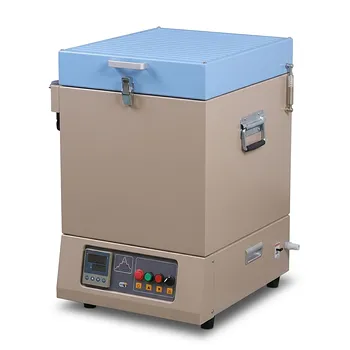
High Temperature Vertical Crucible Furnace with 22L Heating Chamber and 1200C Maximum Temperature
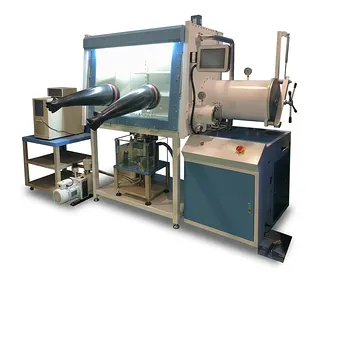
High Temperature Induction Melting System with Integrated Ultra High Purity Glove Box for Metallic Alloy Processing
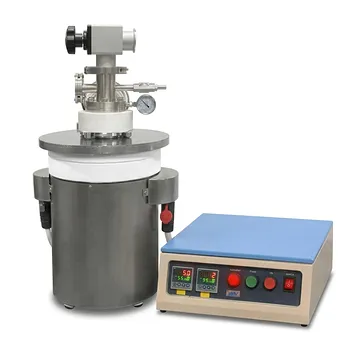
1100C High Temperature Vacuum Crucible Furnace with Quartz Chamber for Thermal Processing and Sintering
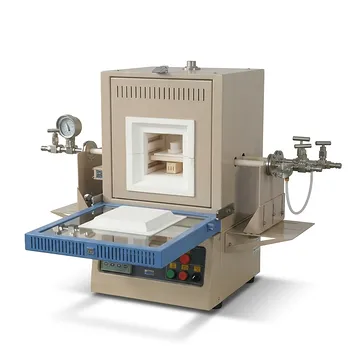
1700C Compact Hybrid Furnace with Dual Layer Box Sintering and Controlled Atmosphere Alumina Tubes
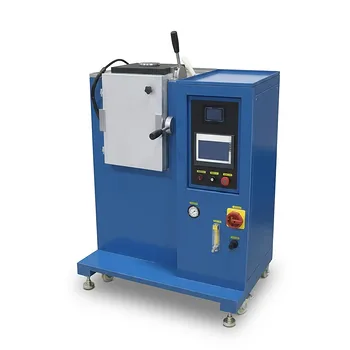
High Throughput Induction Melting and Casting Furnace for Superalloy Research 1700C Atmosphere Controlled Multi Sample System
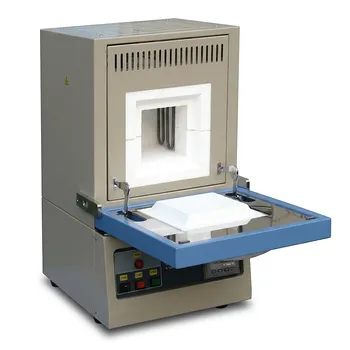
High Temperature 1800C Compact Muffle Furnace with Kanthal Super 1900 Heating Elements and 1.7L Alumina Chamber