How does a high-temperature box furnace contribute to the fabrication of nickelate targets for PLD? Key Roles & Tips
Updated 3 months ago
The high-temperature box furnace is the critical tool for driving the solid-state reactions and densification processes required to transform raw powders into high-purity nickelate targets. By providing a highly controlled and uniform thermal field, the furnace enables multi-stage heating processes—such as decarburization at 1200°C and sintering at 1300°C—that ensure precursors like Pr2O3, NiO, and SrCO3 react completely. This thermal precision is what allows the fabrication of the high-density ceramic targets essential for successful Pulsed Laser Deposition (PLD).
Core Takeaway: A high-temperature box furnace acts as a chemical reactor that converts loose powder mixtures into solid, phase-pure ceramic targets. It achieves this through precise temperature stages that handle everything from precursor decomposition to the final sintering required for PLD-grade density.
Facilitating the Solid-State Reaction
Phase Transformation and Chemical Purity
The primary role of the box furnace is to provide the energy necessary for solid-state diffusion. At temperatures like 1200°C and 1300°C, individual atoms in the raw powders (such as nickel oxide and rare-earth oxides) migrate across grain boundaries to form new, complex nickelate structures.
This controlled environment ensures that the precursors react completely. Without this high-temperature soak, the resulting target would contain unreacted residues, which would contaminate the thin films grown during the PLD process.
Multi-Stage Thermal Processing
The furnace allows for a programmed, multi-step heating profile. For example, a decarburization stage at 1200°C is often used to remove carbon-based binders or carbonates (like SrCO3), preventing gas pockets from forming in the final target.
Following decarburization, the temperature is typically raised for a sintering stage at 1300°C. This specific sequence is vital for moving from a chemically uniform powder to a structurally sound ceramic block.
Achieving High Density and Microstructural Control
The Impact of Target Density on PLD
For Pulsed Laser Deposition, the density of the ceramic target is paramount. A low-density target will "pit" or erode unevenly under the laser's energy, leading to particulate ejection and poor film quality.
The box furnace provides the uniform thermal field required to drive out porosity. This results in a high-density ceramic target that can withstand the intense energy of a pulsed laser without fracturing or degrading.
Precursor Decomposition and Uniformity
In earlier stages of preparation, furnaces are used at lower temperatures (around 400°C) to facilitate the decomposition of nitrates and citrates. This ensures that the oxide pre-powders are chemically uniform before the final high-temperature sintering.
Uniformity at the microscopic level prevents "hot spots" in the target. This consistency is what allows for the reproducible growth of high-quality nickelate thin films.
Advanced Analysis and Defect Visualization
Dislocation Anchoring through Annealing
The box furnace also serves a diagnostic purpose in nickelate research. By annealing polished samples at 900°C in an air atmosphere, researchers can induce the oxidative precipitation of specific elements, such as iron, along dislocation lines.
Quantitative Measurement of Quality
This process transforms invisible structural defects into iron oxide microcrystals that can be seen under an electron microscope. By visualizing these defects, engineers can quantitatively measure dislocation density, providing a feedback loop to improve the target fabrication process.
Understanding the Trade-offs and Pitfalls
Temperature Gradients and Thermal Shock
While high temperatures are necessary, rapid heating or cooling within the box furnace can lead to thermal shock. This can cause the ceramic target to crack, rendering it useless for the PLD vacuum chamber.
Atmospheric Contamination
The atmosphere inside the furnace (usually air) must be carefully considered. If the nickelate material is sensitive to oxygen stoichiometry, an uncontrolled atmosphere during the cooling phase could alter the target's electrical or magnetic properties unexpectedly.
Crucible Interactions
At temperatures exceeding 1200°C, the choice of the container (crucible) becomes a potential source of impurity diffusion. Elements from the crucible can migrate into the nickelate target, subtly changing its chemical signature.
Applying Furnace Technology to Your Project
Recommendations for Targeted Outcomes
- If your primary focus is phase purity: Prioritize a multi-stage heating profile that includes a dedicated decarburization soak to ensure all carbonates and organics are fully removed before the final sintering.
- If your primary focus is target longevity in PLD: Focus on the sintering duration and temperature (e.g., 1300°C) to maximize the density of the ceramic, which prevents target "pitting" under the laser.
- If your primary focus is defect analysis: Utilize a 900°C annealing step in an oxidative atmosphere to anchor dislocations, allowing for clear visualization and density measurement of structural flaws.
The high-temperature box furnace is not merely a heater, but the foundational instrument that determines the chemical integrity and physical durability of the nickelate targets used in advanced thin-film research.
Summary Table:
| Process Stage | Typical Temperature | Primary Purpose |
|---|---|---|
| Pre-powder Prep | ~400°C | Decomposition of nitrates and citrates |
| Decarburization | 1200°C | Removal of binders/carbonates for purity |
| Sintering | 1300°C | High-density densification to prevent PLD pitting |
| Annealing | 900°C | Dislocation anchoring for defect visualization |
| Cooling | Programmed | Preventing thermal shock and cracking |
Elevate Your Material Research with THERMUNITS
Need precise thermal control for high-density target fabrication? THERMUNITS is a leading manufacturer of high-temperature laboratory equipment for material science and industrial R&D. We provide the reliable, uniform heating environments essential for complex processes like nickelate sintering and solid-state diffusion.
Our comprehensive range includes:
- Muffle & Box Furnaces (Ideal for PLD target sintering)
- Vacuum & Atmosphere Furnaces (For sensitive stoichiometry control)
- Tube, Rotary, & CVD/PECVD Systems
- Hot Press & Dental Furnaces
Whether you are scaling up industrial production or conducting advanced defect analysis, our expertise ensures your lab achieves superior heat treatment results. Contact us today to find the perfect solution for your R&D needs!
References
- Araceli Gutiérrez‐Llorente, Lucía Iglesias. Toward Reliable Synthesis of Superconducting Infinite Layer Nickelate Thin Films by Topochemical Reduction. DOI: 10.1002/advs.202309092
Mentioned Products
- High Temperature 1700℃ Eight Chamber Box Furnace with Automatic Doors for Autonomous Material Research and High Throughput Heat Treatment
- 1650C High Temperature Atmosphere Controlled Box Furnace with 65L Chamber for Advanced Material Sintering and Industrial Heat Treatment
- High Temperature Four Chamber Box Furnace for High Throughput Materials Research and Space Saving Thermal Processing
- 1700C Box Furnace with Sliding Platform for Rapid Heating and Cooling High Temperature Thermal Processing System
- 1200°C Five Side Heating Atmosphere Controlled Muffle Furnace 64 Liter High Uniformity Box Furnace for Material Synthesis
People Also Ask
- What is the role of a high-temperature box furnace in the solid-state synthesis of Europium-doped M3MgSi2O8 phosphors?
- What is the role of a high-temperature box furnace in Na3MnZr(PO4)3 synthesis? Engineering High-Performance NASICON.
- Why is a high-temperature box furnace required for 1250°C ferrite calcination? Ensure Precise Phase Transformation.
- How does a high-temp box furnace aid rare-earth oxysulfide phosphor synthesis? Enhance Purity & Luminescence
- What role does an industrial-grade high-temperature furnace play in C2F sintering? Achieve Pure Phase and High Strength

Tech Team · ThermUnits
Last updated on Jun 03, 2026
Related Products
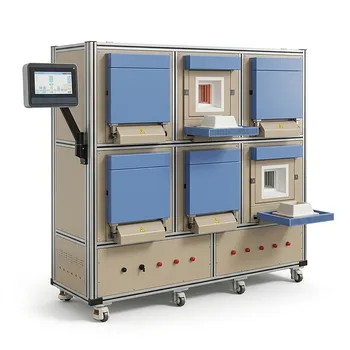
High Temperature 1700℃ Eight Chamber Box Furnace with Automatic Doors for Autonomous Material Research and High Throughput Heat Treatment
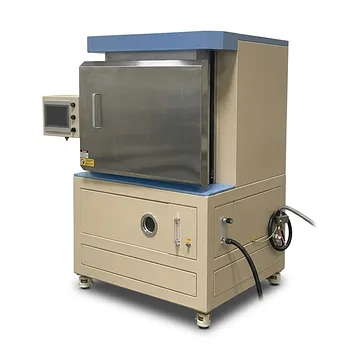
1650C High Temperature Atmosphere Controlled Box Furnace with 65L Chamber for Advanced Material Sintering and Industrial Heat Treatment
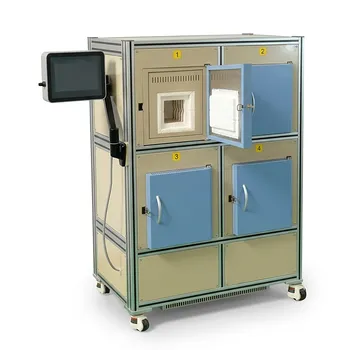
High Temperature Four Chamber Box Furnace for High Throughput Materials Research and Space Saving Thermal Processing
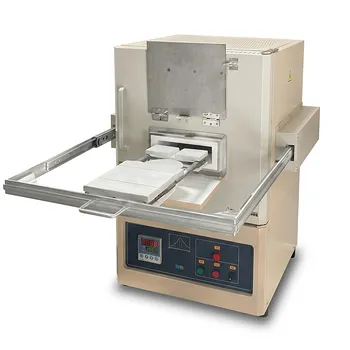
1700C Box Furnace with Sliding Platform for Rapid Heating and Cooling High Temperature Thermal Processing System
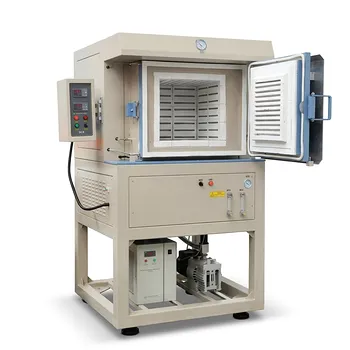
1200°C Five Side Heating Atmosphere Controlled Muffle Furnace 64 Liter High Uniformity Box Furnace for Material Synthesis
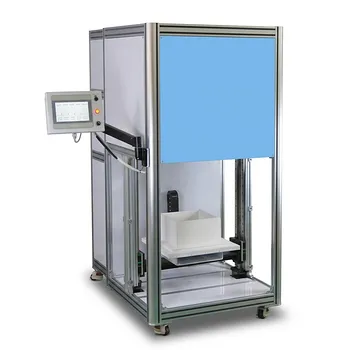
High Temperature 1600°C Three Zone Heated Bottom Loading Box Furnace with Rapid Thermal Processing Chamber 72L Volume
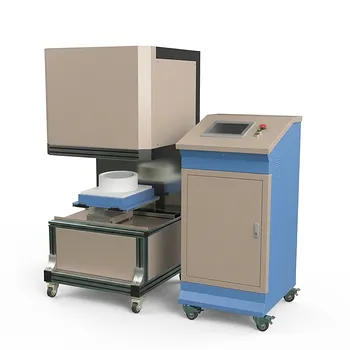
High Temperature Bottom Loading Box Furnace for Rapid Thermal Processing 1700C 40L Capacity
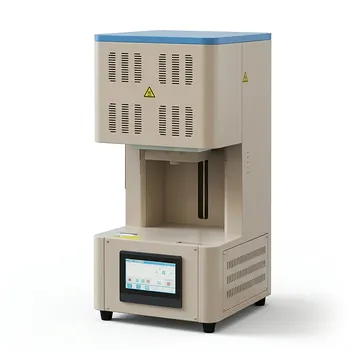
Automated 1700C High Temperature Bottom Loading Box Furnace with PC Software Control and Robotic Integration Capability
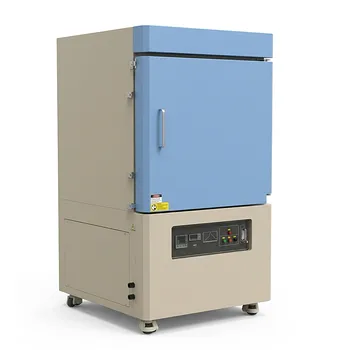
Industrial Large Box Furnace 1700C 216L High Temp Muffle Sintering System
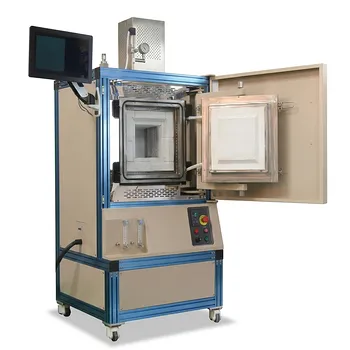
High Temperature Hydrogen Atmosphere Box Furnace 1650C Max Reducing Environment Material Synthesis System 8x8x8 Chamber
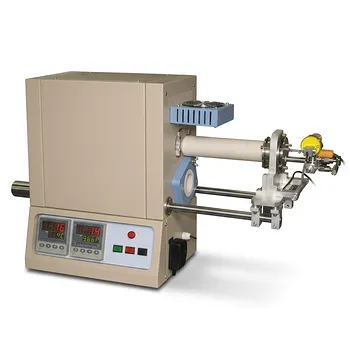
High Temperature Tube Furnace 1500C with Sliding Flanges and 50mm OD for Rapid Thermal Processing Fast Heating and Cooling
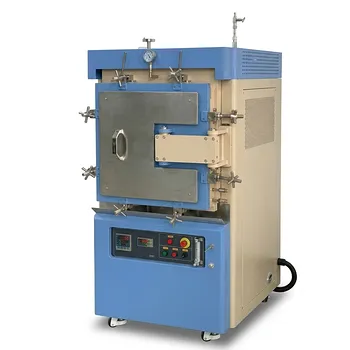
High Temperature Economic Hydrogen Gas Box Furnace 1600C Atmosphere Controlled Thermal Processing System 65L Capacity
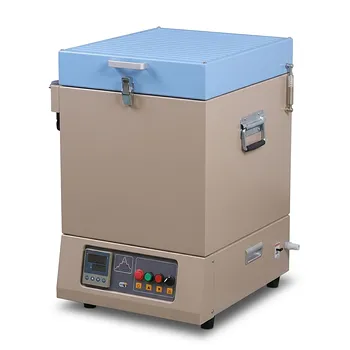
High Temperature Vertical Crucible Furnace with 22L Heating Chamber and 1200C Maximum Temperature
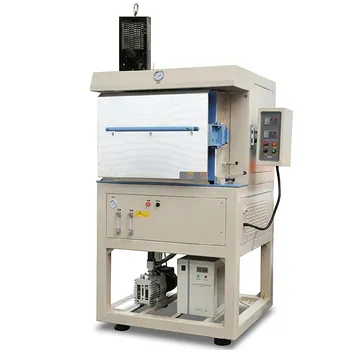
1200C Hydrogen Atmosphere Box Furnace with 5 Heated Sides and 64L Chamber
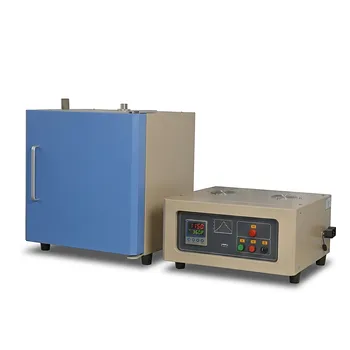
High Temperature Muffle Furnace with Alloy Chamber for Debinding and Sintering Applications
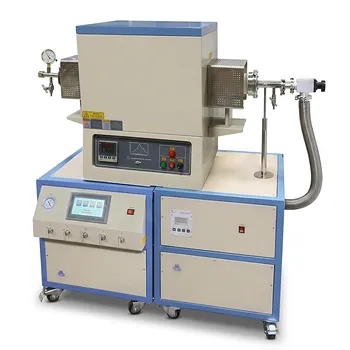
High Temperature 1700C Tube Furnace with High Vacuum Turbomolecular Pump System and Multi Channel Mass Flow Controller Gas Mixer
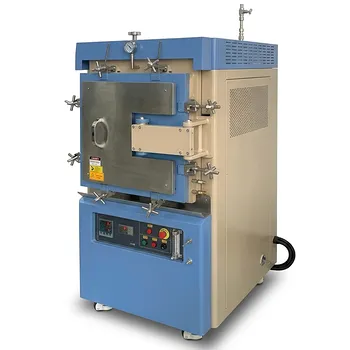
Atmosphere Controlled Muffle Furnace 1700C Maximum Temperature 80L High Capacity Vacuum Inert Gas Box Furnace
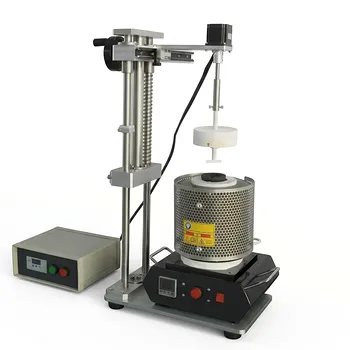
1100C Crucible Melting Furnace with Stirring Function for Glovebox and Air Sensitive Alloy Research
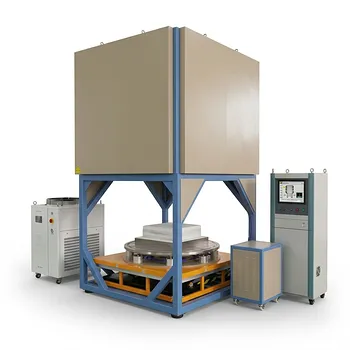
Bottom Loaded Inert Gas Atmosphere Box Furnace 1700C 1300C 216L Large Capacity Industrial Thermal Processing System