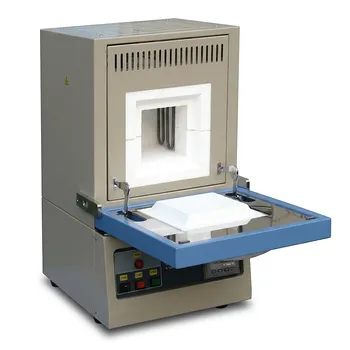
Why are high-purity alumina crucibles ideal for g-C3N4 synthesis? Optimize Your High-Temperature Material Research
Updated 3 months ago
High-purity alumina crucibles provide the chemical inertness and thermal stability required to synthesize high-quality graphitic carbon nitride (g-C3N4) without contamination. These vessels remain non-reactive during the high-temperature (typically 550°C) thermal polycondensation of precursors like melamine, urea, or dicyandiamide. By preventing chemical interference and material degradation, they ensure the final semiconductor maintains the precise crystalline structure and electronic properties necessary for efficient photocatalysis.
High-purity alumina is the gold standard for g-C3N4 synthesis because it acts as a passive vessel, preventing metal impurity leaching that would degrade photocatalytic performance. Furthermore, it enables the creation of a stable, pressurized microenvironment essential for the complete polymerization of nitrogen-containing precursors.
Maintaining Chemical Purity and Electronic Integrity
Preventing Impurity Leaching
High-purity alumina (Al₂O₃) is exceptionally chemically inert, meaning it does not react with melamine or other organic precursors during calcination. If a lower-quality material were used, trace metal impurities could leach into the g-C3N4 lattice.
These impurities act as recombination centers for photo-generated charge carriers. When these centers are present, the electrons and holes recombine prematurely, significantly reducing the material's photocatalytic efficiency.
Resistance to Corrosive Byproducts
The thermal polycondensation process releases gaseous byproducts, most notably ammonia (NH₃). Alumina crucibles are highly resistant to these alkaline vapors even at elevated temperatures.
This resistance ensures that the crucible does not degrade over time. It also prevents the introduction of container debris into the sample, which would compromise the precise chemical composition of the final product.
Thermal Dynamics and Structural Stability
Uniform Heating for Crystalline Perfection
Alumina possesses superior thermal conductivity, which is critical for the uniform heating of precursor powders. Uneven temperature distribution can lead to incomplete polycondensation or the formation of amorphous phases.
Uniform heat transfer ensures that the entire batch of precursor reaches the required synthesis temperature (typically 550°C or 823 K) simultaneously. This results in a g-C3N4 product with high crystalline stability and consistent morphological properties.
Mechanical Strength and Thermal Shock Resistance
The synthesis of g-C3N4 often involves long thermal cycles and relatively rapid cooling phases. High-purity alumina is selected for its ability to withstand severe thermal shock without cracking.
The physical strength of the crucible ensures it remains a stable physical carrier throughout the synthesis. This durability makes it a cost-effective and reliable choice for repeatable laboratory experiments.
Optimizing Yield via Microenvironment Control
The Role of the Semi-Closed System
Using a covered alumina crucible is essential for creating a semi-closed reaction microenvironment. The lid allows the reaction to occur under a stable internal atmosphere while preventing the precursor from escaping.
Melamine and other precursors are prone to volatilization loss at high temperatures. The lid effectively minimizes these losses, significantly improving the overall reaction yield.
Pressure and Vapor Management
The microenvironment created by the crucible helps maintain the necessary vapor pressure of intermediate products. This pressure is vital for driving the polycondensation reaction to completion under static air conditions.
By containing high-pressure vapors, the alumina vessel ensures that the nitrogen-containing fragments assemble correctly. This is the primary mechanism for producing a g-C3N4 polymer with a complete crystalline structure.
Understanding the Trade-offs
Material Limitations and Costs
While alumina is ideal, it is more brittle than stainless steel and more expensive than standard ceramic or porcelain. Users must handle these crucibles with care to avoid mechanical breakage.
The Definition of "High Purity"
The term "high-purity" is critical; lower-grade alumina may contain silica or iron oxides as binders. At 550°C, these impurities can become mobile enough to enter the reaction phase, negating the benefits of using alumina in the first place.
How to Apply This to Your Project
Recommendations for g-C3N4 Synthesis
The choice of vessel is as important as the precursor itself when aiming for high-performance materials.
- If your primary focus is maximum photocatalytic activity: Always use 99% or higher purity alumina crucibles to prevent charge-carrier recombination caused by trace metal leaching.
- If your primary focus is high product yield: Ensure the crucible has a well-fitting lid to create the pressurized microenvironment necessary to minimize precursor volatilization.
- If your primary focus is structural characterization: Utilize alumina's high thermal conductivity to ensure the precursor is heated uniformly, leading to a more homogenous and crystalline powder.
By prioritizing the chemical passivity and thermal stability of alumina, researchers can ensure their synthesized graphitic carbon nitride meets the rigorous standards required for modern optoelectronic applications.
Summary Table:
| Key Property | Role in g-C3N4 Synthesis | Benefit to Research |
|---|---|---|
| Chemical Inertness | Prevents metal leaching & impurity centers | High photocatalytic efficiency & purity |
| Thermal Conductivity | Ensures uniform precursor heating | Consistent crystalline structure & homogeneity |
| Corrosion Resistance | Resists alkaline ammonia (NH₃) vapors | No container debris; long-lasting durability |
| Microenvironment Control | Semi-closed system with lid | Minimizes volatilization loss; increases yield |
Achieve Precision in Your Research with THERMUNITS
As a leading manufacturer of high-temperature laboratory equipment for material science and industrial R&D, THERMUNITS provides the specialized tools necessary for advanced synthesis. We offer a comprehensive range of thermal processing solutions, including Muffle, Vacuum, Atmosphere, Tube, Rotary, and Hot Press furnaces, CVD/PECVD systems, Dental Furnaces, Electric Rotary Kilns, and Vacuum Induction Melting (VIM) furnaces.
Don't let impurities compromise your results. Enhance your laboratory's efficiency and ensure high-purity outcomes with our expert heat treatment equipment. Contact us today to discuss your project requirements!
References
- Ji Wu, Guohui Song. Carbon dots prepared from waste wood and residual adhesive and their use as catalysts for hydrogen production. DOI: 10.15376/biores.19.2.2417-2435
Mentioned Products
- High Temperature 1700C Benchtop Tube Furnace with 5 Inch Heating Zone High Purity Alumina Tube and Vacuum Sealing Flanges
- Vertical Crucible Furnace 1000C High Temperature Laboratory Equipment 4.7 Inch Diameter Chamber SS316 Anti Corrosive Enclosure
- 600°C Vertical Crucible Furnace with SS316 Alloy Reactor and 6 Port Vacuum Flange
- 1100C High Temperature Vacuum Crucible Furnace with Quartz Chamber for Thermal Processing and Sintering
- High Temperature Vertical Atmosphere Controlled Furnace with Automatic Bottom Loading and 1700°C Capacity for Advanced Material Research
People Also Ask
- How are high-temperature tube furnaces utilized to repair etching damage? Precision Lattice Restoration Solutions
- What is the function of a high-temperature tube furnace in the synthesis of g-C3N4? Optimize Thermal Polycondensation
- What is the role of a high-temperature tube furnace in the calcination process of ZnO/In2O3 nanocomposites?
- What impact does the heating rate of a tube furnace have on biochar microstructure? Optimize Your Material R&D.
- Conditions for nZVI Synthesis in Tube Furnaces? Learn to Optimize Thermal and Atmospheric Control for High Purity.

Tech Team · ThermUnits
Last updated on Jun 03, 2026
Related Products

High Temperature 1700C Benchtop Tube Furnace with 5 Inch Heating Zone High Purity Alumina Tube and Vacuum Sealing Flanges
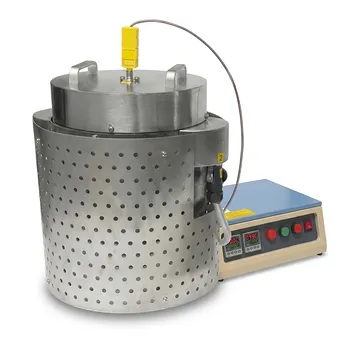
Vertical Crucible Furnace 1000C High Temperature Laboratory Equipment 4.7 Inch Diameter Chamber SS316 Anti Corrosive Enclosure
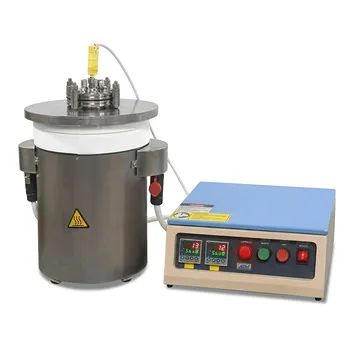
600°C Vertical Crucible Furnace with SS316 Alloy Reactor and 6 Port Vacuum Flange
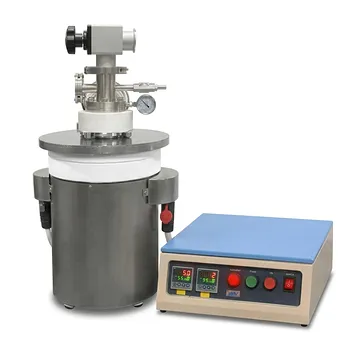
1100C High Temperature Vacuum Crucible Furnace with Quartz Chamber for Thermal Processing and Sintering
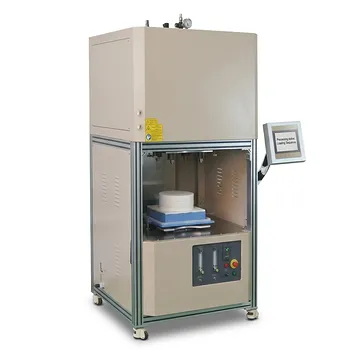
High Temperature Vertical Atmosphere Controlled Furnace with Automatic Bottom Loading and 1700°C Capacity for Advanced Material Research

Compact High Temperature 1600C Tube Furnace with 50mm Alumina Tube and Vacuum Flanges for Material Sintering
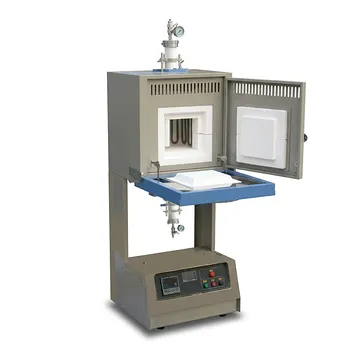
Vertical Hybrid High Temperature Furnace 1500C Alumina Tube SOFC Fuel Cell Testing Laboratory Heat Treatment Research Equipment
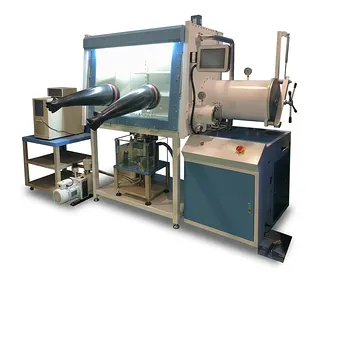
High Temperature Induction Melting System with Integrated Ultra High Purity Glove Box for Metallic Alloy Processing
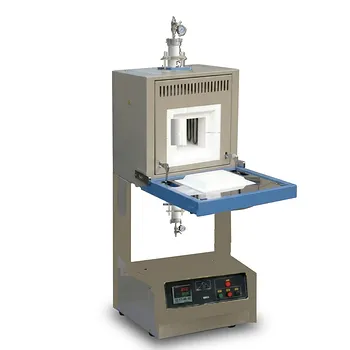
High Temperature Vertical Hybrid Furnace with Alumina Tube and SiC Heating for SOFC Coin Cell Testing and Atmosphere Processing
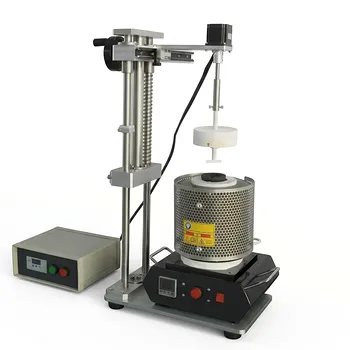
1100C Crucible Melting Furnace with Stirring Function for Glovebox and Air Sensitive Alloy Research
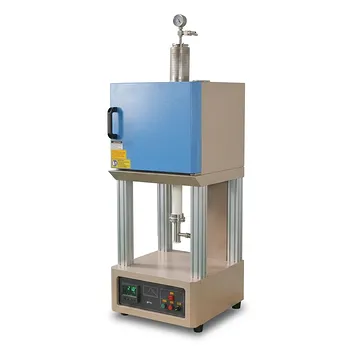
Hybrid High Temperature Tube and Box Furnace 1700C with 2 Inch Alumina Tube for Material Research
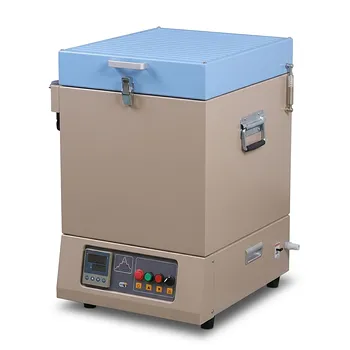
High Temperature Vertical Crucible Furnace with 22L Heating Chamber and 1200C Maximum Temperature
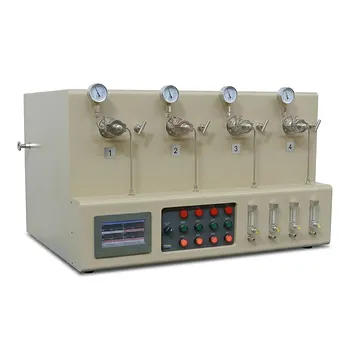
High Temperature 1700C 4 Channel Tube Furnace 1 Inch Alumina Tube for Hi-Throughput Annealing