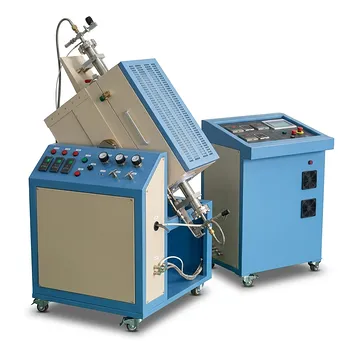
What is the function of a high-temperature tube furnace in the synthesis of g-C3N4? Optimize Thermal Polycondensation
Updated 3 months ago
In the synthesis of graphitic carbon nitride (g-C3N4), a high-temperature tube furnace acts as the primary reaction chamber for thermal polycondensation. It provides a precisely controlled thermal environment, typically maintaining temperatures around 550 °C, to facilitate the chemical transformation of nitrogen-rich precursors into a stable, layered semiconductor framework.
Core Takeaway: The tube furnace enables the precise execution of thermal polymerization, ensuring that precursors like urea or melamine undergo complete deamination and reorganization. This controlled heating is the decisive factor in achieving high crystallinity, stable energy band structures, and the desired photocatalytic activity in the final material.
The Mechanism of Thermal Polycondensation
Driving the Chemical Transformation
The primary function of the furnace is to provide the energy required for pyrolysis and polycondensation. Nitrogen-rich monomers (such as urea, melamine, or dicyandiamide) must lose ammonia and other volatile groups to reorganize into tri-s-triazine (heptazine) units.
Without the stable energy input of the furnace, the precursor would fail to polymerize completely. This would result in an amorphous material with poor electronic properties rather than the desired two-dimensional layered structure.
Managing Precise Heating Ramps
A tube furnace allows for a constant heating rate, often calibrated at approximately 5 °C/min. This slow, steady increase in temperature is critical for controlling the nucleation and growth paths of the g-C3N4 crystals.
Sudden temperature spikes can lead to uneven polymerization or the structural collapse of the material. By maintaining a steady ramp, the furnace ensures that the morphology, such as the formation of nanotubes or nanosheets, remains consistent.
Technical Precision and Material Quality
Ensuring Thermal Uniformity
One of the most significant advantages of a tube furnace is its superior thermal uniformity. Unlike standard heating elements, the enclosed tube design ensures that the precursor sample experiences the same temperature at every point.
This uniformity is essential for producing g-C3N4 with high crystallinity. Variations in temperature within the reaction zone can lead to "hot spots" that cause localized over-decomposition, damaging the stable energy band structure of the semiconductor.
Atmospheric and Process Control
Tube furnaces allow researchers to control the reaction atmosphere, whether it be air, vacuum, or inert gases like nitrogen or argon. This control is vital for preventing unwanted oxidation and for facilitating specific doping processes.
Precise maintenance cycles—such as calcination at 550 °C for 4 hours followed by specific annealing phases—are easily programmed. These cycles ensure the complete conversion of monomers into the final polymerized framework, maximizing the material's photocatalytic performance.
Understanding the Trade-offs
Thermal Inertia and Cooling Rates
While tube furnaces provide excellent stability, they possess significant thermal inertia. This means they take a considerable amount of time to cool down, which can extend the overall synthesis timeline and potentially affect the material if rapid quenching is required.
Scalability vs. Precision
Tube furnaces are optimized for laboratory-scale precision rather than mass production. While they offer the highest level of control over the crystalline structure, the volume of material produced per batch is limited compared to larger industrial kilns or muffle furnaces.
Precursor Sensitivity
Different precursors require different thermal profiles. For example, while 550 °C is a standard benchmark, some precursors like dicyandiamide (DCDA) may require temperatures up to 600 °C for optimal polymerization. Failure to adjust the furnace settings to the specific chemistry of the precursor can result in incomplete reactions.
Optimizing Your Synthesis Process
To achieve the best results in your g-C3N4 synthesis, you must align your furnace parameters with your specific material goals.
- If your primary focus is high crystallinity: Prioritize a slow heating ramp (2–5 °C/min) and a longer dwell time at 550 °C to allow for perfect lattice alignment.
- If your primary focus is specific morphology (e.g., nanotubes): Use the tube furnace to maintain a precise, constant heating rate to control the nucleation paths of the precursors.
- If your primary focus is electronic bandgap tuning: Utilize the tube furnace’s atmospheric control to introduce specific gases or dopants during the polycondensation phase.
By mastering the thermal environment of the tube furnace, you transition from simply "heating" a sample to precisely engineering the molecular architecture of graphitic carbon nitride.
Summary Table:
| Parameter | Function in g-C3N4 Synthesis | Benefit to Material Quality |
|---|---|---|
| Thermal Polycondensation | Provides energy for pyrolysis/reorganization | Converts monomers into stable tri-s-triazine units |
| Precise Heating Ramp | Controls nucleation and growth paths | Ensures consistent morphology (nanotubes/nanosheets) |
| Thermal Uniformity | Eliminates localized hot spots | High crystallinity and stable electronic bandgap |
| Atmospheric Control | Manages gas environment (Inert/Vacuum) | Prevents oxidation and enables precise doping |
Elevate Your Material Research with THERMUNITS
Precision is the foundation of breakthrough material science. THERMUNITS is a leading manufacturer of high-temperature laboratory equipment designed specifically for advanced R&D and industrial applications. Whether you are synthesizing g-C3N4 or developing complex semiconductors, our thermal processing solutions deliver the exact control you need.
Our comprehensive range includes:
- Specialized Furnaces: Tube, Muffle, Vacuum, Atmosphere, Rotary, and Hot Press Furnaces.
- Advanced Systems: CVD/PECVD systems, Vacuum Induction Melting (VIM) furnaces, and Dental Furnaces.
- Components: High-quality Thermal Elements and custom lab heat treatment equipment.
Ready to achieve superior heat treatment for your materials? Contact our technical experts today to find the ideal thermal solution for your laboratory's success!
References
- Xuekai Shan, Qi Xu. Photothermal CO2 Hydrogenation to Methanol over Ni-In2O3/g-C3N4 Heterojunction Catalysts. DOI: 10.3390/catal14110756
Mentioned Products
- High Temperature Tube Furnace 1500C with Sliding Flanges and 50mm OD for Rapid Thermal Processing Fast Heating and Cooling
- High Temperature 1700C Tube Furnace with High Vacuum Turbomolecular Pump System and Multi Channel Mass Flow Controller Gas Mixer
- 1750°C High Temperature Benchtop Vacuum Atmosphere Tube Furnace with Kanthal Super 1800 Heating Elements and 60mm Alumina Processing Tube
- High Temperature 1700C Benchtop Tube Furnace with 5 Inch Heating Zone High Purity Alumina Tube and Vacuum Sealing Flanges
- 1700C High Temperature Alumina Tube Furnace with 18 Inch Heated Zone and Vacuum Sealing Flanges
People Also Ask
- How are high-temperature tube furnaces utilized to repair etching damage? Precision Lattice Restoration Solutions
- What core conditions does a high-temperature tube furnace provide for rGO aerogels? Mastering Precision Synthesis.
- What role does a high-temperature tube furnace play in CVD synthesis of silicon nanowires? Master VLS Growth Precision.
- How does precision tube furnace control influence CoFe nanoparticle formation? Master Your Bimetallic Synthesis.
- What role does a high-temperature tube furnace play in the sulfidation heat treatment of CoS@C/MXene nanocomposites? Guide

Tech Team · ThermUnits
Last updated on Jun 03, 2026
Related Products

High Temperature Tube Furnace 1500C with Sliding Flanges and 50mm OD for Rapid Thermal Processing Fast Heating and Cooling

High Temperature 1700C Tube Furnace with High Vacuum Turbomolecular Pump System and Multi Channel Mass Flow Controller Gas Mixer

1750°C High Temperature Benchtop Vacuum Atmosphere Tube Furnace with Kanthal Super 1800 Heating Elements and 60mm Alumina Processing Tube

High Temperature 1700C Benchtop Tube Furnace with 5 Inch Heating Zone High Purity Alumina Tube and Vacuum Sealing Flanges
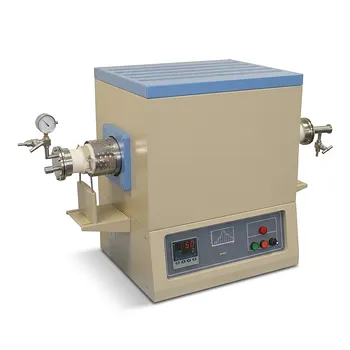
1700C High Temperature Alumina Tube Furnace with 18 Inch Heated Zone and Vacuum Sealing Flanges
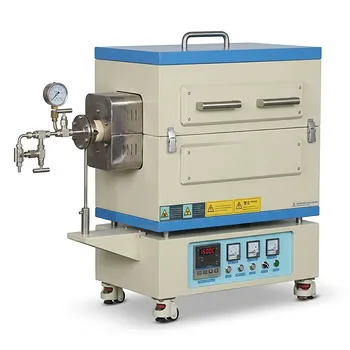
High Temperature Split Tube Furnace 1500C for Material Research Vacuum and Atmosphere Thermal Processing

1800C High Temperature Compact Vacuum Tube Furnace with 60mm OD Alumina Tube and Kanthal MoSi2 Heating Elements

Compact High Temperature 1600C Tube Furnace with 50mm Alumina Tube and Vacuum Flanges for Material Sintering
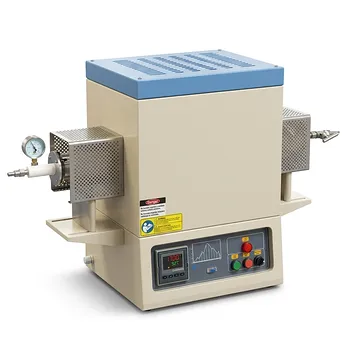
High Temperature Three Zone Tube Furnace 1700C with Alumina Tube and Water Cooled Flanges
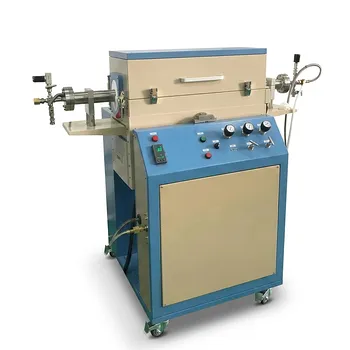
High Temperature Rocking Tube Furnace 1700°C Alumina Processing Tube with Precision Oscillation for Material Synthesis
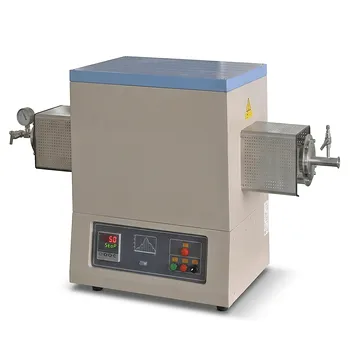
High Temperature 1700C Tube Furnace with 4 Inch OD Alumina Tube and Vacuum Sealing Flanges

High Temperature 1700C Vertical Tube Furnace for Powder Spherification and Material Sintering
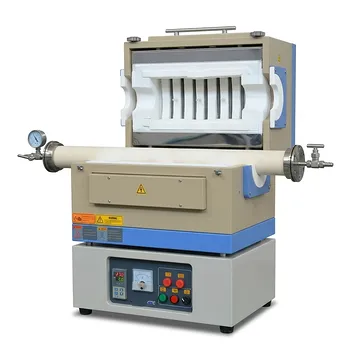
High Temperature 1600C Split Tube Furnace Vacuum Flanges Valves Optional 60mm 80mm Alumina Tube

High Temperature Automated 5 Inch Tube Furnace for Autonomous Material Research and Advanced Laboratory R&D

High Temperature 1700C Six Zone Split Tube Furnace with Alumina Tube and Water Cooled Flanges
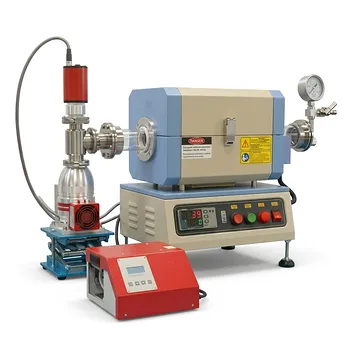
High Vacuum Compact Tube Furnace 1200C with Integrated Turbo Pump System and 8 Inch Heating Zone
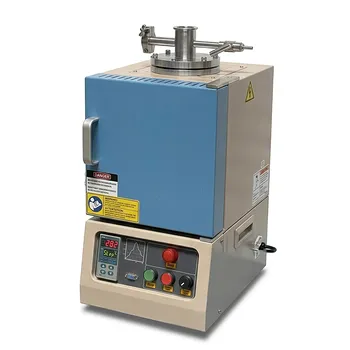
High Temperature Hybrid Muffle and Tube Furnace with Vacuum Capability and PID Control
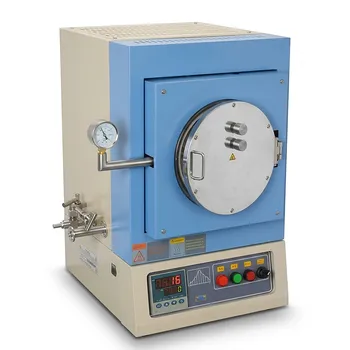
1100°C High Temperature Quartz Chamber Furnace 8 Inch OD with 7.6 Liter Capacity and Vacuum Atmosphere Capability

1100C Tube Furnace with Vacuum Flange and Programmable Temperature Controller for Material Science and Industrial Heat Treatment