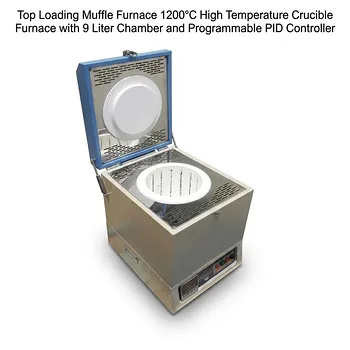
Why are Mo crucibles preferred for (U,Am)O2-x sintering? Achieve High Purity & Precise Stoichiometry at 1873 K
Updated 3 months ago
Molybdenum (Mo) crucibles are preferred for sintering (U,Am)O2-x targets primarily because of their exceptional chemical compatibility with actinide oxides in reducing atmospheres at temperatures up to 1873 K. Unlike standard ceramic crucibles, molybdenum does not react with the sample or introduce metallic impurities, ensuring that the uranium-americium mixed oxide achieves the precise stoichiometry and high purity required for nuclear fuel applications.
Core Takeaway: Molybdenum provides a unique combination of a high melting point and chemical inertness under Ar/H2 reducing conditions. This prevents container-driven contamination and preserves the microstructural integrity of the (U,Am)O2-x targets during the volatile sintering process.
The Critical Role of Chemical Compatibility
Stability in Reducing Atmospheres
High-temperature sintering of actinide oxides often requires reducing atmospheres, such as Ar/H2, to control the oxygen-to-metal ratio. Molybdenum is inherently stable in these environments, whereas many ceramic crucibles may undergo partial reduction or release oxygen that interferes with the target's final stoichiometry.
Preventing Actinide Interaction
Molybdenum does not react with the uranium-americium mixed oxide solid solution during the heating cycle. This lack of reactivity ensures that no foreign metal ions migrate into the sample, which is vital for maintaining the predictable performance of the nuclear fuel.
Preservation of Stoichiometry
Maintaining the correct (U,Am)O2-x stoichiometry is essential for the thermal conductivity and safety of the target. By serving as a passive container, the molybdenum crucible allows researchers to fine-tune the oxygen deficiency without the risk of the crucible contributing to or absorbing oxygen from the reaction system.
Thermal and Mechanical Performance at 1873 K
High Melting Point and Heat Distribution
Molybdenum possesses an extremely high melting point, allowing it to remain structurally sound well beyond the 1873 K threshold required for sintering. Furthermore, its metallic nature assists in achieving uniform heat distribution across the sample, reducing thermal gradients that could cause cracking in the target.
Structural Longevity in Vacuums
In high-temperature vacuum or inert environments, molybdenum exhibits superior mechanical strength and durability. This resistance to thermal fatigue extends the service life of the crucible and protects the microstructural integrity of the processed (U,Am)O2-x samples over multiple sintering cycles.
Barrier Against External Impurities
When used as a lining or a primary container, molybdenum acts as a high-temperature barrier. It effectively isolates the sensitive actinide precursors from any residual impurities present in the external furnace environment.
Understanding the Trade-offs
Limitations of Ceramic Alternatives
Standard ceramics like alumina can be problematic at the extreme temperatures required for actinide sintering. At temperatures exceeding 1700°C, some ceramics may begin to soften or react with the actinide oxides, leading to sample contamination and crucible degradation.
Atmospheric Sensitivity
The primary drawback of molybdenum is its vulnerability to oxygen. In oxidizing atmospheres, molybdenum forms volatile oxides that lead to rapid container failure; therefore, its use is strictly limited to vacuum, inert, or reducing environments.
Cost and Fabrication
Molybdenum crucibles are generally more expensive to manufacture than standard ceramic containers. However, the high cost is justified by the necessity of maintaining the extreme purity levels required for nuclear-grade materials where even minor impurities can cause significant performance shifts.
Making the Right Choice for Your Goal
To ensure the best results during high-temperature material processing, consider the specific chemical and atmospheric requirements of your sample.
- If your primary focus is actinide fuel purity: Utilize molybdenum crucibles to prevent chemical cross-reactivity and ensure the precise stoichiometry of mixed oxide solid solutions.
- If your primary focus is sintering in oxidizing conditions: Avoid molybdenum and opt for high-purity ceramic crucibles like alumina or MgO, which are stable in the presence of oxygen.
- If your primary focus is uniform thermal density in a vacuum: Select molybdenum for its superior thermal conductivity and mechanical strength at temperatures up to 1873 K.
Choosing the correct vessel is not merely about surviving the heat, but about ensuring the container remains a silent partner in the chemical reaction.
Summary Table:
| Feature | Molybdenum (Mo) Crucibles | Standard Ceramic Crucibles |
|---|---|---|
| Max Operating Temp | Stable up to 1873 K and beyond | May soften or react above 1700 K |
| Atmosphere | Best in Reducing (Ar/H2) or Vacuum | Stable in Oxidizing; unstable in reducing |
| Chemical Reactivity | Non-reactive with actinide oxides | Risk of sample contamination/bonding |
| Thermal Conductivity | High (Uniform heat distribution) | Low (Prone to thermal gradients) |
| Main Advantage | Preserves sample stoichiometry | Lower initial cost |
Elevate Your Material Research with THERMUNITS
Precision in high-temperature sintering requires more than just heat; it requires the right environment and containment. As a leading manufacturer of high-temperature laboratory equipment, THERMUNITS specializes in supporting material science and industrial R&D with advanced thermal solutions.
Whether you are sintering sensitive actinide oxides or developing new alloys, our comprehensive range of equipment ensures your samples maintain their integrity:
- Advanced Furnaces: Muffle, Vacuum, Atmosphere, Tube, Rotary, and Hot Press systems.
- Specialized Systems: CVD/PECVD, Vacuum Induction Melting (VIM), and Electric Rotary Kilns.
- Expert Components: High-purity thermal elements and precision-engineered dental furnaces.
Ready to optimize your heat treatment process? Contact our engineering team today to find the perfect furnace and crucible configuration for your specific research goals.
References
- Gamze Colak, Jef Vleugels. Fabrication of americium containing transmutation targets. DOI: 10.1016/j.jnucmat.2024.155107
Mentioned Products
- Molybdenum Disilicide MoSi2 Thermal Elements Electric Furnace Heating Element High Temperature Resistance
- 1750C Bench Top Muffle Furnace 3.6L High Grade Molybdenum Disilicide Heating Elements Laboratory Heat Treatment Equipment
- 600°C Vertical Crucible Furnace with SS316 Alloy Reactor and 6 Port Vacuum Flange
- Vertical Crucible Furnace 1000C High Temperature Laboratory Equipment 4.7 Inch Diameter Chamber SS316 Anti Corrosive Enclosure
- 1600°C Cold Wall High Vacuum Chamber Furnace with Molybdenum Heating and 400mm Cube Work Zone
People Also Ask
- What role do MoSi2 heating elements play in high-temperature smelting? Precision for Ferronickel & Slag Research
- Why is the selection of high-performance thermal elements critical for high-temperature testing? Ensure Data Integrity.
- How do electric thermal elements compare to combustion-based heating systems? Maximize Your Lab's Energy Efficiency
- What role do thermocouples play in furnace closed-loop systems? Essential Feedback for Precision
- How do actuators and heaters in an electric resistance furnace respond to control commands? Optimizing Heat Accuracy

Tech Team · ThermUnits
Last updated on Jun 02, 2026
Related Products
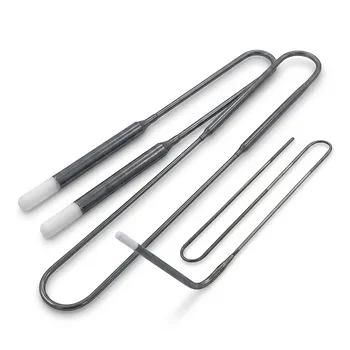
Molybdenum Disilicide MoSi2 Thermal Elements Electric Furnace Heating Element High Temperature Resistance
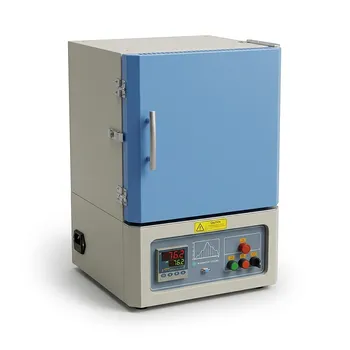
1750C Bench Top Muffle Furnace 3.6L High Grade Molybdenum Disilicide Heating Elements Laboratory Heat Treatment Equipment
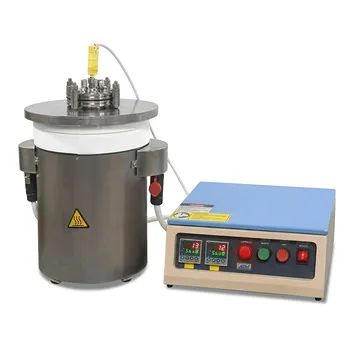
600°C Vertical Crucible Furnace with SS316 Alloy Reactor and 6 Port Vacuum Flange
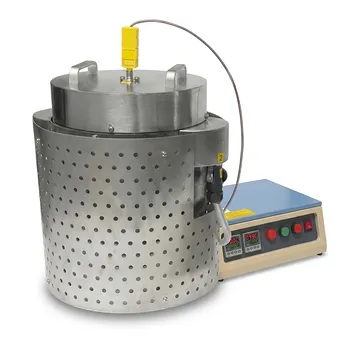
Vertical Crucible Furnace 1000C High Temperature Laboratory Equipment 4.7 Inch Diameter Chamber SS316 Anti Corrosive Enclosure
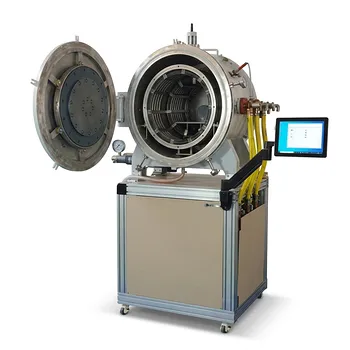
1600°C Cold Wall High Vacuum Chamber Furnace with Molybdenum Heating and 400mm Cube Work Zone
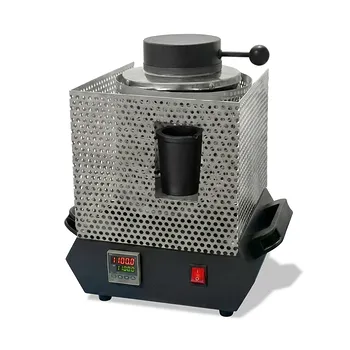
Compact Crucible Melting Furnace 1100C Programmable Temperature Controller Metal Sintering Equipment
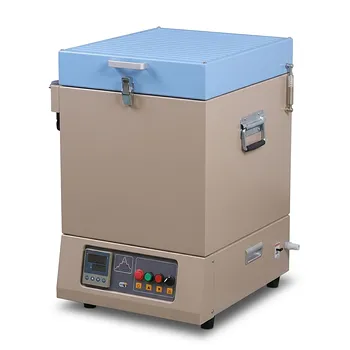
High Temperature Vertical Crucible Furnace with 22L Heating Chamber and 1200C Maximum Temperature
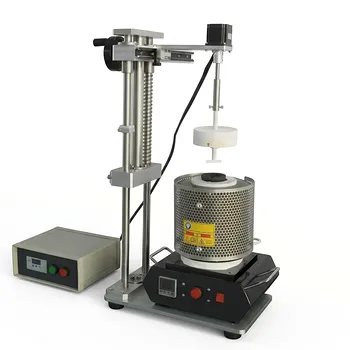
1100C Crucible Melting Furnace with Stirring Function for Glovebox and Air Sensitive Alloy Research
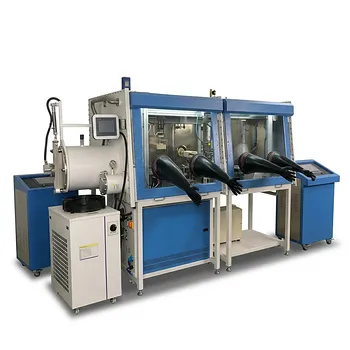
Automatic 10 Crucible Induction Melting and Casting System with Stirring Function and Glovebox Integration 2000C
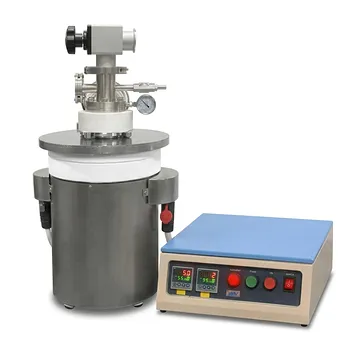
1100C High Temperature Vacuum Crucible Furnace with Quartz Chamber for Thermal Processing and Sintering