Why is a high-purity corundum crucible selected as the sample container for high-temperature reduction experiments? Ensure Pure Data.
Updated 3 months ago
High-purity corundum is the gold standard for high-temperature reduction experiments due to its exceptional thermal and chemical resilience. It provides a stable, non-reactive environment that can withstand temperatures exceeding 1650°C while resisting the corrosive effects of reducing gases and molten slags. This ensures that experimental data—such as mass changes or chemical compositions—reflects the sample's behavior alone, free from contamination by the container.
High-purity corundum (alumina) crucibles are selected because they remain chemically inert and physically stable in harsh reducing atmospheres. Their ability to resist erosion from aggressive slags ensures the purity of the sample and the accuracy of the resulting analytical data.
The Foundation of Thermal Stability
Withstanding Extreme Temperatures
Corundum crucibles are engineered to maintain structural integrity at temperatures well beyond the limits of standard laboratory glassware. While many high-temperature reduction experiments occur around 1300°C, these crucibles can often withstand environments exceeding 1650°C.
Maintaining Mechanical Strength
Under intense heat, materials often soften or deform, but high-purity alumina retains its mechanical strength. This stability is critical for preventing the crucible from cracking or failing during long-duration experiments or when subjected to the weight of heavy mineral samples.
Resistance to Thermal Shock
High-purity ceramics are designed with excellent thermal shock stability. This allows the container to endure the rapid temperature fluctuations often required during calcination or roasting processes without structural failure.
Chemical Inertness in Aggressive Environments
Stability in Reducing Atmospheres
In high-temperature reduction, atmospheres are often saturated with gases like carbon monoxide (CO). Corundum does not react with these reducing agents, ensuring that the gas only interacts with the intended sample.
Corrosion Resistance Against Molten Slags
Many experiments involve the formation of highly corrosive "slags," such as those containing zinc, iron, or ferromanganese. Corundum effectively resists chemical erosion from these melts, preventing the crucible material from leaching into the sample.
Preventing Sample-Container Reactions
A primary requirement for any vessel is that it must not participate in the reaction. Corundum's chemical inertness ensures it does not react with complex phases like iron-calcium oxygen carriers or titanium products, maintaining the chemical signature of the sample.
Ensuring Data Integrity and Sample Purity
Accuracy in Kinetic and Mass Analysis
In thermogravimetric analysis (TGA), the crucible must not contribute to background weight changes. Corundum’s stability ensures that any measured mass signals accurately reflect the chemical behavior of the sample rather than container degradation.
Preventing Trace Contamination
For high-precision metallurgical studies, even minor leaching of container elements can ruin the results. High-purity alumina prevents impurities from the container from contaminating the sample, which is vital for accurate phase composition analysis.
Reliability of Volatilization Data
In experiments involving the volatilization of elements like zinc, the container must not interfere with the movement of gases. The inert nature of corundum ensures that volatilization kinetics are measured accurately, providing a clear picture of the reaction rates.
Understanding the Trade-offs
While corundum is highly versatile, it is not a universal solution for every experimental setup. Its high brittleness means that while it handles heat well, it is vulnerable to physical impacts or extreme, instantaneous temperature shifts if not handled with care.
Furthermore, the purity level of the corundum (often 99.7% Al₂O₃ or higher) is a critical factor; lower-grade alumina crucibles contain silica and other impurities that can react with alkaline samples at high temperatures. Users must also account for the initial cost, as high-purity corundum is significantly more expensive than standard ceramic or graphite alternatives.
How to Apply This to Your Project
When selecting a crucible for your high-temperature reduction work, your choice should be dictated by the specific chemistry and temperature of your experiment.
- If your primary focus is extreme temperature (above 1500°C): Use high-purity corundum to ensure the vessel does not soften or fail under peak thermal loads.
- If your primary focus is kinetic data accuracy: Select corundum to minimize background weight changes and ensure that mass loss data is attributed solely to the sample.
- If your primary focus is corrosive slag research: Corundum is the best choice to prevent the crucible walls from being eaten away by aggressive molten oxides.
- If your primary focus is minimizing cost on low-temp roasting: Consider whether a lower-grade ceramic might suffice, provided the temperature remains below 1000°C and the sample is non-reactive.
By choosing high-purity corundum, you prioritize the integrity of your data and the purity of your results over the convenience of cheaper materials.
Summary Table:
| Key Feature | Advantage | Research Benefit |
|---|---|---|
| Thermal Stability | Withstands temperatures >1650°C | Prevents container failure in extreme heat |
| Chemical Inertness | Resists reducing gases (CO) and slags | Ensures sample purity & prevents contamination |
| Mechanical Strength | Maintains shape under load | Prevents cracking during long-duration tests |
| Mass Stability | Zero background weight change | High accuracy for thermogravimetric analysis |
| Thermal Shock Resistance | Endures rapid temperature shifts | Reliable performance during roasting/calcination |
Elevate Your Research Precision with THERMUNITS
Achieving accurate results in high-temperature reduction requires more than just high-quality crucibles—it requires a perfectly controlled thermal environment. THERMUNITS is a leading manufacturer of high-temperature laboratory equipment dedicated to material science and industrial R&D.
We provide a comprehensive range of thermal processing solutions tailored to your specific needs, including:
- Advanced Furnaces: Muffle, Vacuum, Atmosphere, Tube, Rotary, and Hot Press furnaces.
- Specialized Systems: CVD/PECVD systems, Dental Furnaces, and Electric Rotary Kilns.
- Industrial Solutions: Vacuum Induction Melting (VIM) furnaces and high-grade thermal elements.
Don't let equipment limitations compromise your experimental integrity. Contact us today to discuss how our laboratory heat treatment solutions can enhance your R&D efficiency and ensure the highest purity for your materials.
References
- Zeng Peng, Xuchang Wei. Volatilization Kinetics of Zinc from the Flotation Products of Low-Grade Lead–Zinc Oxide Ore during Carbothermic Reduction. DOI: 10.3390/su16062326
Mentioned Products
- 1100C High Temperature Vacuum Crucible Furnace with Quartz Chamber for Thermal Processing and Sintering
- 600°C Vertical Crucible Furnace with SS316 Alloy Reactor and 6 Port Vacuum Flange
- Vertical Crucible Furnace 1000C High Temperature Laboratory Equipment 4.7 Inch Diameter Chamber SS316 Anti Corrosive Enclosure
- High Temperature Vertical Crucible Furnace with 22L Heating Chamber and 1200C Maximum Temperature
- 1100C Crucible Melting Furnace with Stirring Function for Glovebox and Air Sensitive Alloy Research
People Also Ask
- How does the temperature control precision of a high-temperature sintering furnace affect Na1+xLa1-xZr2O6-δ ceramics?
- How does a high-temperature sintering furnace environment enhance NdFeB magnets? Achieve 98%+ density with precision.
- Why is a high-temperature sintering furnace required for the preparation of Li(Nb,Ta)O3 precursors? Essential Insights
- How does a high-temperature sintering furnace contribute to the interfacial strengthening of SS316L and zirconia?
- What is the function of high-vacuum furnaces in (Mo2/3V1/3)n+1AlCn MAX phase synthesis? Ensure Purity & Diffusion.

Tech Team · ThermUnits
Last updated on Jun 03, 2026
Related Products
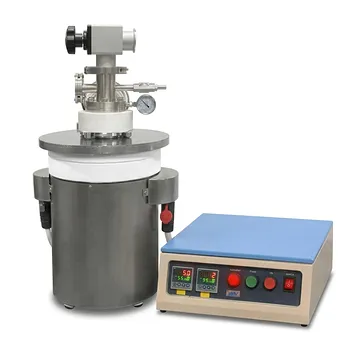
1100C High Temperature Vacuum Crucible Furnace with Quartz Chamber for Thermal Processing and Sintering
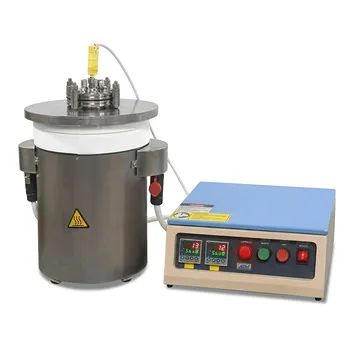
600°C Vertical Crucible Furnace with SS316 Alloy Reactor and 6 Port Vacuum Flange
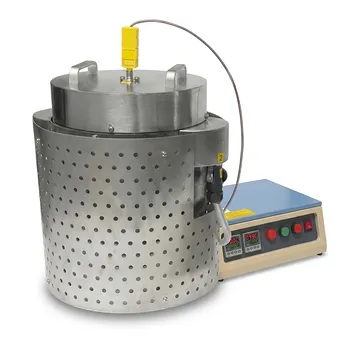
Vertical Crucible Furnace 1000C High Temperature Laboratory Equipment 4.7 Inch Diameter Chamber SS316 Anti Corrosive Enclosure
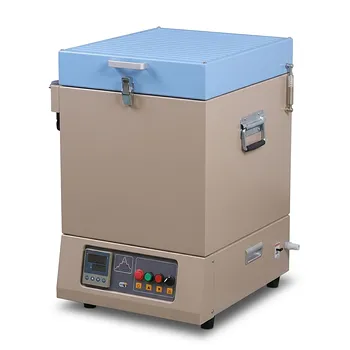
High Temperature Vertical Crucible Furnace with 22L Heating Chamber and 1200C Maximum Temperature
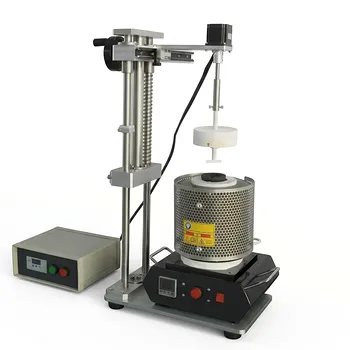
1100C Crucible Melting Furnace with Stirring Function for Glovebox and Air Sensitive Alloy Research
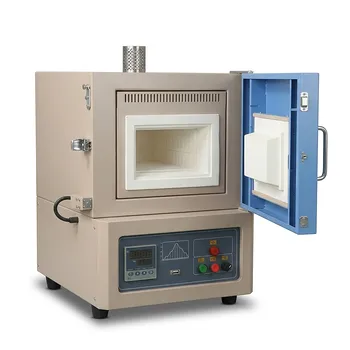
Anti Corrosive Muffle Furnace with Sintered Corundum Chamber and 1050C Operating Range for Corrosive Material Calcination
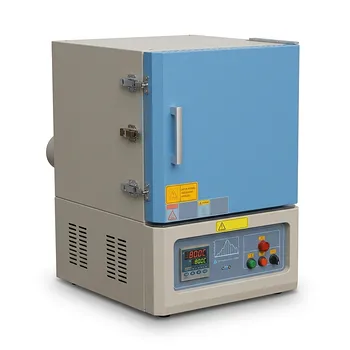
1800C Bench Top Muffle Furnace 18 Liters with Kanthal Super 1900 Heating Elements for High Purity Ceramic Sintering and Material Research
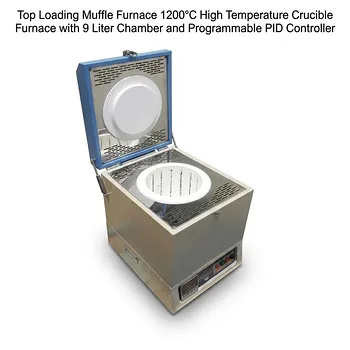
Top Loading Muffle Furnace 1200°C High Temperature Crucible Furnace with 9 Liter Chamber and Programmable PID Controller
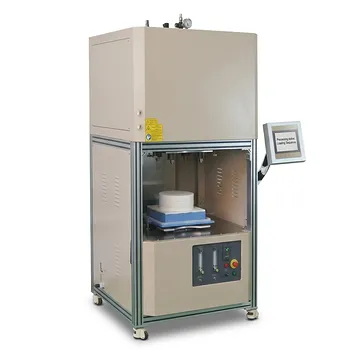
High Temperature Vertical Atmosphere Controlled Furnace with Automatic Bottom Loading and 1700°C Capacity for Advanced Material Research