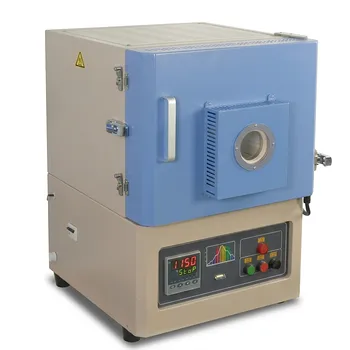
Why is a box furnace preheated to 800 °C for high-entropy aluminate spinels? Optimize Synthesis & Phase Purity
Updated 3 months ago
Preheating a box resistance furnace to 800 °C is the essential catalyst for initiating rapid thermal synthesis. This specific temperature provides the instantaneous energy required to trigger a vigorous combustion reaction within the precursor gel, bypassing the slow kinetics of traditional heating ramps. By rapidly initiating nucleation, the furnace leverages the high-entropy effect to lock multiple metal components into a single-phase spinel structure before they have the opportunity to precipitate into individual, isolated oxides.
The 800 °C preheating threshold ensures that the system overcomes the mixing enthalpy through high configurational entropy, enabling the instantaneous formation of a stabilized, single-phase high-entropy spinel while simultaneously purging organic impurities.
The Thermodynamic Necessity of High Temperatures
Overcoming Mixing Enthalpy
In high-entropy materials, the goal is to force multiple elements into a single, uniform crystalline lattice. According to thermodynamic principles, a critical temperature—typically 800 °C or higher—is required to ensure that configurational entropy can effectively offset the system's mixing enthalpy.
This "entropy stabilization" prevents the different metal ions from separating into distinct phases. Without this high-energy environment, the material would likely result in a mixture of individual oxides rather than a complex, multi-component spinel.
Instantaneous Reaction Triggering
Preheating the furnace allows for "rapid thermal processing," where the precursor gel is subjected to a sudden thermal shock. This shock provides the necessary initial energy to trigger a self-sustaining, vigorous combustion reaction within the gel.
This method facilitates the preliminary nucleation of oxides within an extremely short timeframe. Rapid nucleation is critical because it prevents the gradual growth of large, unwanted crystalline grains that occur during slower heating cycles.
Maintaining Phase Purity and Structure
Elimination of Volatile Impurities
The 800 °C environment serves as a deep treatment stage for the synthesized powder. At these temperatures, the furnace effectively decomposes and removes residual organic matter, binders, and surfactants left over from the gel stage.
Complete elimination of these volatiles is critical for ensuring the catalyst or ceramic foundation is pure. If organic residues remain, they can interfere with the final crystalline structure and degrade the performance of the material in applications like catalysis or structural ceramics.
Driving Phase Transformation
The thermal energy provided by the furnace drives the transformation of amorphous precursors into specific crystalline forms of alumina, such as the $\gamma$-phase or $\alpha$-phase. This ensures the spinel achieves its intended structural finalization.
Thermal uniformity within the furnace chamber is vital during this stage. Inconsistent temperatures can lead to variations in crystallinity and compromise the final phase purity of the high-entropy powder.
Understanding the Trade-offs
The Risk of Thermal Shock
While rapid thermal processing is necessary for the reaction, it places significant stress on the furnace components and the crucibles used. Constant cycling or rapid insertion of materials at 800 °C can lead to refractory wear or ceramic cracking if materials are not handled with care.
Balancing Time and Temperature
Maintaining the material at 800 °C for too long after the combustion is complete can lead to excessive grain growth or over-sintering. This reduces the surface area of the spinel, which is often a disadvantage if the material is intended for use as a catalyst or a high-surface-area support.
Making the Right Choice for Your Goal
How to Apply This to Your Project
- If your primary focus is achieving a single-phase solid solution: Ensure the furnace is fully stabilized at or above 800 °C before introducing the precursor to maximize the entropy-stabilization effect.
- If your primary focus is high catalytic activity: Limit the duration of the high-temperature exposure following the initial combustion to prevent excessive sintering and loss of surface area.
- If your primary focus is phase purity: Prioritize the use of a furnace with high thermal field uniformity to ensure that organic residues are removed equally across the entire sample batch.
By precisely controlling this high-energy environment, you transform a complex chemical precursor into a stable, high-performance high-entropy material.
Summary Table:
| Key Factor | Role in Synthesis | Material Impact |
|---|---|---|
| Entropy Stabilization | Overcomes mixing enthalpy at high temps | Ensures a single-phase solid solution structure |
| Rapid Nucleation | Triggers instantaneous combustion reaction | Prevents excessive grain growth through speed |
| Impurity Removal | Decomposes residual organic binders/surfactants | Guarantees high phase purity and clean ceramics |
| Phase Transformation | Drives amorphous precursors to $\alpha$/$\gamma$ phases | Finalizes the crystalline structure of the spinel |
| Thermal Uniformity | Maintains consistent energy across the sample | Prevents inconsistent crystallinity and phase separation |
Elevate Your Material Research with THERMUNITS Precision Furnaces
Achieving the perfect high-entropy spinel requires rigorous temperature control and thermal uniformity. THERMUNITS is a leading manufacturer of high-temperature laboratory equipment designed specifically for material science and industrial R&D.
Whether you are performing rapid thermal processing or complex phase transformations, our comprehensive range of thermal solutions—including Muffle, Vacuum, Atmosphere, Tube, Rotary, and Hot Press furnaces, as well as CVD/PECVD systems—provides the reliability your research demands.
Why choose THERMUNITS?
- Precision Control: Optimized for sensitive high-entropy material synthesis.
- Versatility: From electric rotary kilns to vacuum induction melting furnaces (VIM).
- Expert Support: Specialized heat treatment equipment tailored to your laboratory's needs.
Ready to enhance your lab's efficiency and ensure superior material performance?
Contact our experts today to find the perfect furnace for your application!
References
- Christopher Riley, Stanley S. Chou. Platinum on High-Entropy Aluminate Spinels as Thermally Stable CO Oxidation Catalysts. DOI: 10.3390/catal14030211
Mentioned Products
- High Temperature 1700℃ Eight Chamber Box Furnace with Automatic Doors for Autonomous Material Research and High Throughput Heat Treatment
- 1650C High Temperature Atmosphere Controlled Box Furnace with 65L Chamber for Advanced Material Sintering and Industrial Heat Treatment
- Automated 1700C High Temperature Bottom Loading Box Furnace with PC Software Control and Robotic Integration Capability
- High Temperature Four Chamber Box Furnace for High Throughput Materials Research and Space Saving Thermal Processing
- Hybrid High Temperature Tube and Box Furnace 1700C with 2 Inch Alumina Tube for Material Research
People Also Ask
- What is the role of a high-temperature box furnace in the solid-state synthesis of Europium-doped M3MgSi2O8 phosphors?
- What is the role of a high-temperature box furnace in Na3MnZr(PO4)3 synthesis? Engineering High-Performance NASICON.
- Why is a high-temperature box furnace required for 1250°C ferrite calcination? Ensure Precise Phase Transformation.
- How does a high-temp box furnace aid rare-earth oxysulfide phosphor synthesis? Enhance Purity & Luminescence
- What role does an industrial-grade high-temperature furnace play in C2F sintering? Achieve Pure Phase and High Strength

Tech Team · ThermUnits
Last updated on Jun 03, 2026
Related Products
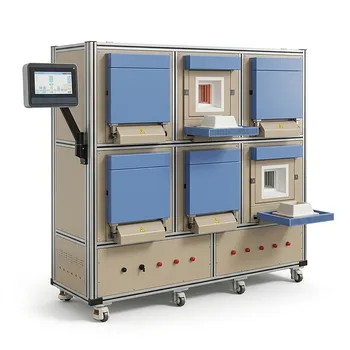
High Temperature 1700℃ Eight Chamber Box Furnace with Automatic Doors for Autonomous Material Research and High Throughput Heat Treatment
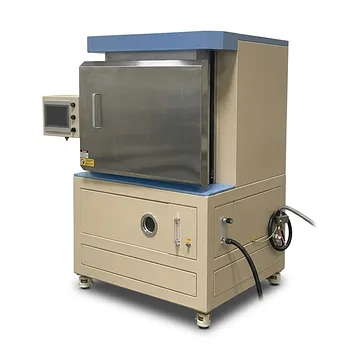
1650C High Temperature Atmosphere Controlled Box Furnace with 65L Chamber for Advanced Material Sintering and Industrial Heat Treatment
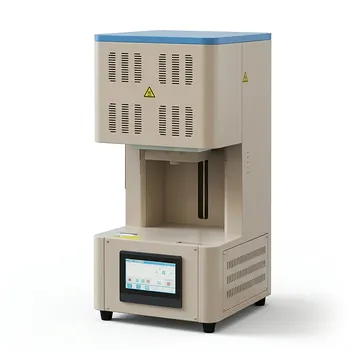
Automated 1700C High Temperature Bottom Loading Box Furnace with PC Software Control and Robotic Integration Capability
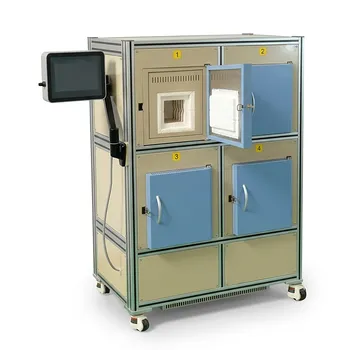
High Temperature Four Chamber Box Furnace for High Throughput Materials Research and Space Saving Thermal Processing
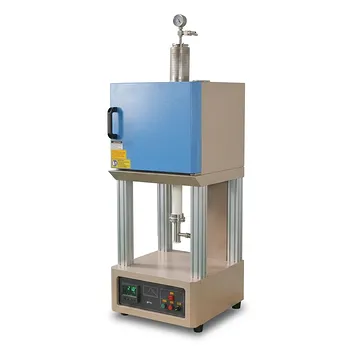
Hybrid High Temperature Tube and Box Furnace 1700C with 2 Inch Alumina Tube for Material Research
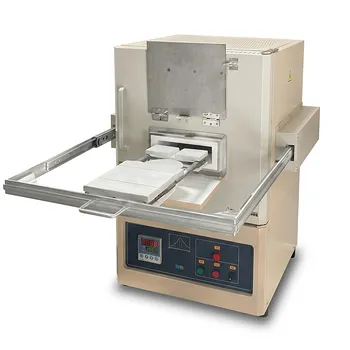
1700C Box Furnace with Sliding Platform for Rapid Heating and Cooling High Temperature Thermal Processing System
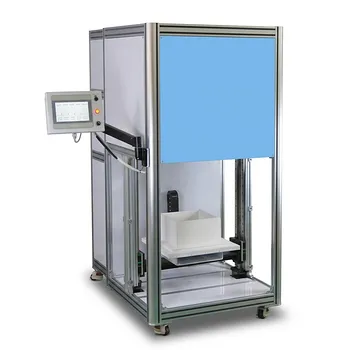
High Temperature 1600°C Three Zone Heated Bottom Loading Box Furnace with Rapid Thermal Processing Chamber 72L Volume
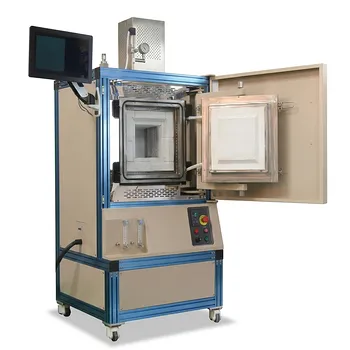
High Temperature Hydrogen Atmosphere Box Furnace 1650C Max Reducing Environment Material Synthesis System 8x8x8 Chamber
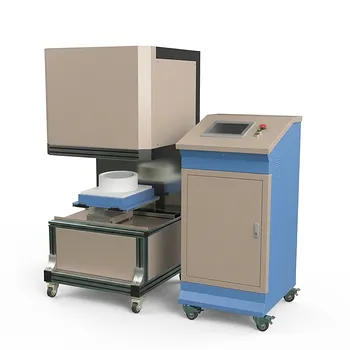
High Temperature Bottom Loading Box Furnace for Rapid Thermal Processing 1700C 40L Capacity
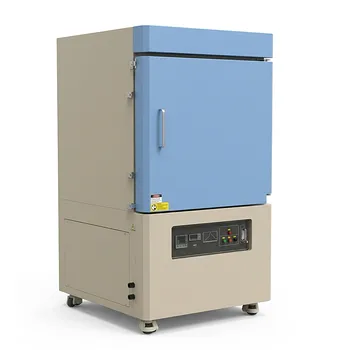
Industrial Large Box Furnace 1700C 216L High Temp Muffle Sintering System
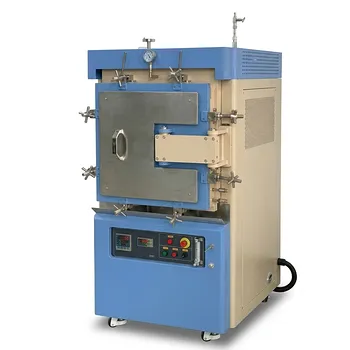
High Temperature Economic Hydrogen Gas Box Furnace 1600C Atmosphere Controlled Thermal Processing System 65L Capacity
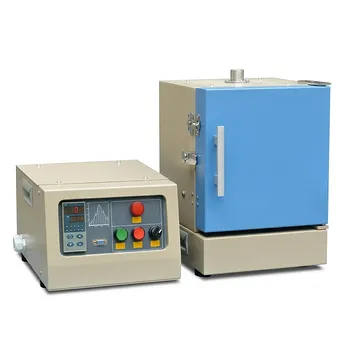
1200C Small Box Muffle Furnace with Separated Programmable Controller and 4.2L Alumina Fiber Chamber
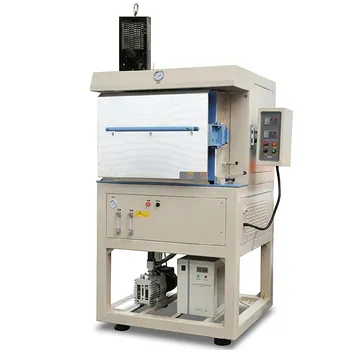
1200C Hydrogen Atmosphere Box Furnace with 5 Heated Sides and 64L Chamber
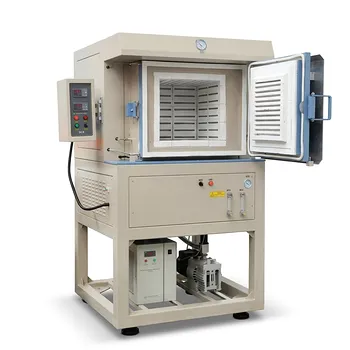
1200°C Five Side Heating Atmosphere Controlled Muffle Furnace 64 Liter High Uniformity Box Furnace for Material Synthesis
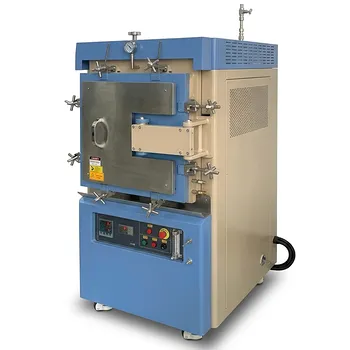
Atmosphere Controlled Muffle Furnace 1700C Maximum Temperature 80L High Capacity Vacuum Inert Gas Box Furnace
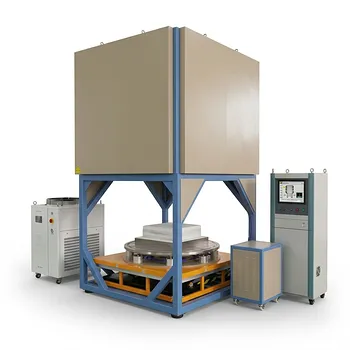
Bottom Loaded Inert Gas Atmosphere Box Furnace 1700C 1300C 216L Large Capacity Industrial Thermal Processing System

High Temperature Tube Furnace 1500C with Sliding Flanges and 50mm OD for Rapid Thermal Processing Fast Heating and Cooling
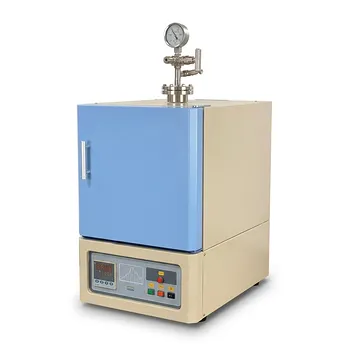
Hybrid High Temperature Muffle and Tube Furnace with 1500C Capability and Vacuum Flange Assembly
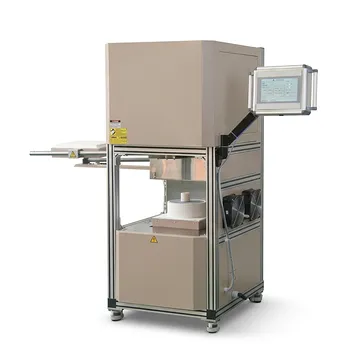
1600C High Temperature Automatic Bottom Loading Furnace for Thermal Shock Cycling and Material Fatigue Testing