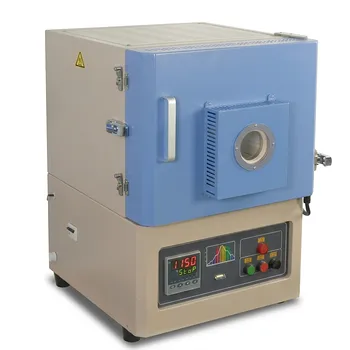
Why is a high-temperature box resistance furnace required for the synthesis of by-product-based calcium ferrite? | Guide
Updated 3 months ago
A high-temperature box resistance furnace is the fundamental tool for synthesizing calcium ferrite because it provides the sustained, precise thermal environment required for deep solid-state reactions. By maintaining a constant temperature of 1000°C for a duration of 24 hours, the furnace ensures that calcium oxide and industrial by-products have sufficient time to interact at the atomic level. This stability is critical for the formation of dicalcium ferrite (2CF), a high-quality pre-phase material necessary for successful sintering tests.
The furnace acts as a controlled thermal reactor that facilitates atomic diffusion over extended periods. Without this specific 24-hour heat window, the chemical transformation would remain incomplete, failing to produce the specialized crystal structures required for industrial applications.
The Role of Sustained Heat in Chemical Transformation
Facilitating Atomic Diffusion
At the molecular level, the synthesis of calcium ferrite is a solid-state reaction that depends on the movement of atoms between different materials. The furnace provides the energy necessary for calcium oxide to migrate into the structure of the by-products. Without the high-temperature environment of 1000°C, the kinetic energy would be too low to overcome the barriers to diffusion.
Ensuring Phase Purity of Dicalcium Ferrite
The goal of this process is often the creation of dicalcium ferrite (2CF), which requires a specific thermal profile to stabilize. A box resistance furnace prevents temperature fluctuations that could lead to the formation of undesired intermediate phases. This precision ensures that the resulting pre-phase raw materials are uniform and chemically consistent for subsequent testing.
Driving Long-Duration Reactions
Unlike rapid heating methods, a box resistance furnace is designed for extended dwell times, such as the 24-hour period required here. This duration is essential for the reaction to reach equilibrium throughout the entire volume of the material. This thoroughness is what separates a high-quality synthetic ferrite from a partially reacted mixture.
Structural and Mechanical Implications of Controlled Heating
Achieving Material Densification
High-temperature treatment is a primary driver for material densification, where pores are eliminated as particles bond together. As seen in similar ceramic processes, heat induction encourages grain growth, which significantly enhances the mechanical strength of the final product. For calcium ferrite, this results in a robust material that can withstand the rigors of the sintering stage.
Refining Crystal Structure
The stability of a box furnace allows for the perfection of the crystal structure over time. Long-duration heat treatment allows atoms to arrange themselves into their most stable, low-energy configurations. This "perfection" of the lattice structure is what gives the synthesized ferrite its specific physical and chemical properties.
Facilitating Chemical Decomposition
Before the final ferrite can form, volatile components and precursors must be effectively removed. The controlled heating rates of the furnace allow for the decomposition of precursors without causing structural damage from rapid gas escape. This staged transformation ensures that the final solid-phase reaction occurs in a clean, stable environment.
Understanding the Trade-offs
Energy Intensity and Time Constraints
The requirement for a 24-hour soak at 1000°C makes this a highly energy-intensive process with a slow turnover rate. Researchers must balance the need for material quality against the high operational costs and time requirements of long heating cycles. Shortcuts in duration or temperature often lead to inferior "green bodies" that fail during later sintering phases.
Thermal Gradients and Uniformity
In large box furnaces, maintaining thermal uniformity across the entire chamber can be a challenge. If the temperature varies by even a few degrees, the degree of crystallization or diffusion may differ between samples located in the center versus the corners. This requires precise calibration and high-quality heating elements to ensure repeatable results across different batches.
Applying This Technology to Your Synthesis Goals
To achieve the best results in the synthesis of by-product-based calcium ferrite, your approach should be dictated by your specific material requirements.
- If your primary focus is Phase Purity (2CF): Prioritize a furnace with high-precision PID controllers to maintain a dead-steady 1000°C for the full 24-hour duration.
- If your primary focus is Mechanical Strength: Ensure the furnace allows for controlled cooling rates to prevent internal stresses and micro-cracking after the sintering process is complete.
- If your primary focus is High-Throughput Testing: Consider using a furnace with a larger internal volume to process multiple samples simultaneously, ensuring each sample experiences the same thermal history.
By mastering the thermal environment of the box resistance furnace, you ensure that industrial by-products are successfully transformed into high-performance calcium ferrite.
Summary Table:
| Synthesis Requirement | Role of High-Temp Box Furnace | Impact on Calcium Ferrite |
|---|---|---|
| Thermal Stability | Maintains a constant 1000°C for 24 hours | Ensures complete chemical transformation |
| Atomic Diffusion | Provides sustained energy for molecular migration | Facilitates bonding between CaO and by-products |
| Phase Control | Prevents temperature fluctuations | Stabilizes pure Dicalcium Ferrite (2CF) |
| Densification | Encourages grain growth and pore elimination | Enhances mechanical strength for sintering |
| Uniformity | High-precision PID control across the chamber | Ensures consistent results across multiple samples |
Elevate Your Material Research with THERMUNITS
Achieving the perfect Dicalcium Ferrite (2CF) phase requires more than just heat—it requires unwavering thermal precision. As a global leader in high-temperature laboratory equipment, THERMUNITS provides the advanced thermal processing solutions essential for material science and industrial R&D.
Our comprehensive range of equipment includes:
- High-Precision Muffle & Box Furnaces for long-duration synthesis.
- Atmosphere & Vacuum Furnaces for controlled chemical environments.
- Tube, Rotary, & Hot Press Furnaces for specialized material processing.
- CVD/PECVD Systems & Vacuum Induction Melting (VIM) furnaces.
Whether you are refining industrial by-products or developing next-generation ceramics, our equipment is engineered for reliability, uniformity, and energy efficiency. Contact our technical experts today to find the ideal furnace solution for your synthesis goals and experience the THERMUNITS advantage in your lab!
References
- Leonardo Tomas da Rocha, Sung‐Mo Jung. Development of a Low-carbon Sintering Process Technology and Its Application to a Pilot-scale Sintering Testing. DOI: 10.2355/isijinternational.isijint-2024-239
Mentioned Products
- High Temperature 1700℃ Eight Chamber Box Furnace with Automatic Doors for Autonomous Material Research and High Throughput Heat Treatment
- 1650C High Temperature Atmosphere Controlled Box Furnace with 65L Chamber for Advanced Material Sintering and Industrial Heat Treatment
- Automated 1700C High Temperature Bottom Loading Box Furnace with PC Software Control and Robotic Integration Capability
- High Temperature Four Chamber Box Furnace for High Throughput Materials Research and Space Saving Thermal Processing
- Hybrid High Temperature Tube and Box Furnace 1700C with 2 Inch Alumina Tube for Material Research
People Also Ask
- What is the role of a high-temperature box furnace in the solid-state synthesis of Europium-doped M3MgSi2O8 phosphors?
- What is the role of a high-temperature box furnace in Na3MnZr(PO4)3 synthesis? Engineering High-Performance NASICON.
- Why is a high-temperature box furnace required for 1250°C ferrite calcination? Ensure Precise Phase Transformation.
- How does a high-temp box furnace aid rare-earth oxysulfide phosphor synthesis? Enhance Purity & Luminescence
- What role does an industrial-grade high-temperature furnace play in C2F sintering? Achieve Pure Phase and High Strength

Tech Team · ThermUnits
Last updated on Jun 02, 2026
Related Products
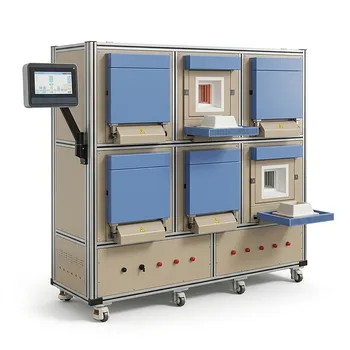
High Temperature 1700℃ Eight Chamber Box Furnace with Automatic Doors for Autonomous Material Research and High Throughput Heat Treatment
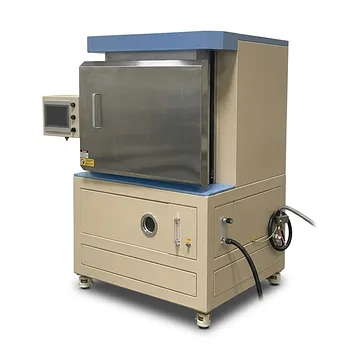
1650C High Temperature Atmosphere Controlled Box Furnace with 65L Chamber for Advanced Material Sintering and Industrial Heat Treatment
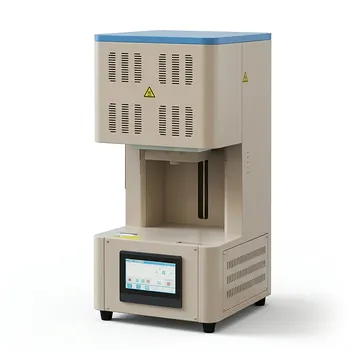
Automated 1700C High Temperature Bottom Loading Box Furnace with PC Software Control and Robotic Integration Capability
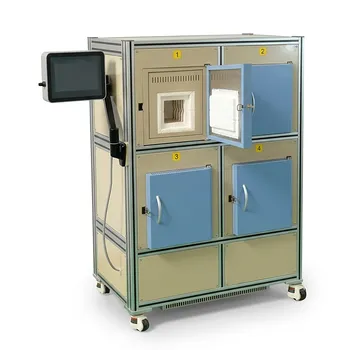
High Temperature Four Chamber Box Furnace for High Throughput Materials Research and Space Saving Thermal Processing
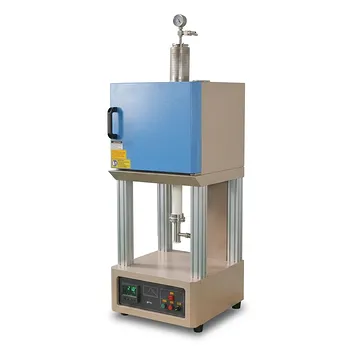
Hybrid High Temperature Tube and Box Furnace 1700C with 2 Inch Alumina Tube for Material Research
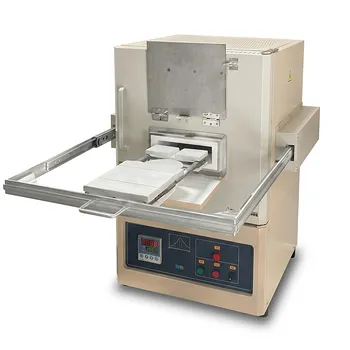
1700C Box Furnace with Sliding Platform for Rapid Heating and Cooling High Temperature Thermal Processing System
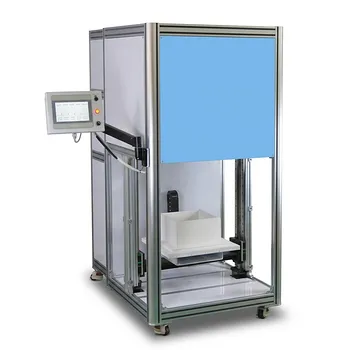
High Temperature 1600°C Three Zone Heated Bottom Loading Box Furnace with Rapid Thermal Processing Chamber 72L Volume
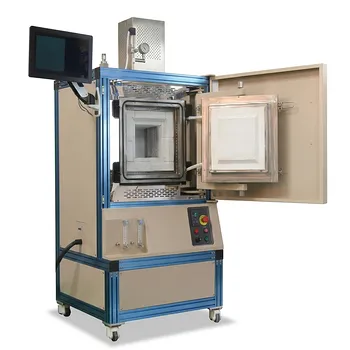
High Temperature Hydrogen Atmosphere Box Furnace 1650C Max Reducing Environment Material Synthesis System 8x8x8 Chamber
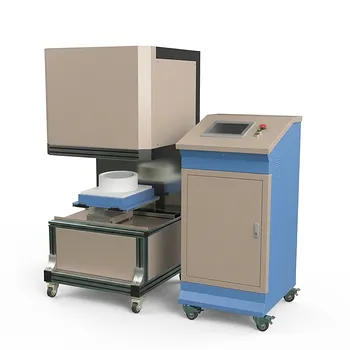
High Temperature Bottom Loading Box Furnace for Rapid Thermal Processing 1700C 40L Capacity
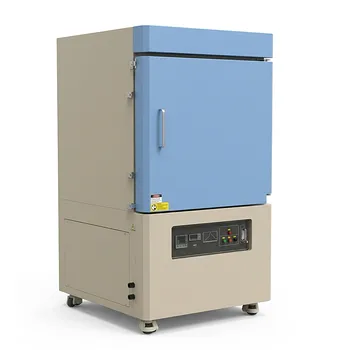
Industrial Large Box Furnace 1700C 216L High Temp Muffle Sintering System
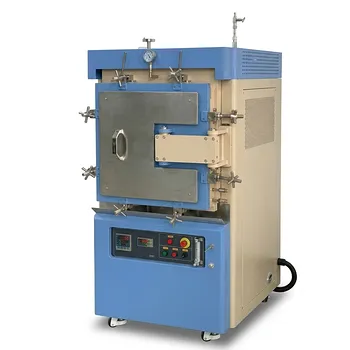
High Temperature Economic Hydrogen Gas Box Furnace 1600C Atmosphere Controlled Thermal Processing System 65L Capacity
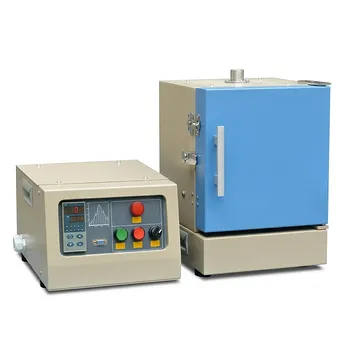
1200C Small Box Muffle Furnace with Separated Programmable Controller and 4.2L Alumina Fiber Chamber
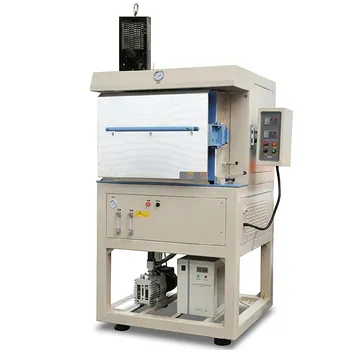
1200C Hydrogen Atmosphere Box Furnace with 5 Heated Sides and 64L Chamber
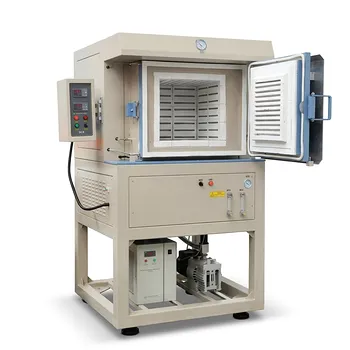
1200°C Five Side Heating Atmosphere Controlled Muffle Furnace 64 Liter High Uniformity Box Furnace for Material Synthesis
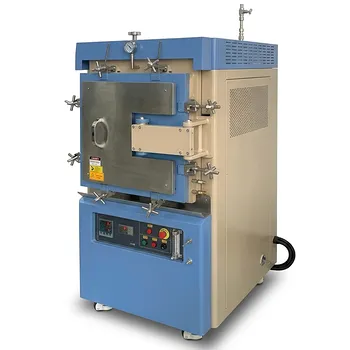
Atmosphere Controlled Muffle Furnace 1700C Maximum Temperature 80L High Capacity Vacuum Inert Gas Box Furnace
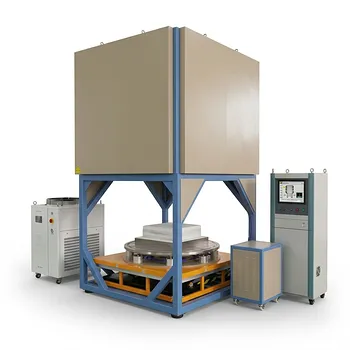
Bottom Loaded Inert Gas Atmosphere Box Furnace 1700C 1300C 216L Large Capacity Industrial Thermal Processing System

High Temperature Tube Furnace 1500C with Sliding Flanges and 50mm OD for Rapid Thermal Processing Fast Heating and Cooling
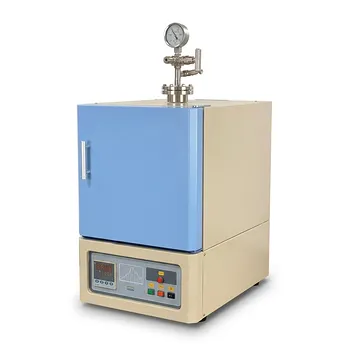
Hybrid High Temperature Muffle and Tube Furnace with 1500C Capability and Vacuum Flange Assembly
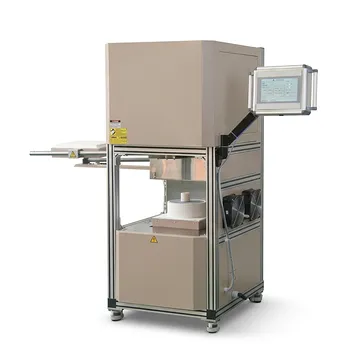
1600C High Temperature Automatic Bottom Loading Furnace for Thermal Shock Cycling and Material Fatigue Testing