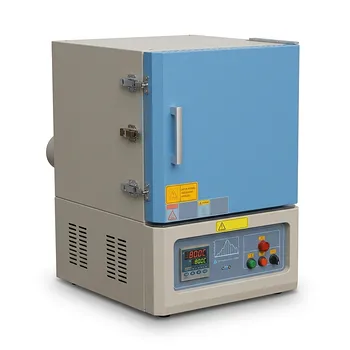
Why is a muffle furnace required for 600°C calcination of CuFe2O4? Achieve Superior Spinel Crystallinity
Updated 3 months ago
The high-temperature muffle furnace is essential for Copper Ferrite (CuFe2O4) synthesis because it provides the precise thermal energy required to drive a solid-phase reaction. At 600°C, this controlled environment transforms amorphous precursors into a stable spinel crystal structure, a transition that is fundamental to the material's final properties. Without this specific thermal processing, the nanoparticles would lack the crystallinity and magnetic strength required for advanced technical applications.
Core Takeaway: A muffle furnace facilitates the critical transition from disordered precursors to a high-purity spinel phase. This process ensures the material achieves the specific crystallinity, magnetic performance, and chemical stability necessary for use in composites and catalysis.
Driving Phase Transformation and Crystallinity
The Transition from Amorphous to Spinel Structure
Copper Ferrite precursors typically begin in an amorphous or disordered state following initial synthesis. The 600°C environment in the muffle furnace provides the activation energy necessary for atoms to rearrange into a highly ordered spinel crystal lattice.
Providing Constant Crystallization Energy
Maintaining a constant temperature for a duration of three hours is vital for the solid-phase reaction. This steady energy input ensures that the transformation is complete throughout the entire sample, resulting in a uniform material with high phase purity.
Impact on Physicochemical Activity
The high crystallinity achieved at 600°C directly determines the physicochemical activity of the CuFe2O4 nanoparticles. This structural integrity is what allows the nanoparticles to function effectively as a core for complex magnetic composites.
Enhancing Physical and Chemical Properties
Optimizing Magnetic Performance
The magnetic strength of Copper Ferrite is a direct result of its crystal structure and grain size. Calcination in a muffle furnace allows for the development of strong magnetic properties, which are essential for applications involving magnetic separation or targeted delivery.
Ensuring Chemical Purity and Stability
Thermal processing at 600°C effectively removes residual organic impurities, surfactants, and bound water left over from the synthesis stage. This "cleaning" effect results in high-purity nanoparticles with greater thermal stability and chemical inertness.
Strengthening Chemical Bonding
For nanocomposites, the muffle furnace environment helps strengthen the chemical bonding between the magnetic core and any surrounding shell layers. This creates a more robust material that can withstand harsh environments without degrading.
Understanding the Trade-offs of Thermal Processing
The Risk of Grain Growth and Sintering
While high temperatures are necessary for crystallinity, excessive heat or prolonged exposure can lead to unwanted grain growth. This can reduce the specific surface area of the nanoparticles, potentially lowering their catalytic or adsorption efficiency.
Balancing Crystallinity and Reactivity
There is a delicate balance between achieving high crystallinity and maintaining nanoscale dimensions. If the calcination temperature is too low, the material remains amorphous; if it is too high, the particles may sinter together, forming large aggregates that lose their "nano" advantages.
Impact of Precise Heating Rates
The rate at which the furnace reaches 600°C—often controlled at specific increments like 7°C/min—is critical. Rapid heating can cause structural defects or uneven phase transformations, while controlled heating rates promote a more uniform and stable crystal growth.
How to Apply This to Your Project
When utilizing a high-temperature muffle furnace for nanoparticle calcination, your approach should vary based on your specific performance requirements.
- If your primary focus is Maximum Magnetic Strength: Ensure the full three-hour duration at 600°C to allow for the complete formation of the stable spinel phase.
- If your primary focus is High Specific Surface Area: Monitor the temperature closely to avoid exceeding 600°C, as higher temperatures will promote sintering and reduce the available surface area.
- If your primary focus is Chemical Purity: Prioritize the removal of precursors by ensuring adequate ventilation within the furnace to exhaust decomposed organic byproducts.
The precise thermal control of a muffle furnace is the bridge between a raw chemical mixture and a high-performance functional nanomaterial.
Summary Table:
| Process Aspect | Role of Muffle Furnace (600°C) | Key Material Benefit |
|---|---|---|
| Phase Transformation | Provides activation energy for atomic rearrangement | Formation of stable spinel crystal lattice |
| Magnetic Performance | Controls grain size and structural ordering | Enhanced magnetic strength for separation/delivery |
| Chemical Purity | Thermal decomposition of surfactants/impurities | High-purity, stable, and chemically inert particles |
| Bonding Integrity | Facilitates solid-phase reactions | Stronger chemical bonding in magnetic composites |
| Structural Uniformity | Maintains constant thermal energy for 3+ hours | Uniform phase purity throughout the entire sample |
Elevate Your Material Research with THERMUNITS Precision
Achieving the perfect spinel structure in Copper Ferrite nanoparticles requires the uncompromising thermal precision that only professional-grade equipment can provide. THERMUNITS is a leading manufacturer of high-temperature laboratory equipment for material science and industrial R&D. We empower researchers to achieve repeatable, high-purity results through advanced thermal engineering.
Our comprehensive range of thermal processing solutions includes:
- Laboratory Furnaces: High-precision Muffle, Vacuum, Atmosphere, Tube, Rotary, and Hot Press furnaces.
- Advanced Systems: CVD/PECVD systems, Vacuum Induction Melting (VIM) furnaces, and Electric Rotary Kilns.
- Specialized Tools: Dental Furnaces, high-grade Thermal Elements, and custom heat treatment equipment.
Whether you are focusing on magnetic performance or catalytic surface area, our equipment provides the exact temperature control and ramp rates your protocol demands.
Ready to optimize your calcination process? Contact our technical team today to find the perfect thermal solution for your lab!
References
- Hisham S. M. Abd‐Rabboh, Ayman H. Kamel. Aminated reduced graphene oxide-CuFe <sub>2</sub> O <sub>4</sub> nanohybride adsorbent for efficient removal of imidacloprid pesticide. DOI: 10.1039/d4ra03720k
Mentioned Products
- Anti Corrosive Muffle Furnace with Sintered Corundum Chamber and 1050C Operating Range for Corrosive Material Calcination
- High Temperature Muffle Furnace with Alloy Chamber for Debinding and Sintering Applications
- High Temperature 1500C Benchtop Muffle Furnace 3.6L Alumina Fiber Chamber Programmable Controller Sintering Annealing Carbonization Thermal Processing System
- High Temperature Muffle Furnace with Dual Controllers and 36L Large Chamber 1700C Max
- High Temperature Compact Muffle Furnace 1700 C with 30 Segment Programmable Controller and 1.7L Cubic Chamber
People Also Ask
- Why is a corrosion-resistant high-temperature muffle furnace required for the chemical activation of lignocellulose?
- What role does a muffle furnace play in NiMo/gamma-Al2O3 catalyst prep? Optimize Your Synthesis Process
- Why is a high-temperature muffle furnace used for the preliminary calcination of Titanium Dioxide (TiO2) precursors?
- Why must spinel samples be rapidly moved to open air for quenching? Lock in Phase Purity and Structural Integrity
- Why is a muffle furnace necessary for the post-treatment of silicalite-1 zeolite? Unlock Pore Activity & Stability

Tech Team · ThermUnits
Last updated on Jun 02, 2026
Related Products
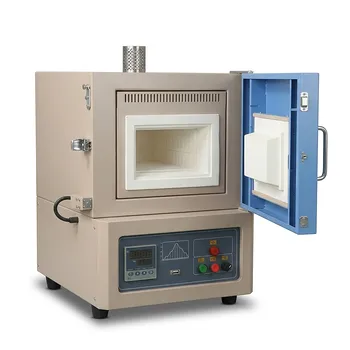
Anti Corrosive Muffle Furnace with Sintered Corundum Chamber and 1050C Operating Range for Corrosive Material Calcination
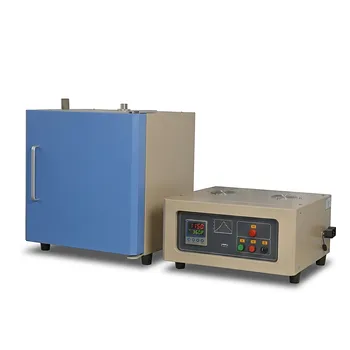
High Temperature Muffle Furnace with Alloy Chamber for Debinding and Sintering Applications
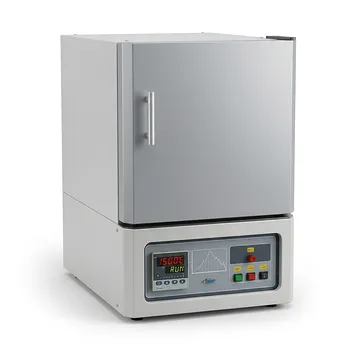
High Temperature 1500C Benchtop Muffle Furnace 3.6L Alumina Fiber Chamber Programmable Controller Sintering Annealing Carbonization Thermal Processing System
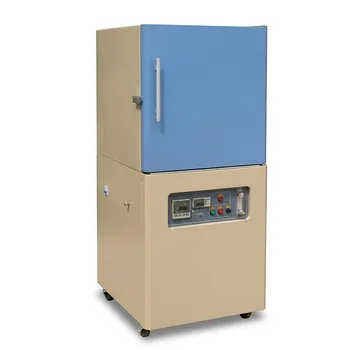
High Temperature Muffle Furnace with Dual Controllers and 36L Large Chamber 1700C Max
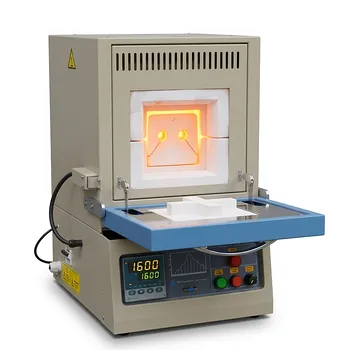
High Temperature Compact Muffle Furnace 1700 C with 30 Segment Programmable Controller and 1.7L Cubic Chamber
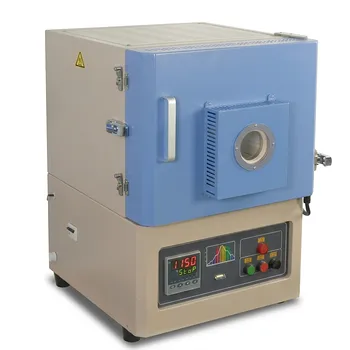
High Temperature Benchtop Muffle Furnace with Quartz Observation Window for Thermal Imaging and Material Analysis
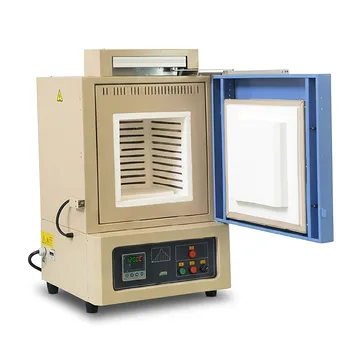
1200C High Temperature Muffle Furnace with Motorized Door and Automated PC Control for Industrial Sintering and Material Processing 27 Liter
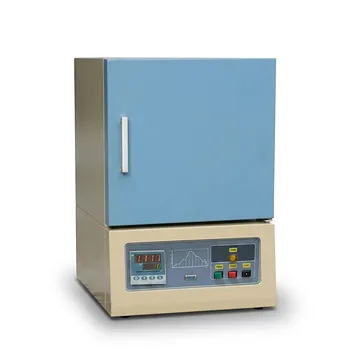
Ultra High Temperature Bench Top Muffle Furnace 1750C Sintering System with Kanthal Super Heating Elements and Precision Digital Control
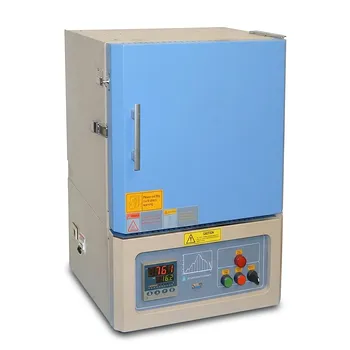
High Temperature 1700C Bench Top Muffle Furnace with Alumina Fiber Insulation and 3.6L Chamber Capacity for Precision Sintering and Heat Treatment
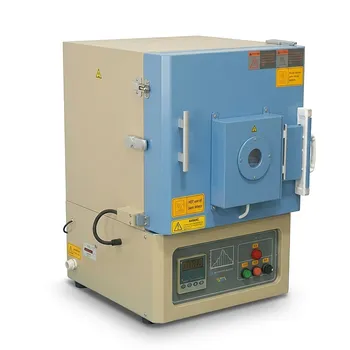
High Temperature Benchtop Muffle Furnace 1500C with 3.6L Chamber and Quartz Observation Window
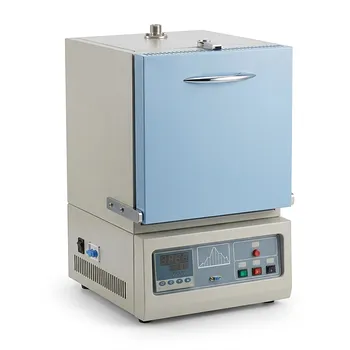
1750C Compact Muffle Furnace 1.7L Ultra High Temperature Laboratory Sintering System for Advanced Ceramics and Material Science Research
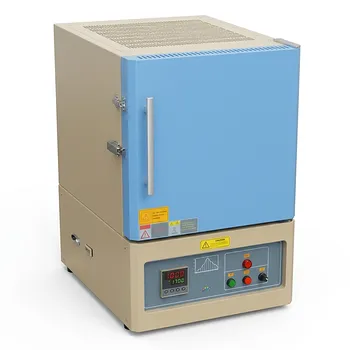
Large Bench Top 1700C High Temperature Muffle Furnace with 19L Chamber for Advanced Material Sintering and Annealing
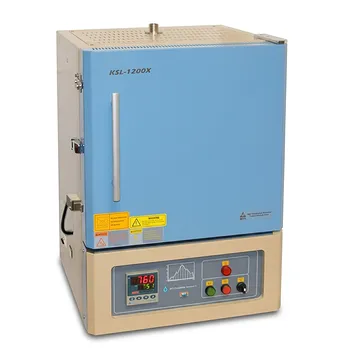
High Temperature 1200C Muffle Furnace 27L Volume 12x12x12 Chamber with Programmable PID Controller for Laboratory Material Science
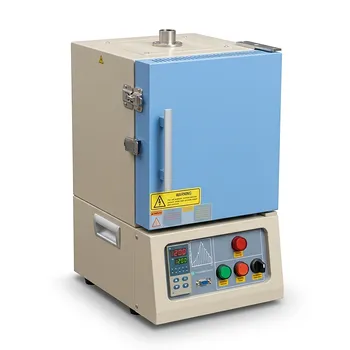
1200°C Small Box Furnace 4.2 Liter Programmable Muffle Furnace with High Purity Alumina Insulation and PID Control
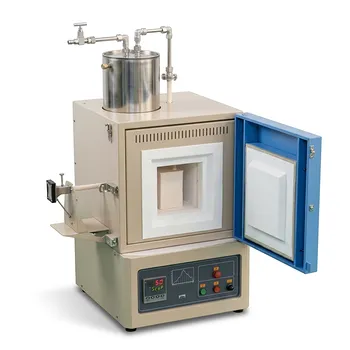
High Temperature Bench Top Muffle Furnace 1700C with Integrated Evaporating Particle Collection and 8x8x8 Alumina Fiber Chamber
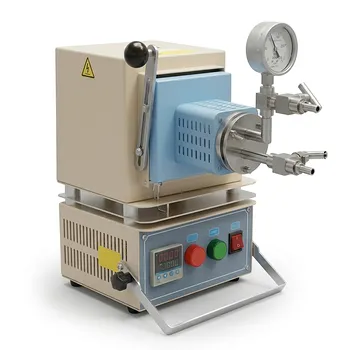
Compact Hybrid Muffle and Tube Furnace for 1000C Controlled Atmosphere Laboratory Material Sintering
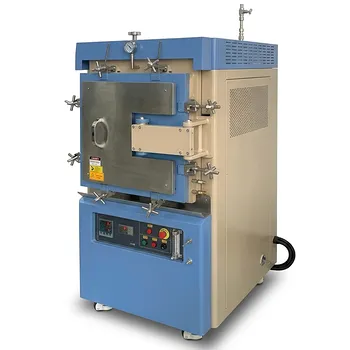
Atmosphere Controlled Muffle Furnace 1700C Maximum Temperature 80L High Capacity Vacuum Inert Gas Box Furnace
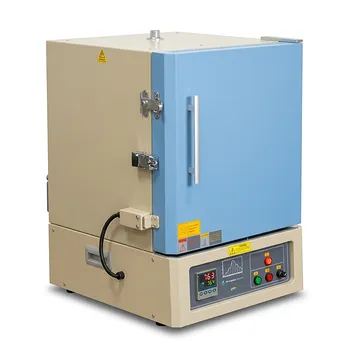
Large Capacity 1200C Muffle Furnace 64 Liter Chamber with Digital PID Controller and Built In Venting Port
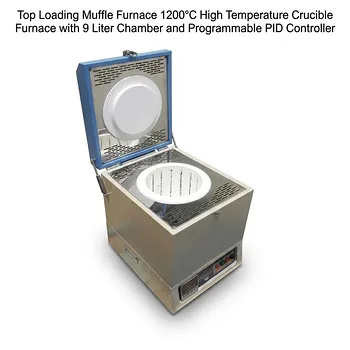
Top Loading Muffle Furnace 1200°C High Temperature Crucible Furnace with 9 Liter Chamber and Programmable PID Controller