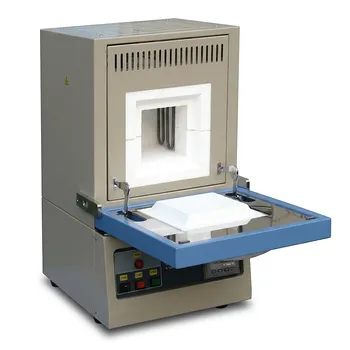
Why is a laboratory high-temperature box-type resistance furnace required for the thermal treatment of Fe-Mg-ZSM-5 catalysts? Enhance Stability
Updated 5 months ago
The laboratory high-temperature box-type resistance furnace is the fundamental tool for converting inactive metal precursors into stable, high-performance Fe-Mg-ZSM-5 catalysts. Through a process known as calcination, the furnace provides the precise thermal energy required to decompose metal salts into active oxides, remove structural impurities, and anchor the metal phase onto the zeolite support.
Core Takeaway: A box-type resistance furnace facilitates the critical thermochemical transformation of metal-loaded zeolite precursors into their active oxide forms (FeOx and MgO). By maintaining a stable, high-temperature environment, it ensures uniform decomposition, stabilizes the catalyst’s crystalline structure, and optimizes the metal-support interactions necessary for initial catalytic activity.
Driving Chemical Transformation and Phase Formation
Thermal Decomposition of Metal Salts
The primary role of the box furnace is to provide a steady temperature, typically around 550 °C, to initiate the thermal decomposition of metal nitrates or salts loaded onto the ZSM-5. This process forces the release of volatile components, leaving behind stable metal oxides like iron oxide and magnesium oxide. Without this high-temperature environment, the precursors would remain in a chemically inactive state.
Immobilization of Active Components
The furnace environment facilitates the immobilization of the Fe and Mg active phases. At sustained high temperatures, the metal species migrate and anchor themselves to the zeolite framework. This prevents the active metals from leaching or sintering during subsequent chemical reactions, ensuring the catalyst remains effective over time.
Optimization of Metal Grain Size
By adjusting calcination parameters such as the heating rate (often 5 °C/min) and residence time, the furnace allows researchers to control the grain size of the resulting metal oxides. This control is vital because the size of these oxide particles directly influences the total available surface area and the number of active sites exposed for catalysis.
Structural Refinement of the ZSM-5 Support
Removal of Template Agents and Impurities
ZSM-5 zeolites are often synthesized using organic template agents that block the internal microporous structure. The box furnace provides the heat necessary to oxidize and remove these templates, along with any adsorbed moisture or residual volatiles. This "cleaning" step is essential for opening the pores so that reactants can reach the active Fe and Mg sites.
Stabilizing the Crystalline Framework
High-temperature treatment under a static air atmosphere helps stabilize the crystalline structure of the catalyst. The box-type furnace ensures that the zeolite support and the metal oxides reach a state of thermal equilibrium. This results in a robust material capable of withstanding the harsh environments typical of catalytic pyrolysis or chemical vapor deposition.
Enhancing Metal-Support Interaction (MSI)
The heat induced within the furnace promotes a strong metal-support interaction (MSI). This interaction is not merely physical; it involves a chemical synergy where the electronic properties of the Fe and Mg oxides are influenced by the acidic sites of the ZSM-5. This synergy is a major determinant of the catalyst's final mechanical strength and selectivity.
Understanding the Trade-offs
Static Atmosphere vs. Controlled Flow
Unlike tube furnaces that allow for a continuous flow of specialized gases (like nitrogen or hydrogen), a box furnace typically operates in a static air environment. While this is ideal for oxidation and calcination, it may not be suitable for catalyst regeneration where the removal of heavy carbon deposits (coke) might require specific gas kinetics.
Thermal Gradients and Sample Volume
In a box furnace, the thermal field is generally stable, but large sample volumes can experience internal temperature gradients. If the heating rate is too aggressive, the exterior of the catalyst precursor may calcine faster than the interior, leading to non-uniform metal oxide distribution or "eggshell" catalysts where the active phase is concentrated only on the surface.
How to Apply This to Your Project
Making the Right Choice for Your Goal
- If your primary focus is initial phase formation: Use the box furnace at 550 °C with a slow ramp rate to ensure complete decomposition of metal salts into uniform oxides.
- If your primary focus is maximizing surface area: Prioritize a pre-calcination step for the ZSM-5 support alone to ensure all micropores are clear before loading the metals.
- If your primary focus is long-term stability: Extend the "soak time" at the target temperature to strengthen the metal-support interaction and stabilize the crystal lattice.
- If your primary focus is catalyst reuse: Consider a tube furnace instead of a box furnace to provide the controlled oxygen flow necessary for the oxidative combustion of coke deposits.
The box-type resistance furnace is the bridge between raw chemical precursors and a functional, stable Fe-Mg-ZSM-5 catalyst system.
Summary Table:
| Key Thermal Process | Impact on Fe-Mg-ZSM-5 Catalyst |
|---|---|
| Thermal Decomposition | Converts inactive metal salts into active FeOx and MgO oxides. |
| Template Removal | Oxidizes organic agents to open internal ZSM-5 micropores. |
| Active Phase Immobilization | Anchors metal species to the zeolite framework to prevent leaching. |
| Grain Size Control | Regulates oxide particle size to maximize available surface area. |
| MSI Strengthening | Enhances Metal-Support Interaction for better mechanical strength. |
Maximize Your Catalyst Research with THERMUNITS
Precision thermal treatment is the key to unlocking the full potential of Fe-Mg-ZSM-5 and other advanced materials. THERMUNITS is a leading manufacturer of high-temperature laboratory equipment, providing the reliability and control required for cutting-edge material science and industrial R&D.
Our comprehensive range of thermal processing solutions includes:
- Muffle & Atmosphere Furnaces for precise calcination and structural stabilization.
- Tube & CVD/PECVD Systems for specialized gas environments and thin-film growth.
- Vacuum, Rotary, and Hot Press Furnaces for advanced material synthesis.
- Vacuum Induction Melting (VIM) & Dental Furnaces for diverse laboratory needs.
Ready to enhance your lab's efficiency and achieve superior heat treatment results?
Contact THERMUNITS Today to find the perfect furnace solution for your application!
References
- Yincui Li, Huawei Zhang. Surface Modification of Fe-ZSM-5 Using Mg for a Reduced Catalytic Pyrolysis Temperature of Low-Density Polyethylene to Produce Light Olefin. DOI: 10.3390/catal14010078
Mentioned Products
- High Temperature Four Chamber Box Furnace for High Throughput Materials Research and Space Saving Thermal Processing
- High Temperature Hydrogen Atmosphere Box Furnace 1650C Max Reducing Environment Material Synthesis System 8x8x8 Chamber
- 1650C High Temperature Atmosphere Controlled Box Furnace with 65L Chamber for Advanced Material Sintering and Industrial Heat Treatment
- High Throughput Four Channel Box Furnace 1500C Max Independent Temperature Control Material Research Sintering System
- Automated 1700C High Temperature Bottom Loading Box Furnace with PC Software Control and Robotic Integration Capability
People Also Ask
- What is the role of a high-temperature box furnace in the solid-state synthesis of Europium-doped M3MgSi2O8 phosphors?
- What is the role of a high-temperature box furnace in Na3MnZr(PO4)3 synthesis? Engineering High-Performance NASICON.
- What role does an industrial-grade high-temperature furnace play in C2F sintering? Achieve Pure Phase and High Strength
- How does a high-temp box furnace aid rare-earth oxysulfide phosphor synthesis? Enhance Purity & Luminescence
- Why is a high-temperature box furnace required for 1250°C ferrite calcination? Ensure Precise Phase Transformation.

Tech Team · ThermUnits
Last updated on Apr 14, 2026
Related Products
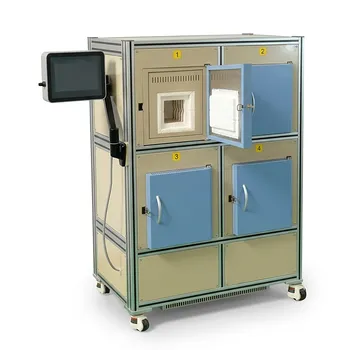
High Temperature Four Chamber Box Furnace for High Throughput Materials Research and Space Saving Thermal Processing
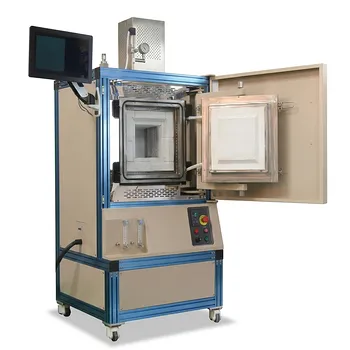
High Temperature Hydrogen Atmosphere Box Furnace 1650C Max Reducing Environment Material Synthesis System 8x8x8 Chamber
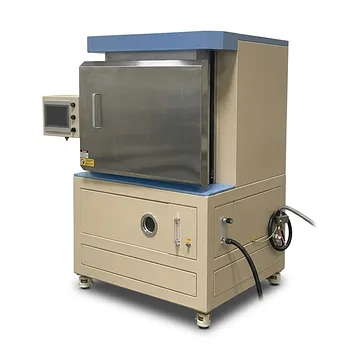
1650C High Temperature Atmosphere Controlled Box Furnace with 65L Chamber for Advanced Material Sintering and Industrial Heat Treatment
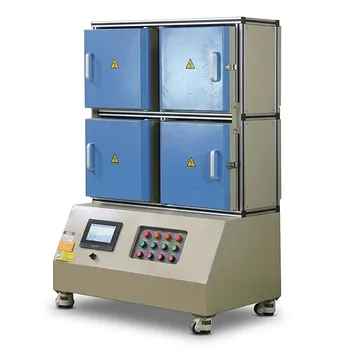
High Throughput Four Channel Box Furnace 1500C Max Independent Temperature Control Material Research Sintering System
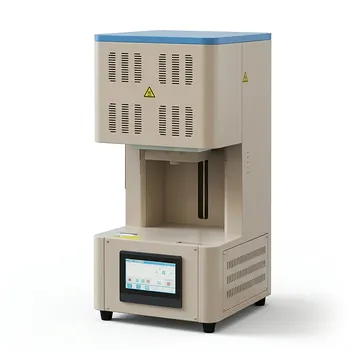
Automated 1700C High Temperature Bottom Loading Box Furnace with PC Software Control and Robotic Integration Capability
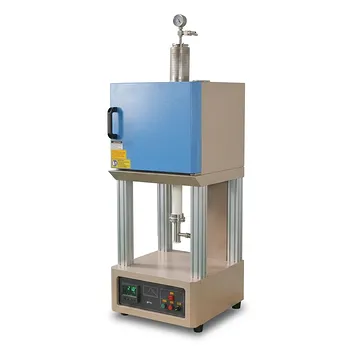
Hybrid High Temperature Tube and Box Furnace 1700C with 2 Inch Alumina Tube for Material Research
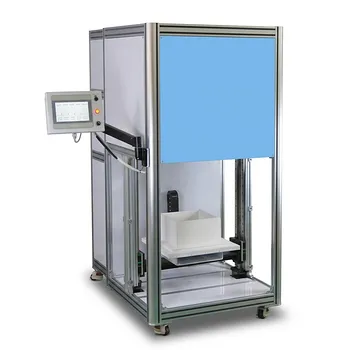
High Temperature 1600°C Three Zone Heated Bottom Loading Box Furnace with Rapid Thermal Processing Chamber 72L Volume
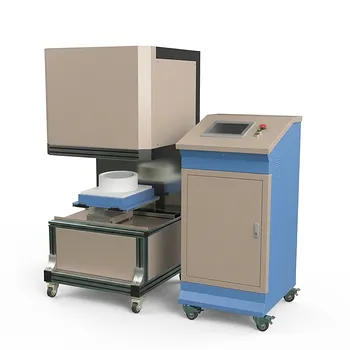
High Temperature Bottom Loading Box Furnace for Rapid Thermal Processing 1700C 40L Capacity
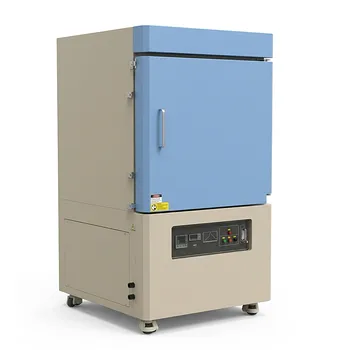
Industrial Large Box Furnace 1700C 216L High Temp Muffle Sintering System
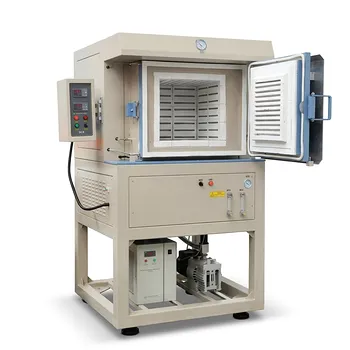
1200°C Five Side Heating Atmosphere Controlled Muffle Furnace 64 Liter High Uniformity Box Furnace for Material Synthesis
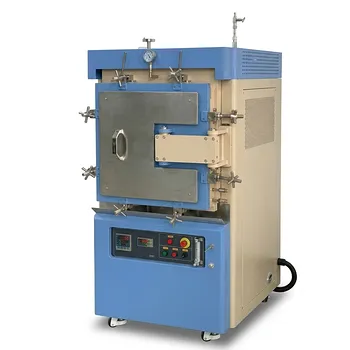
High Temperature Economic Hydrogen Gas Box Furnace 1600C Atmosphere Controlled Thermal Processing System 65L Capacity
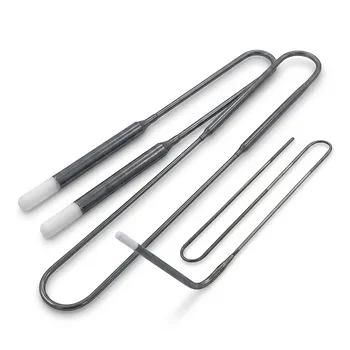
Molybdenum Disilicide MoSi2 Thermal Elements Electric Furnace Heating Element High Temperature Resistance
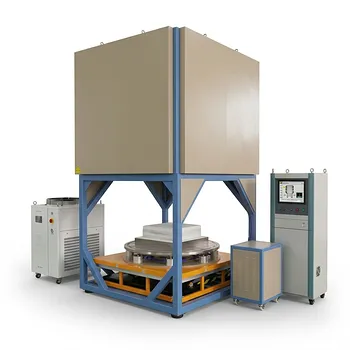
Bottom Loaded Inert Gas Atmosphere Box Furnace 1700C 1300C 216L Large Capacity Industrial Thermal Processing System
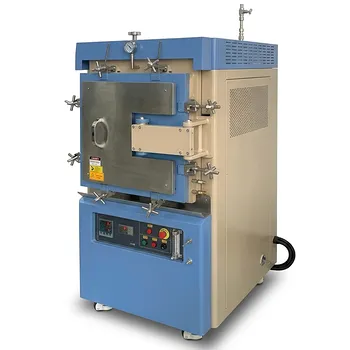
Atmosphere Controlled Muffle Furnace 1700C Maximum Temperature 80L High Capacity Vacuum Inert Gas Box Furnace
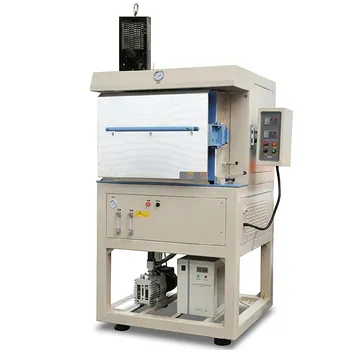
1200C Hydrogen Atmosphere Box Furnace with 5 Heated Sides and 64L Chamber
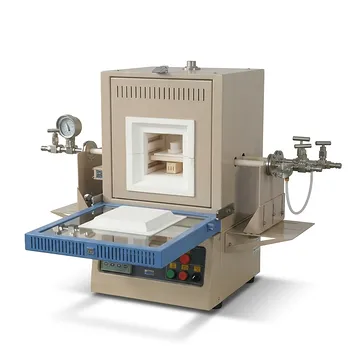
1700C Compact Hybrid Furnace with Dual Layer Box Sintering and Controlled Atmosphere Alumina Tubes
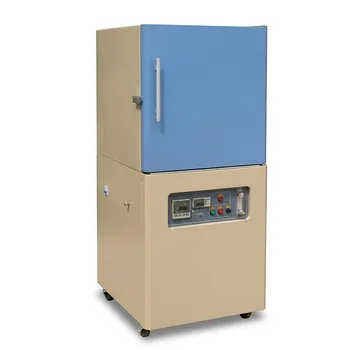
High Temperature Muffle Furnace with Dual Controllers and 36L Large Chamber 1700C Max
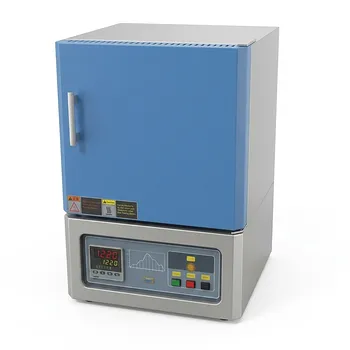
High Temperature Benchtop Muffle Furnace 1700C 10L Chamber Alumina Fiber Insulation MoSi2 Heating Elements
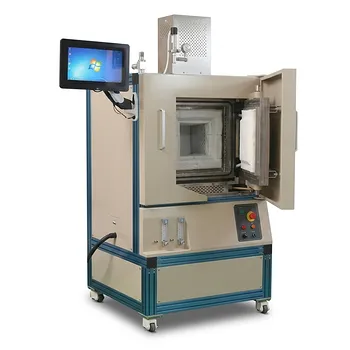
High Temperature Oxygen and Inert Atmosphere Controlled Furnace 8 Liter 1700C Sintering System for Advanced Materials RD