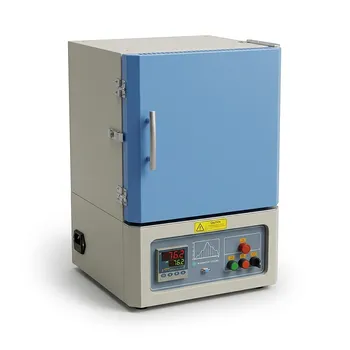
Why is a laboratory muffle furnace required for perovskite catalysts at 900°C? Ensure High Phase Purity & Activity
Updated 3 months ago
The final preparation of perovskite catalysts at 900°C requires a laboratory muffle furnace to provide the high-temperature stability necessary for solid-phase crystallization. This specific thermal environment ensures that precursor elements—such as Lanthanum, Manganese, and Cobalt—undergo the chemical transformations required to form a stable, single-phase perovskite crystal structure on the catalyst carrier. Without the precise temperature control of a muffle furnace, the catalyst cannot achieve the specific oxide phases required for high electrocatalytic activity.
Core Takeaway: A muffle furnace is indispensable for perovskite synthesis because it facilitates the high-energy solid-state reactions and organic decomposition needed to transform raw precursors into a stable, active crystalline lattice.
Achieving the Perovskite Crystal Phase
Driving Solid-Phase Reactions
At 900°C, the energy level within the furnace is sufficient to trigger solid-phase reactions between precursor materials. This temperature is the threshold where separate elements begin to migrate and integrate into the characteristic $ABO_3$ perovskite structure.
Ensuring Lattice Integrity
The muffle furnace provides a constant temperature environment that allows the crystal lattice to form without interference from "impurity phases." This uniformity is critical for Lanthanum, Manganese, and Cobalt to reach their intended stable oxide states.
Crystallization of Active Components
The high-heat environment facilitates the recrystallization of the dry precursor. This process ensures the active metal ions are properly integrated into the lattice, which directly determines the catalyst's final redox properties and efficiency.
Chemical Purification and Structural Stability
Removal of Organic Volatiles
Precursors often contain nitrates, oxalates, or solvent residues that must be completely eliminated. The 900°C environment ensures the thermal decomposition of these organic components, leaving behind a pure oxide skeleton.
Anchoring to the Support
The intense heat strengthens the interaction between the active perovskite phase and the carrier (such as carbon or molecular sieves). This "anchoring" effect is vital for maintaining mechanical strength and preventing the active phase from leaching or degrading during use.
Optimization of Pore Structure
Controlled heating at high temperatures helps define the mesoporous structure of the catalyst. This structural arrangement is essential for the diffusion of molecules during catalytic reactions, such as methane reforming or alcohol dehydration.
Understanding the Trade-offs
Sintering and Surface Area Loss
While 900°C is necessary for crystallization, excessive time at this temperature can lead to sintering, where small particles fuse into larger ones. This process reduces the overall active surface area, potentially lowering the catalyst's weight-specific activity.
Atmospheric Considerations
Muffle furnaces typically operate in a static air environment, which is ideal for forming metal oxides. However, if the carrier material (like certain carbons) is sensitive to oxidation at 900°C, the lack of an inert atmosphere control in a standard muffle furnace could lead to carrier degradation.
Heating Rate Sensitivity
Increasing the temperature too rapidly can cause structural defects or uneven phase distribution. Precise control over the heating ramp rate (often 5–7°C/min) is required to ensure the chemical transformation is uniform throughout the bulk material.
How to Apply This to Your Project
Recommendations for Catalyst Synthesis
To achieve the best results when using a muffle furnace for perovskite preparation, tailor your approach based on your specific performance metrics:
- If your primary focus is Phase Purity: Maintain the 900°C temperature for a minimum of 5 to 8 hours to ensure complete solid-state conversion and the elimination of intermediate phases.
- If your primary focus is High Surface Area: Use the fastest safe heating rate to reach 900°C and minimize the "soak time" to prevent excessive sintering of the perovskite crystals.
- If your primary focus is Structural Stability: Ensure all organic templates and nitrates are fully decomposed at lower intermediate "dwell" temperatures before ramping to the final 900°C setpoint.
By mastering the thermal environment of the muffle furnace, you ensure the catalyst achieves the precise crystalline architecture required for high-performance electrocatalytic applications.
Summary Table:
| Key Process | Function at 900°C | Impact on Catalyst |
|---|---|---|
| Solid-Phase Reaction | Triggers $ABO_3$ structure formation | Ensures high phase purity and active states |
| Organic Removal | Decomposes nitrates, oxalates, and solvents | Leaves a pure, stable oxide skeleton |
| Lattice Integration | Facilitates recrystallization of active ions | Determines final redox efficiency and activity |
| Mechanical Anchoring | Strengthens interaction with the carrier | Prevents leaching and improves durability |
| Pore Optimization | Defines the mesoporous structure | Essential for efficient molecule diffusion |
Elevate Your Catalyst Research with THERMUNITS Precision
Achieving the perfect $ABO_3$ perovskite structure at 900°C requires more than just heat—it requires the absolute temperature stability and uniformity that only professional-grade equipment can provide. THERMUNITS is a leading manufacturer of high-temperature laboratory equipment specifically designed for material science and industrial R&D.
Our comprehensive range of thermal processing solutions is engineered to support your most demanding synthesis workflows:
- Advanced Furnaces: Muffle, Vacuum, Atmosphere, Tube, Rotary, and Hot Press furnaces.
- Specialized Systems: CVD/PECVD systems, Dental Furnaces, and Vacuum Induction Melting (VIM) furnaces.
- Critical Components: High-quality Thermal Elements and electric rotary kilns.
Whether you are optimizing phase purity or defining mesoporous structures, THERMUNITS provides the reliability your laboratory needs to push the boundaries of material science.
Ready to enhance your heat treatment precision?
Contact THERMUNITS today for a customized solution!
References
- Yu Guo, Qiangfeng Xiao. Investigation of non-precious metal cathode catalysts for direct borohydride fuel cells. DOI: 10.1039/d4ra02767a
Mentioned Products
- High Temperature 1700C Bench Top Muffle Furnace with Alumina Fiber Insulation and 3.6L Chamber Capacity for Precision Sintering and Heat Treatment
- High Temperature 1200C Muffle Furnace 27L Volume 12x12x12 Chamber with Programmable PID Controller for Laboratory Material Science
- 1800C Bench Top Muffle Furnace with Kanthal Super 1900 Heating Elements and 3.6L Alumina Fiber Chamber
- High Temperature 1800C Compact Muffle Furnace with Kanthal Super 1900 Heating Elements and 1.7L Alumina Chamber
- High Temperature Compact Muffle Furnace 1700 C with 30 Segment Programmable Controller and 1.7L Cubic Chamber
People Also Ask
- What role does a high-temperature muffle furnace play in evaluating the mineral composition of rock samples? LOI & XRF Guide
- What is the function of a high-temperature muffle furnace in phosphorus-modified zeolite catalyst preparation?
- What is the function of a high-temp muffle furnace in Ni-V oxide synthesis? Optimize your material's performance.
- What is the purpose of using muffle or tube furnaces in glass synthesis? Achieve Precise Melt-Quenching & Homogeneity
- What is the function of a muffle furnace in aluminoborosilicate glass prep? Stabilize Raw Materials for Superior Purity

Tech Team · ThermUnits
Last updated on Jun 03, 2026
Related Products
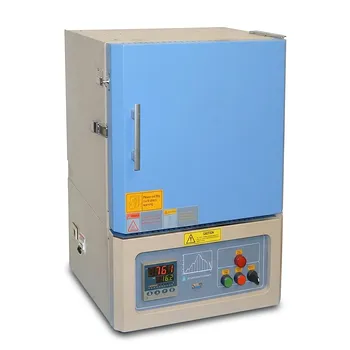
High Temperature 1700C Bench Top Muffle Furnace with Alumina Fiber Insulation and 3.6L Chamber Capacity for Precision Sintering and Heat Treatment
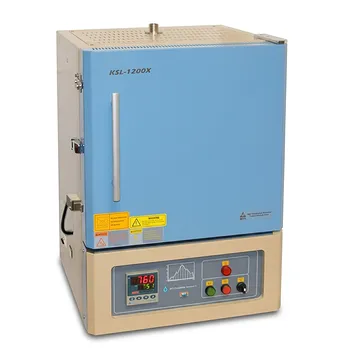
High Temperature 1200C Muffle Furnace 27L Volume 12x12x12 Chamber with Programmable PID Controller for Laboratory Material Science
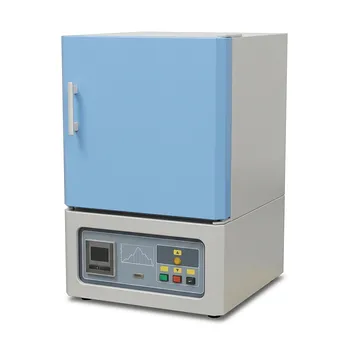
1800C Bench Top Muffle Furnace with Kanthal Super 1900 Heating Elements and 3.6L Alumina Fiber Chamber
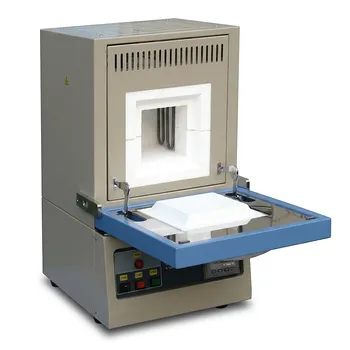
High Temperature 1800C Compact Muffle Furnace with Kanthal Super 1900 Heating Elements and 1.7L Alumina Chamber
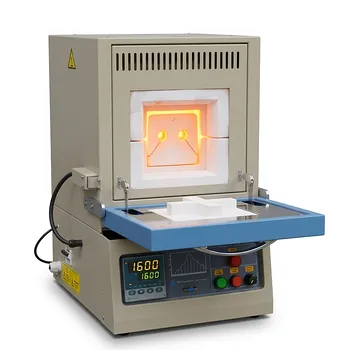
High Temperature Compact Muffle Furnace 1700 C with 30 Segment Programmable Controller and 1.7L Cubic Chamber
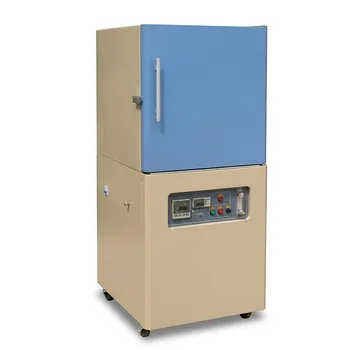
High Temperature Muffle Furnace with Dual Controllers and 36L Large Chamber 1700C Max
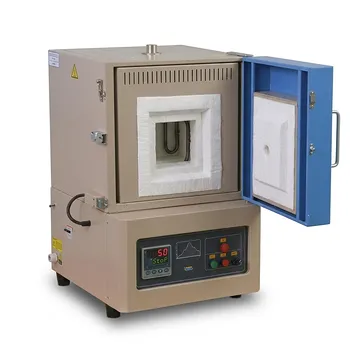
1800°C Bench Top Ultra High Temperature Muffle Furnace with Sapphire Observation Window and Top Feeding Port for Materials Research and Thermal Processing
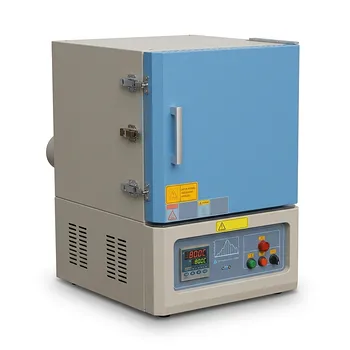
1800C Bench Top Muffle Furnace 18 Liters with Kanthal Super 1900 Heating Elements for High Purity Ceramic Sintering and Material Research
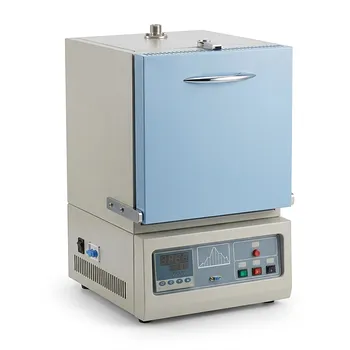
1750C Compact Muffle Furnace 1.7L Ultra High Temperature Laboratory Sintering System for Advanced Ceramics and Material Science Research
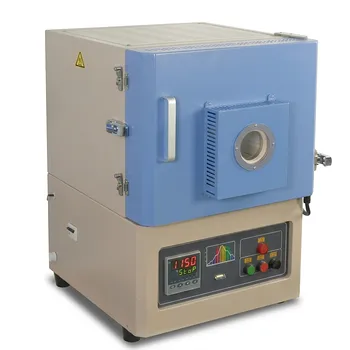
High Temperature Benchtop Muffle Furnace with Quartz Observation Window for Thermal Imaging and Material Analysis
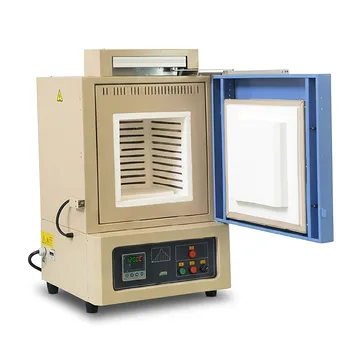
1200C High Temperature Muffle Furnace with Motorized Door and Automated PC Control for Industrial Sintering and Material Processing 27 Liter
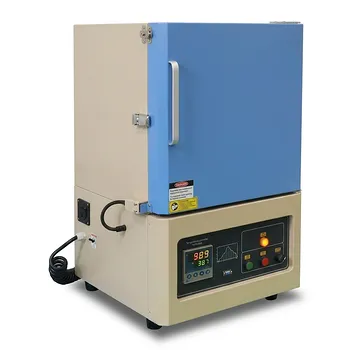
1200°C High Temperature Muffle Furnace 19L Chamber with 50 Segment Programmable Controller
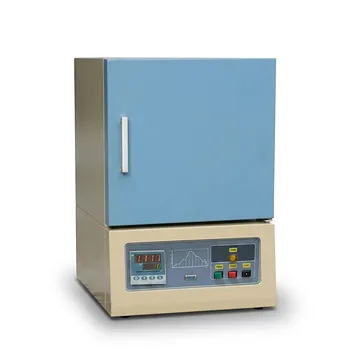
Ultra High Temperature Bench Top Muffle Furnace 1750C Sintering System with Kanthal Super Heating Elements and Precision Digital Control
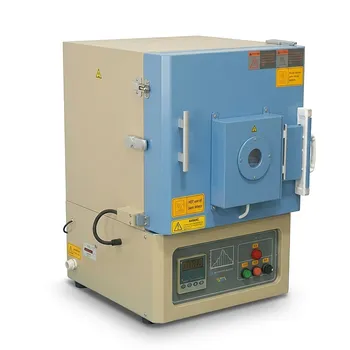
High Temperature Benchtop Muffle Furnace 1500C with 3.6L Chamber and Quartz Observation Window
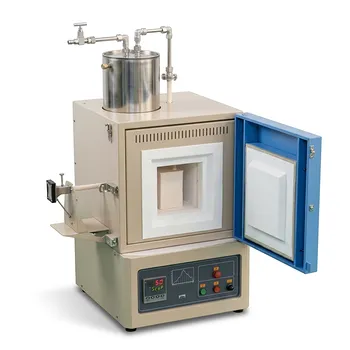
High Temperature Bench Top Muffle Furnace 1700C with Integrated Evaporating Particle Collection and 8x8x8 Alumina Fiber Chamber
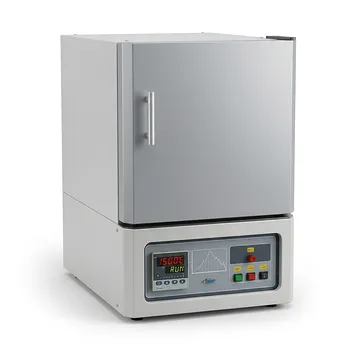
High Temperature 1500C Benchtop Muffle Furnace 3.6L Alumina Fiber Chamber Programmable Controller Sintering Annealing Carbonization Thermal Processing System
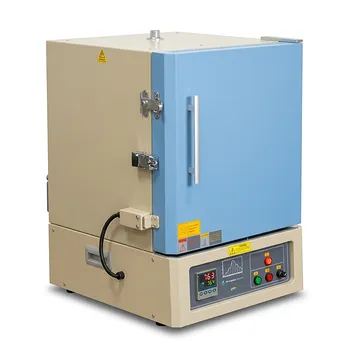
Large Capacity 1200C Muffle Furnace 64 Liter Chamber with Digital PID Controller and Built In Venting Port
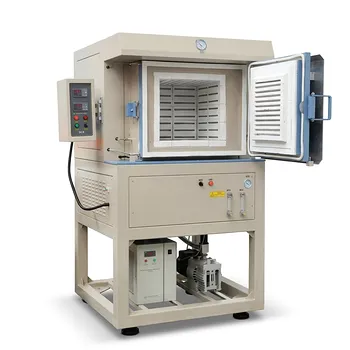
1200°C Five Side Heating Atmosphere Controlled Muffle Furnace 64 Liter High Uniformity Box Furnace for Material Synthesis
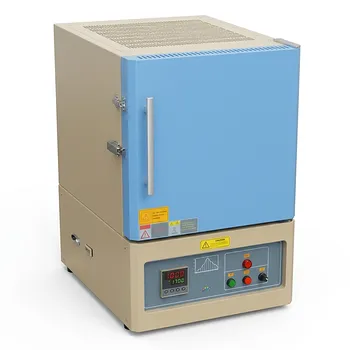
Large Bench Top 1700C High Temperature Muffle Furnace with 19L Chamber for Advanced Material Sintering and Annealing