Why is a rotary vane vacuum pump used in a tube furnace system before growing zinc oxide nanostructures?!
Updated 3 months ago
The fundamental purpose of a rotary vane vacuum pump in this context is to establish a pristine, controlled environment by eliminating atmospheric contaminants and enabling precise pressure regulation. By evacuating the tube furnace to a base pressure of approximately 10⁻³ mbar, the pump removes residual air and moisture that would otherwise interfere with the chemical reactions. This ensures that the growth of zinc oxide (ZnO) nanostructures is governed solely by the introduced precursor gases, leading to high crystal purity and predictable morphological results.
Core Takeaway: A rotary vane vacuum pump acts as the critical first line of defense against chemical impurities while providing the mechanical foundation for regulating gas supersaturation levels necessary for nanostructure synthesis.
Eliminating Environmental Interference
Removal of Residual Oxygen and Moisture
The most immediate task is the removal of atmospheric oxygen and water vapor. These molecules are highly reactive and can cause premature or unwanted oxidation of precursors, which compromises the structural integrity of the ZnO nanostructures.
Establishing a deep vacuum ensures that the only oxygen present in the system is the controlled amount required for the specific reaction. This prevents the formation of "parasitic" phases and ensures the high crystallinity of the final product.
Mitigating Impurity Interference
Even trace amounts of nitrogen or other atmospheric gases can act as dopants or catalysts that alter the growth habit of zinc oxide. By reducing the internal pressure to a near-vacuum state, you effectively reset the "chemical stage."
This process is vital for ensuring that the resulting nanostructures possess the desired electrical and optical properties. Without this step, the repeatability of the experiment would be significantly diminished.
Precision Control of Reaction Kinetics
Managing Zinc Vapor Concentration
The growth of zinc oxide often relies on the carbothermal reduction process, where zinc vapor is generated and then oxidized. The vacuum pump system, often paired with a pressure controller, regulates the concentration of this zinc vapor within the furnace.
Controlling this concentration is essential for achieving "supersaturation," the state required for nanostructures like nanowires or nanobelts to begin forming. If the pressure is too high or too low, the vapor may not condense correctly, resulting in poor yield or bulk film growth instead of nanostructures.
Establishing Gas Ratios and Flow Dynamics
Once the chamber is evacuated, high-purity inert gases (like Argon) are introduced to carry the reactants. The vacuum pump allows for the continuous removal of spent gases, maintaining a stable flow rate and a constant pressure environment.
This dynamic equilibrium is what allows for the "precise ratio" mentioned in the primary literature. It ensures that the stoichiometry of the zinc oxide remains consistent throughout the entire growth cycle.
Understanding the Trade-offs
Vacuum Limits and Backstreaming
While a rotary vane pump is excellent for "roughing" (reaching moderate vacuum levels), it cannot achieve the ultra-high vacuum (UHV) required for some advanced semiconductor processes. It is generally limited to the 10⁻³ mbar range.
A significant risk with these pumps is "oil backstreaming," where pump oil molecules migrate back into the furnace tube. If not managed with proper trapping or filtering, this carbon contamination can ruin the purity of the ZnO nanostructures.
Maintenance and Contaminant Loading
Rotary vane pumps use oil for sealing and lubrication, which can become contaminated by the chemical byproducts of the ZnO growth process. Acidic or particulate-heavy exhaust can degrade the oil and damage the internal vanes over time.
Regular oil changes and the use of exhaust filters are mandatory to maintain performance. Neglecting this maintenance leads to a loss in "ultimate vacuum" capability, directly impacting the quality of the growth environment.
Making the Right Choice for Your Goal
How to Apply This to Your Project
- If your primary focus is high crystal purity: Ensure the pump achieves its rated base pressure (10⁻³ mbar) and perform multiple vacuum-purge cycles with inert gas before heating the furnace.
- If your primary focus is specific morphology (e.g., nanowires): Use the vacuum pump in conjunction with a precise needle valve or mass flow controller to maintain the specific pressure threshold (often above 380 Torr) required for supersaturation.
- If your primary focus is preventing carbon contamination: Install a foreline trap between the pump and the furnace to prevent oil backstreaming into the reaction zone.
Effective vacuum management is not merely a preparation step, but a continuous requirement for tailoring the chemical environment that dictates nanostructure evolution.
Summary Table:
| Feature | Role in ZnO Nanostructure Growth |
|---|---|
| Environmental Control | Removes residual oxygen and moisture to prevent unwanted oxidation. |
| Pressure Regulation | Manages zinc vapor concentration to achieve specific supersaturation levels. |
| Vacuum Capability | Provides ~10⁻³ mbar base pressure, essential for resetting the chemical stage. |
| Flow Dynamics | Enables stable gas stoichiometry and continuous removal of spent reactants. |
Elevate Your Nanostructure Research with THERMUNITS
Precision environmental control is the difference between experiment failure and high-purity results. THERMUNITS is a leading manufacturer dedicated to material science and industrial R&D excellence. We provide a full suite of thermal processing solutions tailored to your specific research needs:
- Advanced Furnace Systems: High-performance Tube, CVD/PECVD, Vacuum, Muffle, Atmosphere, and Rotary furnaces.
- Specialized R&D Equipment: Hot Press systems, electric rotary kilns, and Vacuum Induction Melting (VIM) furnaces.
- Precision Components: Premium thermal elements and dental furnaces designed for high-accuracy applications.
Our equipment ensures the thermal stability and vacuum purity required for advanced nanostructure synthesis. Partner with us to optimize your heat treatment workflow.
Contact THERMUNITS Experts Today to Discuss Your Project
References
- The‐Long Phan, Dang Ngoc Toan. Various CVD-grown ZnO nanostructures for nanodevices and interdisciplinary applications. DOI: 10.3762/bjnano.15.112
Mentioned Products
- 1500C Max Dual Zone Rotary Tube Furnace with 60 mm OD Alumina Tube for High Temperature Material Synthesis
- Mini Rotary Tubular Furnaces for Precision Powder Heat Treatment and Thermogravimetric Analysis
- 1500C 3-Zone Rotary Tube Furnace 60mm with Automatic Powder Feeding and Receiving System for Continuous Material Synthesis
- 5 Inch Two Zone Rotary Tube Furnace 1100C for Powder CVD and Material Synthesis
- Three Zone Rotary Tube Furnace for High Temperature Powder Processing and Material Research
People Also Ask
- How does a rotary tube furnace improve the processing of granular materials? Enhance Uniformity and Reaction Kinetics
- Why is the precise optimization of residence time essential in the catalyst calcination process? Maximize Your Yields.
- Why use a rotary tube furnace for FACS carbonization? Ensure uniform morphology and prevent sphere agglomeration.
- In what ways do rotary tube furnaces enhance chemical and specialty mineral processing? Drive Precision and Uniformity.
- What parameters must operators control to maintain product quality in a rotary furnace? Master Your Heat Treatment.

Tech Team · ThermUnits
Last updated on Jun 03, 2026
Related Products
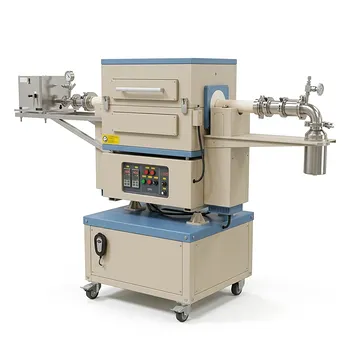
1500C Max Dual Zone Rotary Tube Furnace with 60 mm OD Alumina Tube for High Temperature Material Synthesis
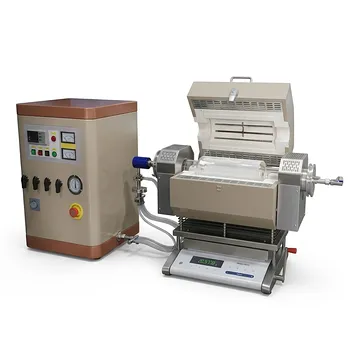
Mini Rotary Tubular Furnaces for Precision Powder Heat Treatment and Thermogravimetric Analysis
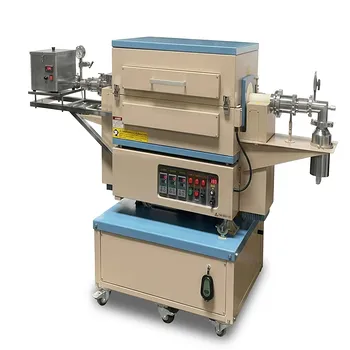
1500C 3-Zone Rotary Tube Furnace 60mm with Automatic Powder Feeding and Receiving System for Continuous Material Synthesis
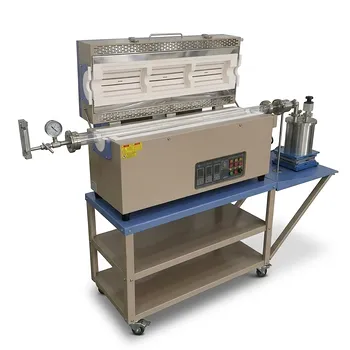
5 Inch Two Zone Rotary Tube Furnace 1100C for Powder CVD and Material Synthesis
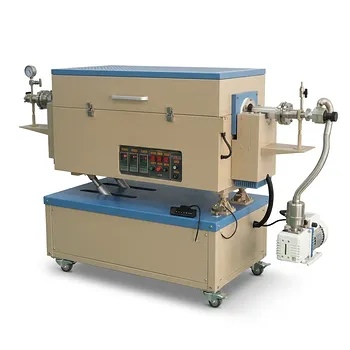
Three Zone Rotary Tube Furnace for High Temperature Powder Processing and Material Research
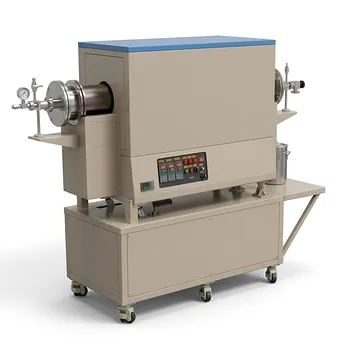
900°C Max Rotary Tube Furnace with 8 Inch 310S Alloy Tube and Optional Multi Zone Heating for Industrial Material Calcination
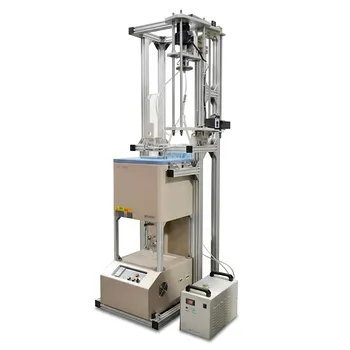
500C Vacuum Vertical Tube Furnace 84mm OD Sample Rotation Lifting System
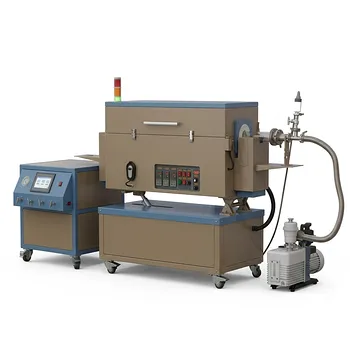
5 Inch Three Zone Rotary Tube Furnace with Integrated Gas Delivery System and 1200C Capability for Advanced Material CVD Processing
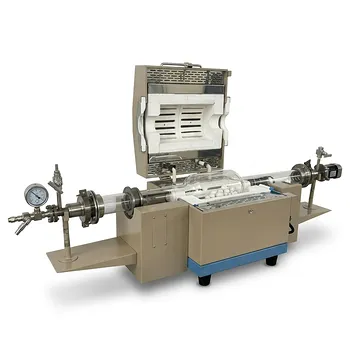
High Temperature Rotary Tube Furnace with Integrated Ball Milling and Gas Flow Function for Powder Nitriding
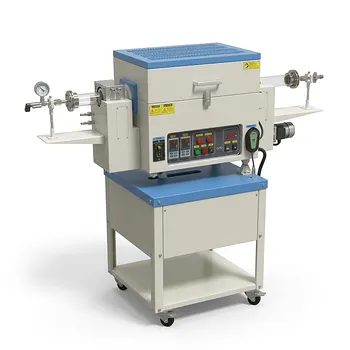
4 Inch Two Zone Rotary CVD Tube Furnace for High Temperature Battery Material Synthesis and Advanced Material Calcination
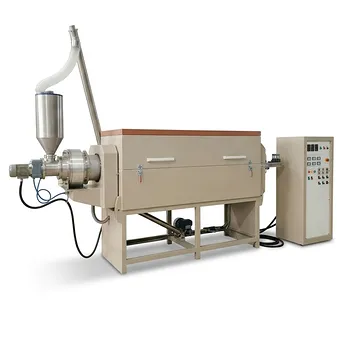
Continuous Feeding Rotary Tube Furnace for Industrial Powder Heat Treatment and Material Research
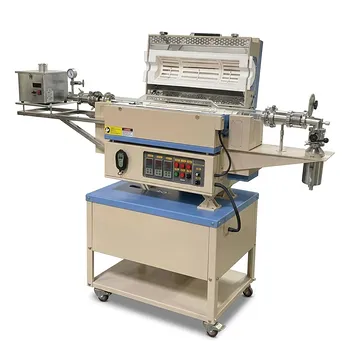
5 Inch Rotary Tube Furnace with Automatic Feeding and Receiving System 1200C Three Zone CVD Powder Processing

High Vacuum Compact Tube Furnace 1200C with Integrated Turbo Pump System and 8 Inch Heating Zone
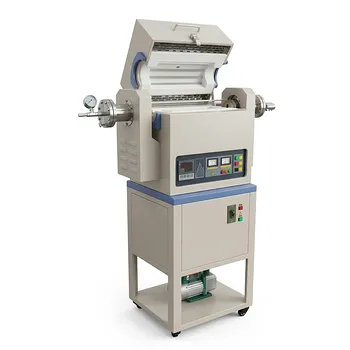
High Temperature Rotary Tilt Tubular Furnaces for Advanced Powder Sintering and Material Processing
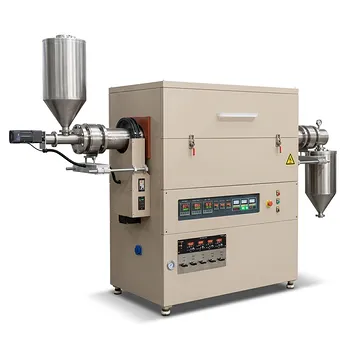
High Temperature Tilting Rotary Tube Furnace with Integrated Mass Flow Control and Multi Zone Heating
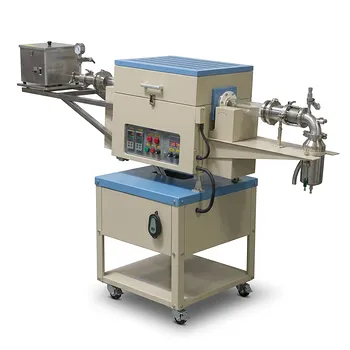
Two Zone Rotary CVD Furnace with Automatic Feeding and Receiving System for Powder Processing
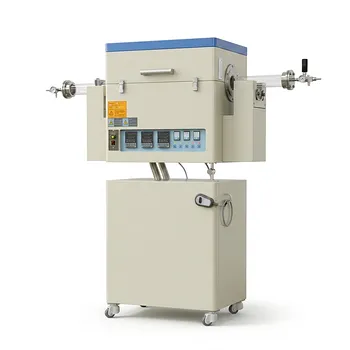
Three Temperature Zone Rotating Tube Furnace for Material Sintering and Controlled Atmospheric Heat Treatment
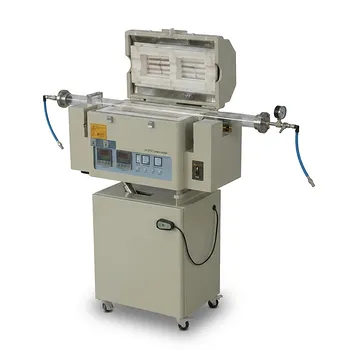
Double Temperature Revolving Tube Furnace with Precision Rotation and Adjustable Inclination for Advanced Material Research

Vertical 1700C Vacuum and Atmosphere Tube Furnace with 80mm Alumina Tube
